English
 Español
 Deutsch
 русский
ZK505A Competitive Price European Standard Baby Car Seat 9 Months to 12 Years
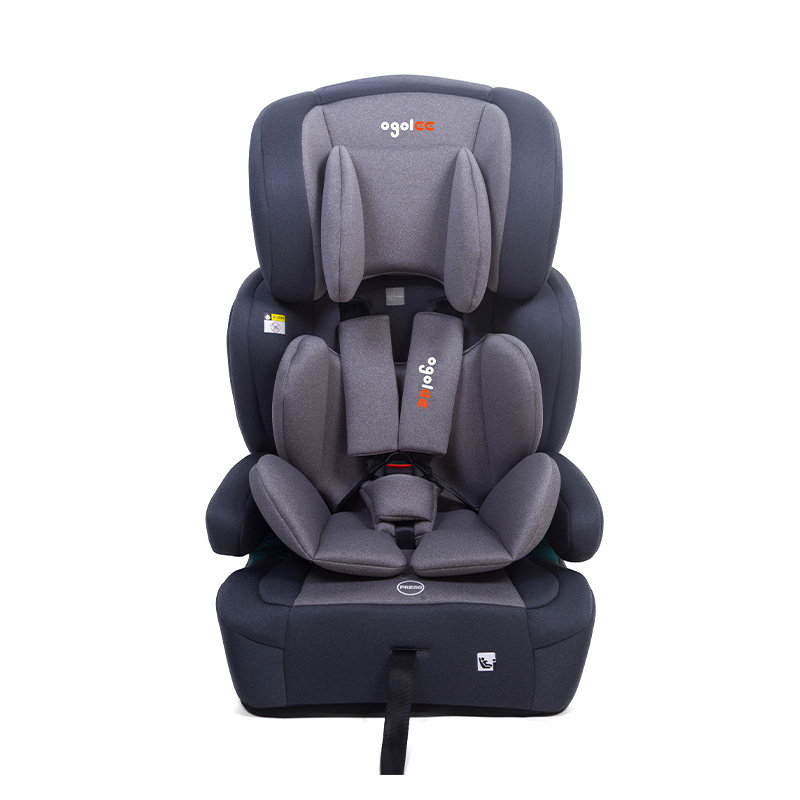
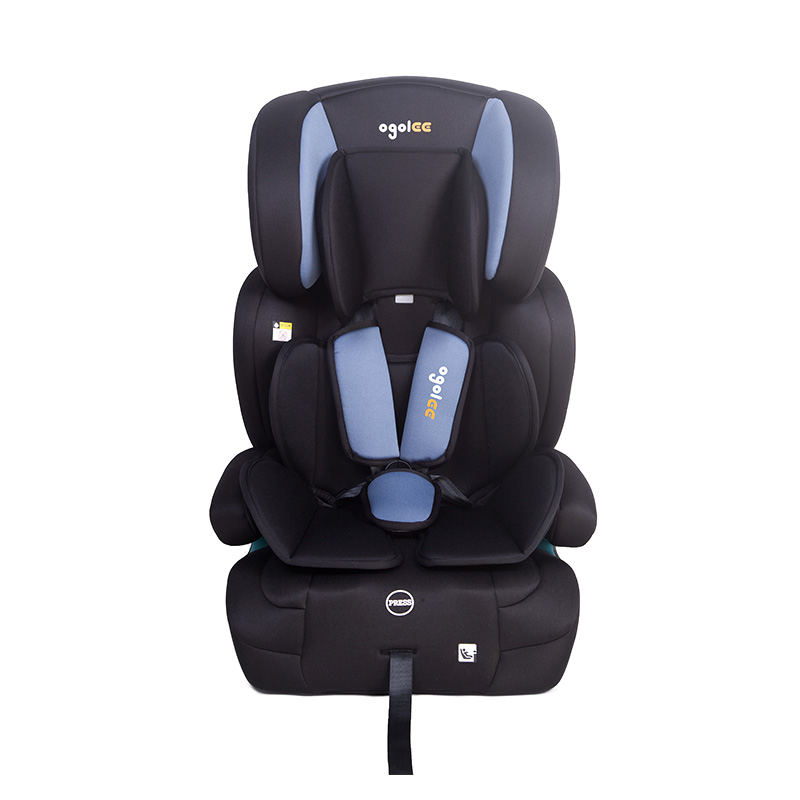
R44 Baby Car Seat For 9-36KG
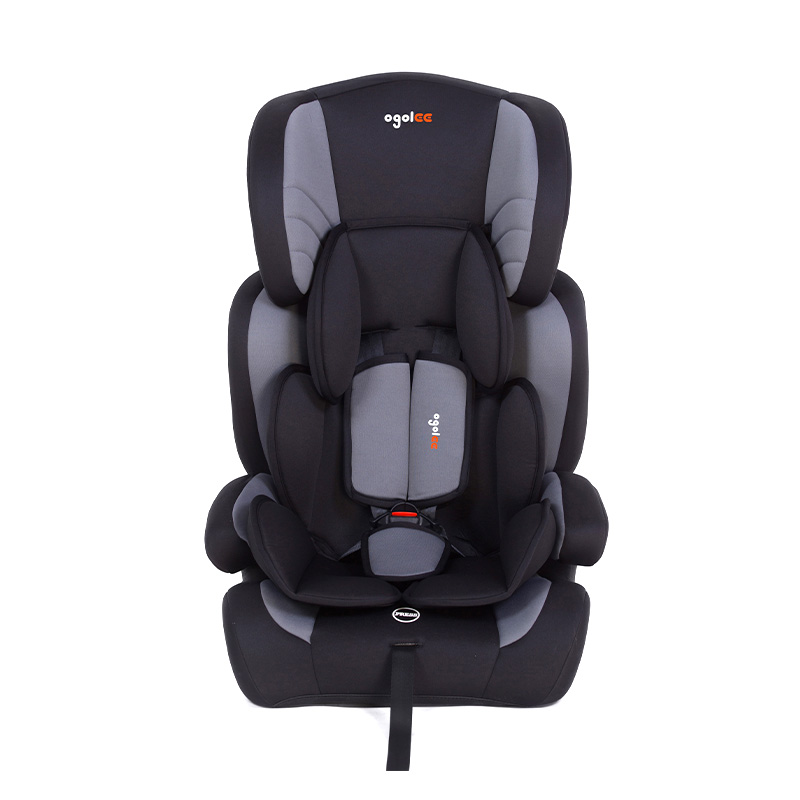
R44 Baby Car Seat For 9-36KG
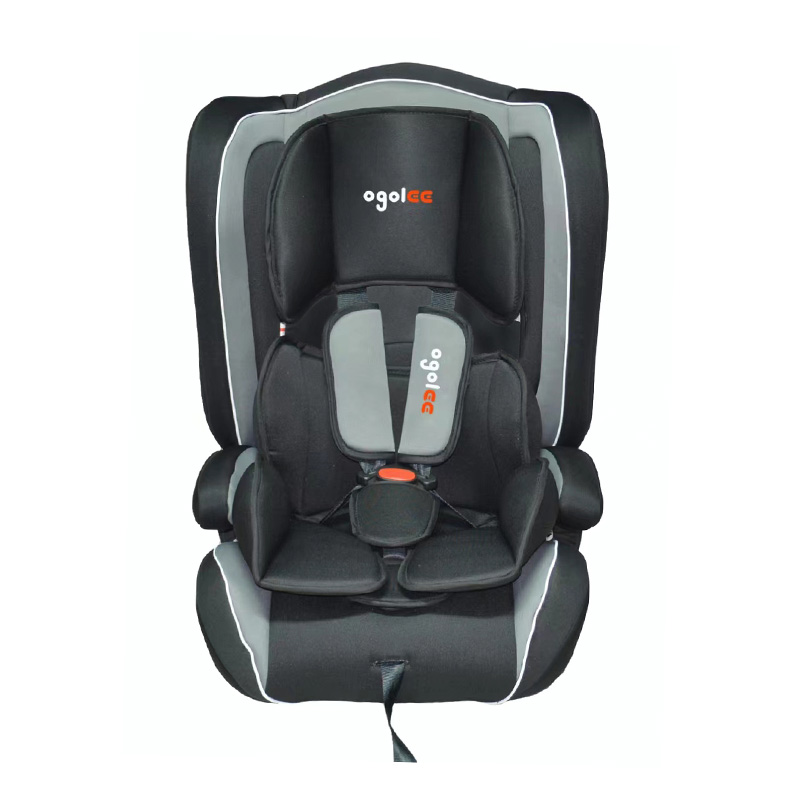
R44 Baby Car Seat For 9-36KG
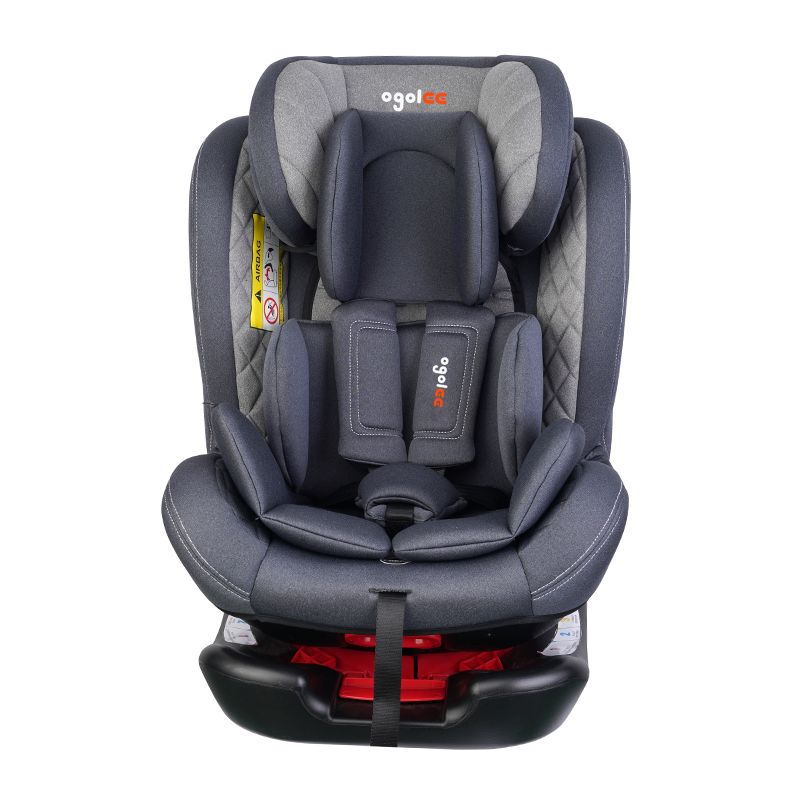
R44 Baby Car Seat For 0-36KG
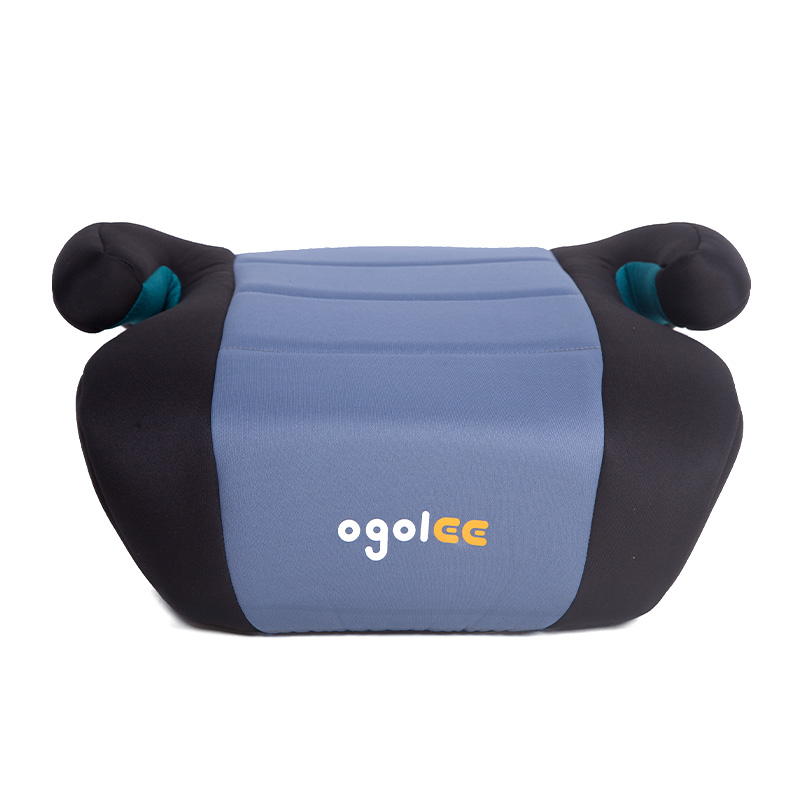
R129 Baby Car Booster For 125-150CM
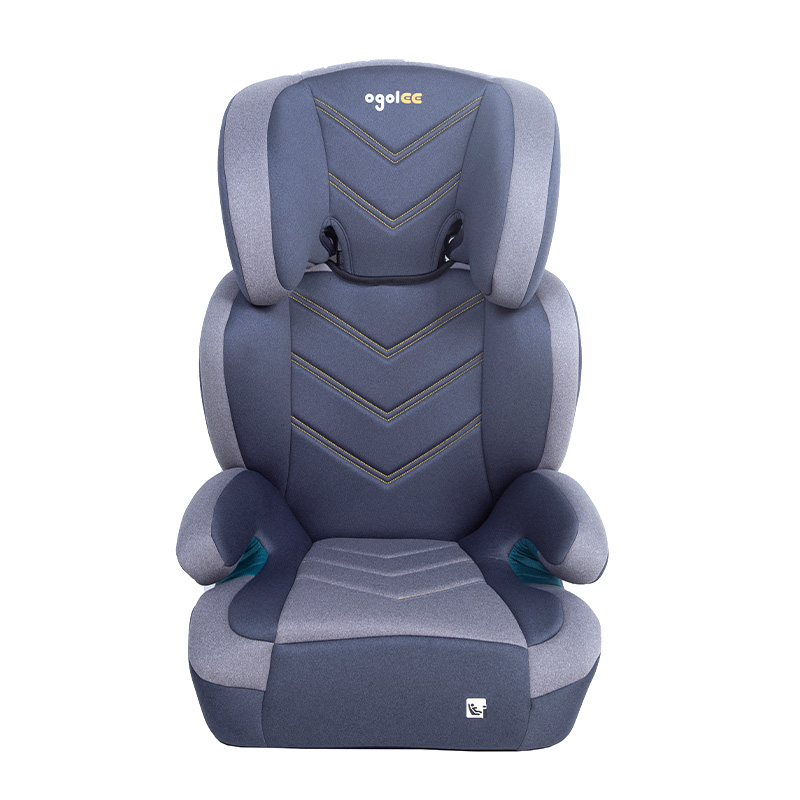
R129 ISOFIX Baby Car Seat For 100-150CM
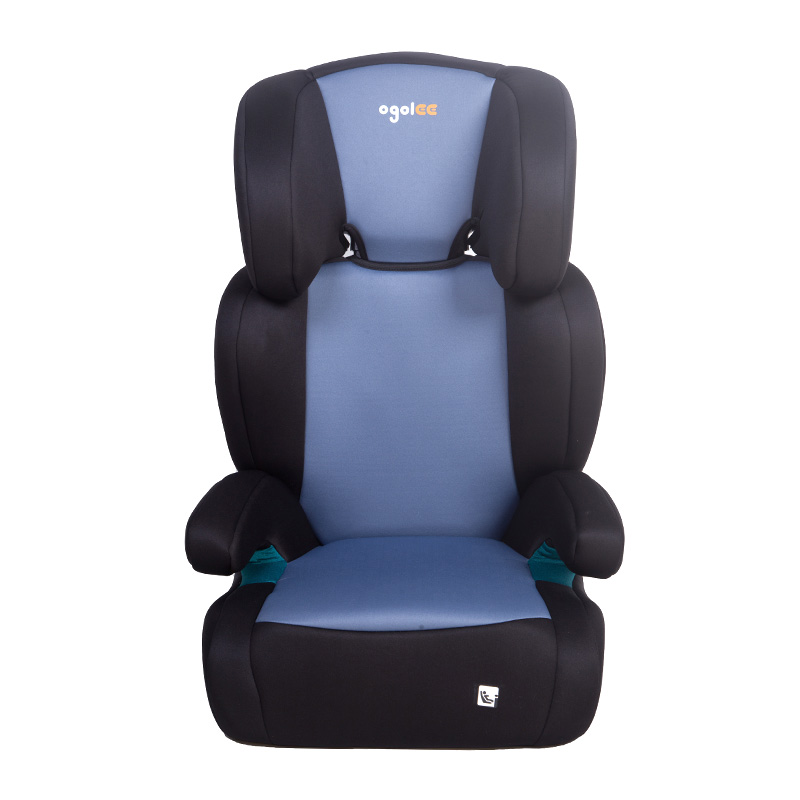
R129 Car Seat For 100-150CM
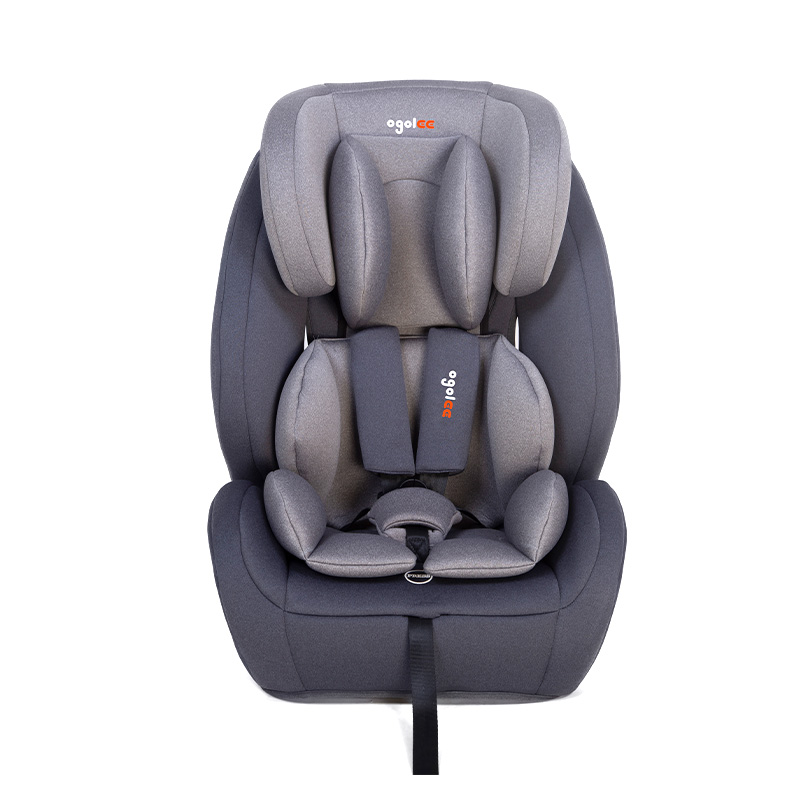
R129 ISOFIX Baby Car Seat For 76-150CM
R129 ISOFIX Baby Car Seat For 76-150CM
R129 Car Seat For 76-150CM
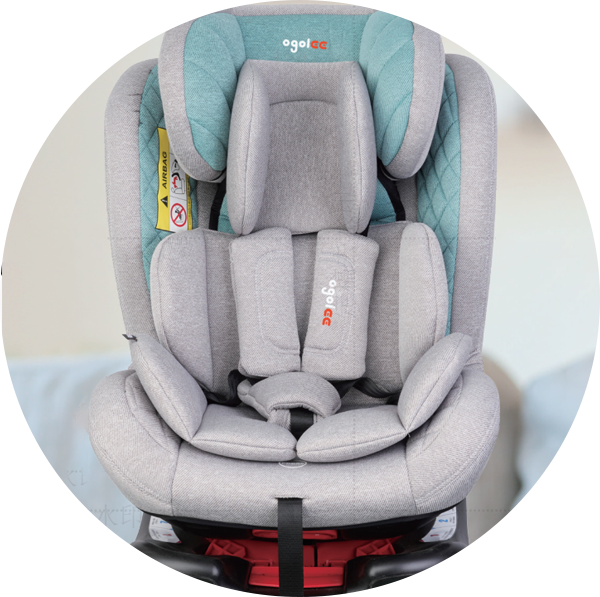



The R129 Baby Car Safety Seat represents a significant advancement in child safety during car travel. Designed with the latest safety standards, it pr...
Child safety in vehicles has become a global priority, driven by rising awareness, stricter regulations, and continuous innovation in automotive safet...
The R129 Baby Car Safety Seat, also known as the i-Size car seat, has become a gold standard in child passenger safety. Designed with advanced safety ...
The automotive safety industry is undergoing a major transformation as parents and regulators increasingly turn their attention to enhanced child prot...
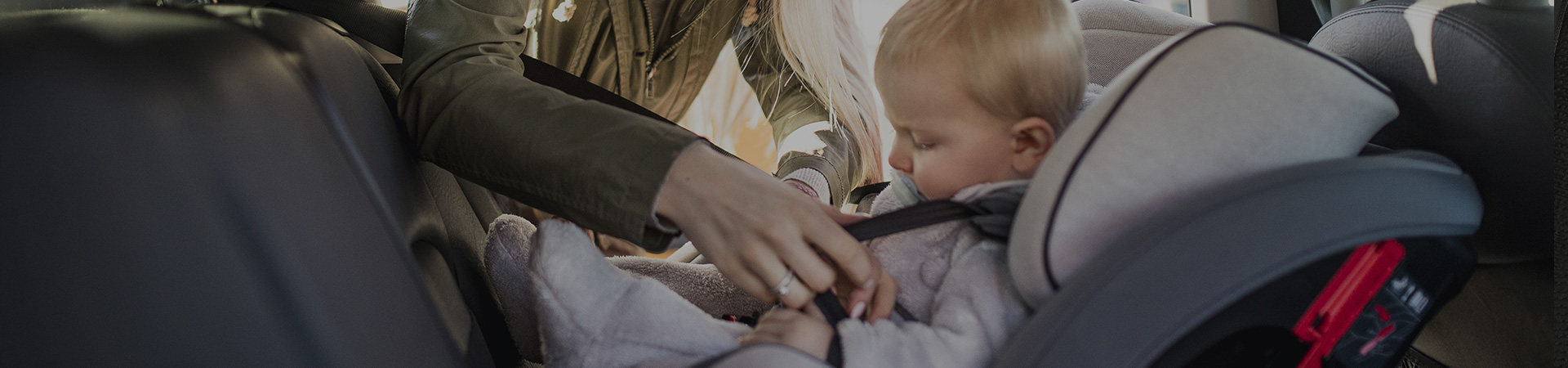
The Child Safety Seat is designed specifically to ensure the safety of infants and children while traveling in a vehicle. It provides professional protection for children during movement. Utilizing high-strength structural materials and an ergonomic design, it cushions impacts during collisions or sudden braking, reducing the risk of injury. Core features include a multi-position adjustable system, a five-point harness, and side-impact protection technology, ensuring stability and safety for children of all ages. Some Child Safety Seats are lightweight, easy to install, and compatible with various vehicle models. Some models also support simultaneous adjustment of seat angle and headrest height to accommodate growing children. All products strictly adhere to international safety certification standards, providing reliable protection for children's travel.
Children of different ages and weights require different types of child safety seats to ensure optimal protection. The following compares the main product types based on child development stages:
| Seat Type | Approx. Age/Weight | Installation Direction | Product Features & Use Case |
|---|---|---|---|
| Infant Carrier | Newborn - approx. 15 months (Typically under 13 kg) |
Rear-Facing | Designed specifically for newborns, providing a curled posture similar to being cradled, protecting the baby's head, neck, and spine. Often includes a carry handle and can be used with compatible strollers for mobility "outside the car". |
| Convertible Child Safety Seat | Newborn - approx. 4 years (Typically 2.5-18 kg) |
Rear-Facing & Forward-Facing | Combines safety and longevity. It is recommended to keep toddlers in the rear-facing position for as long as possible (at least until 15 months) to provide superior head and neck protection. |
| Forward-Facing Child Safety Seat | Approx. 1 year - 12 years (9-36 kg) |
Forward-Facing | Suitable for toddlers who can sit upright independently and school-aged children. Typically equipped with a five-point harness. Once the child's weight exceeds the harness limit, the harness can be removed, and the vehicle seat belt is used to secure the child. |
| Booster Seat | Approx. 4 years - 12 years (15-36 kg) |
Forward-Facing | Used when a child outgrows the forward-facing seat with a harness. Elevates the child's body so that the vehicle seat belt fits correctly across the shoulder and hip. Available as high-back boosters or backless booster cushions. |
Key Purchasing Considerations:
Safety Certification: Ensure the product complies with mandatory CCC certification and more stringent international standards (e.g., ECE R129/i-Size).
Installation Method: Confirm the seat is compatible with your vehicle. Common attachment systems include ISOFIX, LATCH, and seat belt installation. ISOFIX rigid connections are generally more convenient and secure.
Adjustability: Look for multiple recline angles (for comfortable sleep, especially for infants) and adjustable headrest height (to accommodate the child's growth).
Q1: How long should a Child Safety Seat be used?
A Child Safety Seat typically has an expiration date of 6-10 years; refer to the product label or manual for specifics. Materials (like plastic) can degrade over time, potentially compromising protective performance beyond their useful life.
Q2: Why is rear-facing recommended for infants and toddlers?
An infant's head is proportionally larger and heavier relative to their body, but their neck and spine are very fragile. In a collision, a rear-facing Child Safety Seat distributes the crash forces across the entire back, head, and neck, significantly reducing stress on the neck and providing superior protection.
Q3: Which is safer: ISOFIX or seat belt installation?
When installed correctly, both methods are safe. ISOFIX is a rigid connection that attaches the Child Safety Seat directly to the vehicle's chassis, offering easier and typically more secure installation with lower error rates. Seat belt installation is more universal, fitting all vehicles, but it requires careful threading and tightening according to the instructions.
Q4: Is it safe to buy a second-hand Child Safety Seat?
It is generally not recommended. It's impossible to fully know the seat's history (whether it was in a collision, has internal damage not visible externally) and it may have aging components, missing parts, or be an outdated model not meeting current safety standards.
Q5: How should I clean the fabric cover of the Child Safety Seat?
Always follow the cleaning instructions in the product manual. Most covers are removable and hand washable, using mild detergent and air drying. Avoid machine drying on high heat or direct sunlight, as this can cause shrinkage or damage the flame-retardant materials inside the fabric.
For any questions and feedback from customers, we will reply patiently and meticulously.