 English
 Español
 Deutsch
 русский

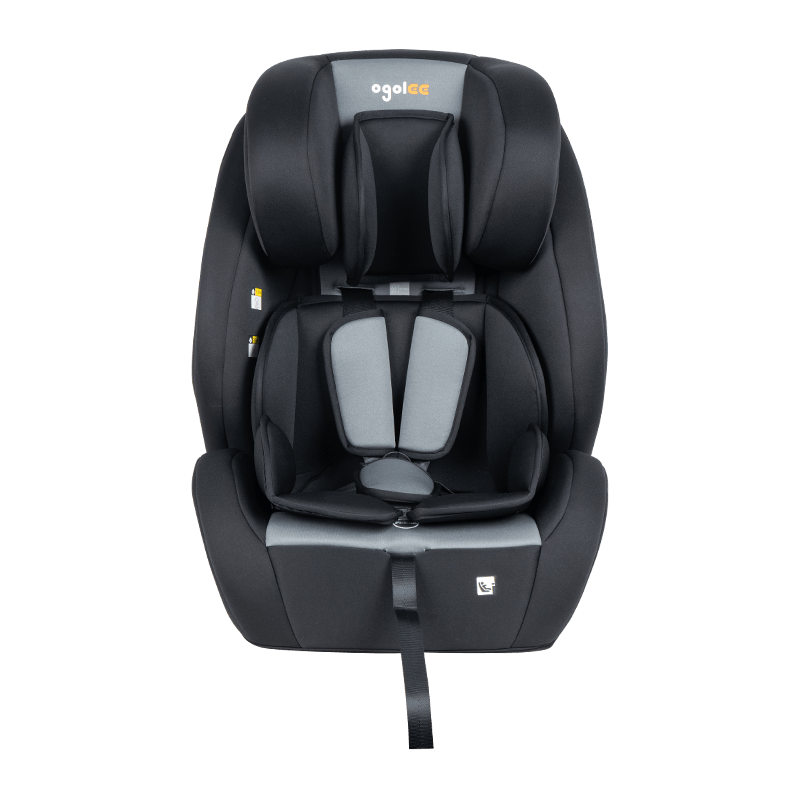
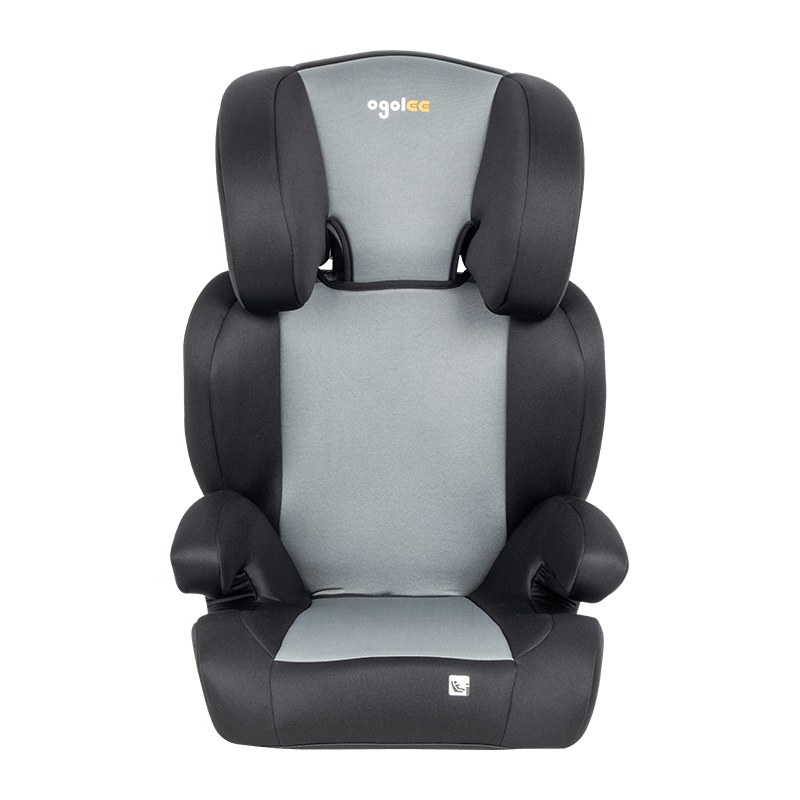
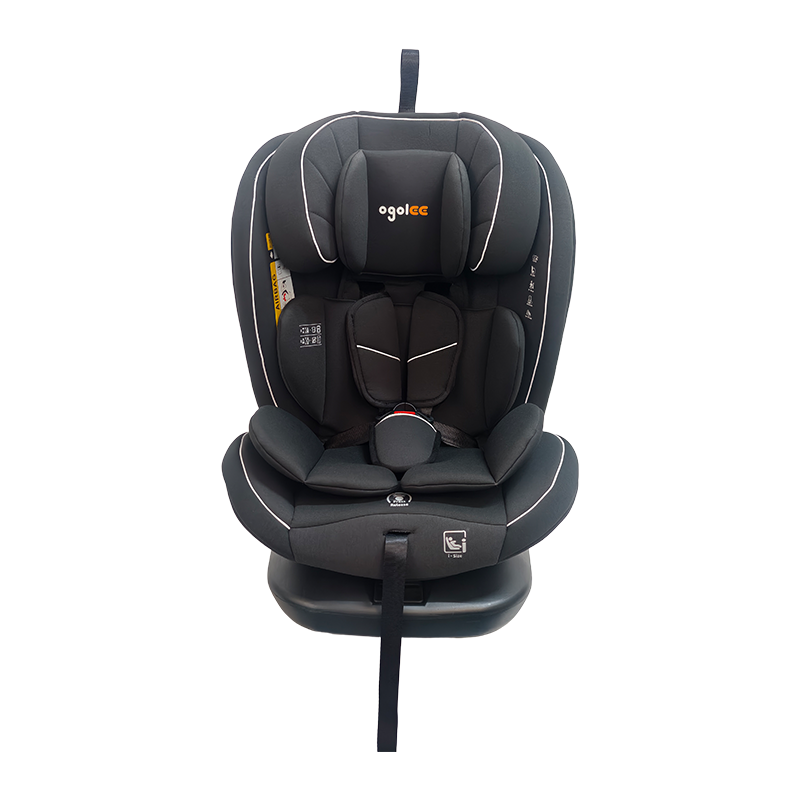
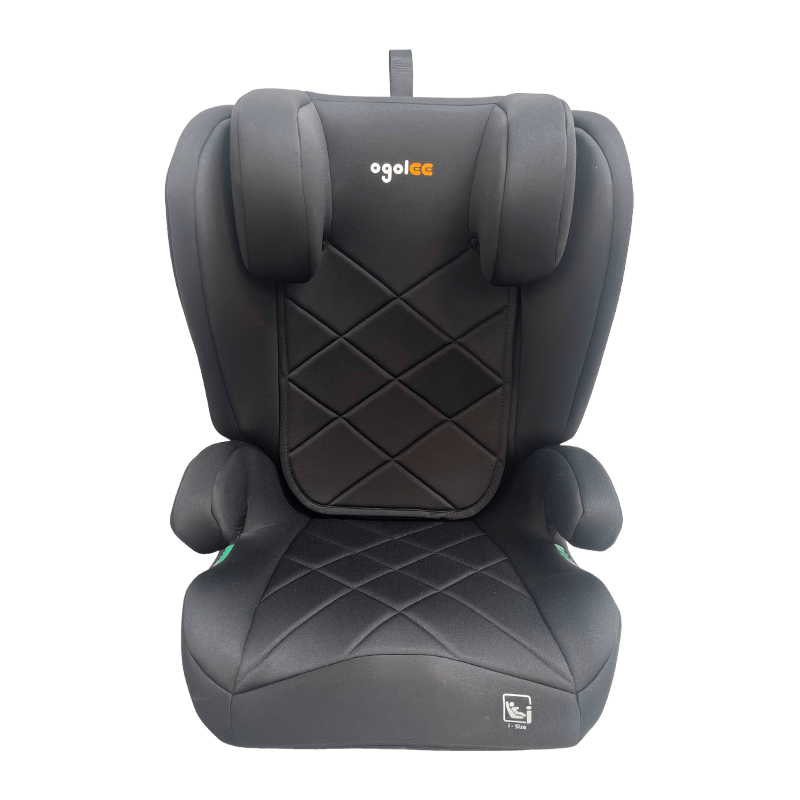
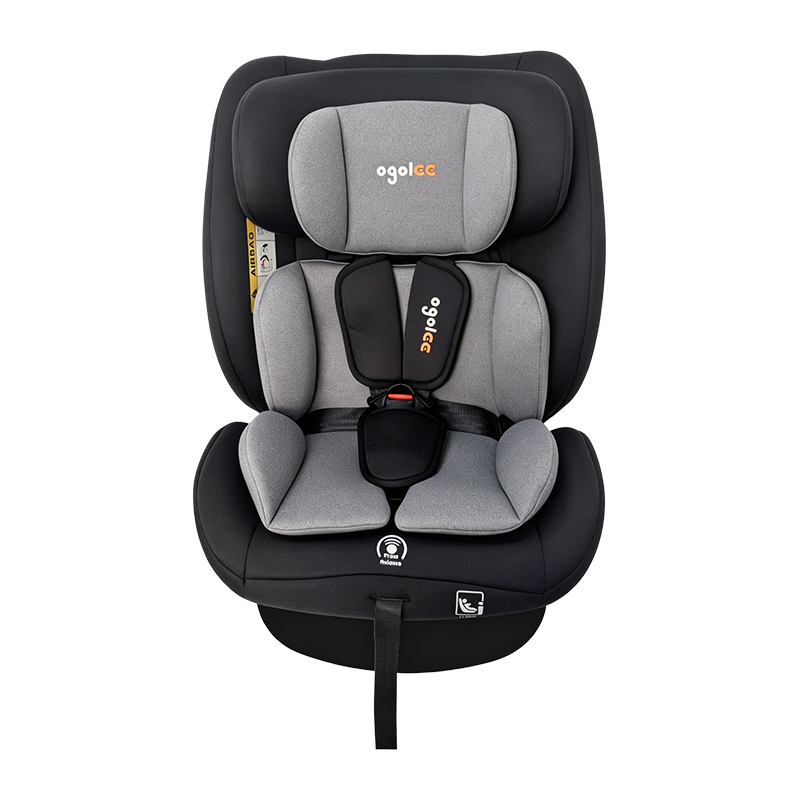
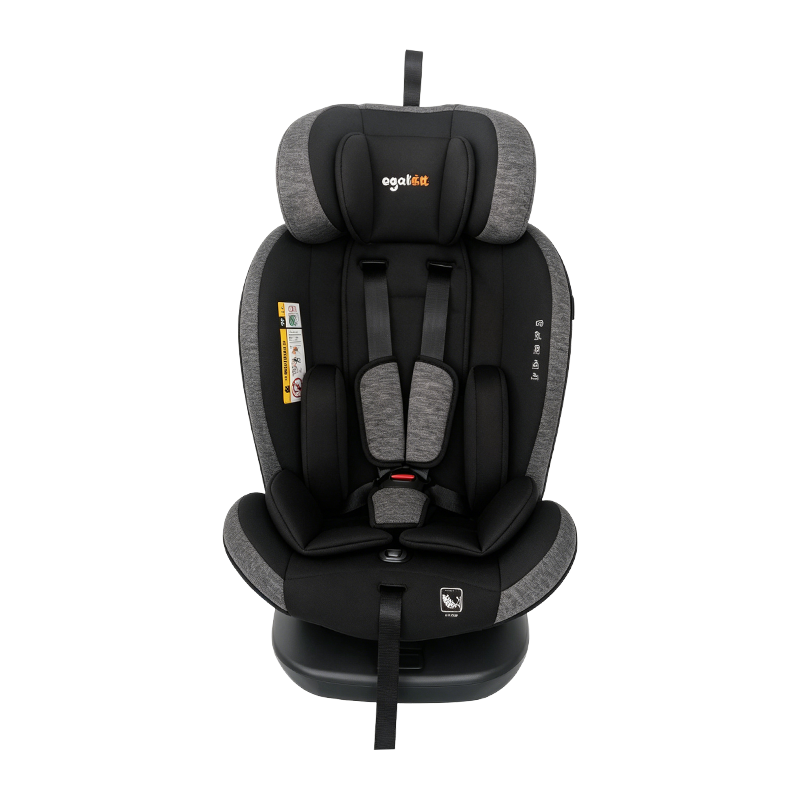
Ensuring your child's safety while traveling is one of the most critical responsibilities for parents. The R129 Baby Car Safety Seat stands as the latest standard in child safety, offering groundbreaking features that go beyond traditional safety seats.
Content
What is the R129 Baby Car Safety Seat Standard?
The R129 Baby Car Safety Seat, also known as the i-Size regulation, is a European car safety seat standard that ensures maximum protection for children in the event of a car crash. This regulation was introduced to improve the safety of children in vehicles by addressing shortcomings in the previous R44/04 standard.
Key Features of the R129 Standard
- Rear-Facing Position: The R129 standard mandates that children must travel in a rear-facing position until at least 15 months of age, which significantly reduces the risk of injury in a frontal collision.
- Side-Impact Protection: Enhanced side-impact protection features are required, reducing the force transferred to the child in the event of a side crash.
- Advanced Isofix System: R129 seats require a safer Isofix installation system that ensures a secure attachment to the vehicle's seat.
- Height-Based Classification: Instead of weight, the R129 regulation uses a child's height to determine the appropriate seat category, which ensures better fitting and comfort.
R129 vs. R44/04: How Do They Compare?
While both standards aim to provide safety, the R129 Baby Car Safety Seat offers several advantages over the older R44/04 regulation:
| Feature | R129 Standard | R44/04 Standard |
|---|---|---|
| Rear-Facing Requirement | Mandatory for children up to 15 months | Optional for children up to 13 kg |
| Side-Impact Testing | Required | Not required |
| Height-Based Classification | Yes | No |
| Isofix Compatibility | Mandatory for most models | Optional |
Benefits of the R129 Baby Car Safety Seat
- Improved Safety: With strict side-impact and rear-facing guidelines, the R129 standard offers a much higher level of safety for children during car journeys.
- Better Comfort: The R129 seats are designed to provide a better fit for a child's body size, offering superior comfort and minimizing the risk of injury during travel.
- Ease of Installation: With the mandatory Isofix system and simple height classification, parents can easily install the car seat securely without confusion.
- Long-Term Use: R129 seats are more adaptable to a child's growth, allowing them to stay in the same seat for a longer period.
Frequently Asked Questions (FAQ)
1. At what age should my child transition to an R129 seat?
Children should remain in rear-facing seats until at least 15 months of age. However, the transition depends on the child's height, so always check the seat's guidelines to ensure proper fit.
2. Can I use an R129 car seat in any vehicle?
R129 seats with Isofix are compatible with most modern vehicles equipped with Isofix anchor points. However, always check the car manufacturer's specifications for compatibility.
3. What happens if my car does not have Isofix?
While Isofix is the recommended method for secure installation, some R129 seats can be installed using a regular seatbelt. Always follow the manufacturer's instructions for safe installation.
4. Does the R129 seat provide protection during side impacts?
Yes, side-impact protection is a key feature of the R129 standard, ensuring that your child is better protected in the event of a side collision.
Conclusion: Why Choose the R129 Baby Car Safety Seat?
The R129 Baby Car Safety Seat represents the pinnacle of child car safety technology. Its focus on rear-facing travel, side-impact protection, and height-based classification offers parents peace of mind knowing their child is protected to the highest standards. When choosing a car seat, it is crucial to select one that not only meets regulatory standards but also ensures long-term comfort and safety for your child.