 English
 Español
 Deutsch
 русский

The safest way to travel with a car seat is to use it on the airplane for your child and then reinstall it in your vehicle at your destination, a practice that maintains the crash protection your child relies on and avoids the unknowns of a rental seat. Knowing exactly how to travel with a car seat through airports, on board aircraft, and into taxis or rental cars eliminates the anxiety that causes many parents to consider leaving the seat at home, a decision that the National Highway Traffic Safety Administration (NHTSA) warns can increase the risk of injury in a collision by up to 71 percent for children under age 4. This guide provides data‑backed strategies for flying with a car seat, checking it safely, navigating road trips, and evaluating rental alternatives, so you can make informed, safety‑first choices at every stage of the journey.
Content
- 1 Flying with a Car Seat: The Gold Standard for In‑Air Safety
- 2 Gate Checking vs. Counter Checking a Car Seat: How to Minimize Damage
- 3 Traveling with a Car Seat by Road: Installation and Long‑Drive Safety
- 4 Renting a Car Seat at Your Destination: Understanding the Risks
- 5 Comparing All the Ways to Travel with a Car Seat
- 6 Step‑by‑Step: Installing a Car Seat on an Airplane Seat
- 7 Selecting a Travel‑Friendly Car Seat
- 8 Car Seats and Taxis, Ride‑Shares, and Public Transit
- 9 Frequently Asked Questions About How to Travel with a Car Seat
- 10 Making the Journey Safer for Everyone
Flying with a Car Seat: The Gold Standard for In‑Air Safety
Using an FAA‑approved car seat on the airplane is the only method that provides a familiar, crash‑tested restraint system for your child during taxi, takeoff, turbulence, and landing. The Federal Aviation Administration (FAA) strongly recommends that children weighing under 40 pounds be secured in a child restraint system (CRS) that bears a label stating “This restraint is certified for use in motor vehicles and aircraft.” Although children under age 2 can legally sit on a parent’s lap, the FAA Advisory Circular 120‑87C cautions that lap children are at risk of injury from unexpected clear‑air turbulence, which the National Transportation Safety Board reports causes an average of 58 injuries annually on U.S. carriers, with unrestrained children disproportionately affected.
To travel with a car seat on a plane, you must purchase a separate seat for your child and install the car seat in the aircraft seat exactly as you would in a vehicle, using the aircraft seat belt. The car seat must have a harness and be no wider than 16.5 inches at the base to fit most economy seats, a measurement you can verify in the product manual. Rear‑facing seats should be used for infants and toddlers per the American Academy of Pediatrics (AAP) recommendation, and they must be installed in a window seat so they do not block egress. Flight attendants are trained to check for the FAA label; showing it to them during boarding speeds the process and ensures compliance.
Gate Checking vs. Counter Checking a Car Seat: How to Minimize Damage
Gate‑checking your car seat exposes it to far less handling and potential impact than counter‑checking it with your luggage, which is why gate check is the preferred method when you cannot use the seat on board. A 2022 survey conducted by a child passenger safety advocacy group found that 18 percent of parents who counter‑checked their car seat reported visible damage or missing components upon retrieval, compared with 6 percent of those who gate‑checked. The baggage handling systems at major airports subject luggage to drops from heights of up to 6 feet and conveyor belt pinches that can crack the plastic shell or compress the energy‑absorbing foam, damage that is often invisible but can compromise the seat’s crash performance.
When gate‑checking a car seat, place it in a padded carrying bag or a heavy‑duty clear plastic bag that allows baggage handlers to see what it is and treat it accordingly. Always secure loose straps with the harness clips and attach a tag with your name, phone number, and flight information. Collect the seat at the aircraft door upon arrival and inspect it immediately for cracks, fraying, or bent hardware. If any damage is found, report it to the airline before leaving the airport; carriers are generally liable for damage to gate‑checked items, but a claim is much harder to pursue after you have left the premises.
Traveling with a Car Seat by Road: Installation and Long‑Drive Safety
For road trips, the single most important step when you travel with a car seat is to verify that it is installed tightly enough that it cannot be moved more than 1 inch side‑to‑side or front‑to‑back at the belt path. NHTSA data indicates that nearly half of all car seats are installed with at least one critical error, and that correct installation reduces the risk of fatal injury by 71 percent for infants and 54 percent for toddlers in passenger cars. Before a long trip, check that the seat’s harness straps are at the correct height (at or below the shoulders for rear‑facing, at or above for forward‑facing) and that the chest clip is positioned at armpit level.
During the drive, plan to stop every 2 to 3 hours to allow your child to move outside the seat. While the car seat is the safest place for a child in a moving vehicle, prolonged immobility can cause discomfort and irritability, but never remove a child from the seat while the car is in motion. If you are traveling through areas with extreme heat, shield the seat’s buckle and plastic surfaces from direct sunlight during stops; a study by the University of Georgia found that a car seat buckle left in the sun can reach 160 degrees Fahrenheit in 30 minutes, hot enough to cause a second‑degree burn in under one second of contact with a child’s skin.
Renting a Car Seat at Your Destination: Understanding the Risks
Renting a car seat from a car rental agency carries three significant risks: unknown crash history, missing or mismatched parts, and cleanliness issues that have been documented by independent consumer testing. A 2023 undercover investigation by a consumer watchdog organization examined 40 rental car seats across four major U.S. airports and found that 22 percent had expired dates stamped on the shell, 15 percent were missing the required locking clip or manual, and 28 percent showed visible mold or heavy soiling on the harness. Because rental agencies typically clean seats between uses with harsh chemicals that can degrade harness webbing over time, the structural integrity of a heavily used rental seat is uncertain.
If you must rent a car seat, arrive with time to inspect it thoroughly. Check the manufacture date and the expiration date stamped on the plastic shell; most seats expire 6 to 10 years after manufacture because the plastic degrades. Verify that all the labels are legible, that the harness adjusts smoothly, and that the seat comes with a base if your child’s seat requires one. Ask the rental agent for the seat’s instruction manual; if none is available, do not accept the seat. The cost of renting a car seat ranges from $12 to $18 per day, which can quickly exceed the price of a new lightweight travel seat over the course of a week‑long trip, further tilting the economic argument toward bringing your own.
Comparing All the Ways to Travel with a Car Seat
Choosing how to travel with a car seat involves balancing crash protection, convenience, and cost, and the table below quantifies these trade‑offs based on safety data, airline policies, and user surveys.
| Method | Crash Protection During Flight | Protection at Destination | Risk of Damage or Unknown History | Approximate Cost (1‑week trip) | Best For |
|---|---|---|---|---|---|
| Bring on plane and use on board | Highest; same as in a car | Same as home installation | None if seat stays with you | Cost of child’s ticket | Children under 40 lb, long flights |
| Gate‑check car seat | None; child is lap‑held or in seat belt | Same as home, if undamaged | Low (6% reported damage) | $0–$25 for protective bag | Families avoiding a second ticket |
| Counter‑check car seat with luggage | None | Potentially compromised | Moderate (18% reported damage) | Baggage fee may apply | Least recommended; emergency only |
| Rent a car seat from rental agency | Not applicable (seat not used in air) | Unknown crash and maintenance history | High (unknown history, possible expired seat) | $84–$126 for 7 days | Short trips when own seat cannot be transported |
| Use FAA‑approved child aviation restraint harness | Good for turbulence and taxi; not for crash impact like a car seat | None; requires a car seat at destination | None if purchased new | $75–$90 purchase | Children 1+ year, 22–44 lb, who have a seat at destination |
Step‑by‑Step: Installing a Car Seat on an Airplane Seat
A properly installed car seat on an aircraft seat is secured with the lap belt only, pulled tight, and positioned so it does not obstruct the seat in front or the aisle. Follow this sequence, which mirrors FAA guidance and the advice of certified child passenger safety technicians.
- Request a window seat. The car seat must be placed in a window seat to avoid blocking other passengers’ access to the aisle. Do not install it in an exit row.
- Raise the armrest next to the window. This gives you room to position the seat and to thread the aircraft seat belt through the belt path.
- Identify the correct belt path. For rear‑facing seats, use the rear‑facing belt path, which is usually marked in blue. For forward‑facing, use the forward‑facing path. Refer to the car seat manual if the path is not immediately obvious.
- Thread the aircraft lap belt through the belt path and buckle it. Unlike a car’s lap‑shoulder belt, the aircraft seat belt has a lift‑lever buckle. Pull the tail of the belt to tighten it until the seat moves less than 1 inch at the belt path.
- Lower the window seat armrest once the seat is secure. If the armrest cannot be lowered fully due to the width of the car seat, you may need to adjust the seat’s position slightly or, for a very wide seat, request to be moved to a bulkhead row where armrests are fixed, though such seats often have non‑movable armrests that block installation.
- Double‑check the harness. The child’s harness should be snug with the chest clip at armpit level, exactly as it would be in a motor vehicle. Flight attendants will visually inspect the setup before takeoff.
Selecting a Travel‑Friendly Car Seat
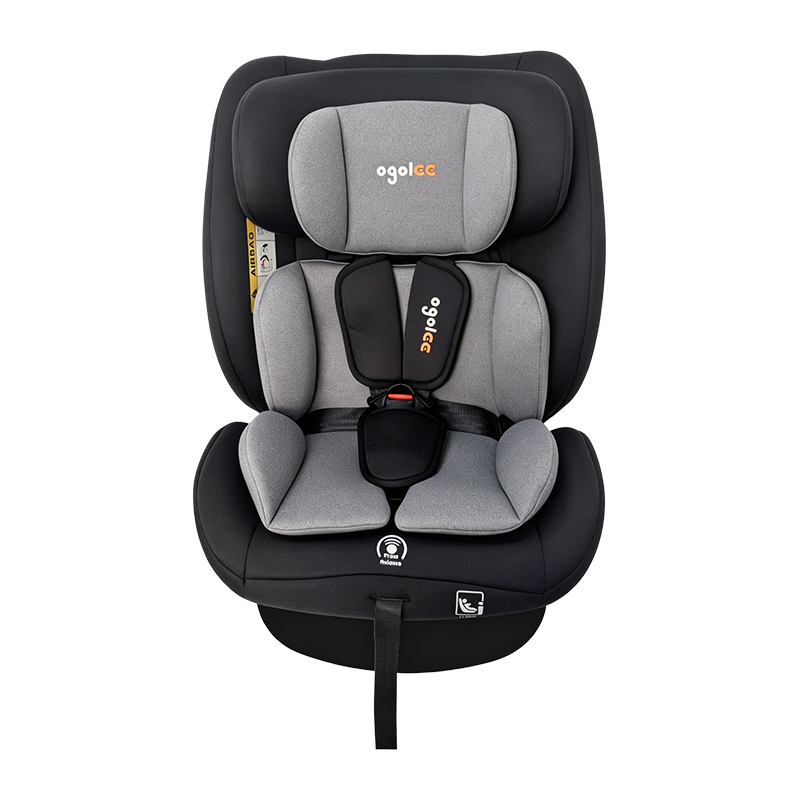
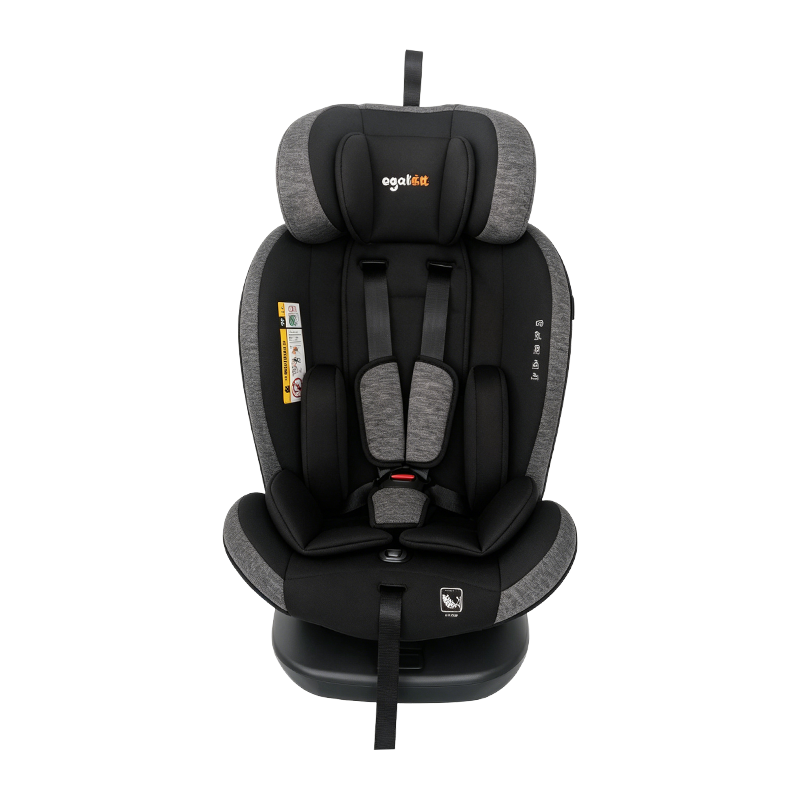
A car seat that weighs less than 15 pounds, installs quickly with a seat belt, and carries an FAA approval label makes the logistics of air travel significantly more manageable. Convertible seats are often heavy and bulky; a dedicated lightweight travel seat can be carried through the terminal in a backpack‑style bag or strapped to a rolling carry‑on with a luggage strap. When you travel with a car seat, a narrow footprint is equally important: a base width of 17 inches or less fits most airline economy seats without forcing the armrest up at an angle that destabilizes the installation. Many parents also choose an infant carrier that snaps into a stroller frame for the airport, then serves as the rear‑facing restraint on the aircraft, streamlining the connection between gate and boarding.
In a taxi or ride‑share, your child must be in an appropriate car seat unless you are in a jurisdiction that exempts for‑hire vehicles, and even where legal, riding without a seat puts your child at the same crash risk as in a private car. The Insurance Institute for Highway Safety (IIHS) confirms that the force of a frontal collision at 35 miles per hour is identical whether the car is a yellow cab or a private sedan. When you travel with a car seat, plan how you will install it quickly in a vehicle that pulls up curbside. A seat with a European belt routing or a built‑in lock‑off can be installed securely in under 60 seconds without a locking clip, which is a major advantage when the driver is waiting. For buses and trains where car seat installation is not possible, try to seat your child away from the aisle and use the available lap belt if one is provided, but understand that these modes lack the same occupant protection standards as passenger vehicles.
Frequently Asked Questions About How to Travel with a Car Seat
Can I use a booster seat on an airplane?
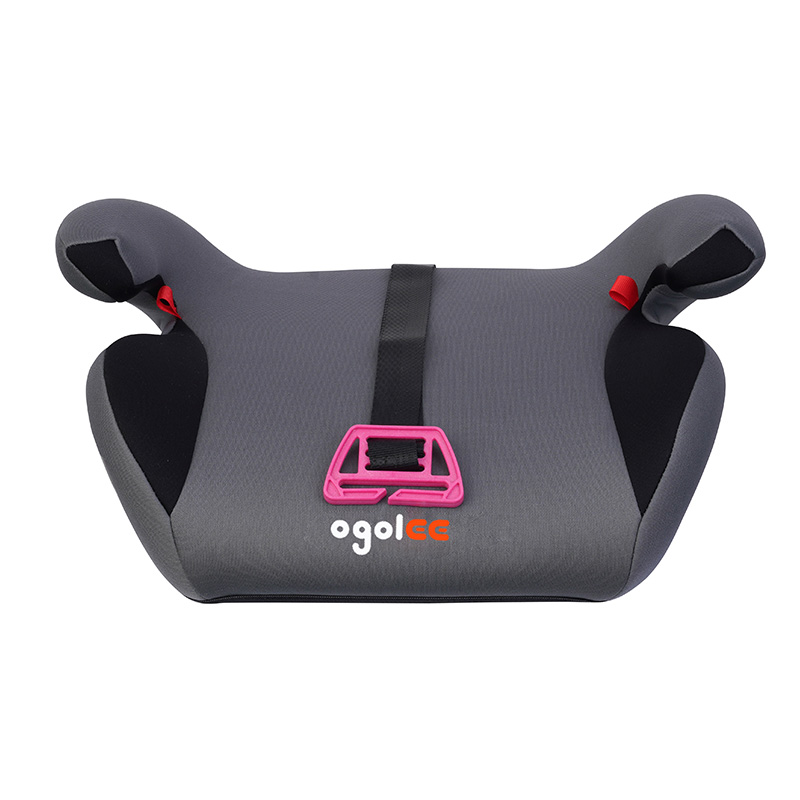
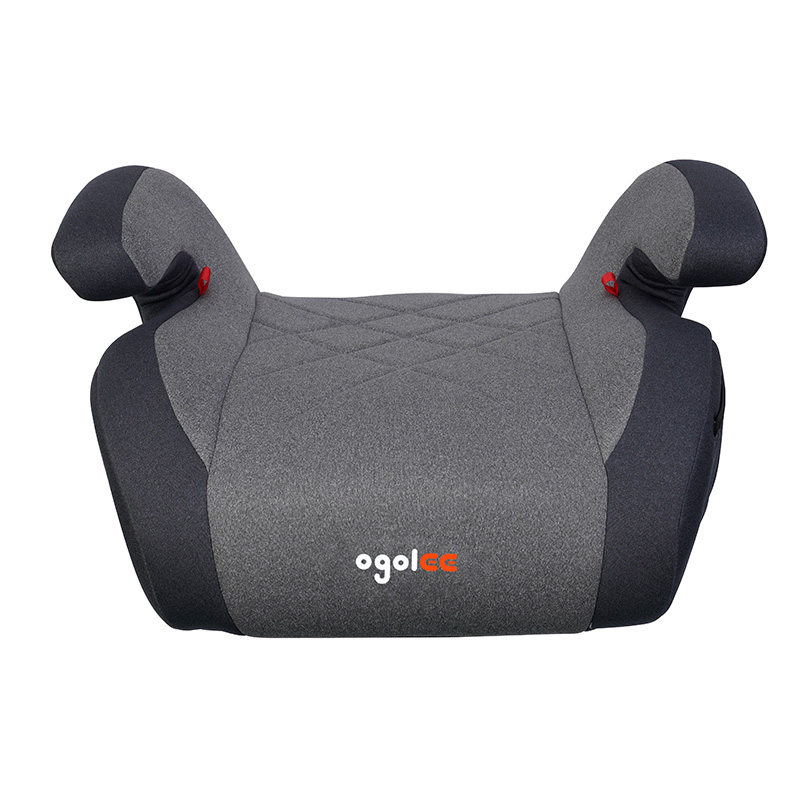
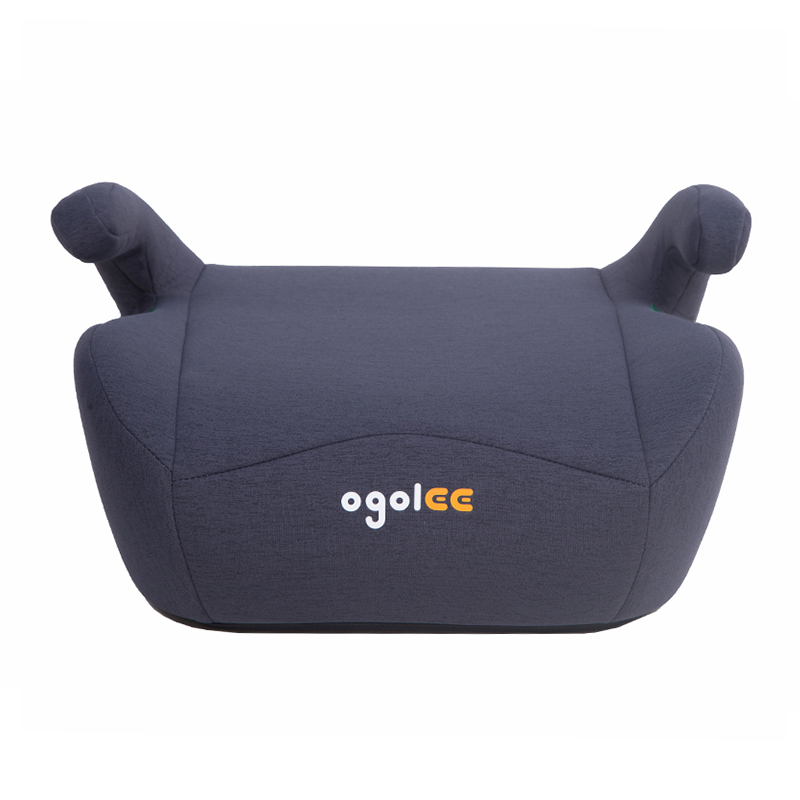
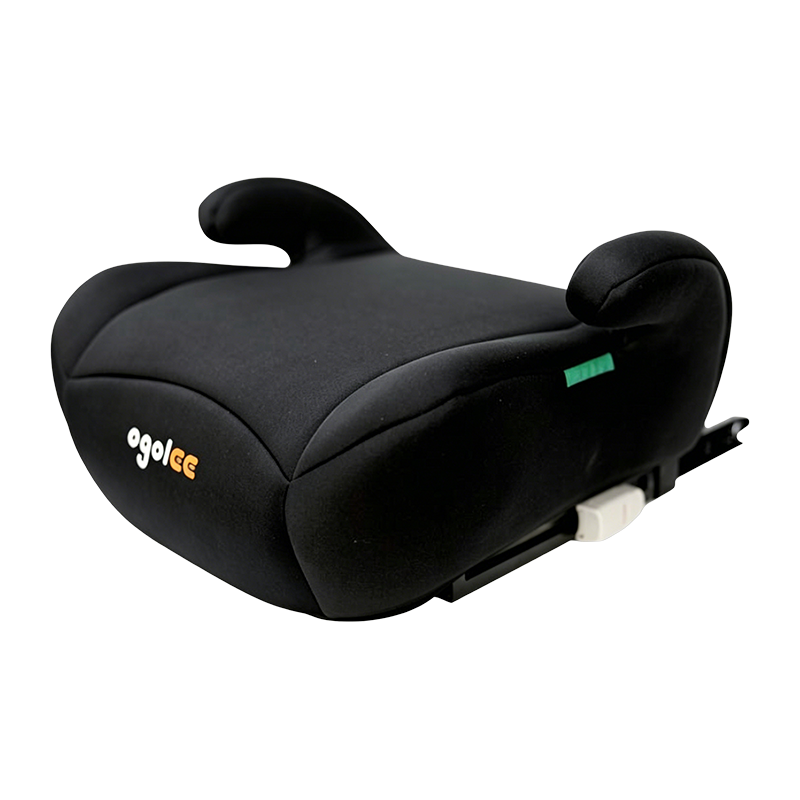
No. Booster seats are not approved for aircraft use because they rely on a shoulder belt, which aircraft seats do not have in most cabins. When you travel with a car seat that is a booster, you must check it and use the aircraft seat belt directly on your child. Children who have outgrown a harnessed car seat by height or weight should use the standard aircraft lap belt, with the understanding that it does not provide the upper‑body restraint a shoulder belt would offer in turbulence.
Does a car seat count as a carry‑on item?
No. When you travel with a car seat and use it for your child on the plane, it is not counted against your carry‑on allowance. If you gate‑check the seat, it is also not counted, as most airlines exempt child restraint systems from baggage limits. However, if you counter‑check the seat at the ticket counter, it is treated as a checked bag and is subject to the airline’s checked baggage policy and fees unless the airline explicitly exempts it.
What if my car seat is damaged by the airline?
File a claim at the airport immediately. Under the U.S. Department of Transportation’s regulations, airlines are liable for damage to gate‑checked or counter‑checked items up to a certain liability limit. Take photos of the damage and keep the seat until the claim is resolved. Do not use a car seat that has been visibly damaged or that has traveled as checked baggage in a soft‑sided bag without any protective padding, because the force of baggage handling can cause hairline cracks that are invisible to the eye but that compromise the seat’s structural integrity in a crash.
Can I bring a car seat on an international flight?
Yes, but you must check that the seat is approved for use under the aviation authority of the country you are flying with or to. Most countries accept an FAA‑approved seat, but some, such as those following European Union Aviation Safety Agency (EASA) regulations, require a seat that meets their own certification standards. Look for a label that states compliance with the applicable standard, such as the EU ECE R44 or R129 label. If your seat is not approved at the destination, you will need to plan an alternative for ground transportation upon arrival.
Making the Journey Safer for Everyone
Learning how to travel with a car seat is a skill that pays dividends in safety and peace of mind on every trip, whether it is a cross‑country flight or a weekend drive. The evidence consistently shows that using your own car seat on the airplane and in the vehicle at your destination eliminates the unknowns of rental equipment, protects against turbulence and crashes, and maintains the familiar restraint environment that helps children stay settled during long journeys. By selecting a lightweight, FAA‑approved seat, practicing a quick seat‑belt installation, and carrying a padded protective bag for gate‑checking when needed, you transform what can feel like a cumbersome piece of gear into the single most important safety investment you bring along. A properly restrained child is not just comfortable—they are protected by the same engineered crash forces management that has made car seats one of the most effective public health interventions in the history of motor vehicle travel.