 English
 Español
 Deutsch
 русский

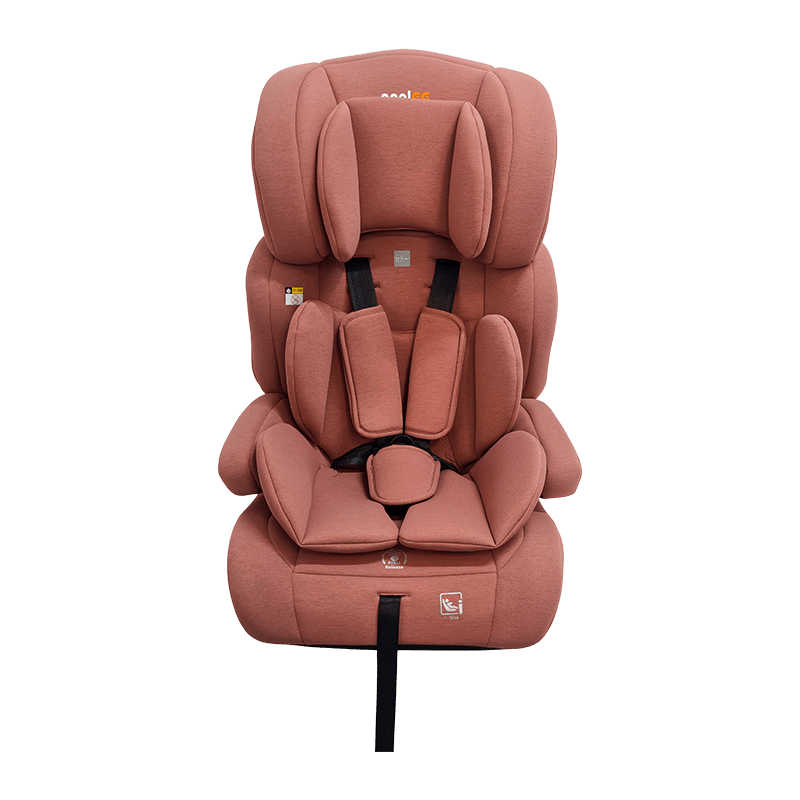
The most responsible ways to get rid of old car seats are to recycle them through a specialized program, donate them if they are unexpired and undamaged, participate in a trade-in event, or disassemble the seat yourself to separate the recyclable metal, plastic, and fabric components from the landfill-bound foam and harness straps. Simply placing an old car seat in your regular curbside trash bin is often prohibited by local waste management rules because the bulky mixed-material construction jams sorting equipment and takes up significant landfill volume. According to the U.S. Environmental Protection Agency (EPA), durable goods and non-durable plastic products together account for over 35 million tons of municipal solid waste generated each year, and car seats—composed of rigid polypropylene shells, steel frames, polyester padding, and nylon webbing—are a perfect example of an item that requires deliberate effort to divert from the landfill. Understanding exactly how do you get rid of old car seats in a way that balances safety, legality, and environmental impact involves navigating a patchwork of local regulations, safety standards, and available recycling infrastructure.
Content
- 1 1. Recycling Old Car Seats: The Most Environmentally Responsible Path
- 2 2. Donating Usable Car Seats: Safety Is the Deciding Factor
- 3 3. Trade-In Programs: Getting Value While Disposing Responsibly
- 4 4. Municipal Bulk Waste and Special Collection Events
- 5 5. Disassembling the Car Seat Yourself for Component Recycling
- 6 6. When Landfill Disposal Is the Only Remaining Option
- 7 Frequently Asked Questions About Getting Rid of Old Car Seats
1. Recycling Old Car Seats: The Most Environmentally Responsible Path
Recycling is the most environmentally responsible method to get rid of an old car seat because roughly 80% of the materials by weight, including the steel frame, rigid polypropylene shell, and many plastic clips, can be recovered and remanufactured into new products. The process is not as simple as placing the seat in a curbside recycling cart; standard municipal recycling facilities are not equipped to handle large, multi-material items. Instead, a growing number of specialized car seat recycling programs have emerged. These programs, often operated by local solid waste districts or in partnership with retailers, accept used car seats at designated drop-off locations or during collection events. Trained workers then manually disassemble each seat, separating the metal components for scrap metal recycling, the number 5 polypropylene plastic shell for plastic recycling, and the foam and fabric components for energy recovery or, in some cases, textile recycling. The steel from a single old car seat can yield roughly 5 to 8 pounds of recyclable metal, and the polypropylene shell can be pelletized and injection-molded into new plastic products. According to a 2022 pilot study conducted by the Oregon Department of Environmental Quality, a single car seat recycling event collected over 1,200 seats, diverting an estimated 12,000 pounds of material from landfills in a single weekend. To find a recycling option near you, contacting your local solid waste management district or searching for "car seat recycling" plus your county name will typically reveal upcoming collection events or permanent drop-off sites.
2. Donating Usable Car Seats: Safety Is the Deciding Factor
Donating an old car seat is only an option if the seat meets strict safety criteria: it must not have passed its expiration date, must never have been involved in a moderate or severe crash, must have all original parts and labels intact, and must not be subject to any active safety recalls. Car seats have a limited service life because the plastic shell degrades over time due to UV exposure and temperature cycling, and the foam padding loses its impact-absorbing properties. Most manufacturers stamp an expiration date on the back or bottom of the seat, typically 6 to 10 years from the date of manufacture. A seat that has expired is not safe for continued use and must be recycled or disposed of, never donated. If the seat passes all the safety checks, several types of organizations will accept it. Women's shelters, crisis pregnancy centers, and family service agencies often need car seats for families transitioning out of homelessness or fleeing domestic violence. Local foster care support organizations also accept donations to provide seats for children entering care. Before donating, the seat must be thoroughly cleaned according to the manufacturer's instructions, and the donor should provide the original manual if available. It is critical to understand that mainstream thrift stores such as Goodwill and The Salvation Army typically do not accept used car seats for resale due to the liability associated with unknown crash history, so calling ahead to confirm acceptance is essential before making the trip.
3. Trade-In Programs: Getting Value While Disposing Responsibly
Many national retailers and baby product stores periodically offer car seat trade-in events, where you can bring in an old seat of any brand or condition and receive a coupon or discount credit toward the purchase of a new seat, stroller, or other baby gear. During these events, the collected seats are processed by a recycling partner who disassembles them and recycles the component materials. The appeal of this method for anyone asking how do you get rid of old car seats is that it solves two problems simultaneously: the old seat is responsibly recycled, and the replacement seat is purchased at a meaningful discount, typically 20% to 25% off. These events generally occur once or twice per year, and the dates are advertised in advance through the retailer's website and in-store signage. The seats accepted include infant carriers, convertible seats, booster seats, and sometimes bases, regardless of their age or condition. Because the retailer handles the entire recycling chain, this is one of the most convenient and cost-effective pathways for families upgrading from an infant seat to a convertible seat or from a harnessed seat to a booster.
4. Municipal Bulk Waste and Special Collection Events
Most municipalities will accept an old car seat through their scheduled bulk waste collection service or at a designated transfer station, but the seat often must be rendered unusable—cutting the harness straps and removing the cover—before it will be collected as trash. The rules vary widely by location. Some cities allow residents to place a car seat next to the regular trash cart on a designated bulk pickup day, while others require the seat to be bagged or disassembled. To determine the specific requirements in your area, contact your local solid waste department or visit their website. Many communities also hold special waste collection events several times per year that accept items not allowed in regular curbside pickup, including electronics, tires, and bulky plastics, and car seats are frequently included on the list of accepted materials. These events sometimes charge a nominal fee, typically $5 to $15 per seat, which covers the cost of manual disassembly and recycling. If your municipality offers this service, it is a straightforward way to get rid of old car seats without the research and effort required to find a specialist recycler.
5. Disassembling the Car Seat Yourself for Component Recycling
If no specialized recycling program is accessible, you can manually disassemble the old car seat into its separate material streams and recycle each component individually through your local metal, plastic, and textile recycling channels. This approach requires a few basic tools—a Phillips screwdriver, a flathead screwdriver or pry tool, and a pair of sharp scissors—and about 30 minutes of labor. The disassembly process involves the following steps:
- Remove the fabric cover and padding. Unsnap or unzip the cover from the plastic shell, and cut it away if necessary. The cover fabric and underlying foam padding are generally not recyclable through curbside programs and must be discarded as trash, though some textile recycling drop-off bins will accept clean fabric and foam.
- Cut off the harness straps and remove the chest clip. Using heavy-duty scissors, cut the webbing straps to permanently disable the seat and prevent anyone from attempting to reuse a potentially unsafe seat. The nylon webbing is not recyclable and should be thrown away. The plastic chest clip and buckle can be recycled if they are marked with a resin identification code accepted by your local program.
- Remove the plastic shell from the metal frame. Most convertible car seats have a rigid plastic backrest and base that are bolted or snapped onto a tubular steel or aluminum frame. Unscrew all visible screws and pry the plastic components away from the metal. The metal frame is highly recyclable and can be taken to a scrap metal yard or placed in your curbside metal recycling cart if your hauler accepts metal items.
- Separate the rigid plastic shell pieces. The large polypropylene shell pieces usually carry a number 5 resin code stamped into the plastic. If your community accepts number 5 plastics—either curbside or at a drop-off—these shells can be placed in the recycling stream. If number 5 plastic is not accepted locally, these pieces will unfortunately need to go into the trash.
6. When Landfill Disposal Is the Only Remaining Option
If recycling, donation, and trade-in are not available in your area and the seat is expired or damaged, landfill disposal is the final resort, but the seat must be properly prepared so that it is clearly identifiable as unusable and cannot be picked from the trash by someone who might install it for a child. This preparation is critical because discarded car seats that appear functional are sometimes scavenged and reused by unknowing individuals, putting a child at risk in an unsafe restraint. To prepare an old car seat for landfill disposal, perform the following steps:
- Cut all harness straps into short pieces so they cannot be reattached or used. Remove the chest clip and crotch buckle and discard them separately from the seat.
- Remove the fabric cover and padding and place them in a separate trash bag. This not only signals that the seat is not usable but also reduces the volume of the seat in the landfill.
- Write "EXPIRED" or "DO NOT USE" directly on the plastic shell with a permanent marker, in large letters on both the front and back of the seat.
- If possible, break the shell by stepping on it or striking it with a sledgehammer to crack the plastic, making the seat obviously unusable.
- Bag the seat components in a dark-colored trash bag to obscure the contents and place it in your regular garbage, complying with your local weight and size limits for trash collection.
| Disposal Method | Best For | Environmental Impact | Cost | Key Consideration |
|---|---|---|---|---|
| Specialized Recycling | Any seat, any condition | Excellent; material recovery | Free or small event fee | Limited geographic availability |
| Donation | Unexpired, crash-free, intact seats | Good; extends product life | Free | Must meet strict safety criteria; many charities refuse car seats |
| Retailer Trade-In | Any seat, any condition | Excellent; retailer handles recycling | Free; provides discount coupon | Available only during specific event dates |
| Municipal Bulk Waste | Expired or damaged seats | Poor; landfill disposal | Free with regular service | Must follow preparation rules; not all cities accept |
| Self-Disassembly & Recycling | Any seat where local recycling exists for components | Good; partial material recovery | Free (your labor) | Requires time, tools, and knowledge of local recycling rules |
Frequently Asked Questions About Getting Rid of Old Car Seats
Can I just throw an old car seat in the regular trash?
In most municipalities, you can place an old car seat in the regular trash if you have prepared it properly by cutting the harness straps, removing the cover, and marking the shell as expired or unusable. However, some cities prohibit large, bulky plastic items from regular trash collection and require them to be set out on a designated bulk collection day or brought to a transfer station. Check your local solid waste regulations before placing the seat in the bin. Even when it is permitted, sending an old car seat directly to the landfill should be considered the last resort due to the long decomposition timeline of the plastic and the loss of recyclable metal and plastic materials.
Why can't I donate an expired car seat if it looks perfectly fine?
Car seats expire because the plastic shell degrades over time from UV radiation, temperature extremes inside a vehicle, and general wear. An expired seat may have microfractures in the plastic that are invisible to the naked eye, and the energy-absorbing foam may have hardened, reducing its ability to protect a child in a crash. Additionally, an expired seat may not meet current safety standards, and replacement parts are no longer available. Donating an expired old car seat transfers these unknown risks to the next user and could put a child in danger. Responsible donation requires that the seat be within its service life and in full compliance with current safety standards.
What should I do with a car seat that has been in a car crash?
A car seat that has been involved in a moderate or severe crash must not be reused, donated, or resold. The force of the collision can stretch the harness webbing, crack the plastic shell, and compress the foam in ways that are not visible. The National Highway Traffic Safety Administration (NHTSA) recommends replacement after any moderate or severe crash, but the seat may still be used after a minor crash that meets all five specific NHTSA criteria. If the seat must be replaced, dispose of it through a recycling program or, if no recycling is available, render it completely unusable and place it in the trash as described above.
Are there mail-in recycling programs for car seats?
Yes, a few private recycling companies offer mail-in car seat recycling services. For a fee—typically between $30 and $60—they will send you a prepaid shipping label and a box, and you mail the seat to their facility where it is disassembled and recycled. This option is particularly useful for families in rural areas without access to local recycling events or retail trade-in programs. However, the cost and the carbon footprint of shipping a bulky seat must be weighed against the benefit of diverting it from the landfill.
Figuring out how do you get rid of old car seats requires balancing convenience, environmental responsibility, and child safety. The ideal path—recycling through a specialist program or a retailer trade-in event—diverts valuable materials from the waste stream and ensures the seat can never be used unsafely again. Donation extends the seat's useful life but demands rigorous attention to expiration dates and crash history. When no other option exists, proper preparation for landfill disposal is the final safeguard that protects other children from a seat that is no longer fit for purpose. Whichever method you choose, the effort you invest in responsible disposal is a direct investment in both community safety and resource conservation.