 English
 Español
 Deutsch
 русский

The expiration date on a car seat is printed on a sticker located on the bottom, back, or side of the seat shell — and on some models it is molded directly into the plastic. Most car seats expire 6 to 10 years from the date of manufacture. Using an expired car seat puts your child at serious risk because plastic degrades, safety standards change, and crash testing cannot guarantee protection beyond the manufacturer's rated lifespan. This guide tells you exactly where to look, what the label says, and what to do when the date has passed.
Content
- 1 Where Exactly Is the Expiration Date on a Car Seat?
- 2 Expiration Date Location by Car Seat Type
- 3 Why Do Car Seats Expire?
- 4 How Long Do Different Car Seats Last?
- 5 Car Seat Lifespan and Label Location Comparison
- 6 How to Calculate Your Seat's Expiration Date
- 7 What to Do with an Expired Car Seat
- 8 Is It Safe to Use a Secondhand Car Seat?
- 9 Frequently Asked Questions
- 9.1 Is the expiration date the same as the manufacture date on a car seat?
- 9.2 What if the expiration sticker has fallen off my car seat?
- 9.3 Does a car seat expire faster in a hot climate?
- 9.4 Can a car seat expire before it is first used?
- 9.5 Is it illegal to use an expired car seat?
- 9.6 Do car seat bases expire at the same time as the carrier?
- 9.7 Where can I find the expiration date if the seat is already installed in the car?
- 9.8 How do I register my car seat to be notified of recalls?
Where Exactly Is the Expiration Date on a Car Seat?
The expiration date is almost always printed on a white or silver sticker affixed to the underside, rear panel, or one of the sides of the hard plastic seat shell. There is no single universal location because manufacturers place the label wherever space and design allow. However, there are four reliable spots to check:
1. The Bottom of the Seat
The most common location. Remove the seat from your vehicle and flip it over. Look for a rectangular sticker that includes the manufacture date, model number, and expiration or "do not use after" date. Some manufacturers stamp the expiration date directly into the plastic near this sticker.
2. The Back of the Seat Shell
Many infant car seats and convertible seats carry the label on the rear-facing back panel. This is often visible when the seat is installed in the vehicle — look behind the headrest area or near the lower LATCH connectors.
3. The Side of the Seat
Some booster seats and all-in-one seats place the label on the left or right side panel of the shell, typically near the cup holder recess or LATCH belt path. Run your hand along both sides and look for raised text or a printed sticker.
4. Molded Directly into the Plastic
Some manufacturers emboss or mold the manufacture date and expiration date into the seat's hard plastic rather than using a sticker. This text is typically found on the bottom shell or along the rear edge. It may be raised (embossed) or recessed (debossed) and can be hard to read in poor light — use your phone's flashlight to illuminate it at an angle.
What the Label Actually Says
Car seat labels do not always use the word "expiration." The label may read:
- "Do not use after [month/year]" — the most explicit wording
- "Useful life expires [date]"
- "Expiration date: [date]"
- "Manufacture date: [date]" only — in this case you must add the manufacturer's stated lifespan (usually 6 or 10 years) to calculate the expiry yourself
If the sticker has fallen off or is unreadable, contact the manufacturer with the model number and manufacture date to get the correct expiration date. Never guess — the stakes are too high.
Expiration Date Location by Car Seat Type
The location of the expiration date varies by seat category, so knowing what type of seat you have helps you find the label faster.
Infant Car Seats (Rear-Facing Only)
On infant bucket seats, the label is most commonly on the underside of the carry handle base or on the back panel of the shell. The base unit (if separate) may also have its own manufacture date label on the bottom. Both the carrier and the base should be checked — if either has expired, the entire system should be replaced.
Convertible Car Seats
On convertible seats (which can be used rear- and forward-facing), the label is typically on the bottom of the shell or the back surface. Because convertible seats are bulkier, the label is sometimes partially hidden by padding — remove the cover insert to check the plastic surface beneath it.
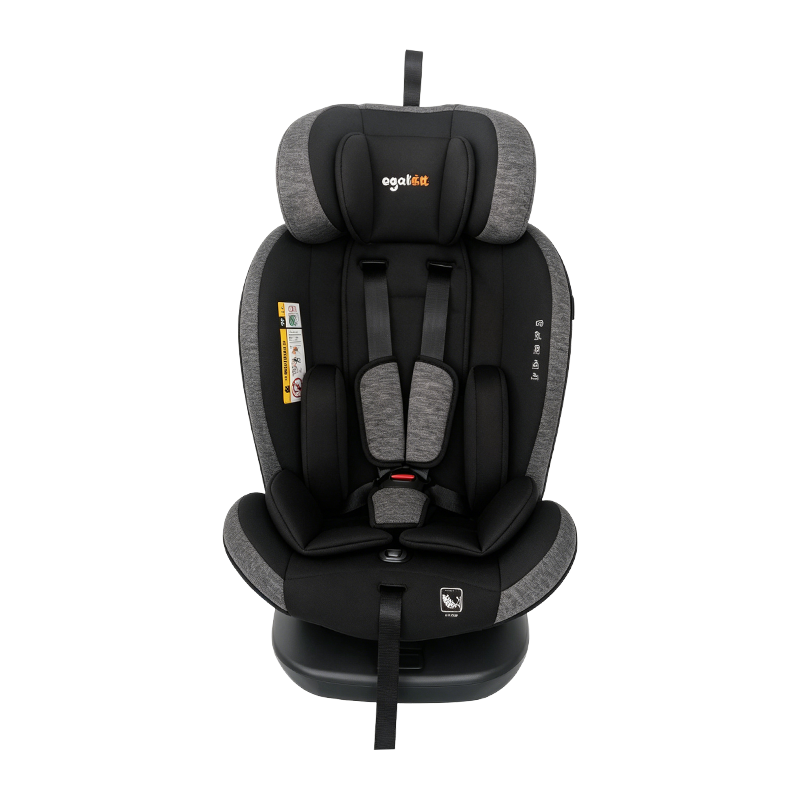
All-in-One or 3-in-1 Seats
These larger seats most frequently carry the expiration label on the side panel near the lower LATCH path or on the underside. Because these seats are heavier, check the side first before removing the seat from the vehicle.
Combination Seats (Harnessed Booster)
Combination seats that transition from a five-point harness to a belt-positioning booster typically have the label on the back or bottom of the shell. Some models include a small label inside the harness storage compartment.
Belt-Positioning Booster Seats
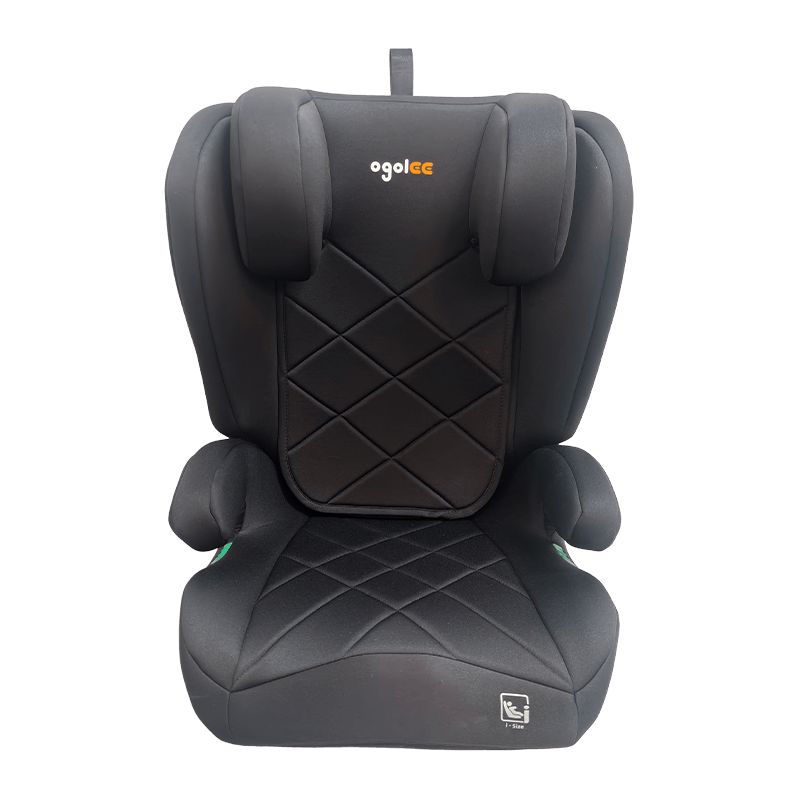
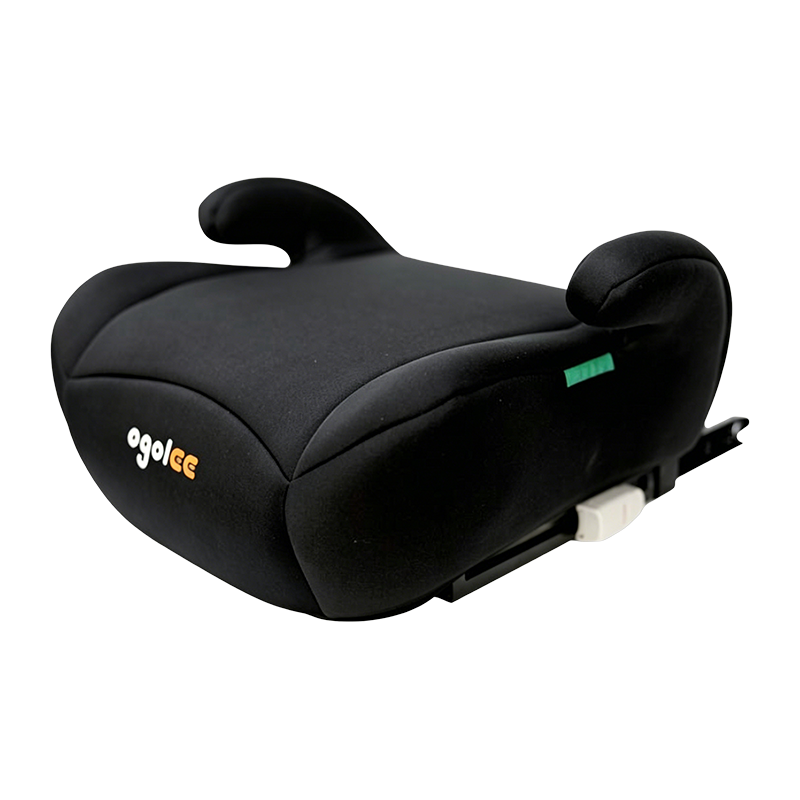
Backless and high-back booster seats generally have the label on the underside of the seat cushion or on the rear surface of the back panel. Backless boosters are the easiest — flip them over and the sticker is immediately visible on the bottom.
Why Do Car Seats Expire?
Car seats expire because the plastic degrades, safety standards evolve, and recall tracking becomes impractical beyond a certain age — not because of arbitrary commercial motives. There are four concrete reasons backed by engineering and safety data.
Reason 1: Plastic Degradation
Car seat shells are made from polypropylene and other thermoplastics that degrade when exposed to UV light, heat, and cold. A vehicle interior can reach temperatures exceeding 160 degrees Fahrenheit (71 degrees Celsius) on a hot day, accelerating polymer breakdown. Over years of thermal cycling, the plastic becomes more brittle and may crack or shatter under crash forces rather than absorbing them. Studies on aged polypropylene show measurable increases in brittleness after just 5–7 years of typical vehicle use.
Reason 2: Harness and Buckle Wear
Harness webbing, chest clips, and buckles are subject to daily mechanical stress, food contamination, UV exposure, and washing. Over time, the tensile strength of the webbing decreases. Buckle mechanisms can stick, crack, or fail to release properly. Federal Motor Vehicle Safety Standard FMVSS 213 mandates performance testing under controlled conditions, but these tests cannot predict performance of hardware that has years of real-world wear.
Reason 3: Safety Standards Change
Federal and international car seat safety standards are regularly updated. A seat manufactured 8 years ago may not meet current side-impact protection requirements, updated LATCH system standards, or the most recent head excursion limits. Using an older seat means your child may not benefit from improvements that newer standards require.
Reason 4: Recall Tracking Limitations
The National Highway Traffic Safety Administration (NHTSA) manages recalls for child restraint systems. Manufacturers are required to notify registered owners of safety recalls, but as seats age and change hands, tracking becomes difficult. An expired seat is more likely to have an unresolved recall that the current owner is unaware of. You can check any seat's recall status at nhtsa.gov/equipment/car-seats-and-booster-seats using the model number from the label.
How Long Do Different Car Seats Last?
Most car seats have a useful life of 6 to 10 years from the manufacture date, with the specific lifespan varying by seat type and construction.
Infant Car Seats: 6 to 7 Years
Infant bucket seats typically carry a 6-year expiration from the manufacture date. Because these seats are used for a shorter period (generally from birth to 9–35 lbs), they may still appear in excellent condition when they expire. Appearance is not a reliable indicator of safety — the plastic degradation that matters most is invisible to the naked eye.
Convertible Car Seats: 7 to 10 Years
Convertible seats are typically rated for 7 to 10 years. The longer lifespan reflects the seat's intended multi-year usage across the rear-facing and forward-facing stages, and the heavier-duty construction that supports a wider weight range (typically up to 65–80 lbs forward-facing).
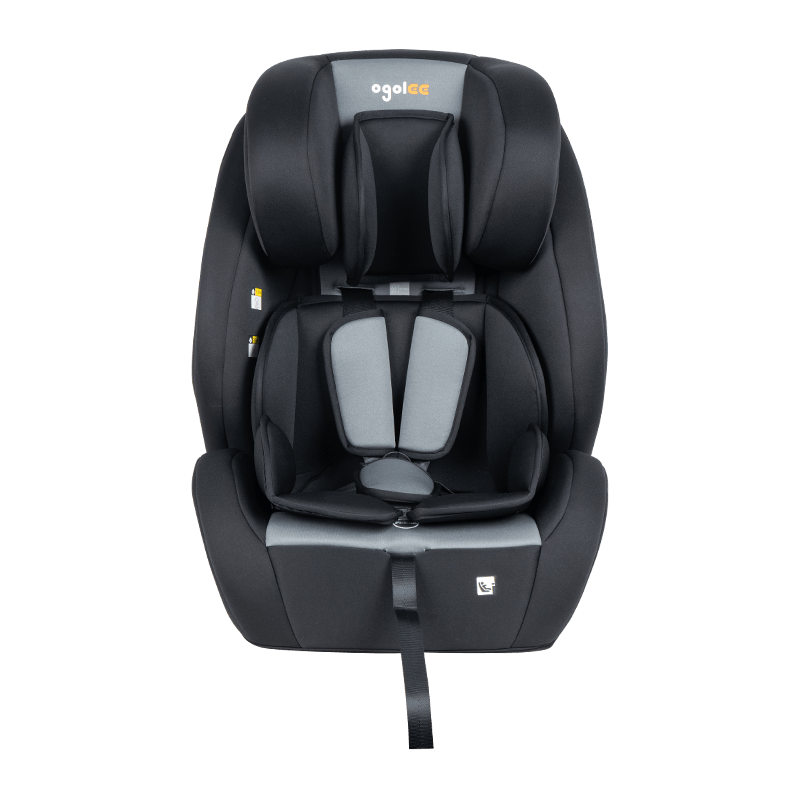
All-in-One Seats: 8 to 10 Years
All-in-one seats designed to last from infancy through the booster stage carry the longest typical lifespan of 8 to 10 years. Despite this longer window, parents should always check the specific sticker rather than assuming the maximum.
Booster Seats: 6 to 10 Years
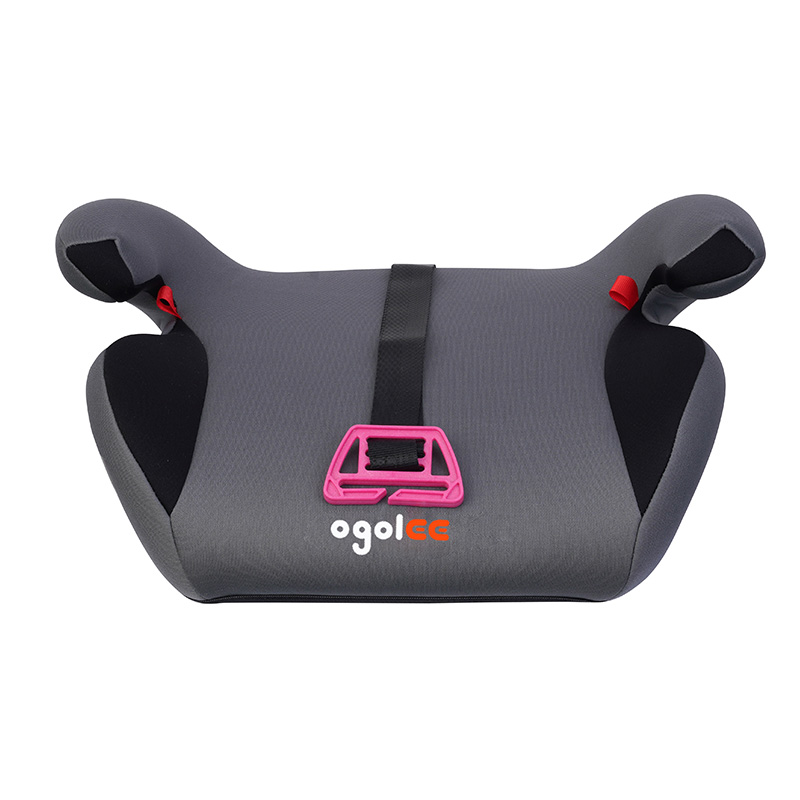
High-back and backless boosters range from 6 to 10 years depending on the manufacturer. Backless boosters, having less structural complexity, often carry a 6-year rating, while high-back boosters with adjustable headrests and integrated belt guides tend to be rated for up to 10 years.
Car Seat Lifespan and Label Location Comparison
Use this table to quickly identify where to find the expiration date and how long each seat type typically lasts.
| Seat Type | Typical Lifespan | Primary Label Location | Secondary Location | Age Range Used | Typical Weight Limit |
|---|---|---|---|---|---|
| Infant (Rear-Facing Only) | 6 years | Bottom of shell | Back panel | Birth to ~12 months | 4–35 lbs |
| Convertible | 7–10 years | Bottom of shell | Rear surface | Birth to ~4 years | 5–80 lbs |
| All-in-One (3-in-1) | 8–10 years | Side panel | Bottom of shell | Birth to ~10 years | 5–120 lbs |
| Combination (Harnessed Booster) | 6–10 years | Back of shell | Bottom of shell | ~2 to 8 years | 22–100 lbs |
| High-Back Booster | 8–10 years | Back panel | Side panel | ~4 to 10 years | 40–120 lbs |
| Backless Booster | 6 years | Bottom of cushion | Molded into plastic | ~5 to 12 years | 40–120 lbs |
Table 1: Typical lifespan and label location by car seat type. Always verify the specific date on your individual seat — manufacturer guidelines override general estimates.
How to Calculate Your Seat's Expiration Date
If your label shows only a manufacture date without an explicit expiration date, add the manufacturer's stated lifespan to the manufacture month and year to determine when the seat expires.
Step 1: Find the Manufacture Date
The manufacture date is formatted as month/year (e.g., "MFG: 07/2019" or "Manufactured July 2019"). This is not the same as the purchase date — a seat may sit in warehouse or retail inventory for months or even a year before purchase, meaning its clock started before you bought it.
Step 2: Check the Owner's Manual
The owner's manual states the seat's useful life in years. If you do not have the manual, search the manufacturer's website using the model name and number from the label. Most manufacturers publish this information in their online product documentation or FAQ pages.
Step 3: Calculate the Expiration Month
Add the lifespan to the manufacture date. For example: a seat manufactured in July 2019 with a 7-year lifespan expires in July 2026. Some manufacturers state the seat expires at the end of the month of the anniversary year — always use the conservative (earlier) date when uncertain.
Step 4: Write the Date in a Visible Spot
Once you have confirmed the expiration date, write it in permanent marker on a piece of masking tape and stick it to the inside of the seat near the harness adjustment strap. This prevents the need to remove and flip the seat every time you need to check the date in the future.
What to Do with an Expired Car Seat
An expired car seat should never be passed on, sold, or donated — it must be rendered unusable and disposed of responsibly.
Step 1: Disable the Seat
Before disposal, make the seat impossible to use again. The safest method is to cut all harness straps completely, remove the seat pad and cover, and use a permanent marker or spray paint to write "EXPIRED — DO NOT USE" in large letters on the shell. This prevents another parent from retrieving it from a dumpster and using it unknowingly.
Step 2: Check for Recycling Programs
Many large retailers run periodic car seat trade-in events where expired seats are accepted and sent to recycling facilities. These events typically occur several times a year and may offer a discount coupon toward a new seat. The recycled plastic is processed into materials such as plastic lumber and automotive parts. Check the event calendar on major retailer websites for upcoming trade-in dates in your area.
Step 3: Municipal Recycling or Curbside
If no trade-in event is available, contact your local recycling facility to ask whether they accept polypropylene (plastic type 5, commonly marked with the recycling symbol and "PP"). If curbside recycling does not accept car seats, place the disabled seat in the regular trash. Some municipalities have specific bulk waste pickup days for larger plastic items.
Step 4: Never Donate or Sell an Expired Seat
It is never acceptable to donate an expired car seat to a charity, thrift store, or Buy Nothing group, even with full disclosure. The recipient may not understand the safety implications, and the seat could be used to restrain a child in a crash where it provides inadequate protection. The same rule applies to seats that have been in any crash — even a minor one.
Is It Safe to Use a Secondhand Car Seat?
A secondhand car seat is only safe if you can verify it has not expired, has never been in a crash, has no missing parts, and has no unresolved recalls. All four conditions must be met simultaneously.
The Crash History Problem
A car seat involved in any moderate or severe crash should be replaced immediately, even if there is no visible damage. Crash forces can stress the plastic and harness components in ways that are invisible to the eye but reduce the seat's protection in a subsequent crash. NHTSA recommends replacing a seat after any moderate to severe crash. A minor crash — defined as one where the vehicle could be driven away, no airbags deployed, no injuries occurred, and no door near the seat was damaged — may allow continued use, but this should be confirmed with the manufacturer.
When Secondhand Is Acceptable
Accepting a secondhand seat from a close family member whose complete history you can verify — confirmed crash-free, not expired, all parts present, no recalls — is the only scenario where secondhand use is reasonably safe. Buying from a stranger online or at a yard sale should be avoided because crash history cannot be independently verified.
Secondhand Safety Checklist
- Expiration date: confirmed and at least 2+ years of life remaining
- Crash history: seller can confirm in writing it has never been in a crash
- Recall check: model number searched on nhtsa.gov with no open recalls
- Parts: all harness parts, chest clip, buckle, LATCH connectors, and base present
- Label: manufacture date sticker still legible and attached
- Structural integrity: no cracks, deep gouges, or warping in the plastic shell
- Owner's manual: available (original or downloadable from manufacturer's website)
Frequently Asked Questions
Is the expiration date the same as the manufacture date on a car seat?
No. The manufacture date is when the seat was produced. The expiration date is when you must stop using the seat — typically 6 to 10 years after the manufacture date. Some seats print both dates on the same label; others print only the manufacture date and state the lifespan in the owner's manual.
What if the expiration sticker has fallen off my car seat?
Check whether the date is molded into the plastic on the bottom or back of the shell. If no date is visible anywhere, locate the model name and number (usually on a separate label near the sticker area) and contact the manufacturer's customer service with that information. They can provide the manufacture date and rated lifespan. Do not use the seat until the expiration date is confirmed.
Does a car seat expire faster in a hot climate?
The expiration date is set from the manufacture date regardless of climate, but safety engineers factor in typical extreme conditions when determining the lifespan. Living in a consistently hot climate where interior temperatures frequently exceed 130–160 degrees Fahrenheit means the plastic undergoes more thermal stress per year. It is wise to use the conservative end of a manufacturer's lifespan range (e.g., 6 years rather than 7) if your vehicle regularly experiences extreme heat.
Can a car seat expire before it is first used?
Yes. The expiration clock starts at the manufacture date, not the purchase or first-use date. A seat that sat in a warehouse for two years before purchase has already used two years of its rated lifespan. Always check the manufacture date label before buying — especially when purchasing a discounted seat that may have been in long-term storage.
Is it illegal to use an expired car seat?
In most U.S. states and many other countries, there is no specific law that makes using an expired car seat illegal. However, in the event of a crash where a child is injured while in an expired seat, it could be considered negligence. More importantly, the safety risk to your child is the primary reason to avoid using any seat past its expiration date — legal considerations aside.
Do car seat bases expire at the same time as the carrier?
Not necessarily. The base and the carrier of an infant car seat system are separate products that may have different manufacture dates and expiration dates. Always check the label on each component separately. In most systems, the base expires at the same time as the carrier, but manufacturing dates can differ if one component was replaced or if the set was assembled from different production batches.
Where can I find the expiration date if the seat is already installed in the car?
With the seat installed, check the rear surface of the seat back and both side panels — these locations are accessible without removing the seat. If the label is on the bottom of the shell, you will need to uninstall the seat to read it. This is worth doing once: note the date, write it somewhere accessible (the inside of your glove compartment door, for example), and you will not need to check again until the date approaches.
How do I register my car seat to be notified of recalls?
Fill out the registration card included with a new seat, or register online on the manufacturer's official website using the model number and your contact information. You can also register at nhtsa.gov under the child safety seat registration section. Registration is free and ensures you receive direct notification if a safety recall is issued for your specific seat model.