 English
 Español
 Deutsch
 русский

A belt positioning booster car seat is a child restraint device that raises a child to the correct height so that a standard vehicle seat belt fits properly across the body — specifically, the lap belt across the upper thighs and the shoulder belt across the chest and collarbone, not the neck or abdomen. Unlike infant seats or forward-facing harness seats, a belt positioning booster uses the vehicle's own seat belt as the primary restraint rather than an internal harness. It is the correct transition step for children who have outgrown their forward-facing harness seat but are not yet large enough to be safely restrained by a vehicle seat belt alone — typically children between 40 and 80 pounds and approximately 4 to 10 years of age.
Content
- 1 How Does a Belt Positioning Booster Car Seat Work?
- 2 Which Children Should Use a Belt Positioning Booster Car Seat?
- 3 High-Back vs. Backless Belt Positioning Booster: Side-by-Side Comparison
- 4 How to Install and Use a Belt Positioning Booster Car Seat Correctly
- 5 What Safety Features Should You Look for in a Belt Positioning Booster Seat?
- 6 Why Do State Laws Require Belt Positioning Booster Seats?
- 7 How Long Do Belt Positioning Booster Car Seats Last?
- 8 Frequently Asked Questions About Belt Positioning Booster Car Seats
- 9 Conclusion: The Right Booster Seat at the Right Time Saves Lives
How Does a Belt Positioning Booster Car Seat Work?
A belt positioning booster seat works by elevating the child's seating position so that the geometry of the adult seat belt aligns correctly with the child's body rather than their face, neck, or soft abdominal tissue. The booster itself does not restrain the child — the vehicle's three-point seat belt does. The booster simply ensures that belt sits in the right position to be effective in a crash.
Without a booster, a child seated in an adult vehicle seat experiences what safety engineers call the "submarine effect" — in a frontal collision, the improperly routed lap belt rides up over the soft abdomen rather than the bony pelvis, and the shoulder belt crosses the neck rather than the sternum. Research from the American Academy of Pediatrics documents that this incorrect belt geometry can cause severe abdominal injuries, spinal fractures at the lumbar level, and neck trauma even in moderate-speed collisions — crash scenarios that a correctly positioned belt would handle with significantly less injury risk.
The Two Types of Belt Positioning Booster Seats
There are two main configurations of belt positioning booster car seat, each suited to different vehicle types and child needs:
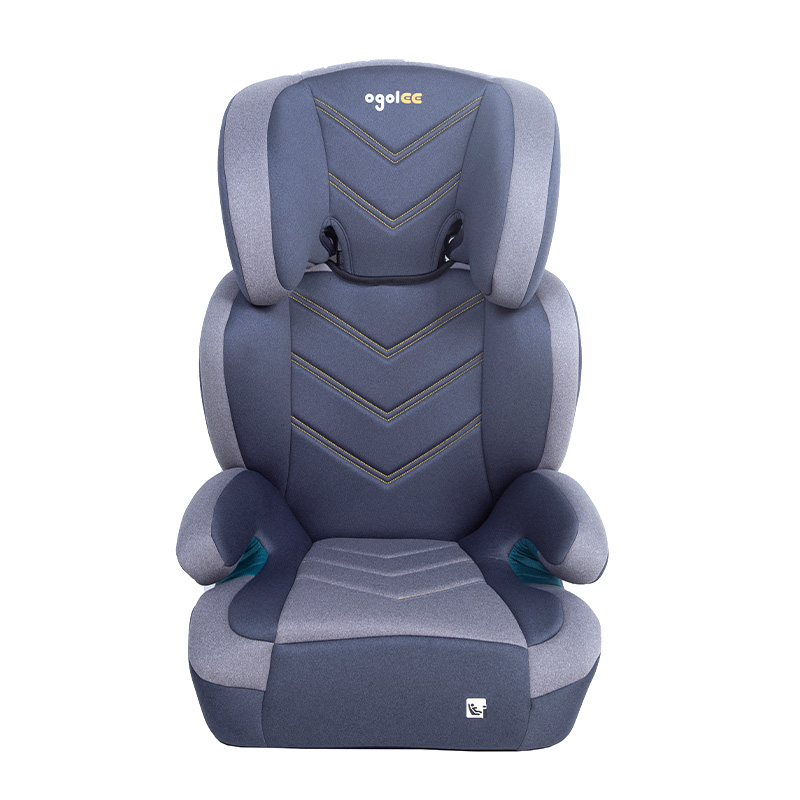
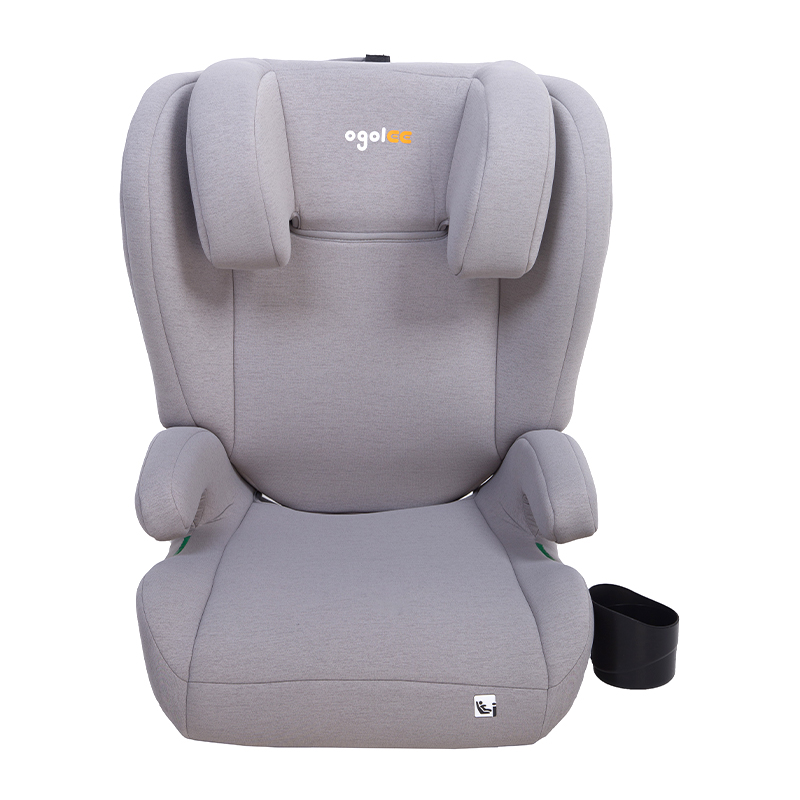
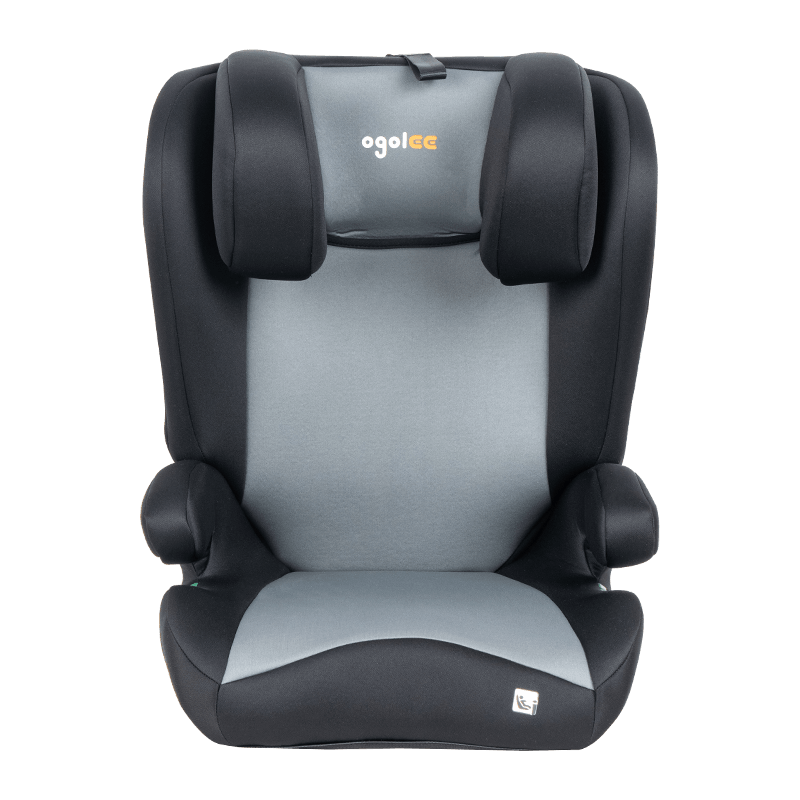
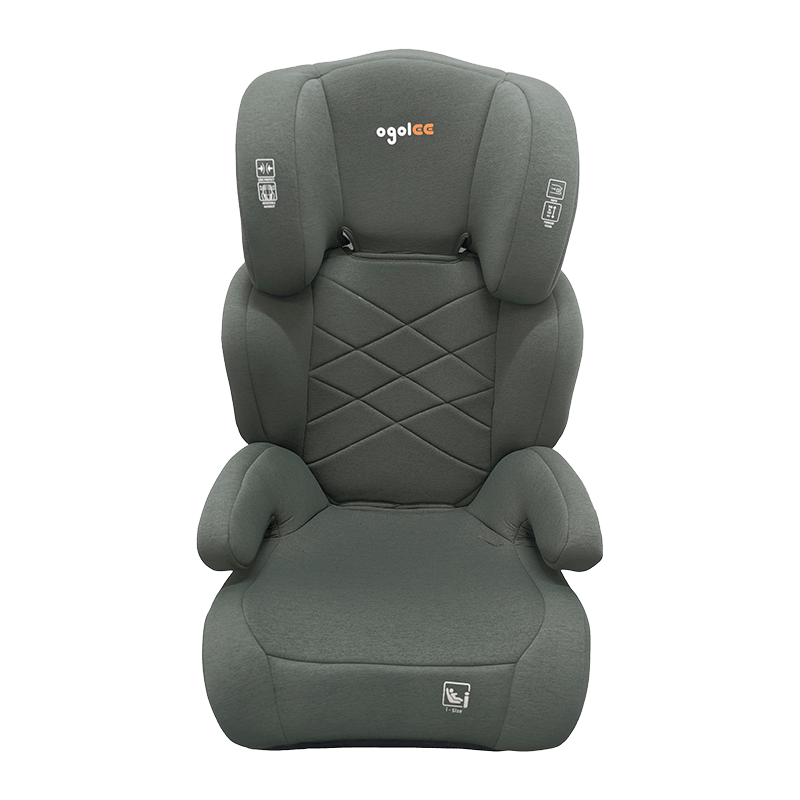
- High-back belt positioning booster: Includes a full seat back that rises behind and around the child's head. The high back provides head and neck support, is essential in vehicles with low seat backs or no head restraints, and often includes energy-absorbing foam in the headrest area. The belt guide channels are positioned on the high back to route the shoulder belt correctly. This type is recommended for most children and vehicles.
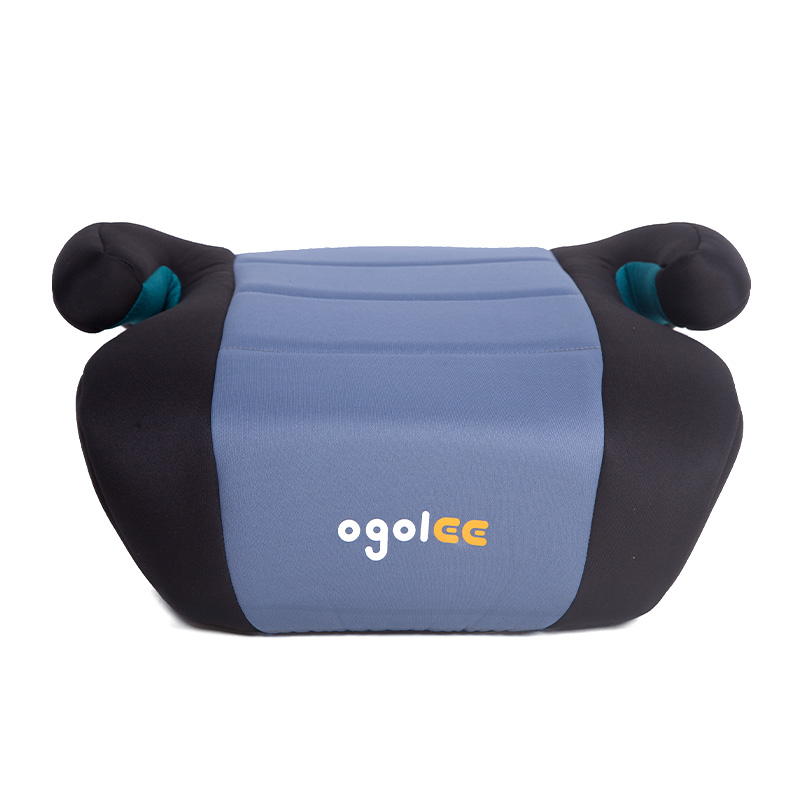
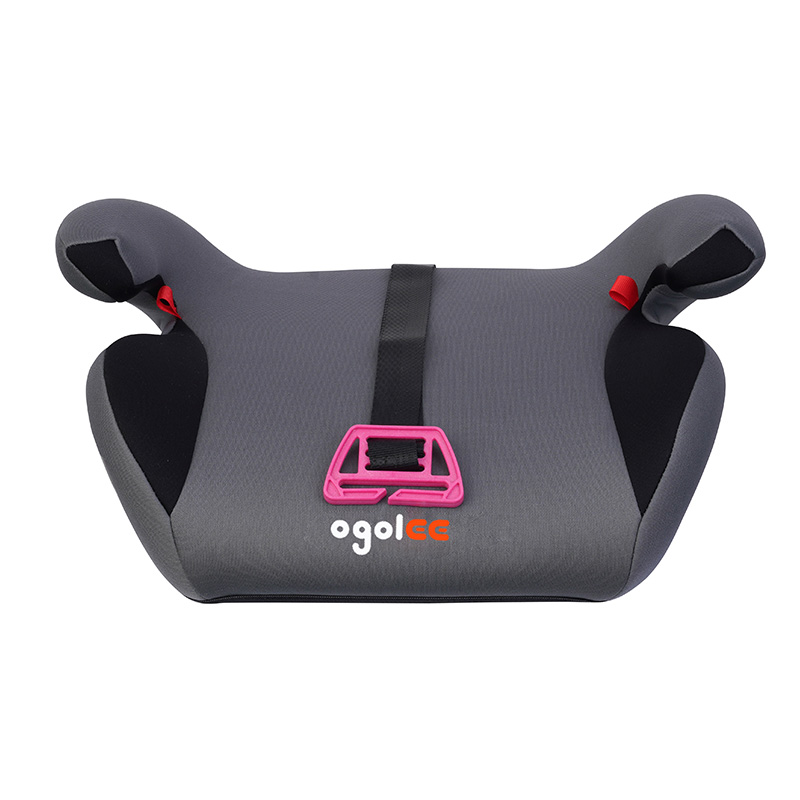
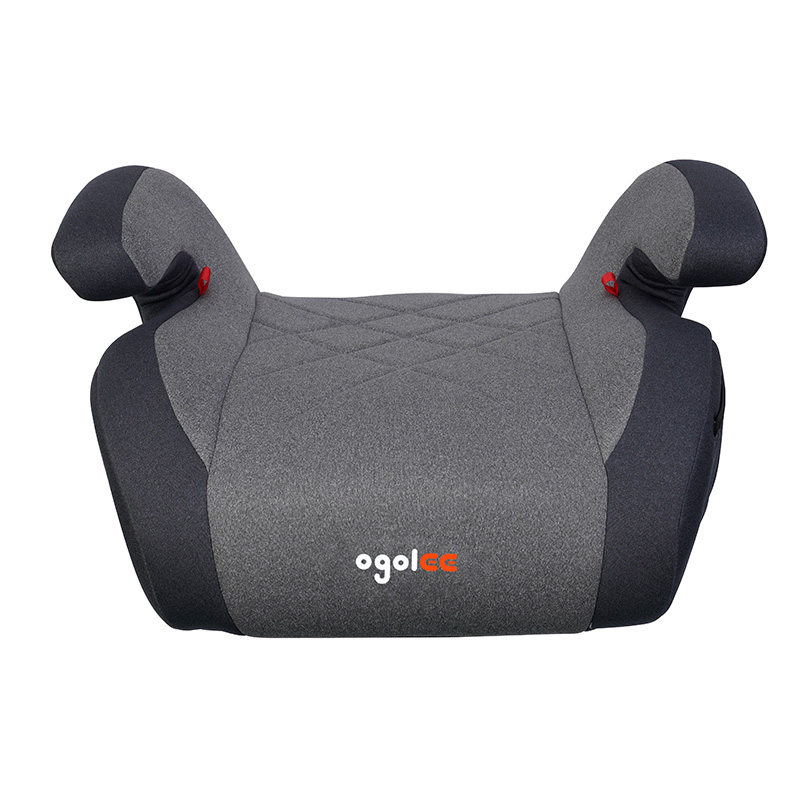
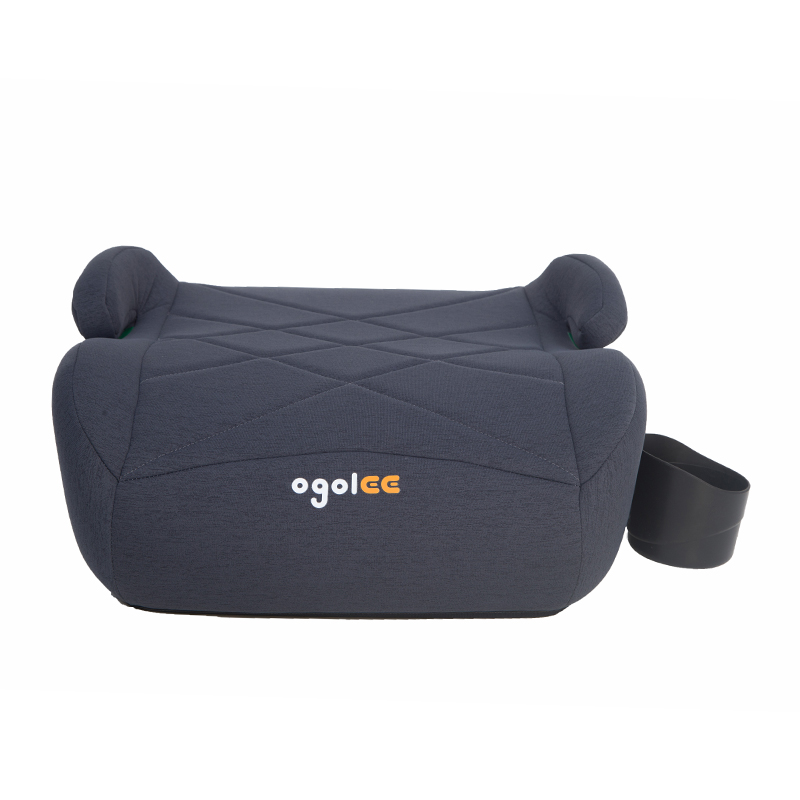
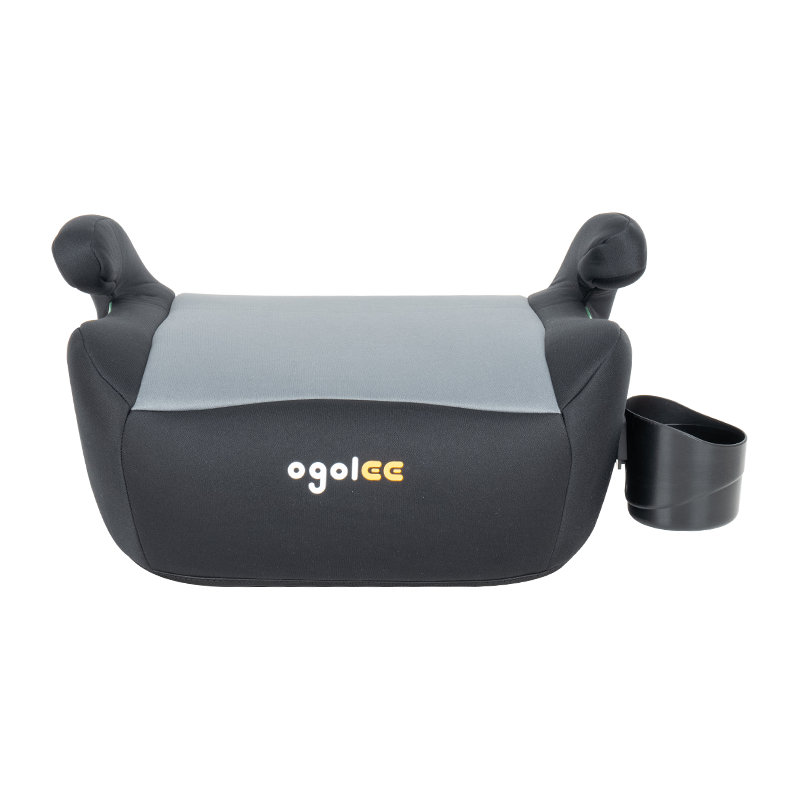
- Backless belt positioning booster: A simple cushion platform with no seat back. It raises the child's seated height and typically includes a rigid or adjustable belt guide that routes the lap belt across the pelvis. Backless boosters are appropriate only in vehicles that have a head restraint or high seat back that reaches at least to the child's ears. They are lighter, more portable, and less expensive — ideal for carpooling or travel — but offer no side-impact head support.
Which Children Should Use a Belt Positioning Booster Car Seat?
A child is ready for a belt positioning booster seat when they have outgrown the height or weight limit of their forward-facing harness seat — not simply when they reach a specific age. Age is a poor proxy for readiness; physical size and maturity determine the correct transition point.
Readiness Criteria for the Booster Transition
- Has exceeded the forward-facing harness seat's maximum weight or height limit (typically 40 to 65 lbs or when the child's shoulders exceed the top harness slot height)
- Is at least 4 years old — younger children, even if large enough physically, may not have the behavioral maturity to remain properly seated during the entire trip
- Can sit properly for the full duration of any trip — a child who slumps, leans out, or falls asleep in positions that pull the belt off their shoulder is not yet behaviorally ready for a booster
- Weighs at least 40 pounds — the minimum weight threshold for most booster seat designs
When to Graduate Out of the Booster Seat
Children should remain in a belt positioning booster car seat until the vehicle seat belt fits correctly without it. The standard five-step test for seat belt fit without a booster requires all five of the following to be true simultaneously:
- The child sits all the way back against the vehicle seat
- The child's knees bend naturally over the edge of the seat without the child having to slouch
- The lap belt lies flat across the upper thighs — not over the abdomen
- The shoulder belt crosses the center of the chest and collarbone — not the neck or face
- The child can maintain this position for the full length of every trip
Most children do not pass all five criteria until they reach 4 feet 9 inches (145 cm) in height and weigh between 80 and 100 pounds — typically between ages 8 and 12. Many children are moved to seat belt-only restraint years too early because parents use age rather than the five-step test as the transition benchmark.
High-Back vs. Backless Belt Positioning Booster: Side-by-Side Comparison
Choosing between a high-back and backless belt positioning booster car seat depends on your vehicle's existing head restraints, the child's needs, and how you plan to use the seat across different vehicles.
| Feature | High-Back Booster | Backless Booster |
| Head and neck support | Yes — built-in headrest, often with EPS foam | None — relies on vehicle seat back |
| Side-impact protection | Often included — energy-absorbing wings | Not provided |
| Vehicle compatibility | Works in all vehicles including those with low seat backs | Requires vehicle seat back at ear height or above |
| Weight and portability | Heavier — 8 to 18 lbs; less portable | Lightweight — 1 to 4 lbs; easy to move |
| Shoulder belt routing | Guided by headrest-mounted belt adjuster | Guided by clip or side belt guide on booster |
| Child comfort for napping | Better — head supported on both sides | Poor — head may fall forward or sideways |
| Typical price range | $40 to $200+ | $15 to $60 |
| Best for | Primary family vehicle; younger booster-age children | Carpooling, grandparents' cars, older children |
Table 1: Feature comparison between high-back and backless belt positioning booster car seats across safety, comfort, portability, and price criteria.
How to Install and Use a Belt Positioning Booster Car Seat Correctly
Correct use of a belt positioning booster car seat requires both proper installation of the seat in the vehicle and correct routing of the vehicle seat belt across the child's body on every trip — errors in either step significantly reduce crash protection.
Step-by-Step Booster Seat Installation
- Position in the rear seat: Always place the belt positioning booster in the rear seat of the vehicle. The rear center seat is statistically the safest position in a crash, though many vehicles have a low or contoured center seat back that makes it unsuitable. The rear outboard (window) seats with three-point seat belts are appropriate alternatives.
- Secure the booster with LATCH or the seat belt (when unoccupied): Many boosters include LATCH lower anchor connectors to prevent the empty seat from becoming a projectile when no child is present. Note: LATCH on a booster does NOT replace the vehicle seat belt as the child restraint — it only anchors the empty booster. Always verify the booster's LATCH weight limit (many cap at 40 to 65 lbs).
- Seat the child fully back: Ensure the child sits all the way back in the booster with their back flat against the seat back and their bottom against the seat base.
- Route the lap belt: Pull the lap portion of the seat belt across the child's upper thighs — across the bony pelvis — not over the soft abdomen. The belt should lie flat, not twisted. Use the lap belt guide on the booster seat to maintain this position.
- Route the shoulder belt: The shoulder belt should cross the center of the child's chest and collarbone, running diagonally from the shoulder to the hip. If the belt crosses the child's neck or face, the headrest belt guide position must be adjusted or the seat's headrest height raised.
- Buckle and verify: Buckle the seat belt and verify that it is not twisted anywhere along its length. Perform the five-position check every time the child is seated — belt fit can change if the child is wearing heavy winter clothing, which adds bulk and changes belt geometry.
Common Installation and Use Errors
| Error | Why It Is Dangerous | Correct Practice |
| Lap belt over the abdomen | Causes internal organ damage and "seat belt syndrome" spinal injuries in crashes | Belt must cross the upper thigh / pelvis bone |
| Shoulder belt behind the back or under the arm | Eliminates upper body restraint entirely — child will jackknife forward in frontal crash | Belt must always cross the chest; adjust headrest height if belt rides too high |
| Child slouching or leaning forward | Moves the belt out of the correct position; reduces protection | Child must sit fully upright with back against seat back at all times |
| Using a backless booster in a vehicle with a low seat back | Child's head is unsupported above seat level — risk of whiplash and head injury in rear or side impact | Use high-back booster in vehicles without adequate head restraints |
| Transitioning too early from harness seat | Child lacks behavioral maturity to maintain correct belt position for entire trip | Keep child in harness seat until they exceed the maximum weight or height limit |
| Heavy winter coats worn in the booster | Coat compresses in crash, leaving the belt slack and allowing excessive forward movement | Buckle child in without coat; place coat over buckled belt or use a thin fleece |
Table 2: Common belt positioning booster car seat installation and use errors, their safety consequences, and correct practices.
What Safety Features Should You Look for in a Belt Positioning Booster Seat?
The most important safety feature in any belt positioning booster car seat is the quality and adjustability of the belt guide system — because the seat's entire protective function depends on routing the vehicle seat belt correctly across the child's body. Beyond that, several additional features meaningfully improve protection.
Key Features Ranked by Safety Impact
| Feature | Safety Benefit | What to Look For |
| Adjustable headrest with belt guide | Routes shoulder belt correctly as child grows | Multiple height positions; belt guide integrated into headrest |
| Energy-absorbing headrest foam (EPS) | Reduces head injury risk in side impacts | Look for EPS or EPP foam in headrest wings |
| Rigid lap belt guide | Keeps lap belt over pelvis, not abdomen | Fixed hard plastic guide; not a fabric loop |
| LATCH lower anchor connectors | Prevents unoccupied booster from becoming a projectile | Verify LATCH weight limit; typically 40 to 65 lbs child weight |
| Side impact protection wings | Cushions head and torso in side-impact crash | Foam-lined or energy-absorbing side wings at head level |
| Wide, stable seat base | Prevents booster from tipping laterally | Non-slip base material; low center of gravity design |
| High weight and height limits | Allows child to use booster longer — safer than early seat belt graduation | Look for 100 to 120 lb weight limit and 57 to 63 inch height limit |
Table 3: Safety features of belt positioning booster car seats ranked by protective impact, with guidance on what to look for when selecting a model.
Why Do State Laws Require Belt Positioning Booster Seats?
All 50 US states have laws requiring children who have outgrown forward-facing harness seats to use a belt positioning booster car seat, though the specific age, weight, and height thresholds vary significantly by state. These laws exist because the data on injury reduction is unambiguous.
According to the National Highway Traffic Safety Administration (NHTSA), children aged 4 to 7 who use a belt positioning booster seat are 45% less likely to be injured in a crash compared to children restrained only by a vehicle seat belt. A study published in the journal Pediatrics found that children in booster seats had a 59% lower risk of injury compared to seat-belt-only restraint in the same crash scenarios.
The injury mechanism that boosters prevent is well-documented: in children under 4 feet 9 inches in height, the standard adult seat belt geometry creates a lap belt that loads directly over the soft abdominal organs and a shoulder belt that contacts the neck. In crash deceleration events, this generates what trauma surgeons term "seat belt syndrome" — a cluster of injuries including bowel perforation, mesenteric tears, lumbar spine fractures (Chance fractures), and carotid artery damage from the improperly positioned shoulder belt.
Child Restraint Law Requirements by Age Group
| Child Age / Size | Required Restraint Type | Safety Rationale |
| Birth to 2 years (or rear-facing limit) | Rear-facing car seat | Distributes crash forces over entire back; protects underdeveloped neck |
| 2 to 4+ years (up to harness limit) | Forward-facing harness seat | Five-point harness distributes forces over multiple anchor points |
| 4 to 10+ years (40 to 80+ lbs) | Belt positioning booster car seat | Positions seat belt correctly over bony structures rather than soft tissue |
| 8 to 12+ years (4 ft 9 in+, passes 5-step test) | Vehicle seat belt alone | Adult geometry belt fits correctly without elevation |
Table 4: Child restraint progression by age and size — from rear-facing seat through belt positioning booster to seat belt only, with safety rationale for each stage.
How Long Do Belt Positioning Booster Car Seats Last?
Most belt positioning booster car seats have a manufacturer-specified expiration date of 6 to 10 years from the date of manufacture, printed on a sticker on the seat frame or base. Using a booster seat beyond its expiration date is not recommended because the plastic shell and structural components degrade over time from UV exposure, temperature cycling, and normal wear — potentially compromising their ability to maintain position and function during a crash.
Additionally, a booster seat that has been in a moderate or severe crash should be replaced immediately, even if it shows no visible damage. Crash forces can stress and deform the structural plastic in ways that are not externally visible but that reduce the seat's protective capacity in any subsequent crash. Many vehicle insurance policies cover child restraint replacement after a crash — check with your insurer before replacing out of pocket.
Frequently Asked Questions About Belt Positioning Booster Car Seats
At what age can a child stop using a belt positioning booster seat?
There is no specific age at which a child automatically stops needing a belt positioning booster seat. The correct criterion is the five-step seat belt fit test — not age. Most children do not pass this test until they are between 8 and 12 years old and have reached at least 4 feet 9 inches (145 cm) in height. Children who are moved to seat-belt-only restraint before passing this test are at significantly elevated injury risk in a crash, regardless of how mature or well-behaved they are.
Can a belt positioning booster seat be used in the front seat?
No. Belt positioning booster car seats should never be used in the front seat of a vehicle equipped with a front passenger airbag. Active airbags deploy at speeds of up to 200 mph and can cause fatal head and neck injuries to a child seated close to the dashboard, even in minor crashes. The rear seat is always the safest position for any child in a booster seat. The only exception is in vehicles with no rear seat (some pickup trucks and two-seat vehicles), in which case the front passenger airbag must be deactivated if one is present.
Is a combination seat the same as a belt positioning booster seat?
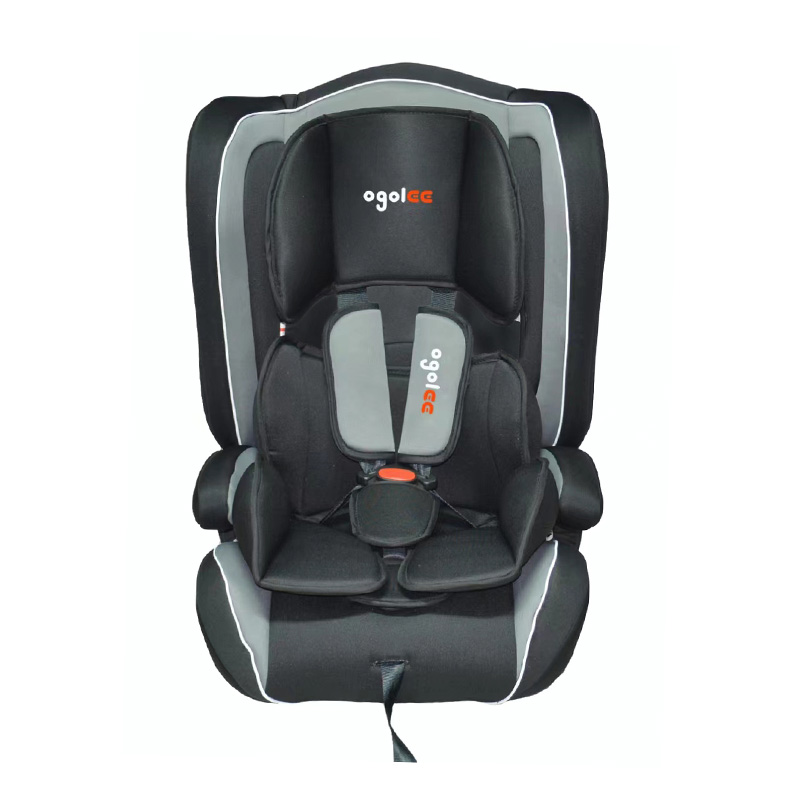
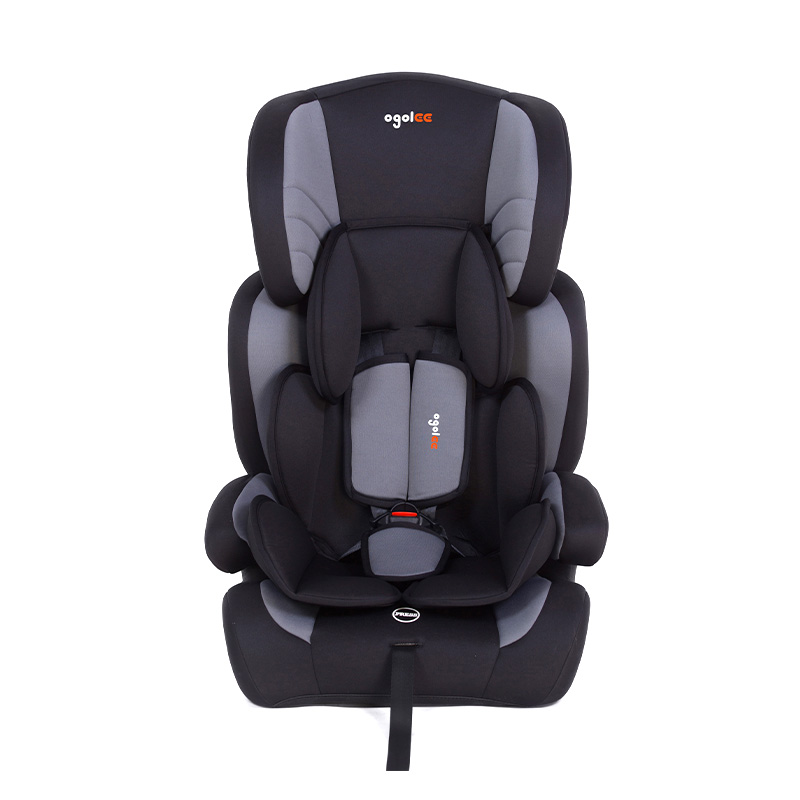
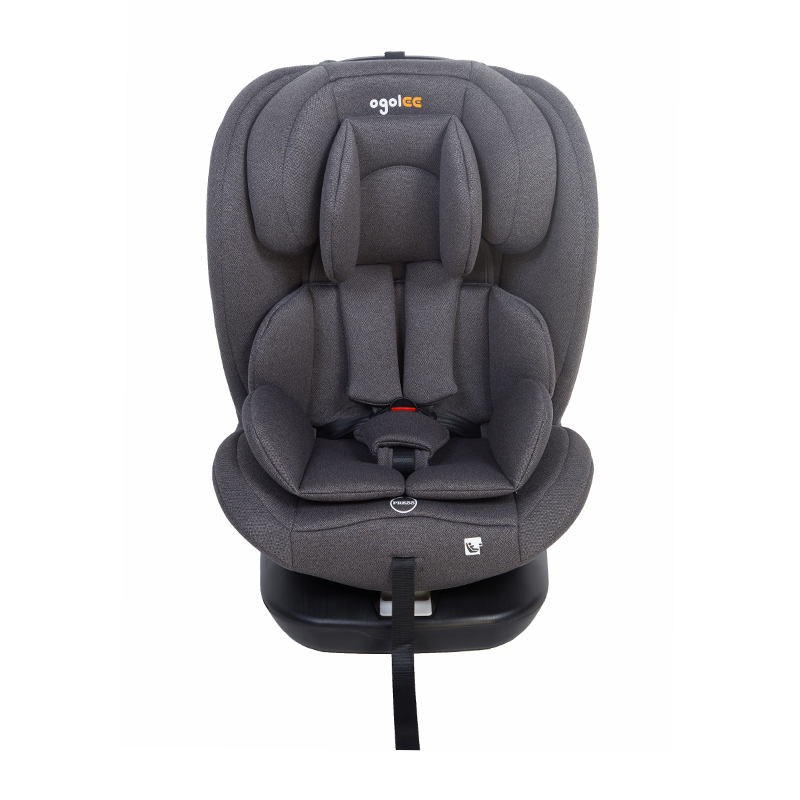
A combination seat is a forward-facing car seat with an internal harness that can later be converted into a belt positioning booster seat by removing the harness. It is not the same as a dedicated booster-only seat, but it serves the same belt-positioning function once the harness is removed. Combination seats are practical because they extend the value of a single seat purchase across two stages of child development, typically covering children from approximately 20 to 100 lbs depending on the model.
Do belt positioning booster seats need to be anchored to the vehicle?
When occupied by a child, a belt positioning booster seat is held in place by the vehicle seat belt that is buckled over the child — the seat belt simultaneously restrains the child and secures the booster. No additional anchoring is required during use. However, when the booster is empty, it should be anchored using the seat's LATCH connectors (if equipped) or secured with the vehicle seat belt routed through the appropriate belt path. An unsecured empty booster becomes a dangerous projectile in a crash, capable of injuring other vehicle occupants.
Can a second-hand belt positioning booster seat be used safely?
A used belt positioning booster car seat can be used safely only if you can verify its complete history — that it has never been in a crash, is not past its expiration date, has all original parts intact including the lap belt guide, and has no visible cracks, warping, or damage to the shell. Never accept a used booster seat if you cannot confirm its crash history. If you received it from a stranger or found it at a sale where history is unknown, the safer choice is to purchase a new seat — basic booster models are available for as little as $20 to $30.
What is the difference between a belt positioning booster and a harness booster?
A belt positioning booster car seat uses the vehicle's seat belt to restrain the child, with the booster simply elevating and positioning the belt correctly. A harness booster (also called a combination seat in booster mode) still uses an internal five-point harness rather than the vehicle belt. Children typically transition to belt positioning mode only after they have exceeded the internal harness's maximum weight or height. Safety experts universally recommend keeping children in a five-point harness for as long as possible before transitioning to belt positioning mode, because harness systems distribute crash forces over more anchor points.
Conclusion: The Right Booster Seat at the Right Time Saves Lives
A belt positioning booster car seat is not an optional upgrade — it is the critical third step in the child restraint progression that bridges the gap between the protection of a five-point harness and the correct geometry of an adult seat belt. The 45% injury reduction documented by NHTSA research represents thousands of children protected every year simply by elevating their seating position so that the belt works as designed.
The most important decisions are: keeping children in their forward-facing harness seat as long as the seat's limits allow before transitioning to a booster; choosing a high-back booster for primary use in vehicles without adequate head restraints; ensuring the shoulder belt always crosses the chest and the lap belt always crosses the thigh — on every single trip; and using the five-step fit test rather than age to determine when the booster is no longer needed.
A child who is correctly seated in an appropriately selected and properly used belt positioning booster car seat is as well protected as current restraint technology can provide for their size and developmental stage. That protection depends not on the price of the seat, but on understanding and consistently applying the correct installation and use practices every time the car door closes.