 English
 Español
 Deutsch
 русский

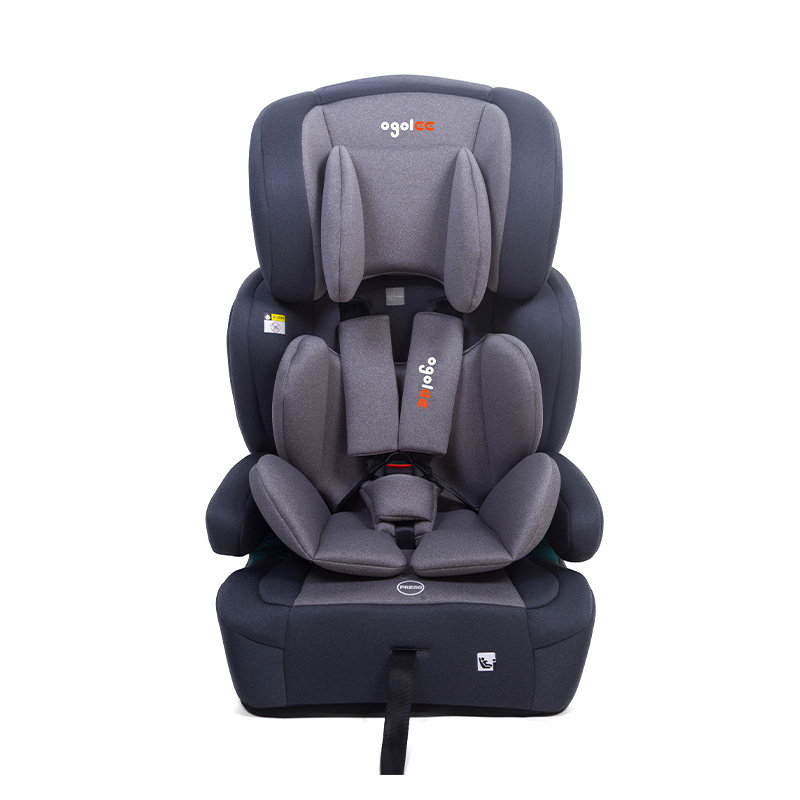
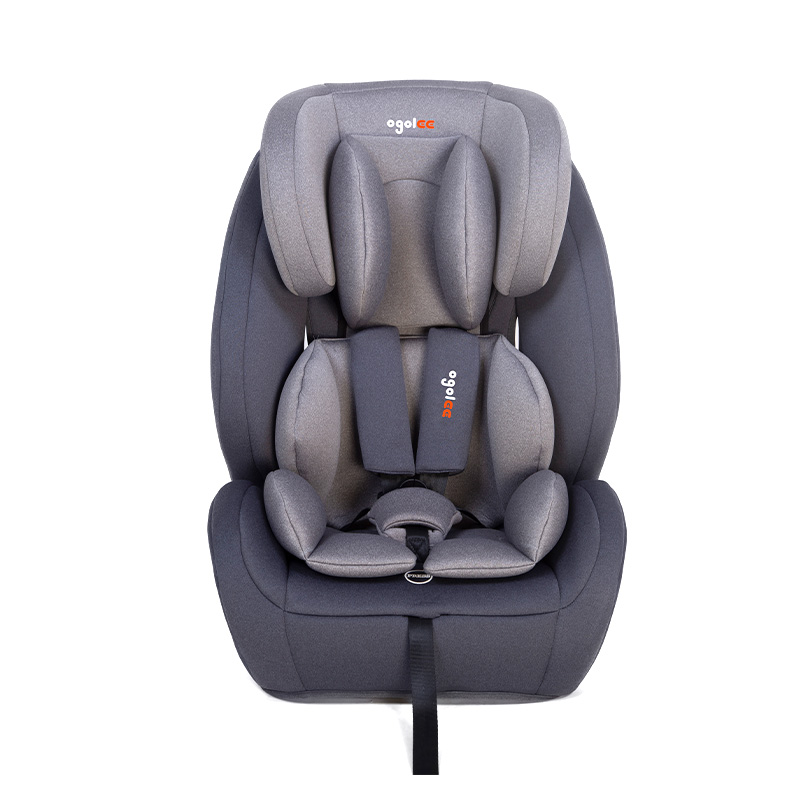
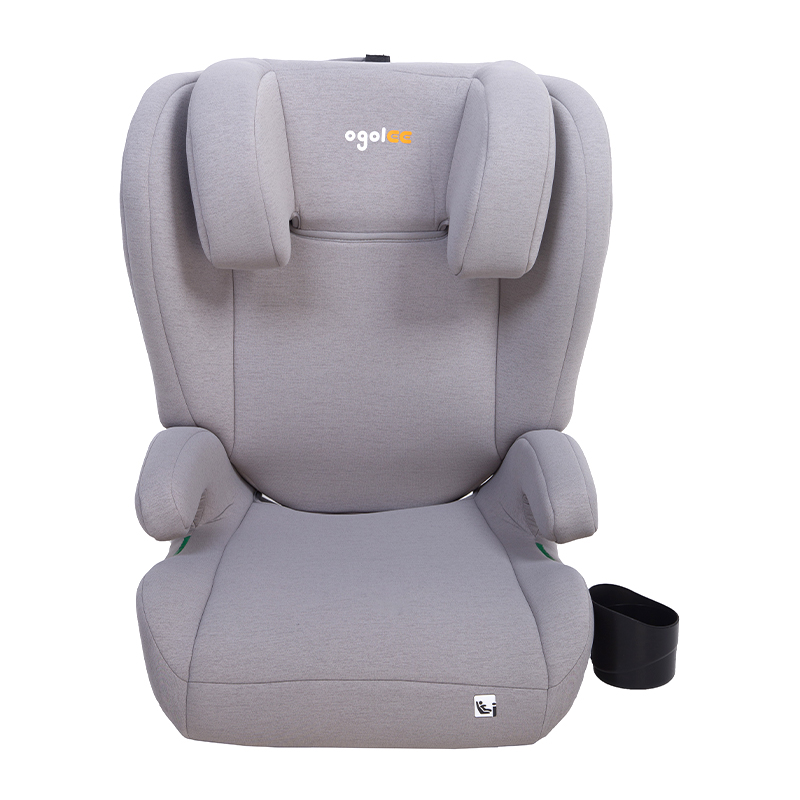
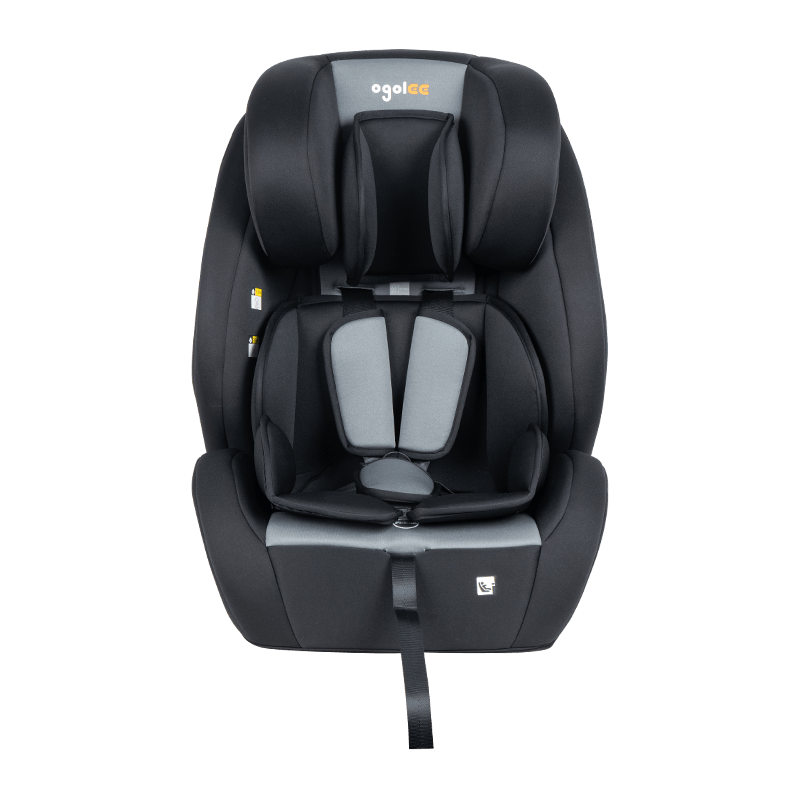
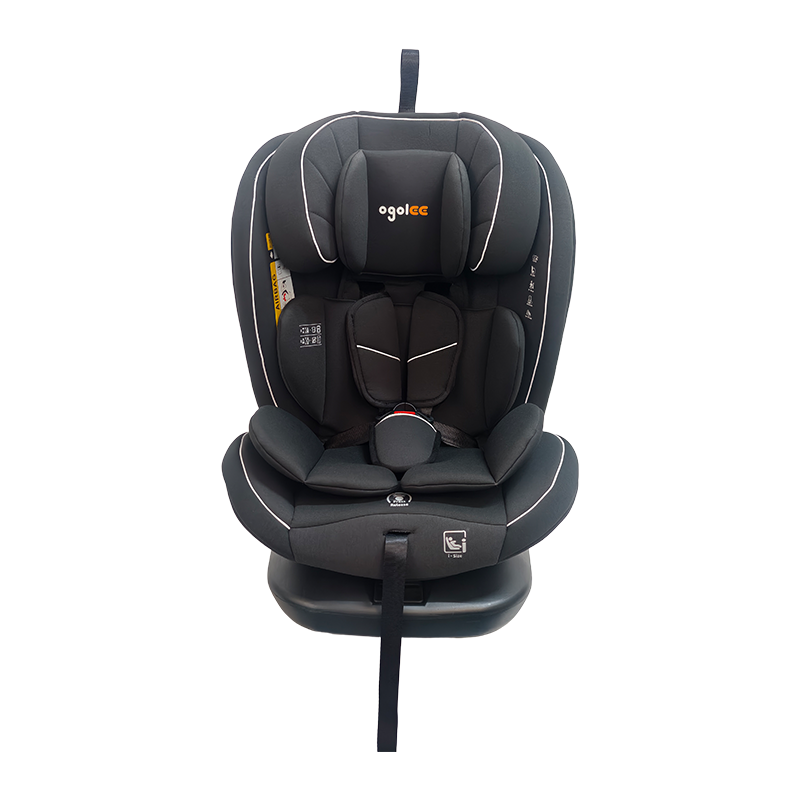
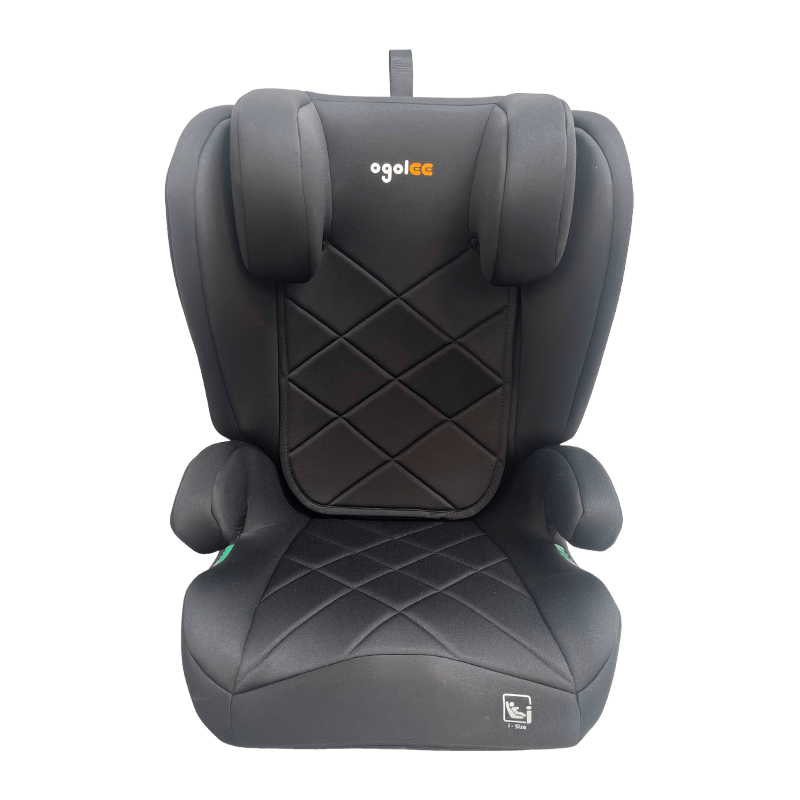
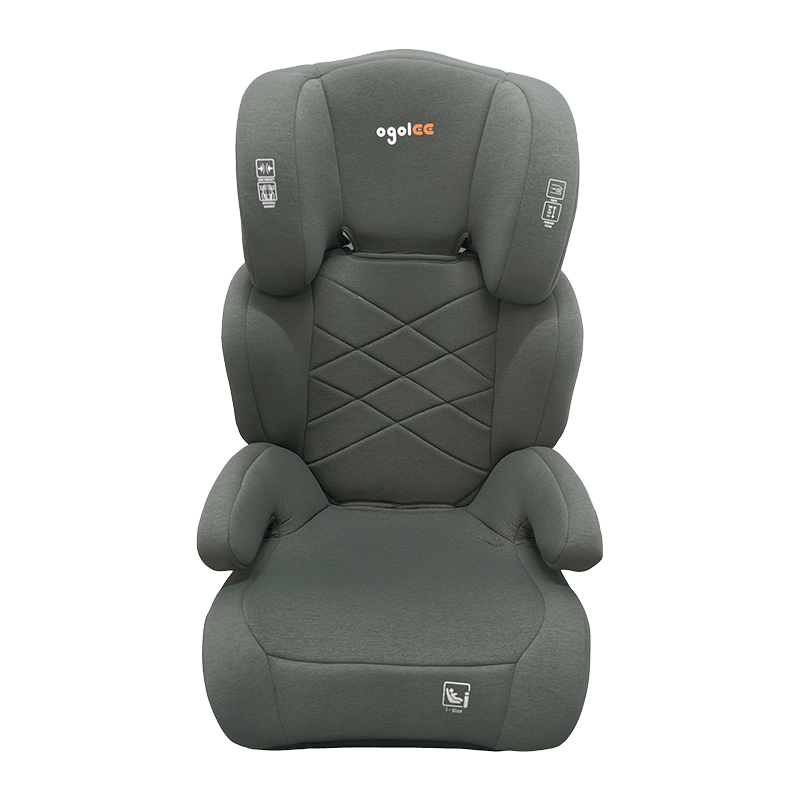
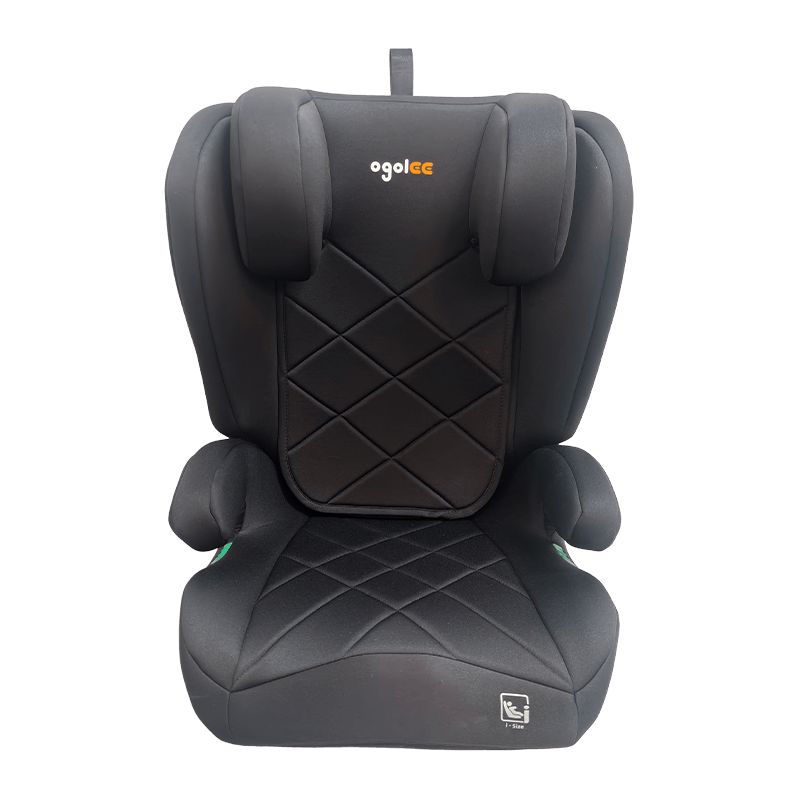
A 4 in 1 car seat is a single convertible seat that transitions through four distinct installation and usage modes -- rear-facing infant, rear-facing toddler, forward-facing with harness, and belt-positioning booster -- covering children from approximately 4 lbs at birth through 120 lbs in later childhood, eliminating the need to buy three or four separate seats over a child's car seat years. For most families, this means a one-time purchase that spans from the newborn stage through roughly age 10 to 12, offering substantial long-term savings and consistent safety compliance as the child grows.
This guide explains how 4 in 1 car seats work in each mode, how they compare to other seat types, what to look for when buying, and answers the most important safety and compatibility questions parents ask before making this significant purchase.
Content
- 1 How Does a 4 in 1 Car Seat Work in Each Mode?
- 2 How Do 4 in 1 Car Seats Compare to Other Car Seat Types?
- 3 What Are the Key Specifications to Check When Buying a 4 in 1 Car Seat?
- 4 Which Features Separate a Good 4 in 1 Car Seat from a Basic One?
- 5 Why Are 4 in 1 Car Seats Heavier and Larger Than Other Seats?
- 6 How to Install a 4 in 1 Car Seat Correctly in Each Mode
- 7 FAQ: 4 in 1 Car Seats
- 8 Conclusion: Is a 4 in 1 Car Seat the Right Choice for Your Family?
How Does a 4 in 1 Car Seat Work in Each Mode?
A 4 in 1 car seat works by offering four distinct configurations within a single seat shell, each optimized for a specific weight, height, and developmental stage -- and the transition between modes requires no additional purchase, only a reconfiguration of the harness system and seat angle.
Mode 1 -- Rear-Facing Infant (Newborn to approximately 2 years)
In its first mode, the 4 in 1 car seat functions as a rear-facing seat for infants, typically from 4 to 5 lbs up to 40 to 50 lbs depending on the model. The seat reclines to an angle that supports a newborn's underdeveloped neck muscles and spine, and the five-point harness routes through low harness slots to fit small infant shoulders. Most models include a newborn insert -- a removable padding insert that fills the space around the infant's head and body until the child grows into the seat shell naturally.
The American Academy of Pediatrics (AAP) recommends keeping children rear-facing for as long as the seat's limits allow -- a recommendation that 4 in 1 car seats support well because their rear-facing weight limits (typically 40 to 50 lbs) far exceed the 22 to 30 lb limits of most infant-only car seats. In a rear-facing crash, the seat shell absorbs the impact forces and distributes them across the child's entire back, head, and neck -- which is why rear-facing is the safest position for children whose skeletal development is still incomplete.
Mode 2 -- Rear-Facing Toddler (approximately 1 to 4 years)
As the child grows, the harness slots are raised to accommodate taller shoulders while the seat remains rear-facing. This mode is functionally identical to Mode 1 but uses the higher harness slot positions and a slightly more upright recline angle. Most parents transition to this configuration when the child outgrows the newborn insert and no longer needs the additional head support, but while they still fall within the rear-facing weight and height limits of the seat.
Mode 3 -- Forward-Facing with Five-Point Harness (approximately 2 to 7 years)
When the child exceeds the seat's rear-facing height or weight limit, the 4 in 1 car seat is reoriented to face forward. The five-point harness remains in use, with straps routing from shoulder slots above the child's shoulders, across the hips, and between the legs. Forward-facing harness limits on most 4 in 1 seats range from 65 to 90 lbs and height limits of 49 to 57 inches.
The five-point harness provides significantly better crash protection in the forward-facing position than a seat belt alone because it distributes crash forces across five body contact points -- two shoulders, two hips, and the crotch -- rather than concentrating them at the lap and chest as a standard vehicle seat belt does. Children should remain in the harnessed forward-facing position for as long as they fit within the seat's harness limits.
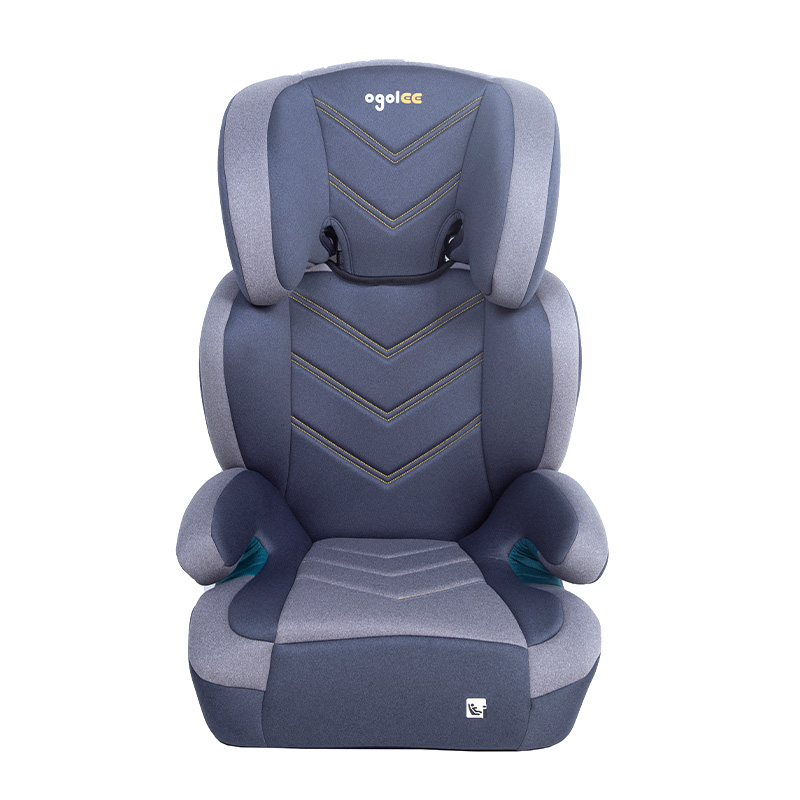
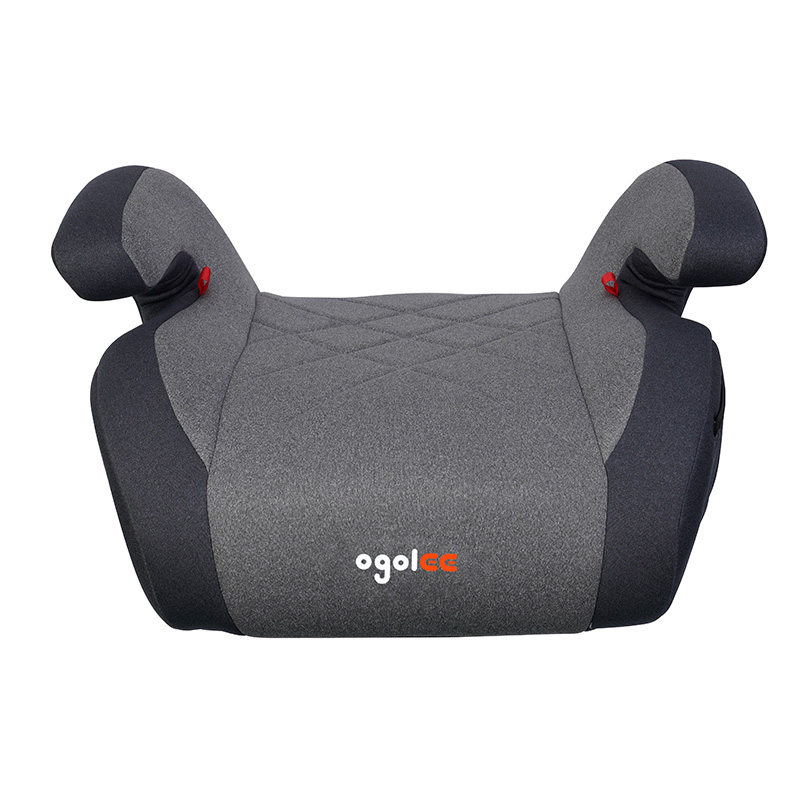
Mode 4 -- Belt-Positioning Booster (approximately 4 to 12 years)
In the final mode, the harness is removed or stowed and the seat functions as a high-back or backless booster, using the vehicle's own seat belt to restrain the child. The seat positions the vehicle's shoulder belt across the child's chest and the lap belt across the upper thighs -- not the stomach -- which is the correct belt fit for a child who is not yet tall enough for the adult seat belt to fit correctly on its own. Most 4 in 1 car seats in booster mode accommodate children up to 100 to 120 lbs and 57 to 63 inches tall. Children should remain in a booster until the vehicle seat belt fits correctly without it -- typically when the child is 4 feet 9 inches tall, usually between ages 8 and 12.
How Do 4 in 1 Car Seats Compare to Other Car Seat Types?
A 4 in 1 car seat covers more developmental stages than any other single seat type, but trades the portability of infant-only seats and the simplicity of dedicated boosters for a larger, heavier seat that stays installed in the vehicle for years at a time.
| Seat Type | Stages Covered | Weight Range | Portability | Approx. Total Cost |
| Infant-only seat | Newborn only | 4 to 35 lbs | High (carry handle) | 80 to 350 USD |
| Convertible seat (2 in 1) | Infant and toddler | 5 to 65 lbs | Low (stays in car) | 100 to 400 USD |
| 3 in 1 convertible seat | Infant, toddler, booster | 5 to 100 lbs | Low | 150 to 500 USD |
| 4 in 1 car seat | Newborn through booster | 4 to 120 lbs | Low (stays in car) | 200 to 550 USD |
| High-back booster (dedicated) | Older child only | 40 to 120 lbs | Moderate | 30 to 200 USD |
Table 1: Comparison of major car seat types by stages covered, weight range, portability, and approximate cost. Buying multiple single-stage seats typically costs 300 to 900 USD total versus one 4 in 1 purchase.
The financial case for a 4 in 1 car seat is strongest for families who plan to use the same seat in the same vehicle for the child's entire car seat period. Families who travel frequently between multiple cars, use infant carrier seats that clip into strollers, or have children who will outgrow their rear-facing limits quickly may find that a separate infant seat combined with a convertible seat serves their lifestyle better.
What Are the Key Specifications to Check When Buying a 4 in 1 Car Seat?
The five specifications that matter most when evaluating a 4 in 1 car seat are the rear-facing weight and height limits, the forward-facing harness weight limit, the booster weight and height limit, the seat's installed dimensions relative to your vehicle, and the installation method (LATCH versus seat belt) supported.
Rear-Facing Limits -- Why They Matter Most
The rear-facing weight limit is arguably the most important single specification on a 4 in 1 car seat because it determines how long your child remains in the safest possible crash position. Look for seats with rear-facing limits of at least 40 lbs -- the best models in this category extend to 50 lbs. The height limit (typically 43 to 49 inches for rear-facing) is equally important because many children reach the height limit before the weight limit.
A child is at the rear-facing height limit when the top of their head is less than 1 inch below the top of the seat shell in rear-facing mode. Check this measurement at every car journey during the toddler years, particularly during growth spurts when children can gain 2 to 3 inches in height in a single season.
Seat Dimensions and Vehicle Fit
4 in 1 car seats are substantially larger than infant-only seats and many convertible seats -- typical installed dimensions are 19 to 22 inches wide and 25 to 30 inches deep -- and they must fit in your specific vehicle without encroaching on the front seat headroom or blocking access to adjacent seats.
Before purchasing, measure the width of your vehicle's back seat at the point where the seat will be installed, and compare this to the seat's stated width. In rear-facing mode, many 4 in 1 car seats extend further toward the front seat than in forward-facing mode due to the required recline angle -- check that the front seat can move to a comfortable position for the driver or passenger with the car seat installed rear-facing. Most manufacturers publish vehicle compatibility data and recommend consulting the seat's fit guide before buying.
LATCH vs Seat Belt Installation
All 4 in 1 car seats can be installed using either the LATCH (Lower Anchors and Tethers for Children) system or the vehicle seat belt. LATCH is not safer than seat belt installation when both are done correctly -- the primary advantage of LATCH is that it is easier to achieve a correct, tight installation without the technique required for seat-belt-only installation. Most manufacturers limit LATCH use to children under 65 lbs combined child-plus-seat weight (the vehicle's LATCH anchor load limit). Above this limit, the seat must be installed using the seat belt, which is equally safe when the installation is verified with less than 1 inch of movement at the belt path when pushed firmly by hand.
Which Features Separate a Good 4 in 1 Car Seat from a Basic One?
The features that most meaningfully differentiate premium 4 in 1 car seats from entry-level models are no-rethread harness adjustment, steel-reinforced sides, multiple recline positions, machine-washable seat covers, and extended side impact protection -- all of which improve either safety, ease of use, or seat longevity over the child's multi-year use period.
| Feature | Entry-Level Models | Premium Models | Why It Matters |
| Harness adjustment | Manual rethread required | No-rethread (one-hand adjust) | Saves 10 to 15 min per adjustment; prevents skipping adjustments |
| Recline positions | 2 to 4 positions | 6 to 12 positions | More positions allow correct angle on varied vehicle seat slopes |
| Side impact protection | Foam only | Steel frame plus energy-absorbing foam pods | Steel reinforcement significantly reduces lateral crush in T-bone crashes |
| Seat cover care | Spot clean only | Machine washable (cool cycle) | Critical for a seat used from infant through school age -- years of spills |
| Headrest adjustment | Manual, separate from harness | Integrated with harness (raises both together) | Eliminates common error of raising headrest but forgetting harness slots |
| Installation indicators | None | Level indicator and LATCH lock-off built in | Studies show up to 72 percent of car seats are installed incorrectly |
Table 2: Feature comparison between entry-level and premium 4 in 1 car seats, with practical notes on why each feature matters over multi-year use.
Why Are 4 in 1 Car Seats Heavier and Larger Than Other Seats?
4 in 1 car seats are heavier -- typically 18 to 30 lbs versus 10 to 15 lbs for infant-only seats -- because the seat shell and structural components must be engineered to safely accommodate children across a 4 to 120 lb weight range while meeting crash test standards in four different installation configurations.
A seat that must survive a 35 mph frontal crash test while containing a 120 lb child in booster mode must have a fundamentally stronger shell and anchoring system than a seat designed only for a 22 lb infant. This structural requirement drives the additional weight and bulk inherent to all-stages convertible seats. The practical implications for parents include:
- The seat stays in the vehicle -- unlike an infant carrier that you carry into restaurants and stores, a 4 in 1 seat is too heavy to move routinely and is designed to be left installed in the car
- Transferring between vehicles is inconvenient -- families who regularly move a car seat between two vehicles (for example, between parents' cars) often find a lighter convertible or a dedicated infant seat more practical for the first year
- Installation effort is front-loaded -- getting the installation right once and leaving it is the intended use pattern; frequent reinstallations increase both effort and the risk of installation errors
How to Install a 4 in 1 Car Seat Correctly in Each Mode
Correct installation of a 4 in 1 car seat in every mode requires that the seat moves less than 1 inch at the belt path when pushed firmly by hand, the harness passes the pinch test at the child's collarbone, and the recline angle is within the seat manufacturer's specified range for the child's age and weight.
Rear-Facing Installation Checklist
- Recline angle: the seat must recline so the child's head does not flop forward. Most seats have a built-in level indicator -- a bubble or line that shows when the angle is correct. For newborns, a more reclined angle (approximately 45 degrees) is needed; for older infants with better head control, a more upright angle (30 to 35 degrees) is acceptable.
- Harness slot height: in rear-facing mode, the harness must come from at or below the child's shoulders. Using harness slots above the shoulders in rear-facing mode allows the child to jackknife forward in a crash rather than being supported by the seat shell.
- Chest clip position: the chest clip must sit at armpit level -- not across the stomach where it can cause internal injuries in a crash, and not across the throat where it can cause airway injury.
- Harness tightness: the pinch test -- attempting to pinch a fold of harness webbing at the child's collarbone -- should result in no foldable slack. If you can pinch a fold, the harness is too loose.
Forward-Facing Harness Installation Checklist
- Tether strap: all forward-facing harnessed seats must use the top tether anchor in your vehicle. The tether reduces forward head movement in a frontal crash by up to 6 inches. Not using the tether when forward-facing is one of the most common installation errors on convertible seats.
- Harness slot height: in forward-facing mode, harness slots must be at or above the child's shoulders. Slots below the shoulders allow the child to ride up and out of the harness in a frontal crash.
- Seat recline: most forward-facing 4 in 1 seats specify an upright position (less than 30 degrees from vertical) to maximize tether effectiveness and keep the child in the correct seating posture.
Booster Mode Installation Checklist
- Belt path routing: the vehicle lap belt must route through the seat's lap belt guide and the shoulder belt through the shoulder belt guide. Routing the belt incorrectly -- such as through the wrong belt path -- can cause serious injury in a crash.
- Shoulder belt fit: in booster mode, the shoulder belt should cross the middle of the child's chest and the center of the shoulder -- not the neck or face. If the belt crosses the neck, the booster is not the right size for the child yet, or the seat needs to be adjusted to a different headrest position.
- Lap belt fit: the lap belt should sit flat across the child's upper thighs -- not across the stomach. A belt across the stomach can cause severe internal injuries (seat belt syndrome) in a crash.
FAQ: 4 in 1 Car Seats
Q1: Can I use a 4 in 1 car seat from birth?
Yes -- 4 in 1 car seats that include a rear-facing mode with a low minimum weight (4 to 5 lbs) are designed for use from birth. Most include a removable newborn insert that cushions the space around a small infant's head and body. However, very small premature babies (under 4 lbs) may need a specialized premature infant seat before transitioning to a standard 4 in 1 -- confirm the child's weight meets the seat's minimum limit before use. If you plan to use the seat from birth, also verify that the seat can achieve the 45-degree recline angle required for newborns, as some models are less adjustable in their rear-facing recline range.
Q2: Do 4 in 1 car seats expire?
Yes -- virtually all car seats, including 4 in 1 models, have an expiration date printed on the seat body, typically 6 to 10 years from the date of manufacture. The expiration exists because the plastic components of car seats degrade over time due to heat cycling, UV exposure, and general aging -- a degraded plastic shell may not perform correctly in a crash. The expiration date is not a marketing device; it is a genuine safety specification. The date is usually found on a sticker on the bottom or back of the seat. Never use a car seat past its expiration date or after it has been involved in a moderate or severe crash, even if no damage is visible.
Q3: Is a 4 in 1 car seat worth the higher upfront cost?
For most families who plan to use the same vehicle throughout the child's car seat years, a 4 in 1 car seat is financially justified. A typical complete multi-seat solution -- infant carrier, convertible seat, and booster -- costs 300 to 900 USD across all purchases. A quality 4 in 1 seat costs 200 to 550 USD as a single purchase. The savings are real, but the value calculation also depends on how long each mode is actually used. Families who prefer the convenience of an infant carrier for the first 6 to 12 months may prefer to buy an infant carrier first, then transition to a high-quality convertible or 4 in 1 seat for the toddler and child stages.
Q4: Can I use a 4 in 1 car seat on an airplane?
Many 4 in 1 car seats carry FAA approval for use on aircraft, but the seat must be labeled with the statement "This restraint is certified for use in motor vehicles and aircraft" to be permitted by the airline. Even FAA-approved seats must fit within the aircraft seat and be installed in a window or non-emergency exit row seat. The large dimensions of most 4 in 1 seats -- typically 20 inches wide or more -- can make them difficult to fit in aircraft economy seats, which are often 17 to 18 inches wide. Check the seat width against the specific airline's seat dimensions before assuming the seat will fit. Dedicated airplane travel seats or narrower convertible seats may be more practical for frequent air travel.
Q5: How do I know when to transition my child from one mode to the next?
The transition from one mode to the next is triggered by the child reaching either the height or weight limit of the current mode -- whichever comes first. Never transition to the next mode before the child outgrows the current one, as each mode transition involves moving the child into a position that provides less crash protection than the previous mode. Specifically: keep rear-facing until the top of the child's head is within 1 inch of the seat's rear-facing height limit or the child exceeds the rear-facing weight limit; keep in the five-point harness until the child reaches the forward-facing harness height or weight limit; and keep in the booster until the vehicle seat belt fits correctly without it.
Q6: Can I buy a second-hand 4 in 1 car seat?
Buying a second-hand 4 in 1 car seat is strongly discouraged by every major child safety organization unless you personally know the full history of the seat -- including whether it has been in any crash (even minor ones), whether any parts have been replaced with non-manufacturer components, and that the seat has not been recalled. You cannot visually inspect a car seat for internal stress fractures caused by crash forces. Even a seat that looks pristine externally may have a compromised shell that will not perform correctly in a future crash. Additionally, a used seat may be approaching or past its expiration date. The cost saving is not worth the safety risk on an item designed to protect a child's life.
Conclusion: Is a 4 in 1 Car Seat the Right Choice for Your Family?
A 4 in 1 car seat is the most cost-efficient and convenience-maximizing car seat solution for families who want a single seat that grows with their child from birth through the booster years without any additional purchases. The four-mode design delivers genuine safety benefits at every stage when correctly installed and used -- and the no-rethread harness, multi-position recline, and integrated level indicators found on premium models make correct use significantly easier over the years of daily use.
The trade-offs -- primarily the larger size, heavier weight, and reduced portability compared to infant-only seats -- are real but manageable for most families with a single primary vehicle. Families who travel frequently, share seats between multiple cars, or want the convenience of a carrier-style infant seat for the first year may find that a combination approach (infant carrier plus a 3 in 1 or 4 in 1 starting from the toddler stage) serves them better in practice.
Whatever seat type you choose, the most important factors remain constant: correct installation verified with less than 1 inch of movement, proper harness fit confirmed at every use with the pinch test, and keeping your child in each mode for as long as the seat's limits allow. A correctly used 4 in 1 car seat is among the most effective child safety investments a family can make.