 English
 Español
 Deutsch
 русский

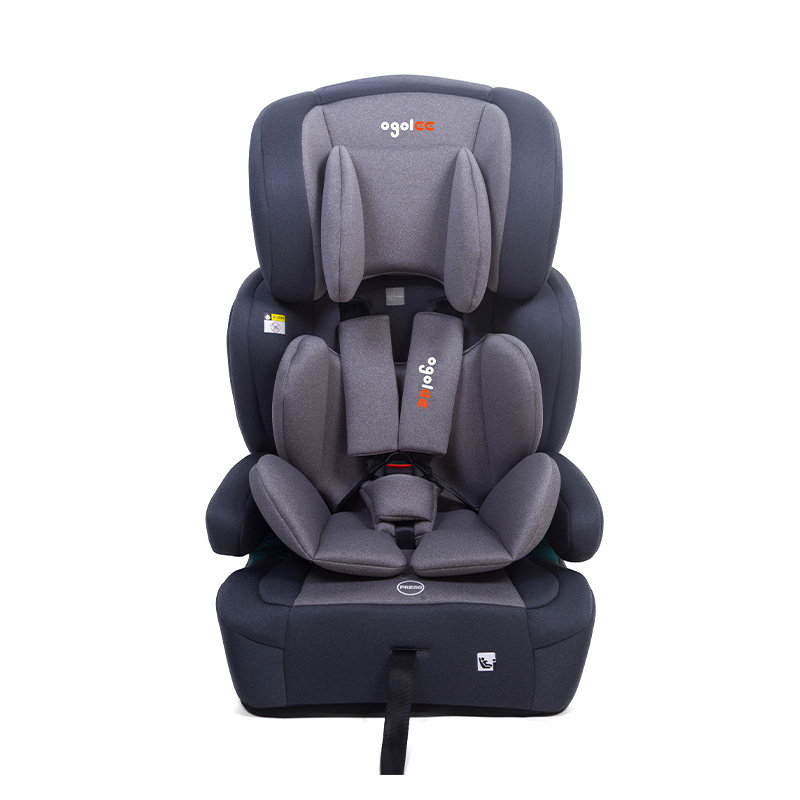
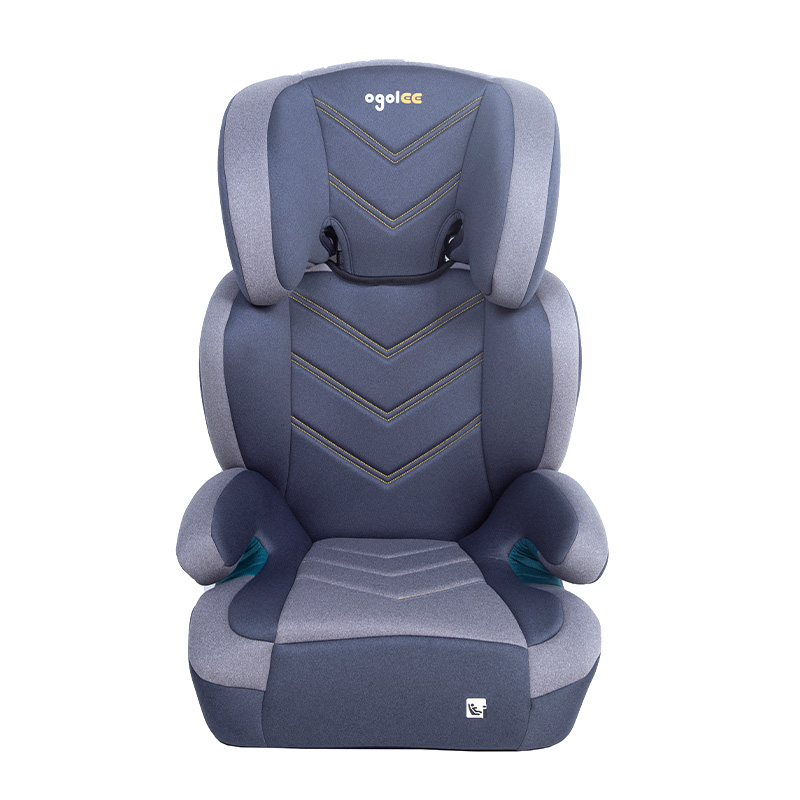
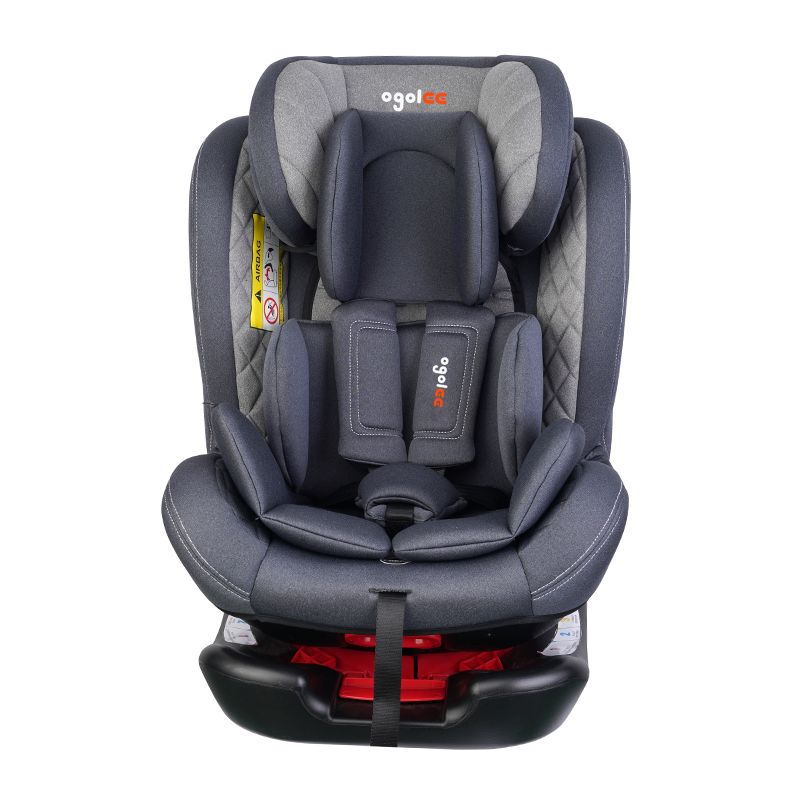
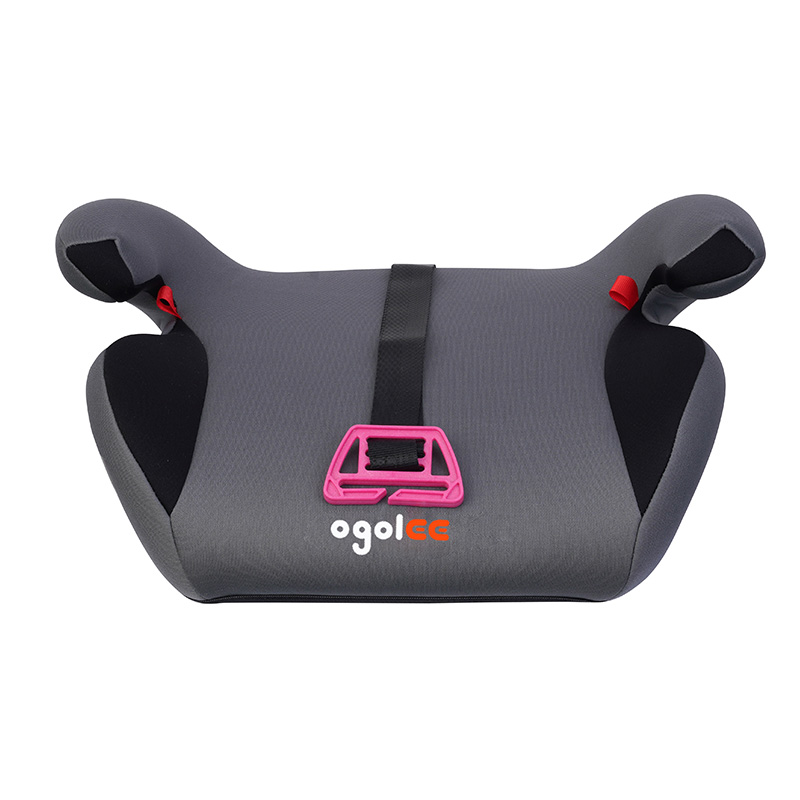
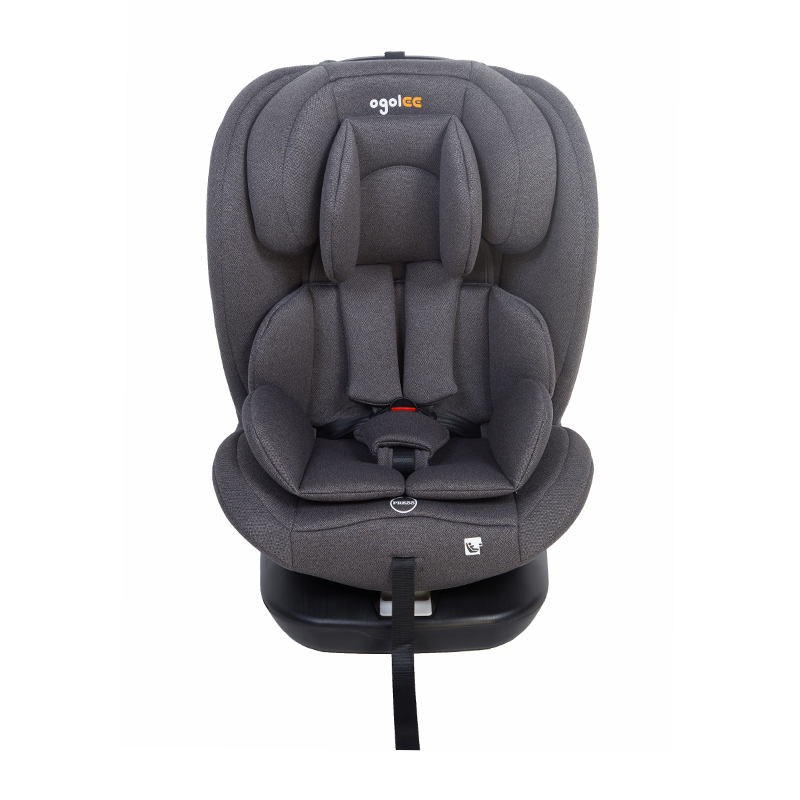
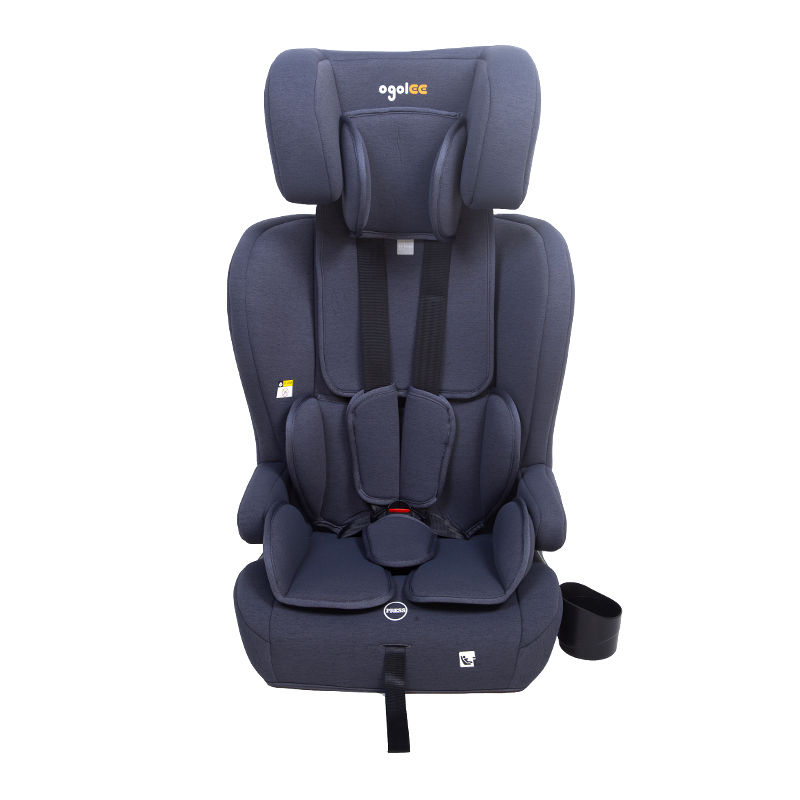
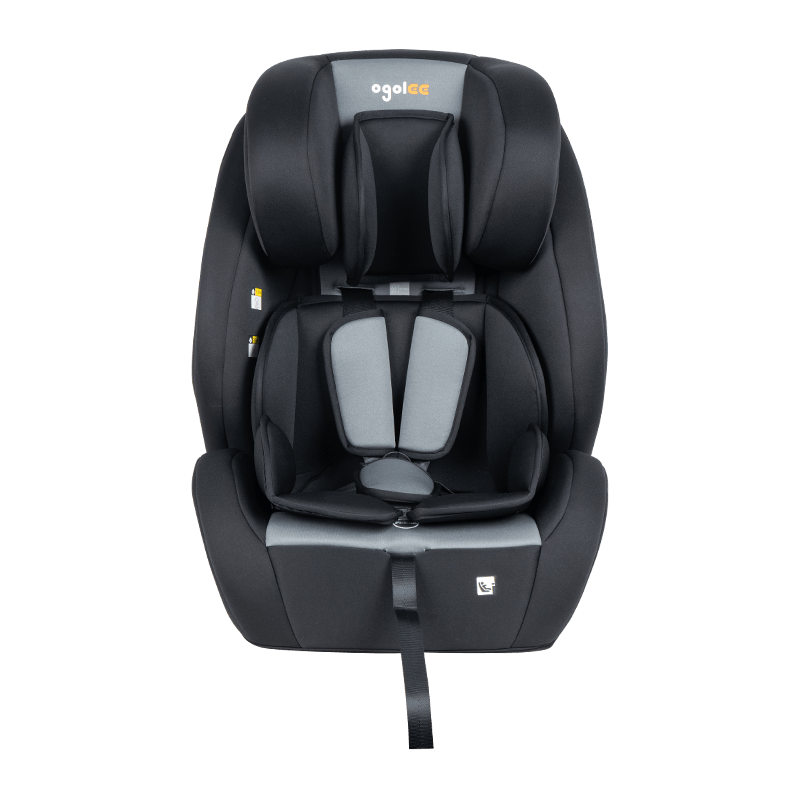
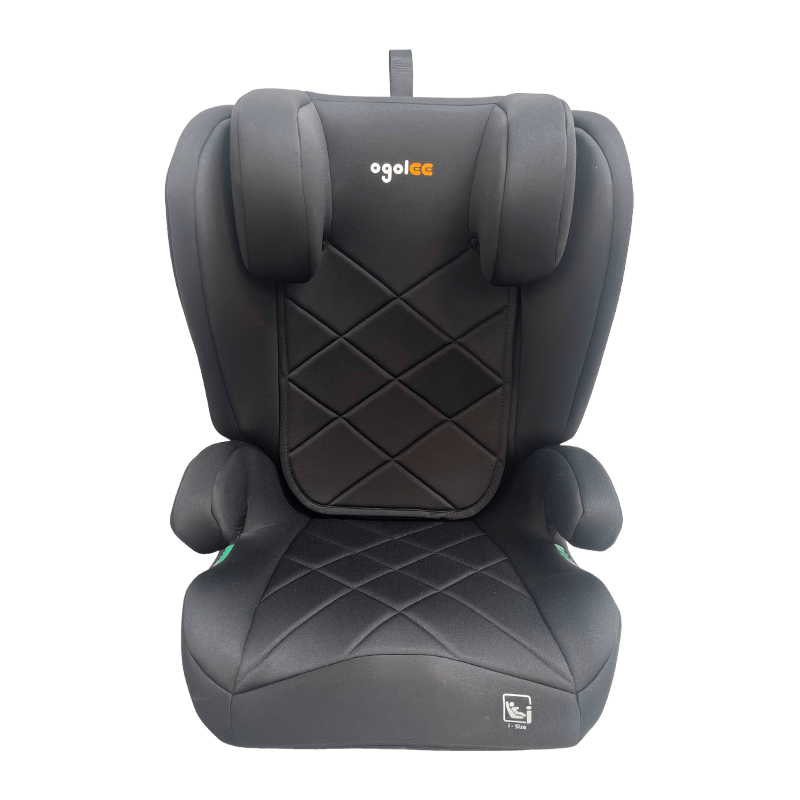
Booster car seat 2 in 1 is widely regarded as one of the most cost-effective and safety-conscious choices for families with children transitioning out of infant seats. By combining a high-back booster and a backless booster into a single product, these seats eliminate the need to purchase two separate units, saving both money and storage space while keeping children properly restrained through multiple growth stages.
Content
- 1 What Exactly Is a Booster Car Seat 2 in 1?
- 2 Who Should Use a 2 in 1 Booster Car Seat?
- 3 High-Back vs. Backless Mode: When to Use Each
- 4 Key Safety Features to Look for in a Booster Car Seat 2 in 1
- 5 2 in 1 Booster Car Seat vs. Other Seat Types: A Comparison
- 6 How to Install a 2 in 1 Booster Car Seat Correctly
- 7 Common Mistakes Parents Make with Booster Car Seats 2 in 1
- 8 What Features Add the Most Value in a 2 in 1 Booster Car Seat?
- 9 When Is a Child Ready to Graduate from a Booster Seat Entirely?
- 10 Frequently Asked Questions About Booster Car Seats 2 in 1
- 10.1 Q: Can I use a 2 in 1 booster car seat on an airplane?
- 10.2 Q: How long does a 2 in 1 booster car seat last?
- 10.3 Q: Is a high-back booster safer than a backless booster?
- 10.4 Q: Can a 2 in 1 booster car seat be used rear-facing?
- 10.5 Q: What is the difference between a 2 in 1 and a 3 in 1 booster seat?
- 10.6 Q: Can two 2 in 1 booster seats fit side by side in a standard sedan?
- 10.7 Q: How do I know when to switch from high-back to backless mode in a 2 in 1 seat?
- 11 Final Verdict: Is a Booster Car Seat 2 in 1 Worth It?
What Exactly Is a Booster Car Seat 2 in 1?
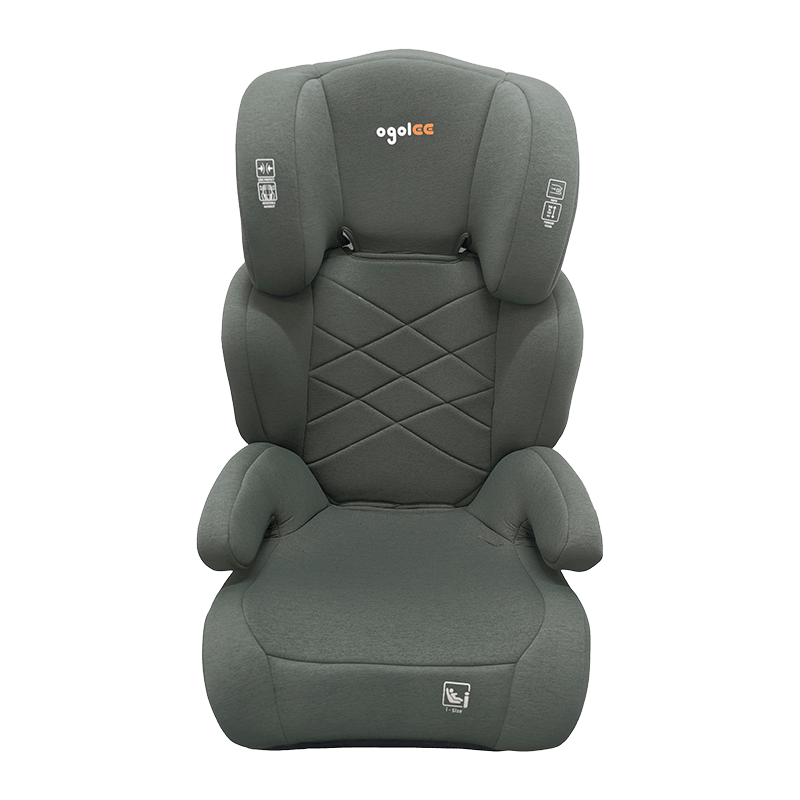
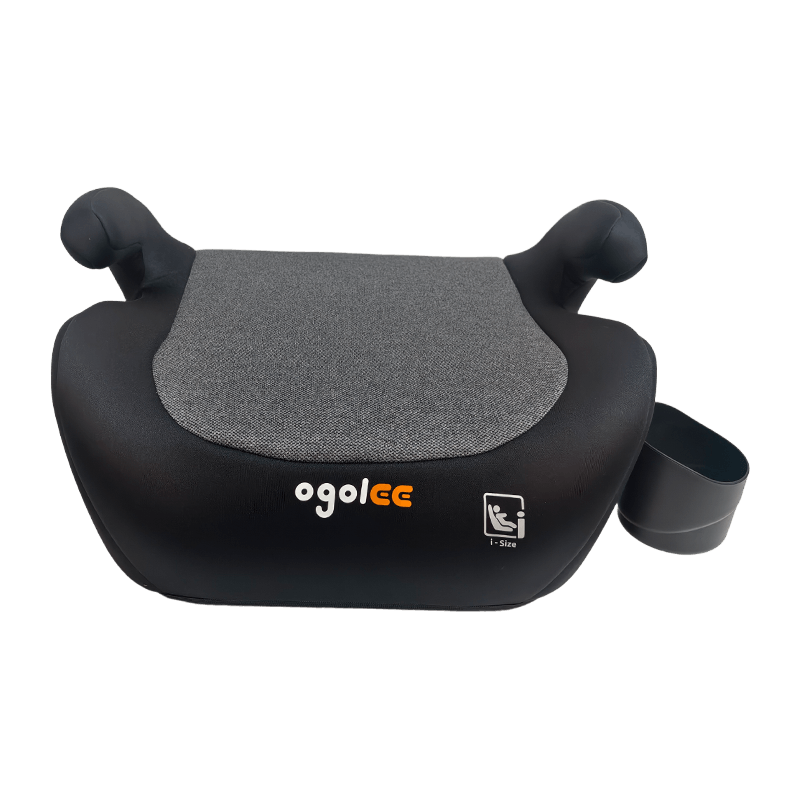
A 2 in 1 booster car seat is a dual-mode child safety seat designed to serve two distinct functions as your child grows. In the first mode, it operates as a high-back booster seat, providing full head and neck support along with side-impact protection — ideal for younger children who still need that upper body containment. In the second mode, the backrest is removed (or detached), converting the seat into a backless booster seat that simply positions the vehicle's seatbelt correctly across the child's chest and lap.
This versatility is what sets the 2 in 1 booster car seat apart from traditional single-mode options. Rather than replacing the seat entirely when your child outgrows the high-back configuration, you simply detach the back panel and continue using the same base for several more years.
Who Should Use a 2 in 1 Booster Car Seat?
The booster car seat 2 in 1 is specifically designed for children who have outgrown their forward-facing harness seat. According to the American Academy of Pediatrics (AAP), children should remain in a forward-facing seat with a harness for as long as possible before transitioning to a belt-positioning booster. Most children make this transition between ages 4 and 7, typically when they exceed the weight or height limits of their forward-facing harness seat.
Typical Age and Weight Range
Most 2 in 1 booster car seats accommodate children weighing between 40 and 120 pounds, covering an age range of roughly 4 to 12 years old. The high-back mode is generally suitable for children 40–100 lbs, while the backless mode extends use up to 120 lbs depending on the model. Always consult the manufacturer's specific weight and height limits.
High-Back vs. Backless Mode: When to Use Each
Understanding when to switch modes is critical to maximizing the safety and longevity of your 2 in 1 booster seat. The general rule is: use the high-back mode as long as it fits your child properly, and transition to backless only when the child's ears reach the top of the back panel or they exceed the stated weight limit.
| Feature | High-Back Booster Mode | Backless Booster Mode |
| Head Support | Full headrest included | None (vehicle headrest used) |
| Side Impact Protection | Yes — EPS foam or layered shell | Minimal to none |
| Typical Weight Range | 40–100 lbs | 40–120 lbs |
| Best For | Younger, smaller children (ages 4–8) | Older, larger children (ages 8–12) |
| Installation Method | LATCH or seatbelt (varies by model) | Vehicle seatbelt only |
| Portability | Bulkier, heavier | Lightweight, easy to move |
| Seat Belt Guidance | Built-in belt guides on back panel | Belt guides on booster base |
This table compares the high-back and backless configurations of a typical 2 in 1 booster car seat, highlighting the differences in safety features, usability, and suitability by age and weight. As shown, the high-back mode is better suited for younger children who benefit from additional head and side support, while the backless mode is a practical, portable option for older kids who no longer require a headrest from the seat itself.
Key Safety Features to Look for in a Booster Car Seat 2 in 1
Not all booster car seats 2 in 1 are created equal. Knowing what to look for ensures your child benefits from the highest level of protection available. Here are the most critical safety features:
1. Side-Impact Protection (SIP)
Side-impact protection is one of the most significant safety upgrades in modern 2 in 1 booster car seats. Deep side wings with energy-absorbing foam (often EPS — expanded polystyrene) cushion the head and torso in a side collision. Studies from the Insurance Institute for Highway Safety (IIHS) indicate that vehicles are struck from the side in approximately 25% of serious crashes, making this feature non-negotiable.
2. Adjustable Headrest
A multi-position adjustable headrest ensures the seat grows with your child. Look for models that offer at least 10 or more headrest height positions, allowing precise fitting as your child's torso and shoulder height increases year by year.
3. Belt-Positioning Guides
Proper seatbelt routing is the core function of any booster seat. Quality booster car seat 2 in 1 models include both shoulder belt guides (to prevent the belt from riding up on the neck) and lap belt guides (to keep the belt positioned low across the hip bones, not the soft abdomen).
4. LATCH Connectors (for High-Back Mode)
Some 2 in 1 booster seats include LATCH connectors to secure the seat to the vehicle when the child is not in it (i.e., to prevent the seat from becoming a projectile during a crash when unoccupied). Note that LATCH in booster mode is for seat stability, not child restraint — the vehicle seatbelt always restrains the child.
5. Certifications and Compliance
Always verify that the seat meets Federal Motor Vehicle Safety Standard (FMVSS) No. 213. For those in Canada, look for compliance with CMVSS 213. IIHS ratings — particularly "Good" ratings in both the evaluation and fit tests — provide additional independent verification of a seat's performance.
2 in 1 Booster Car Seat vs. Other Seat Types: A Comparison
Parents often wonder how a 2 in 1 booster car seat stacks up against other options on the market. Below is a structured comparison to help you decide which type best fits your family's needs.
| Seat Type | Age Range | Longevity | Avg. Cost | Modes |
| 2 in 1 Booster Seat | 4–12 years | Up to 8+ years | $60–$200 | High-back + Backless |
| High-Back Booster Only | 4–10 years | 4–6 years | $50–$150 | High-back only |
| Backless Booster Only | 5–12 years | 3–7 years | $20–$80 | Backless only |
| 3 in 1 Combo Seat | 2–12 years | 8–10 years | $100–$400 | Harnessed + High-back + Backless |
| Forward-Facing with Harness | 2–7 years | 3–5 years | $80–$300 | Harnessed only |
This comparison table shows how the 2 in 1 booster car seat balances cost, longevity, and functionality against other seat types. It occupies a sweet spot between simplicity and value: it costs more than a basic backless booster but significantly less than a 3 in 1 combo seat, while offering a longer usable lifespan than either a high-back-only or backless-only option. For families seeking a single purchase to cover the booster stage, it is the most logical choice.
How to Install a 2 in 1 Booster Car Seat Correctly
Correct installation is as important as choosing the right seat. A poorly installed booster car seat 2 in 1 can significantly reduce its effectiveness in a crash. Follow these steps:
- Step 1 — Choose the right vehicle seat: Place the booster in the rear seat of the vehicle. The center rear seat is statistically the safest position, but any rear outboard seat with a shoulder belt is appropriate.
- Step 2 — Secure with LATCH (if applicable): In high-back mode, use LATCH connectors to anchor the seat to the vehicle. This prevents the seat from sliding when unoccupied.
- Step 3 — Seat the child: Have the child sit back fully in the seat with their bottom touching the back of the booster and their back flat against the seat back.
- Step 4 — Route the shoulder belt: Thread the vehicle shoulder belt through the designated shoulder belt guide. The belt should cross the shoulder mid-collarbone — not the neck or arm.
- Step 5 — Route the lap belt: The lap belt should lie flat and low across the upper thighs/hip bones, not across the stomach.
- Step 6 — Check belt fit: The seatbelt should be snug with no slack. You should not be able to pinch excess belt fabric.
Common Mistakes Parents Make with Booster Car Seats 2 in 1
Even safety-conscious parents can make errors that compromise a 2 in 1 booster seat's performance. Here are the most common pitfalls:
- Switching to backless mode too early: Many parents remove the back panel before the child is ready. The child's ears should not exceed the top of the headrest before transitioning.
- Using a backless booster in a vehicle without a headrest: A backless 2 in 1 booster requires an adjacent vehicle headrest to support the child's head. If no headrest is present, stay in high-back mode.
- Allowing the shoulder belt to slip off: Some children try to put the shoulder belt behind them. This is dangerous. Ensure the belt guide always directs the shoulder belt across the chest.
- Ignoring expiration dates: Most booster seats expire 6 to 10 years after manufacture. Plastic degrades over time and may fail in a crash. Check the manufacture date label on the seat base.
- Using a recalled or damaged seat: Always check the NHTSA recall database before purchasing a used booster car seat 2 in 1. Never use a seat that has been involved in a moderate or severe crash.
What Features Add the Most Value in a 2 in 1 Booster Car Seat?
Beyond basic safety compliance, the following features meaningfully improve the daily usability and long-term value of a booster car seat 2 in 1:
Removable, Machine-Washable Cover
Children are messy. A removable, machine-washable cover makes maintenance straightforward and keeps the seat hygienic over its lifespan of up to 8+ years. Look for covers that attach with simple snaps or loops rather than intricate sewn-in systems.
Cup Holders
Integrated or attachable cup holders are a practical feature in any 2 in 1 booster seat, helping children manage drinks during longer journeys and reducing the risk of spills directly on the upholstery.
Recline Adjustment
Some booster car seats 2 in 1 offer multi-position recline settings, allowing children to nap comfortably on long trips while maintaining proper belt positioning. This feature is especially useful for the 4–6 age group who still nap during travel.
Armrests
Padded armrests provide comfort on long drives and also function as a physical reminder of the booster's boundaries, helping younger children stay seated properly. Some models feature height-adjustable armrests to accommodate different body widths.
When Is a Child Ready to Graduate from a Booster Seat Entirely?
Children are ready to stop using a 2 in 1 booster car seat entirely only when the vehicle's seatbelt fits them properly without any booster assistance. This typically happens around ages 10–12 or when the child reaches 4 feet 9 inches (about 145 cm) in height — though height alone is not a reliable indicator.
Use the "5-Step Test" promoted by safety organizations to evaluate readiness:
- Does the child sit all the way back against the vehicle seat?
- Do the child's knees bend comfortably at the edge of the seat?
- Does the shoulder belt cross the mid-shoulder and chest (not the neck)?
- Does the lap belt lie across the upper thighs (not the stomach)?
- Can the child stay seated this way for the entire journey?
If the answer to all five questions is "yes," the child may be ready to use the vehicle's seatbelt alone. If any answer is "no," continue using the booster car seat 2 in 1.
Frequently Asked Questions About Booster Car Seats 2 in 1
Q: Can I use a 2 in 1 booster car seat on an airplane?
Most 2 in 1 booster car seats are not FAA-approved for use on aircraft. Backless boosters are generally not permitted on planes, and high-back boosters vary by model. Check the seat's label for an FAA approval statement if you plan to fly with it.
Q: How long does a 2 in 1 booster car seat last?
Most booster car seats 2 in 1 have a manufacturer-recommended service life of 6 to 10 years from the date of manufacture. Check the seat's bottom or back panel for the manufacture date and expiration information.
Q: Is a high-back booster safer than a backless booster?
For younger, smaller children, a high-back booster generally offers more protection due to its side-impact cushioning and headrest support. However, when a child is properly sized for a backless booster and the vehicle has an adequate headrest, both configurations are considered safe when used correctly. The 2 in 1 booster car seat allows families to use whichever configuration is age- and size-appropriate.
Q: Can a 2 in 1 booster car seat be used rear-facing?
No. A 2 in 1 booster car seat is a belt-positioning booster only and is designed exclusively for forward-facing use with a vehicle seatbelt. It cannot and should not be used rear-facing. For rear-facing needs, an infant seat or convertible car seat is required.
Q: What is the difference between a 2 in 1 and a 3 in 1 booster seat?
A 2 in 1 booster car seat offers two modes: high-back booster and backless booster. A 3 in 1 seat adds a third mode: a forward-facing harnessed seat for younger children (typically starting around 22–25 lbs). The 3 in 1 is more versatile but usually larger and more expensive. If your child has already outgrown their harness seat, the 2 in 1 is the more practical and affordable choice.
Q: Can two 2 in 1 booster seats fit side by side in a standard sedan?
It depends on the vehicle and the specific seat models. High-back boosters are generally wider than backless boosters. In a standard sedan rear seat (approximately 55–58 inches wide), fitting two full-size high-back 2 in 1 booster car seats side by side is possible with most models, but always test fit before purchasing. Switching both to backless mode significantly reduces width and almost always enables two-seat configurations.
Q: How do I know when to switch from high-back to backless mode in a 2 in 1 seat?
Switch to backless mode when your child's ears reach the top of the high-back panel, when they exceed the weight limit for the high-back mode, or when the vehicle's headrest adequately supports your child's head on its own. Never switch modes prematurely — the high-back configuration provides additional side-impact protection that is valuable for as long as it fits properly.
Final Verdict: Is a Booster Car Seat 2 in 1 Worth It?
Absolutely. A booster car seat 2 in 1 represents outstanding value for families navigating the booster stage of child passenger safety. By delivering both a high-back booster and a backless booster in a single product, it reduces total ownership cost, simplifies the car seat journey, and ensures your child remains properly restrained from the time they outgrow their harness seat all the way through late childhood.
When selecting a 2 in 1 booster car seat, prioritize models with strong side-impact protection, multi-position headrest adjustment, proper belt-routing guides, and FMVSS 213 compliance. Pair that with correct installation and consistent use, and you'll have one of the most reliable, long-lasting child safety solutions on the market.
The bottom line: for the booster years — spanning roughly ages 4 to 12 — no single seat type offers a better combination of safety, longevity, and cost-efficiency than the booster car seat 2 in 1.