R129 Car Seat for 100–150cm Children: A Buyer’s Guide
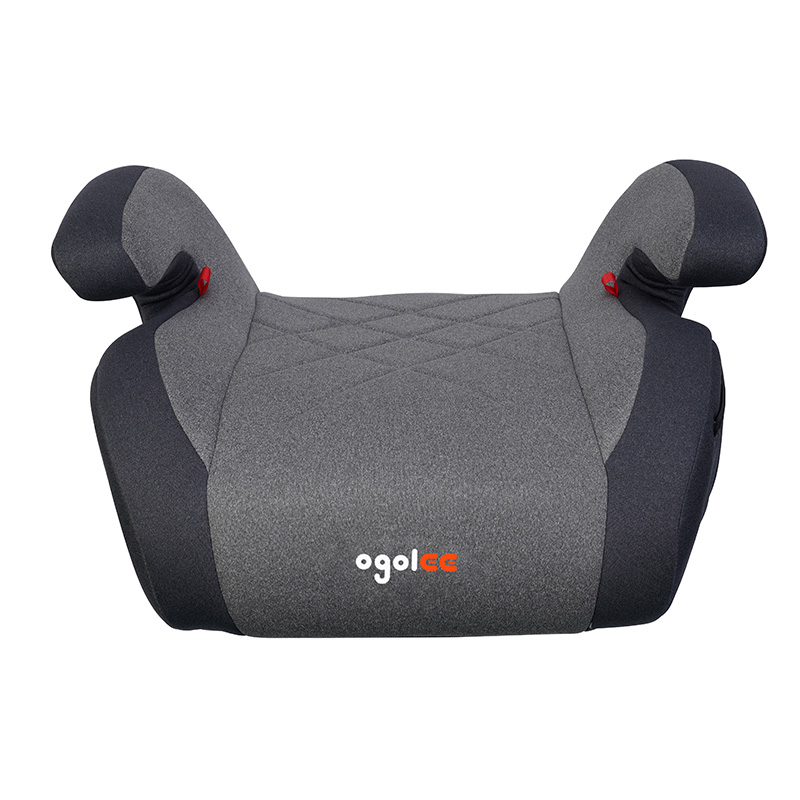
A R129 car seat for 100–150cm children is designed for a specific stage of child growth and is commonly developed around the use of the vehicle's three-point seat belt. For importers, distributors, retailers and child safety product brands, sourcing this type of car seat requires consideration of more than product appearance and price. Height range, regulatory approval, installation configuration, head support, product structure, vehicle compatibility, packaging and OEM requirements should all be evaluated before bulk purchasing.
Why the 100–150cm Height Range Matters
R129 uses the child's height as an important reference when determining the appropriate child restraint category. This makes the 100–150cm range particularly relevant for buyers developing a product range for growing children. Instead of selecting a car seat only according to age, buyers should consider the actual height range covered by the approved product configuration and whether the seat provides appropriate support throughout that range.
For distributors, a product covering a defined height range can also make product positioning and retail communication clearer. The supplier should provide accurate information about the applicable height range, installation method and approval scope so that the product information used for different markets remains consistent.
What Should Buyers Know About R129?
UN ECE R129 is a regulation covering child restraint systems. When purchasing an R129 car seat, buyers should not evaluate compliance simply from a product description or label. The applicable approval documentation, product configuration and production version should be checked with the manufacturer. If a product has different installation or configuration options, the buyer should also confirm which configuration is included within the relevant approval.
Procurement tip: Ask the supplier for the applicable R129 approval information and confirm that the specification, installation system, materials and production configuration supplied for your order correspond to the approved product.
High-Back Design and Adjustable Head Support
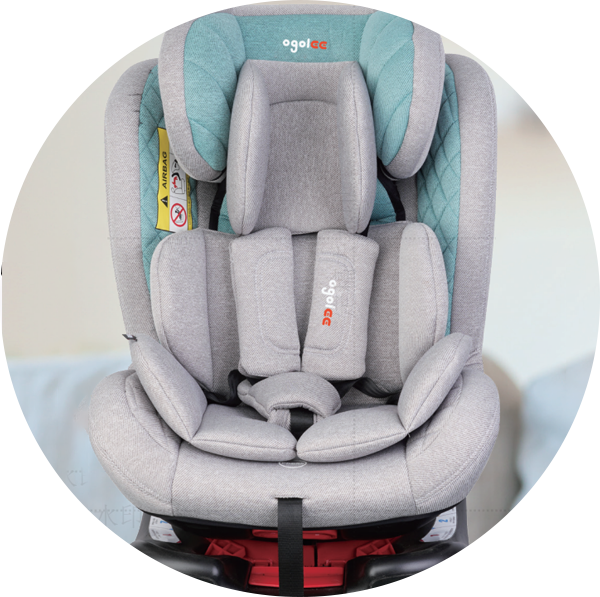
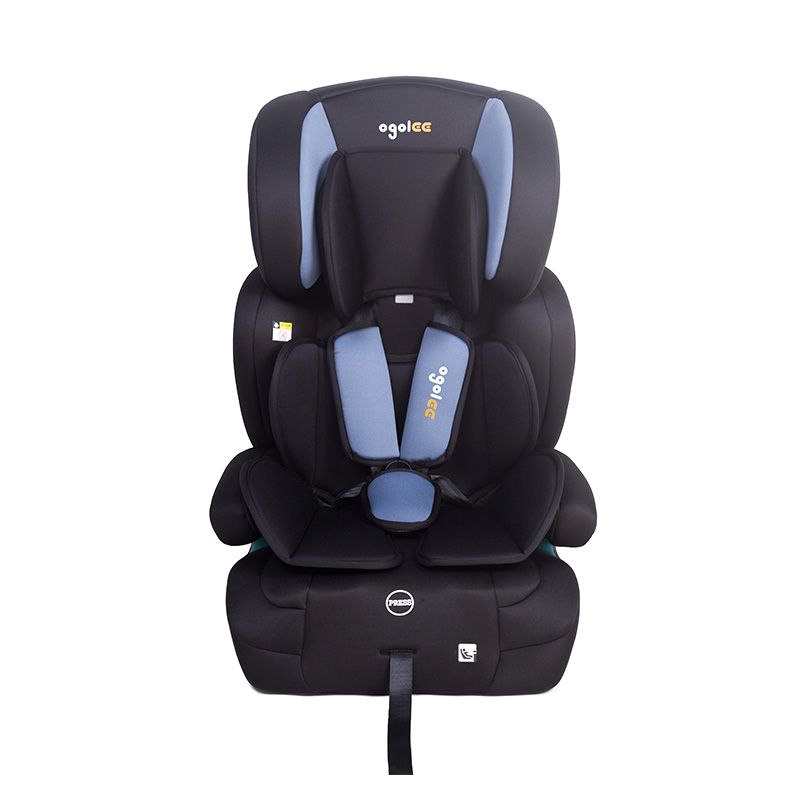
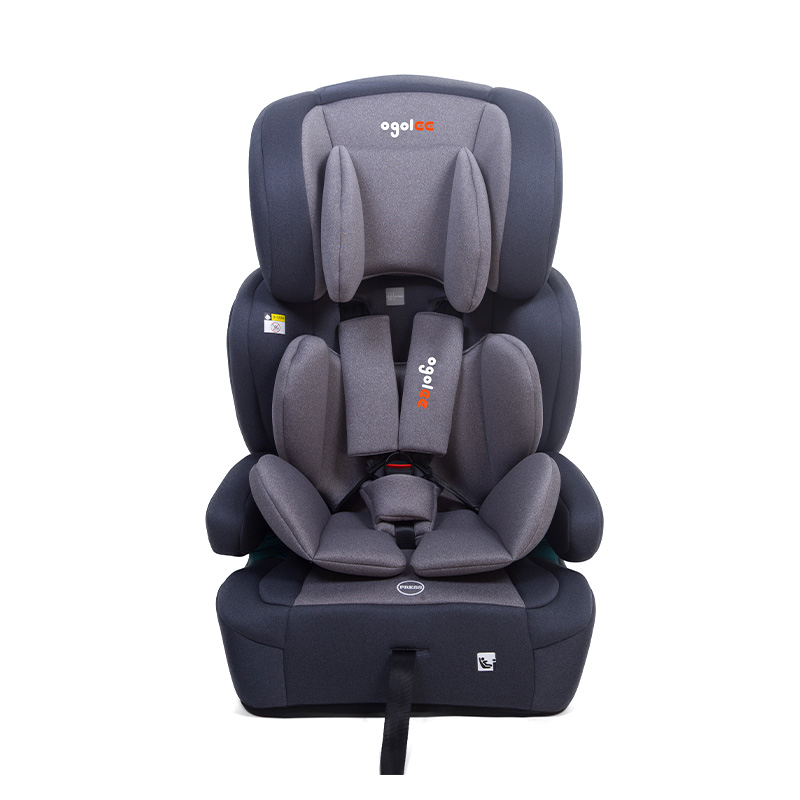
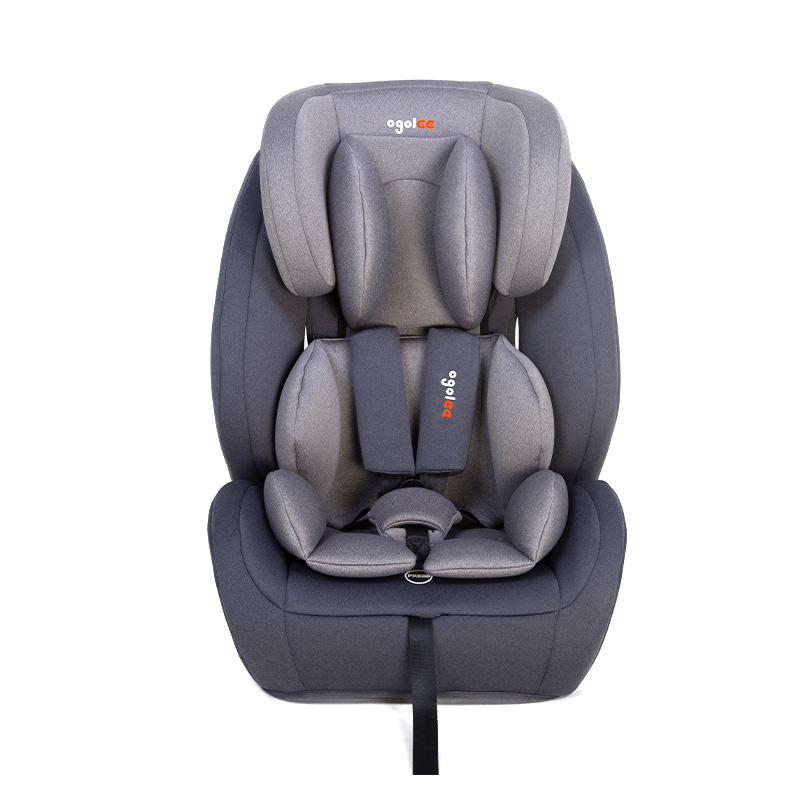
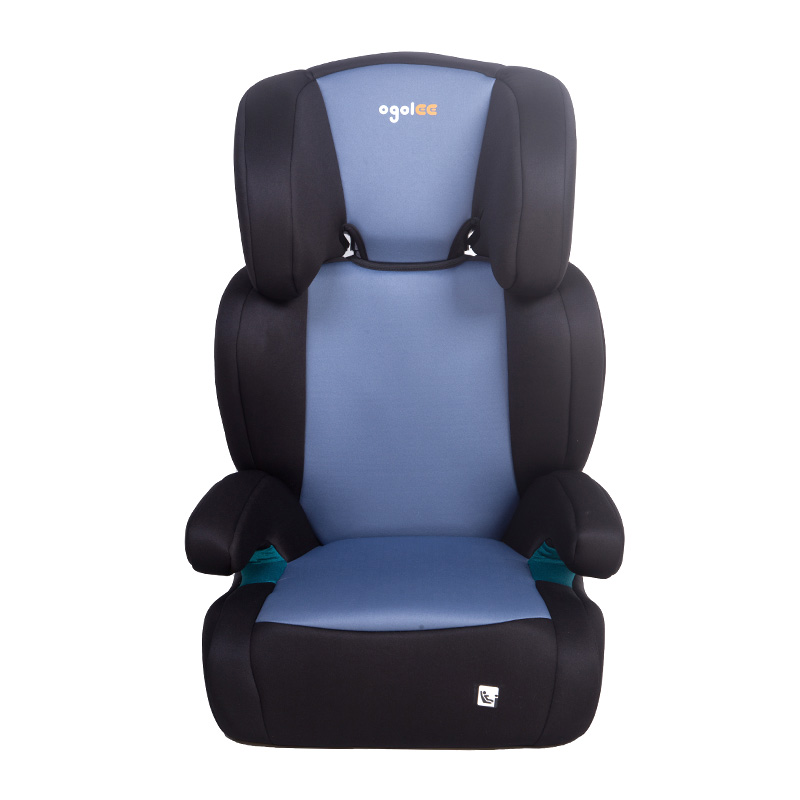
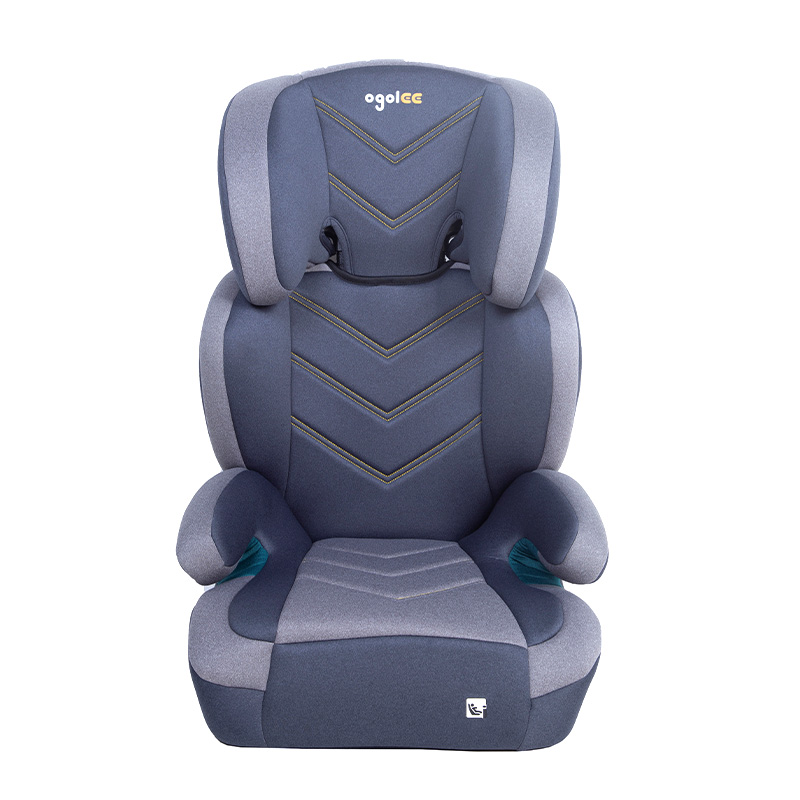
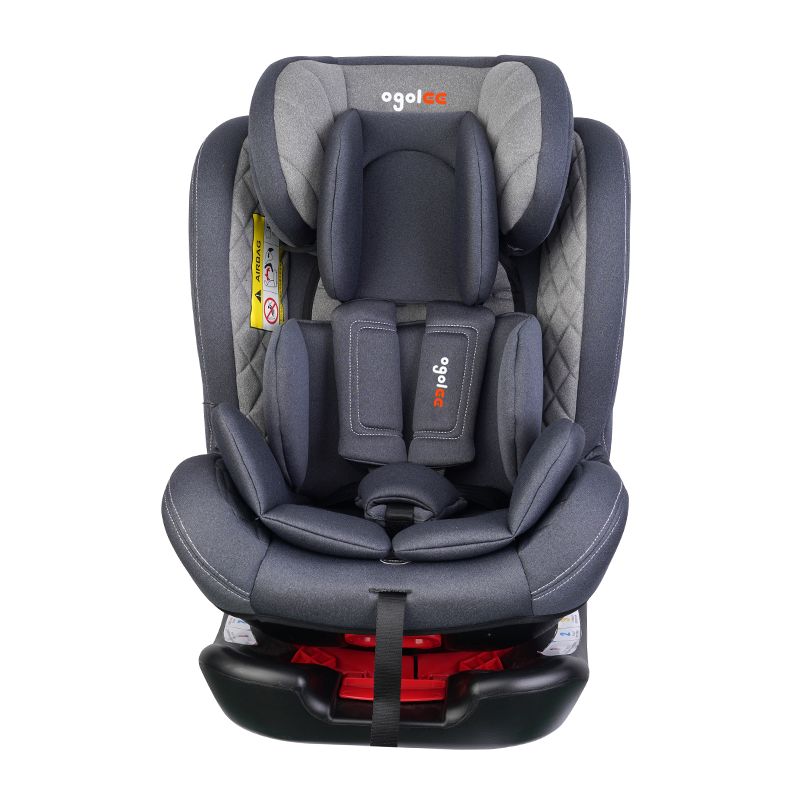
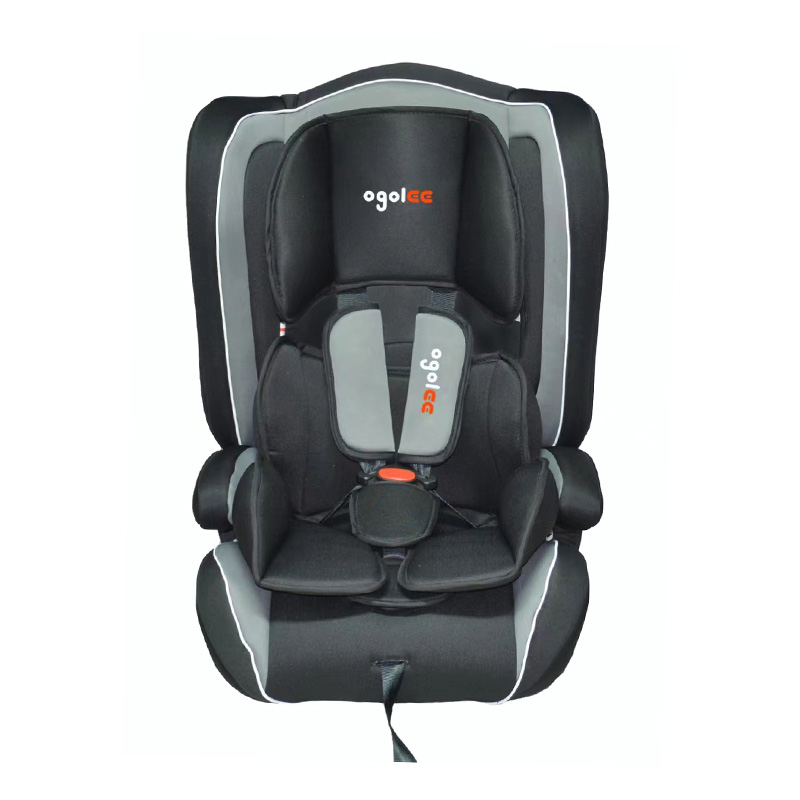
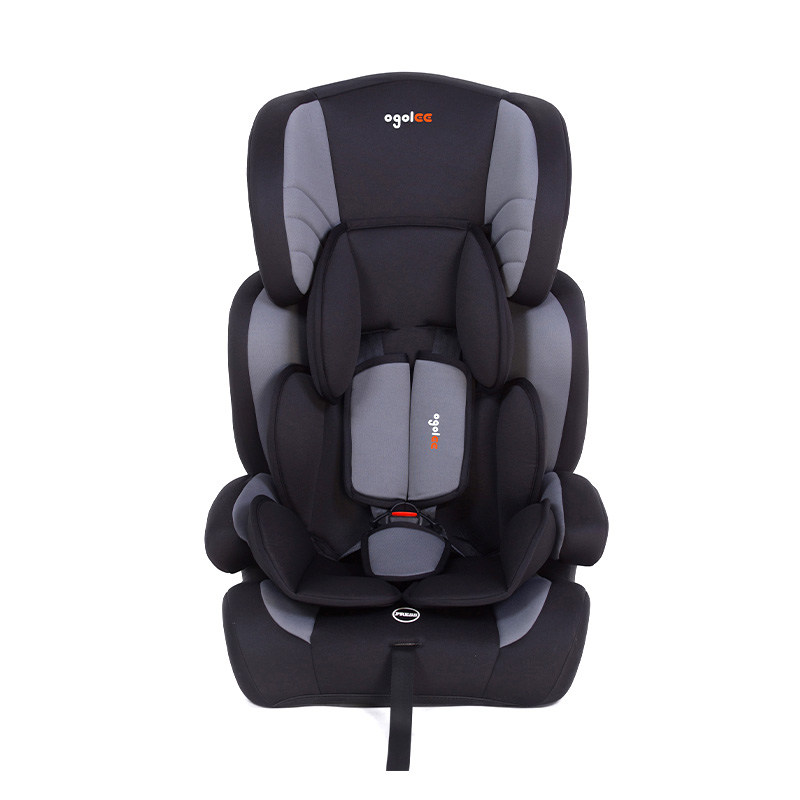
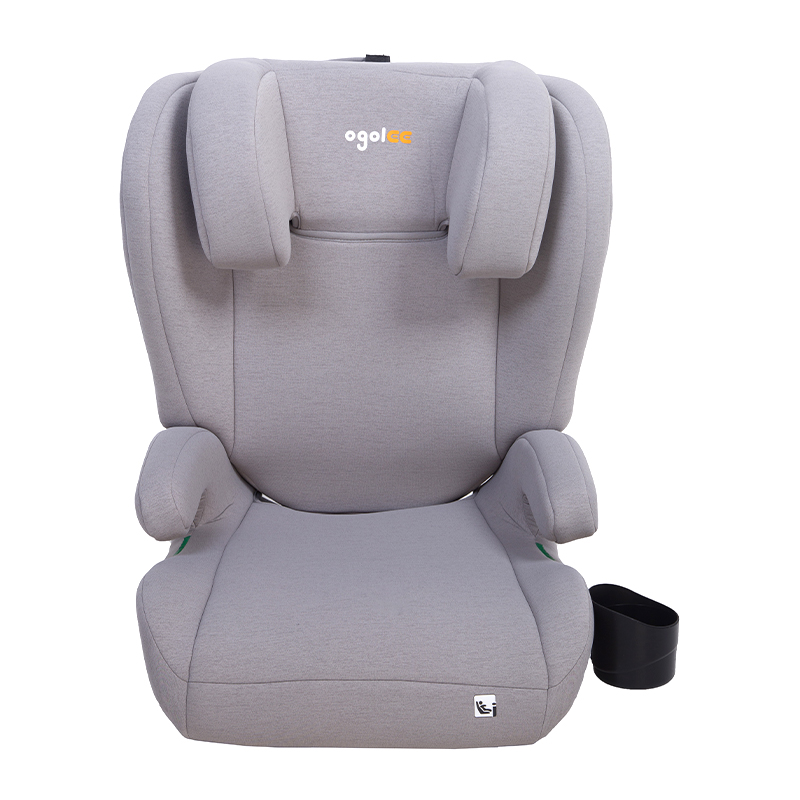
For 100–150cm products, the seat structure becomes an important part of product selection. A high-back design provides support around the child's back and head, while an adjustable headrest allows the seating position to be adapted as the child grows. Buyers should therefore evaluate the relationship between the headrest adjustment range, shoulder area, seat width and belt-routing design rather than looking at the headrest as an isolated feature.
| Product area |
Buyer evaluation |
| Headrest |
Adjustment range, operating method and suitability for the specified height range |
| Backrest |
Overall support, structure and compatibility with the intended vehicle seat |
| Shoulder area |
Relationship with vehicle seat belt positioning and child fit |
| Seat base |
Dimensions, stability, construction and installation configuration |
ISOFIX or Vehicle Seat Belt Installation
Installation configuration is another major consideration when sourcing a child car seat. Some markets and vehicle applications require or prefer ISOFIX, while other applications may rely on the vehicle's three-point seat belt. An ISOFIX-equipped product can have different installation characteristics from a seat designed around belt installation, so buyers should confirm the exact configuration rather than assuming that an optional feature applies to every version.
Before placing an order, importers should provide the supplier with the target market and installation requirements. This helps determine whether an ISOFIX configuration, a non-ISOFIX configuration or another approved version is appropriate for the project.
How to Select an R129 Car Seat for Wholesale
For wholesale and distribution projects, the lowest unit price is not the only factor affecting the final purchasing cost. Buyers should evaluate the complete product specification and supply conditions:
- Confirm the required child height range and product category.
- Verify the applicable R129 approval and supporting documentation.
- Confirm ISOFIX or vehicle seat belt installation requirements.
- Review product dimensions, net weight and packaging dimensions.
- Check adjustment functions and material specifications.
- Discuss MOQ, sample approval and mass-production requirements.
- Confirm carton quantity, CBM and container loading information.
- Review labeling, instruction manuals and packaging requirements for the target market.
- Determine whether logo, color, fabric or other OEM customization is required.
OEM and Private Label Considerations
For brands and distributors developing their own child safety product range, an OEM R129 car seat project usually involves more than adding a logo. Product appearance, fabric and color selection, branding method, packaging, manuals, labeling and configuration may need to be coordinated with the supplier.
Buyers should define customization requirements at the quotation stage. If the project involves an approved R129 product, changes to the product configuration should also be discussed with the manufacturer before production to determine whether additional approval or testing considerations apply.
Information to Include in an R129 Car Seat RFQ
A detailed RFQ allows manufacturers to evaluate the project more accurately and helps buyers compare different suppliers using the same criteria. A typical inquiry should include:
Target Market 100–150cm Height Range R129 Requirement ISOFIX Configuration Order Quantity OEM Branding Packaging Delivery Schedule
For buyers looking for a R129 car seat manufacturer or wholesale supplier, providing these details at the beginning of the project can make product selection, quotation, customization and production communication more efficient.

 English
 Español
 Deutsch
 русский