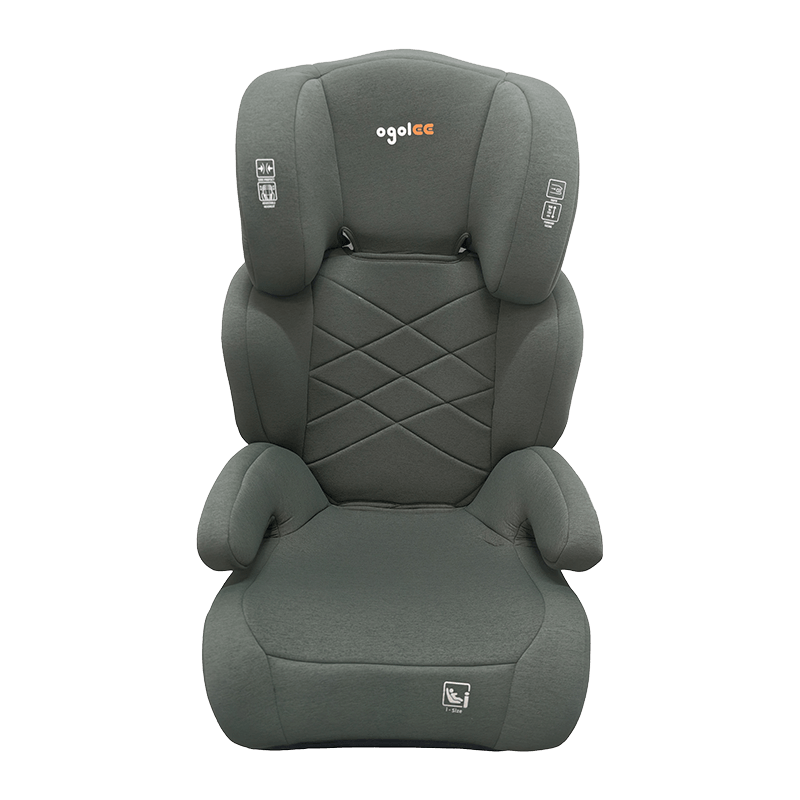
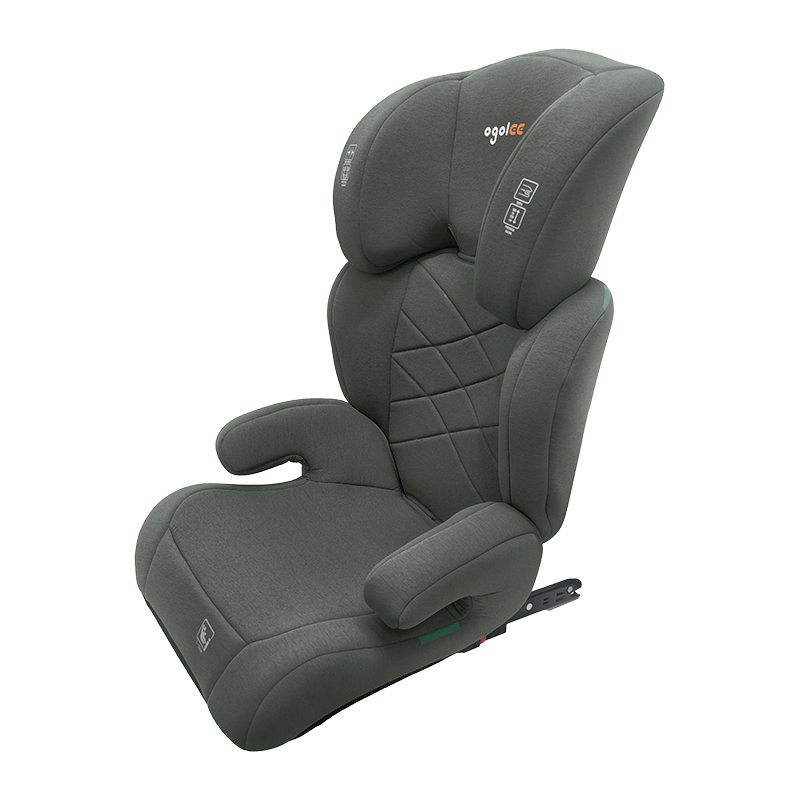
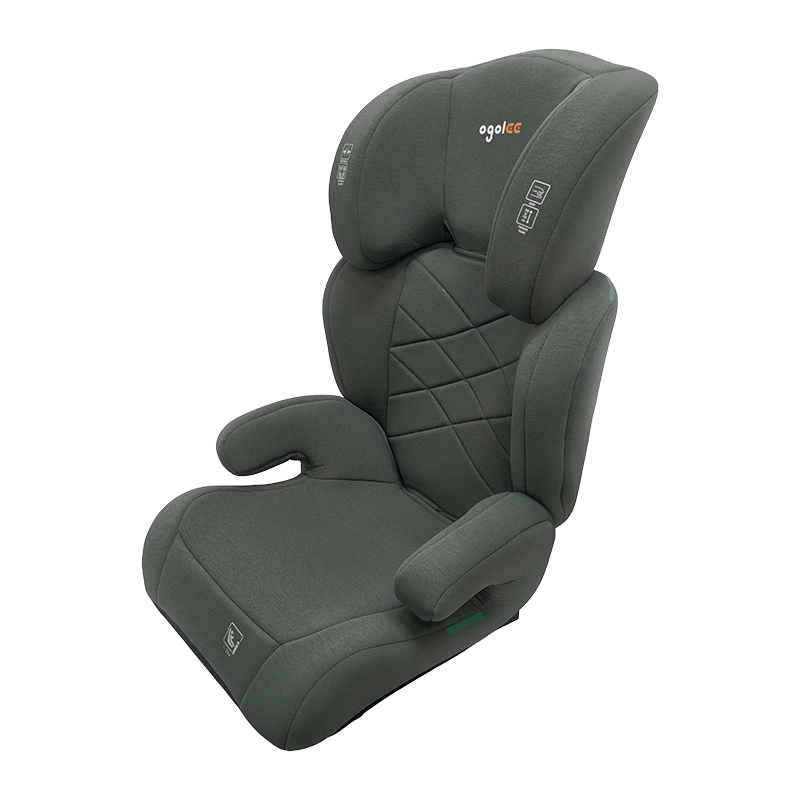
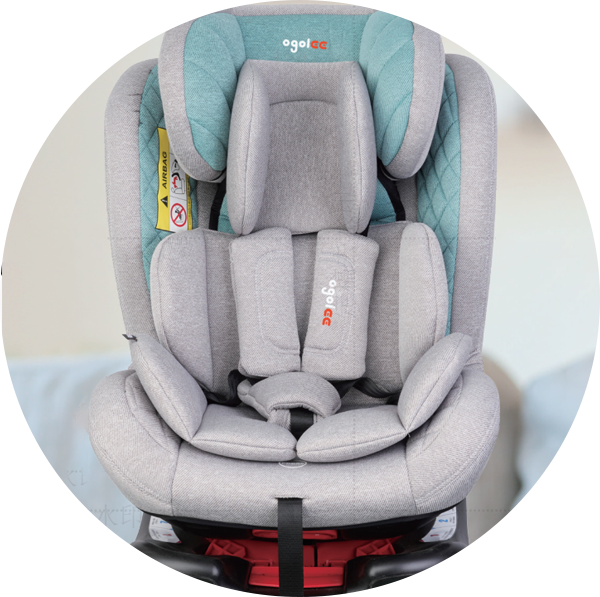
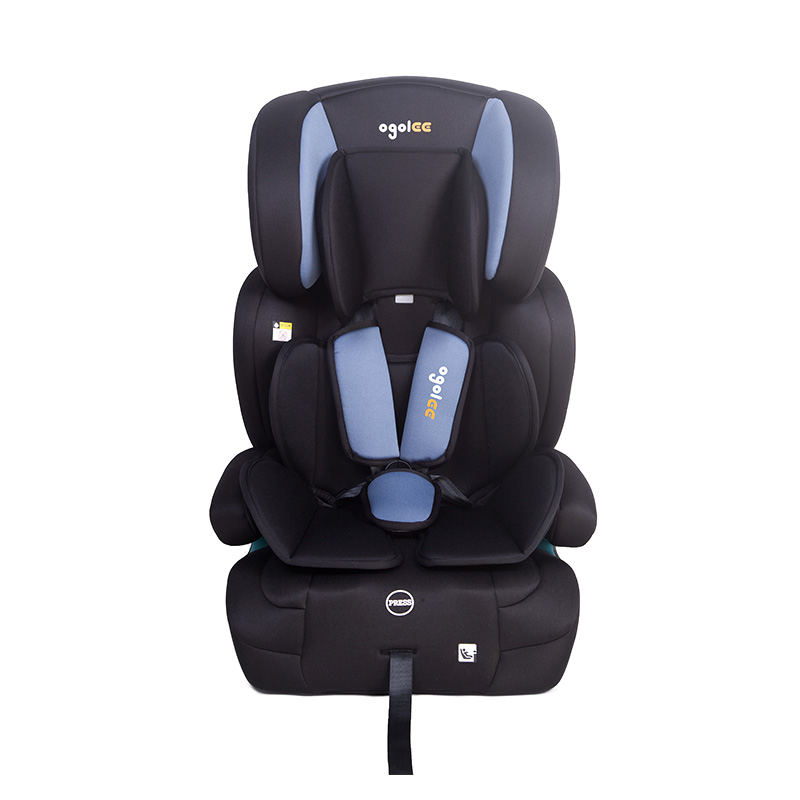
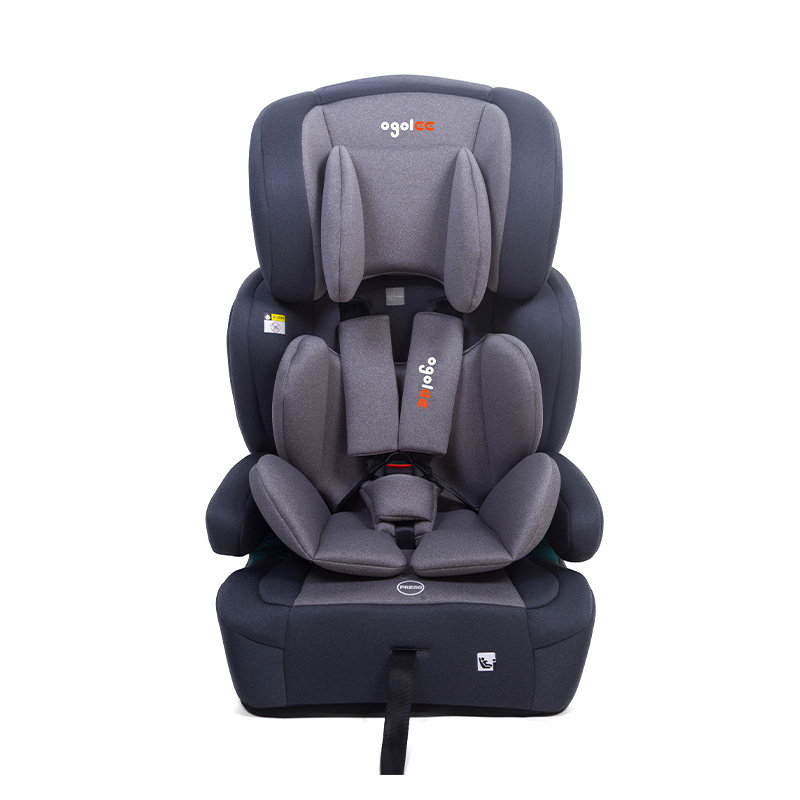
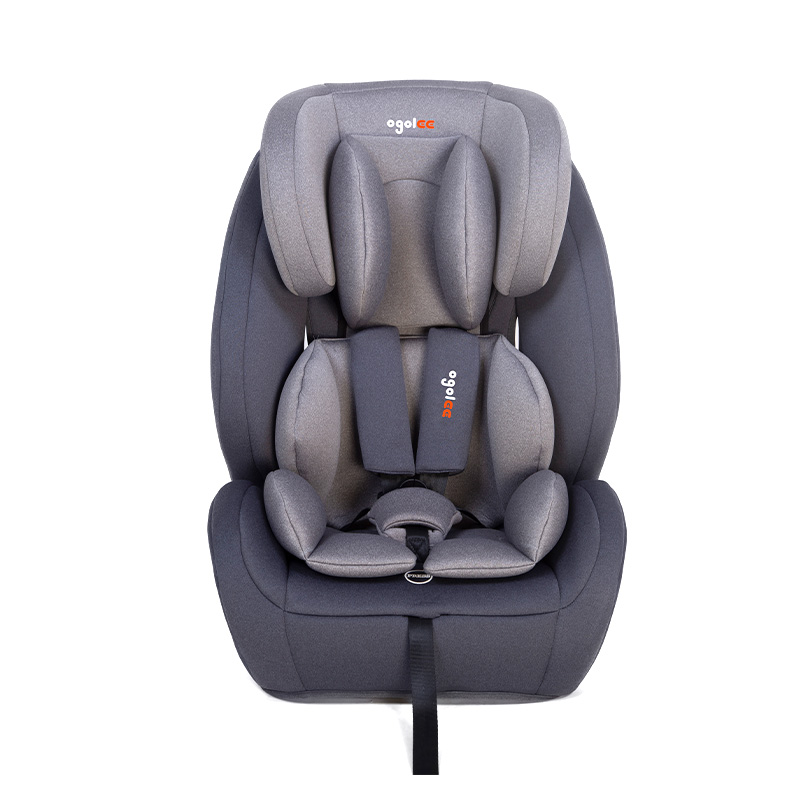
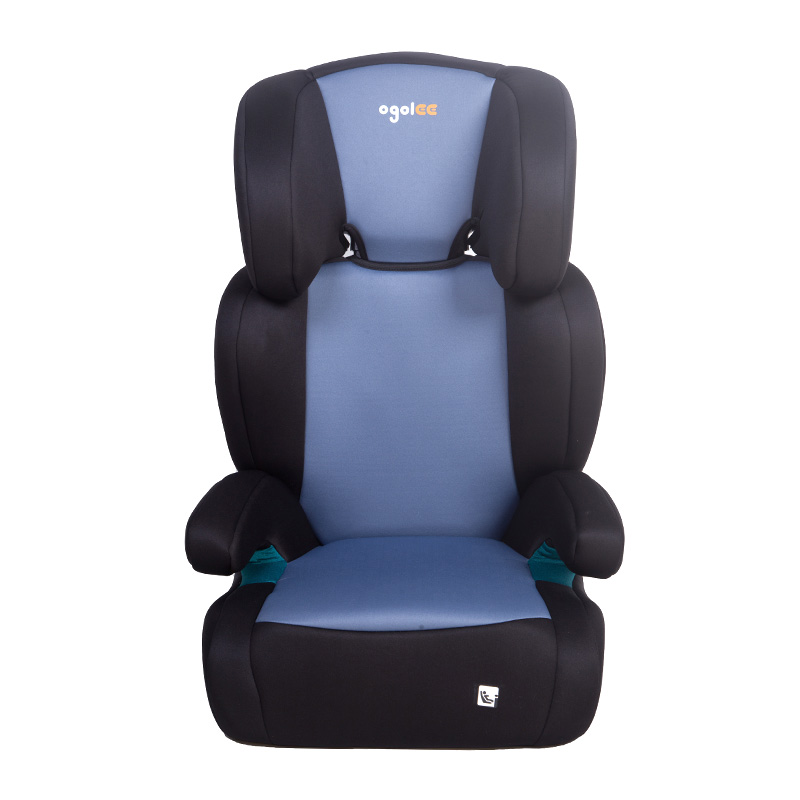
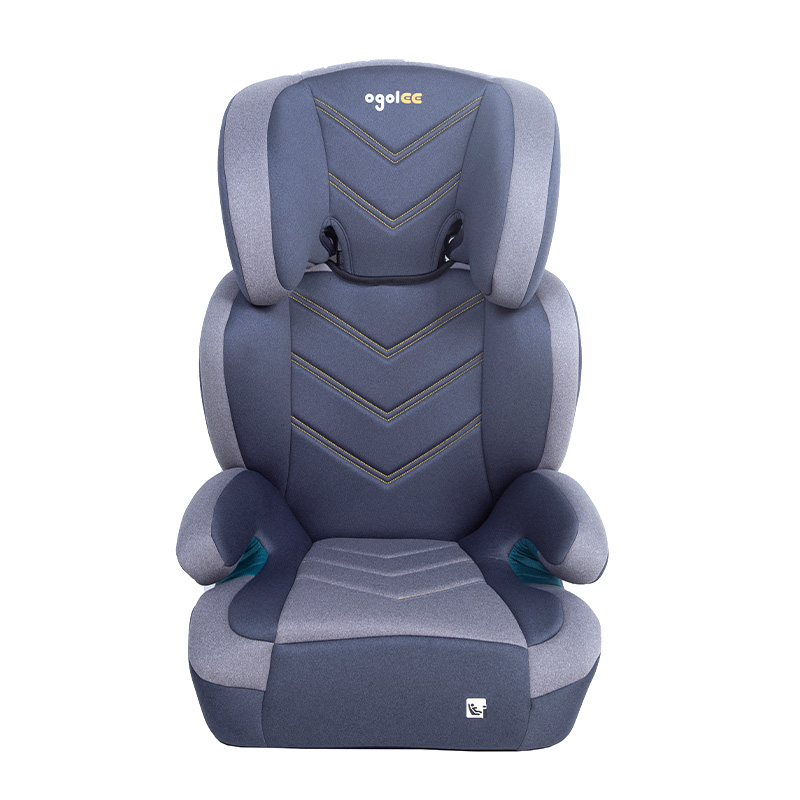
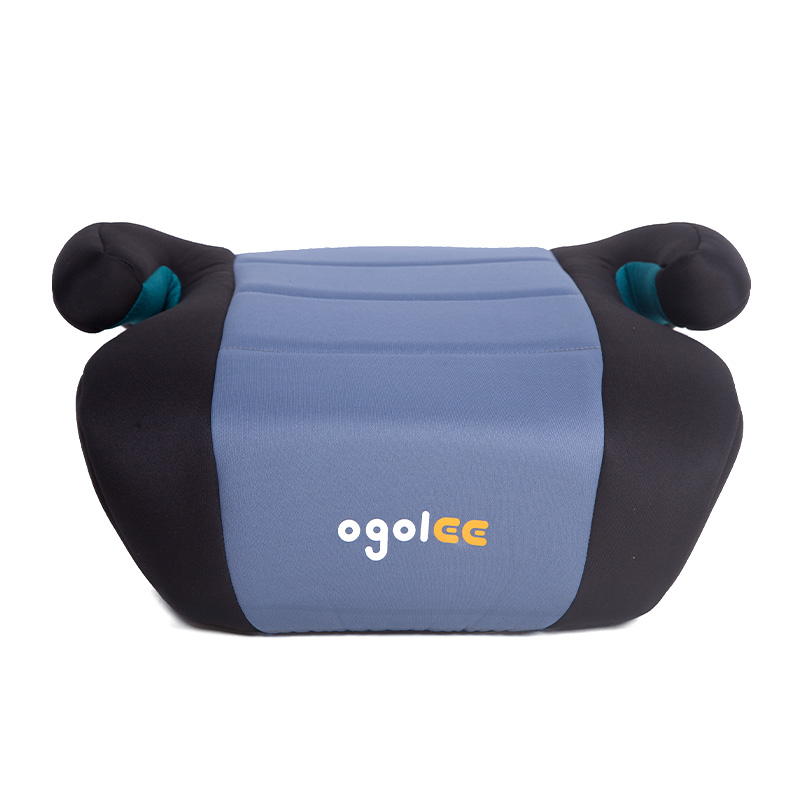
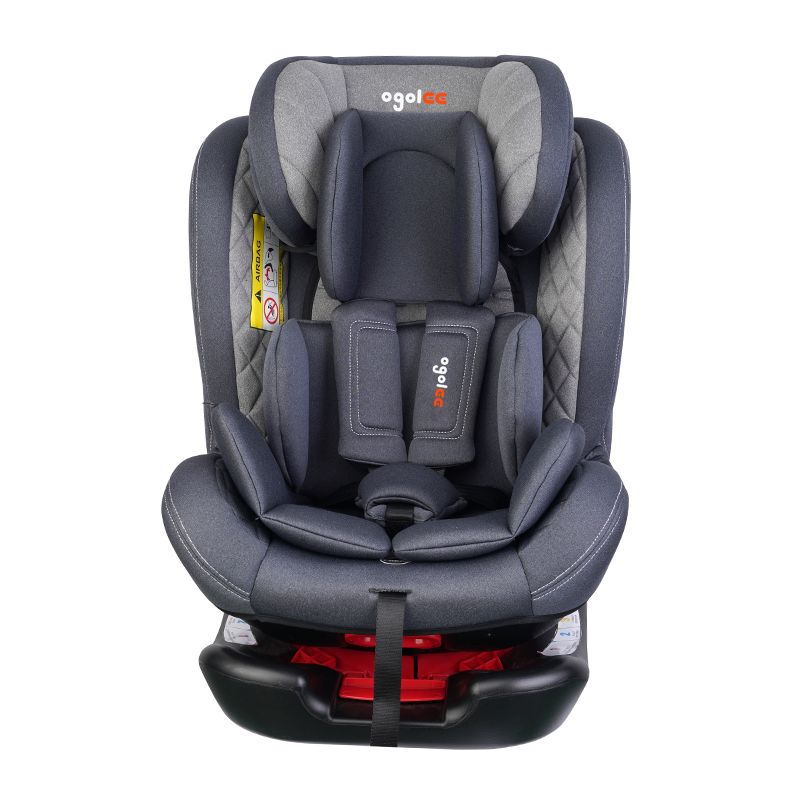
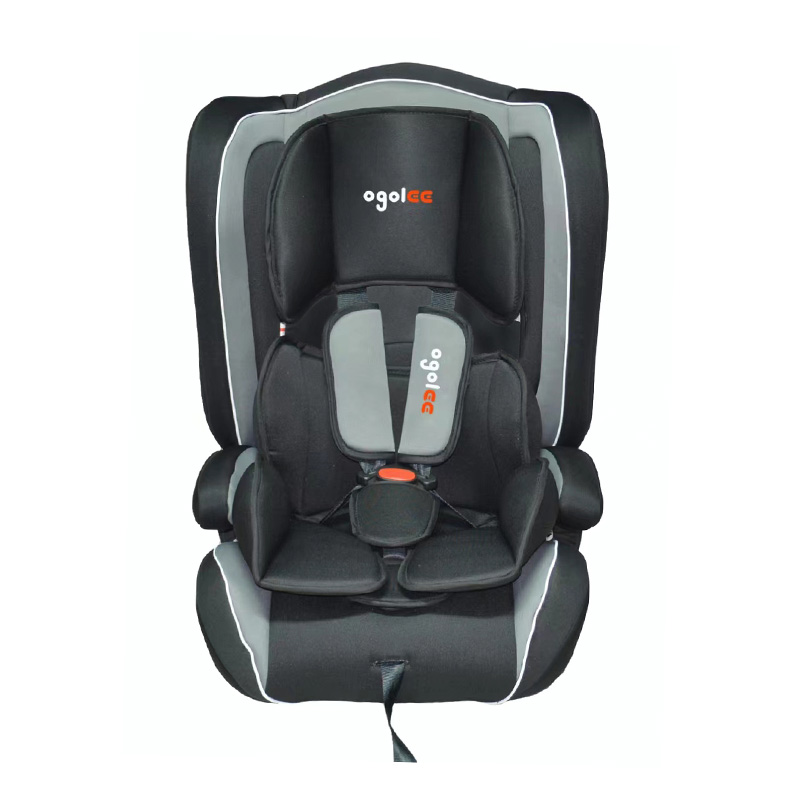
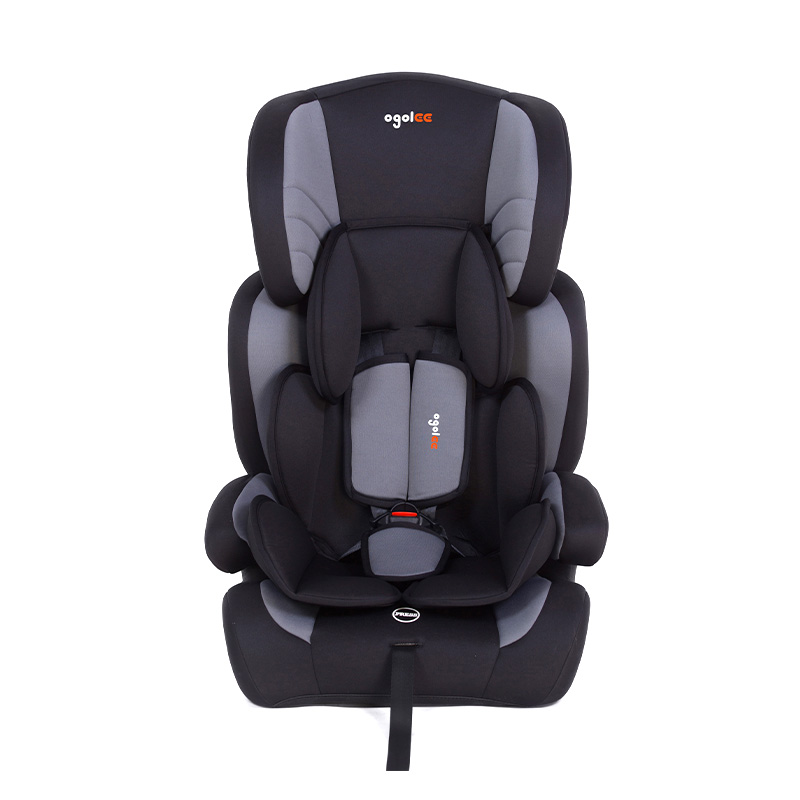
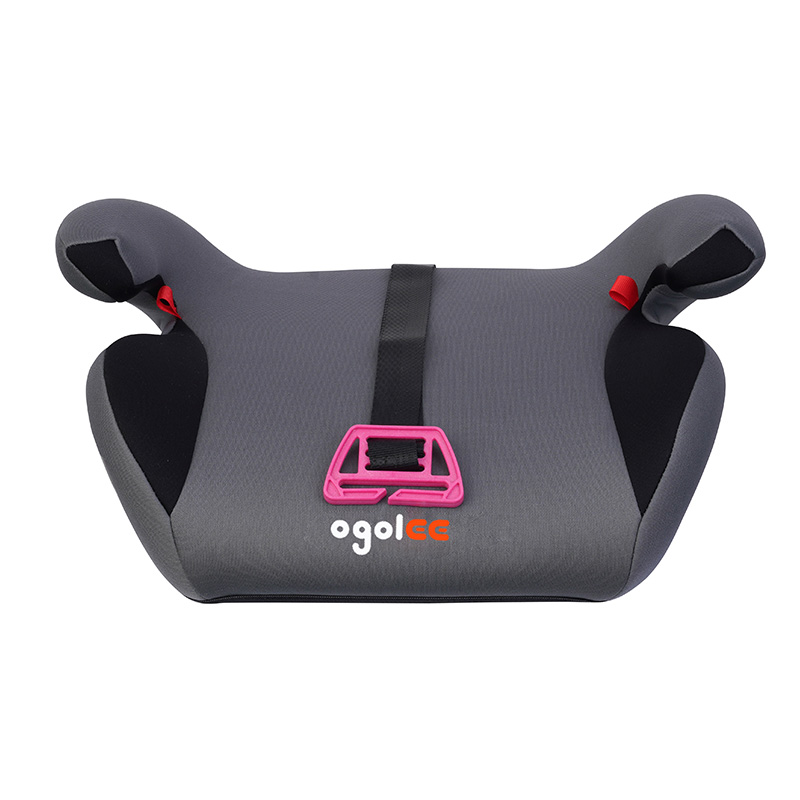
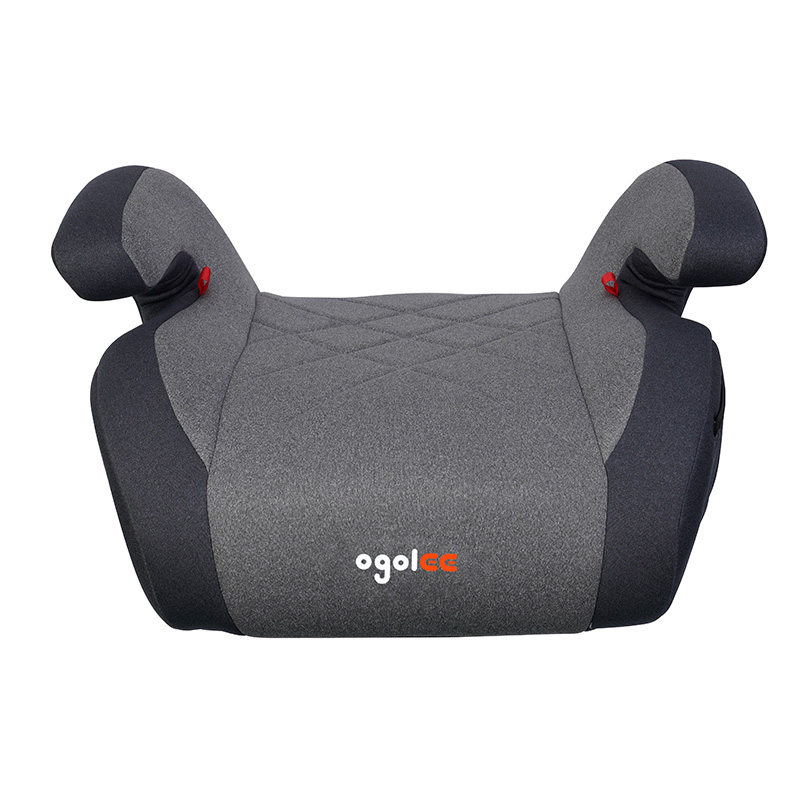
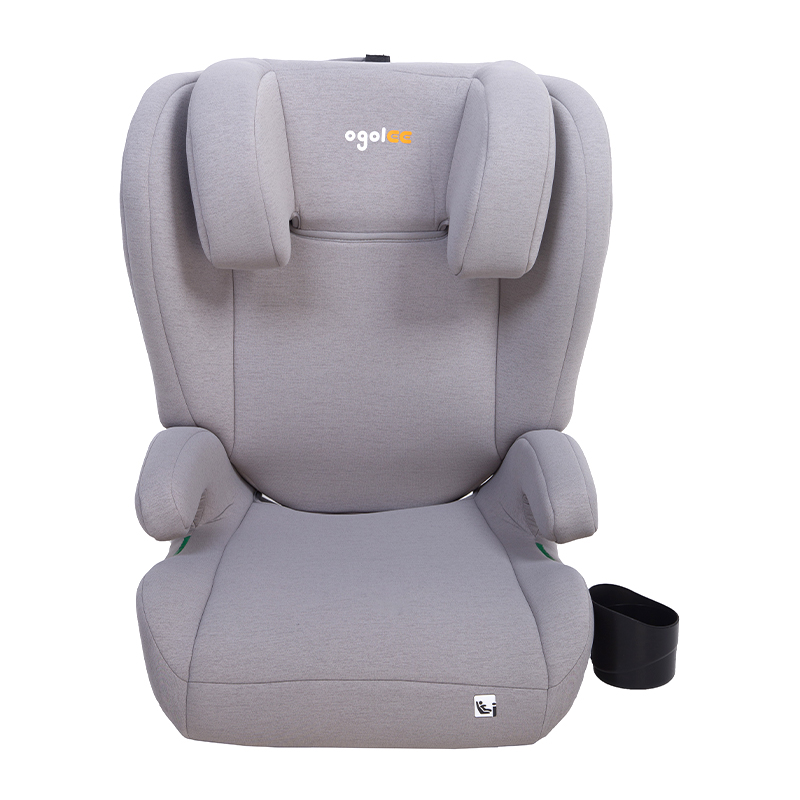
The OG 301B is a child restraint system developed under the ECE R129 regulation, designed for children with a stature range of 100-150cm. This height-based classification aligns with the i-Size framework, which categorizes child seats according to standing height rather than weight alone. Ningbo Yougaole Child Products Co., Ltd. manufactures this model as part of its full-series baby car seat portfolio, with the product holding ECE R129 type approval.
Regulatory Context: ECE R129
ECE R129, also referred to as the i-Size regulation, introduces several technical requirements that differ from the earlier ECE R44 standard. Key points include:
- Mandatory side impact protection testing
- Height based categorization replacing weight based groups
- Requirement for ISOFIX installation for most height ranges
- Extended rearward facing encouragement through improved test protocols
The 100-150cm Height Range
The 100-150cm range corresponds approximately to children aged 3.5 to 12 years. Products in this category typically function as high back boosters, positioning the vehicle seat belt correctly across the child's shoulder and pelvis. The R129 regulation mandates that seats in this range demonstrate compliance through frontal, rear, and side impact dynamic testing using specified anthropometric dummies.
Embossing as a Surface Treatment
Embossing refers to a manufacturing process in which a raised or recessed pattern is pressed into fabric or foam surfaces. In the context of the OG 301B, embossing is applied to the seat cover material. The technical functions include:
- Increased surface friction to reduce occupant movement
- Improved air circulation through patterned channels
- Enhanced visual differentiation without additional printing
- Durable texture that resists flattening under repeated loading
Application Scope
The OG 301B is intended for use in passenger vehicles equipped with ISOFIX anchor points and a three point seat belt. Installation follows the vehicle manufacturer's compatibility list. The seat is not designed for use on rear facing vehicle seats with active front airbags unless the airbag is deactivated. The product is suitable for daily commuting, long distance travel, and fleet applications where consistent safety performance is required.
Comparison: R129 vs R44 for 100-150cm
| Parameter |
ECE R44 Group 2/3 |
ECE R129 100-150cm |
| Classification basis |
Weight (15-36kg) |
Standing height (100-150cm) |
| Side impact test |
Not required |
Mandatory |
| ISOFIX requirement |
Optional |
Required for this range |
| Dummy specification |
P-series dummies |
Q-series dummies |
Manufacturing and Quality Control
Ningbo Yougaole Child Products Co., Ltd. operates an internal R&D team responsible for product design, structural simulation, and compliance testing coordination. The OG 301B undergoes production line conformity assessments as required under ECE R129. Each production batch is subject to material inspection, dimensional verification, and functional checks including ISOFIX connector engagement and belt guide performance.
Frequently Asked Questions
What does the 100-150cm designation mean for parents?
Parents should measure the child's standing height without shoes. When the child reaches 100cm, the seat becomes applicable. The seat should be used until the child exceeds 150cm or can achieve proper seat belt fit in the vehicle alone, whichever is later under R129 guidance.
Is the embossed surface cleanable?
The embossed cover material is designed for standard cleaning with mild detergent and water. The raised pattern does not affect cleanability. Cover removal and reinstallation should follow the user manual instructions.
Does the OG 301B require a top tether?
The installation requirements depend on the specific approval configuration. Users must consult the product manual and the vehicle compatibility list provided with each unit. Incorrect installation may compromise crash performance.
What is the expected service life?
Under normal use conditions, the product service life is defined by the manufacturer based on material degradation testing and regulatory guidance. Users should check the production date label and follow replacement intervals specified in the user manual.

 English
 Español
 Deutsch
 русский