 English
 Español
 Deutsch
 русский

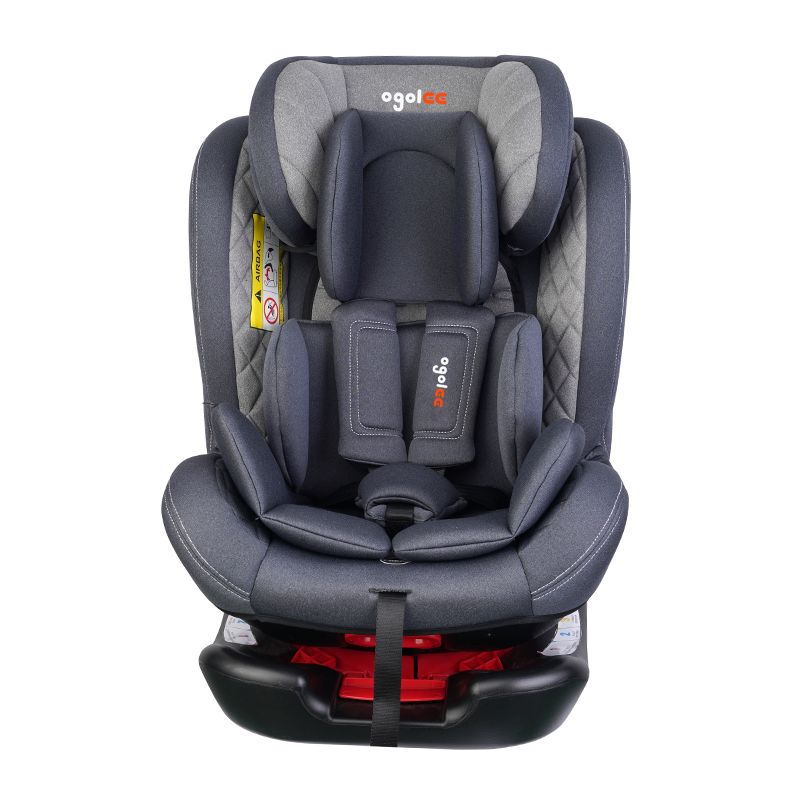
The R129 baby car safety seat offers superior crash protection, extended rear-facing capability, side-impact shielding, and compliance with the most stringent European safety regulations — making it the safest choice available for infants and young children today.
If you are a parent searching for the safest way to transport your newborn or toddler, understanding what makes the R129 baby car safety seat different from older standards is essential. In this comprehensive guide, we break down every key benefit, compare it to legacy seats, and answer the most common questions parents ask before making this critical purchase.
Content
- 1 What Is the R129 Standard?
- 2 Core Benefits of the R129 Baby Car Safety Seat
- 3 Extended Rear-Facing: Why It Matters So Much
- 4 R129 vs R44: Side-by-Side Comparison
- 5 How to Choose the Right R129 Baby Car Safety Seat
- 6 Installation Tips for Maximum Safety
- 7 Frequently Asked Questions (FAQ)
- 8 Conclusion: Is the R129 Baby Car Safety Seat Worth It?
What Is the R129 Standard?
The R129 standard, also known as i-Size, is the latest European child car seat regulation introduced by the United Nations Economic Commission for Europe (UNECE). It replaced the older ECE R44 regulation and sets a dramatically higher benchmark for child passenger safety.
Any R129 baby car safety seat must pass rigorous tests that simulate both frontal and side-impact collisions — a requirement that was absent in earlier standards. The seat must also be compatible with the ISOFIX anchoring system, ensuring a secure and standardized connection to your vehicle.
Key Principles Behind the R129 Regulation
- Height-based classification instead of weight-based, ensuring a better fit as children grow
- Mandatory side-impact testing for every approved seat
- Required ISOFIX compatibility for a rigid, stable connection
- Extended rear-facing requirement until at least 15 months of age
- Enhanced harness and load leg standards to reduce forward movement in a crash
Core Benefits of the R129 Baby Car Safety Seat
Parents who invest in an R129 baby car safety seat gain a wide array of safety, comfort, and convenience advantages. Here is an in-depth look at each major benefit:
1. Superior Crash Protection
The most important benefit of any R129 baby car safety seat is its dramatically improved crash performance. Unlike older seats, R129-certified seats must pass standardized side-impact tests at a minimum speed of 50 km/h. In a real-world collision, a side impact can be particularly devastating because the door is only a few inches from your baby's head. The R129 seat's reinforced shell, energy-absorbing foam, and deep side wings work together to redirect crash forces away from the child's most vulnerable areas — the head, neck, and spine.
2. Height-Based Sizing for a Better Fit
Traditional car seats were classified by the child's weight. The R129 standard switched to height-based classification, which is a more accurate predictor of a child's physical development. A seat fitted by height ensures that the harness sits at the correct points on the child's shoulders and hips, maximizing protection across the child's entire body. This reduces the risk of incorrect seat selection that so many parents faced under the older weight-based system.
3. Mandatory ISOFIX Connection
Every R129 baby car safety seat must use the ISOFIX anchoring system. ISOFIX connects the seat directly to the car's rigid frame through dedicated anchor points, eliminating the risk of installation errors caused by seat belt misrouting. Studies consistently show that a significant percentage of child car seats are incorrectly installed when using a seat belt alone. ISOFIX virtually eliminates this problem, giving parents genuine peace of mind.
4. Load Leg for Rotational Control
Most R129 baby car safety seats incorporate a load leg — a support leg that extends from the seat base to the floor of the vehicle. In a frontal collision, the load leg dramatically reduces the rotation of the seat, which in turn limits the forward movement of the child's head. This is one of the most significant structural differences between R129 and older seat designs, and it contributes meaningfully to reducing the risk of serious head and neck injuries.
5. Extended Rear-Facing Travel
The R129 regulation mandates that all seats support rear-facing travel until a child reaches at least 15 months of age. Many R129 seats extend this capability well beyond that, supporting rear-facing use up to 105 cm in height. Rear-facing is scientifically proven to be the safest travel position for young children. When a child faces rearward, the seat cradles and moves with them in a frontal crash — spreading crash forces over the entire back, shoulders, and head rather than concentrating them on the harness straps.
6. Advanced Side-Impact Protection (SIP)
The deep, padded side wings of an R129 baby car safety seat create a protective cocoon around your child's head and torso. In the event of a T-bone collision — where another vehicle strikes the side of your car — these side-impact protection structures absorb and dissipate energy before it can reach your baby. Many premium R129 seats include adjustable headrests with integrated SIP that grow with the child, maintaining optimal protection at every stage.
7. Long-Term Value and Extended Use
A well-chosen R129 baby car safety seat can accommodate your child from birth through toddlerhood and sometimes into early childhood — spanning from approximately 40 cm to 105 cm in height. This extended usability means you may only need one or two seats throughout your child's early years, representing excellent long-term value despite the higher initial investment compared to older-standard seats.
8. Comfort and Ergonomic Design
Modern R129 baby car safety seats are engineered with infant ergonomics in mind. Recline positions allow newborns to lie at a safe angle that keeps their airway open — critical for babies who cannot yet hold their heads upright. Breathable fabric inserts, adjustable harness heights, and multi-position recline ensure your baby remains comfortable on both short trips and longer journeys.
Extended Rear-Facing: Why It Matters So Much
Child safety experts and pediatricians worldwide agree: rear-facing is the safest position for infants and toddlers in a moving vehicle. Here is why the rear-facing capability of an R129 baby car safety seat is one of its most valuable features:
- A baby's head accounts for approximately 25% of their total body weight, making the neck extremely vulnerable to whiplash forces
- In a rear-facing seat, crash energy is spread across the entire back, neck, and head simultaneously
- Rear-facing reduces the risk of fatal head and spinal injury by up to 5 times compared to forward-facing in the same collision
- The R129 standard ensures your child stays rear-facing during the most critical period of spinal development
R129 vs R44: Side-by-Side Comparison
Understanding the difference between the R129 baby car safety seat and the older R44 standard helps parents make a more informed decision. The table below highlights the most critical distinctions:
| Feature | R129 (i-Size) | R44 (Older Standard) |
|---|---|---|
| Classification Basis | Height-based | Weight-based |
| Side-Impact Test | Mandatory | Not required |
| ISOFIX Requirement | Mandatory | Optional |
| Rear-Facing Requirement | Mandatory until 15 months | Not mandated |
| Load Leg | Commonly included | Rarely included |
| Vehicle Compatibility Check | Tested against approved vehicle list | Universal fitting assumed |
| Crash Test Speed | 50 km/h (side), 56 km/h (frontal) | 50 km/h (frontal only) |
| Overall Safety Level | Higher | Lower |
How to Choose the Right R129 Baby Car Safety Seat
Not all R129 baby car safety seats are identical. Here are the key factors to evaluate before purchasing:
Age and Height Range
Check the manufacturer's stated height range carefully. Some seats cover only the infant stage (40–75 cm), while extended seats cover from birth all the way to approximately 105 cm. Choosing a seat that grows with your child maximizes both safety and value.
Vehicle Compatibility
Unlike older seats, every R129 certified seat comes with an approved vehicle compatibility list. Always verify your specific car make, model, and year against this list. A seat may be certified under R129 but still require confirmation that it fits correctly in your particular vehicle.
Recline Positions
Newborns in particular need a flat or near-flat recline to ensure their airway remains open and their head does not slump forward. Look for a seat with a minimum of 3–5 recline positions, with the flattest position meeting the 40-degree recline guideline for infants.
Ease of Installation
Even with ISOFIX, some seats are easier to install than others. Look for clear color-coded indicators (green/red) that confirm the seat is correctly locked in place. A seat with an audible click confirmation and a visual indicator significantly reduces the risk of installation error.
Harness Adjustment System
A one-pull harness tightening system makes it faster and easier to correctly secure your baby every time. Avoid systems that require you to rethread the harness as your child grows — this is both inconvenient and a common source of error.
Installation Tips for Maximum Safety
Even the best R129 baby car safety seat is only as effective as its installation. Follow these guidelines to ensure your seat is always fitted correctly:
- Always connect both ISOFIX connectors until you hear or feel a firm click from each anchor point
- Extend the load leg firmly to the floor — never leave it raised when a child is in the seat
- Check that the angle indicator shows your seat is within the manufacturer's recommended recline range
- Ensure the harness lies flat and untwisted across your baby's chest and over the shoulders
- The harness should be snug enough that you cannot pinch any slack between your fingers at the child's collarbone
- Never place bulky coats under the harness — put coats on over the fastened harness if needed
- Refer to both the seat manual and your vehicle manual for model-specific guidance
Frequently Asked Questions (FAQ)
Q1: Is an R129 baby car safety seat mandatory?
In the EU and many other countries, child car seats must meet either the R44 or R129 standard. While R44 seats remain legal in most regions, the R129 standard is increasingly becoming the recommended baseline by road safety authorities and pediatric organizations. Some countries are phasing out R44 approval entirely for new seat models.
Q2: Can I use an R129 baby car safety seat in any car?
R129 seats require a vehicle with ISOFIX anchor points. Most cars manufactured after 2004 in Europe are equipped with ISOFIX. Always check the seat's approved vehicle list before purchasing.
Q3: Until what age should my child use a rear-facing R129 seat?
The R129 standard mandates rear-facing until at least 15 months. However, safety experts recommend keeping children rear-facing for as long as the seat's height limit allows — in many cases until 3–4 years of age.
Q4: How do I know if my R129 baby car safety seat is installed correctly?
Look for green confirmation indicators on the ISOFIX connectors, check that the load leg is fully extended and firm against the floor, and verify that the recline angle indicator is in the correct zone.
Q5: Do R129 baby car safety seats expire?
Yes. Most manufacturers recommend replacing a car seat after 6–10 years from the manufacture date, or immediately after any significant collision. Always check the expiry date stamped on the seat's label.
Q6: Are R129 seats more expensive than R44 seats?
R129 baby car safety seats can carry a higher price tag due to additional testing requirements. However, many extended-use R129 seats offer better long-term value by covering a wider height range, potentially replacing two or three separate R44 seats.
Q7: Can I buy a second-hand R129 baby car safety seat?
It is generally not recommended to purchase a second-hand car seat unless you know its full history. A seat that has been involved in a crash may have invisible structural damage that compromises its ability to protect your child.
Conclusion: Is the R129 Baby Car Safety Seat Worth It?
Absolutely. The R129 baby car safety seat represents the highest standard of child passenger protection available today. With mandatory side-impact testing, required ISOFIX anchoring, extended rear-facing capability, and a load leg to control seat rotation in a crash, every element of the R129 specification is designed to give your baby the best possible chance of surviving or avoiding injury in a collision.
When you choose an R129 certified seat, you are not just buying a product — you are investing in a scientifically validated system of protection during one of the riskiest activities your baby will routinely experience: traveling in a car. Given how much is at stake, the R129 standard is not just a recommendation — it is the clear, confident choice for every parent who wants the best for their child.
Before purchasing, always verify the seat is genuinely R129 certified (look for the orange label with the letter "E" followed by a country code and the number "129"), confirm vehicle compatibility, and read the installation manual thoroughly.