 English
 Español
 Deutsch
 русский

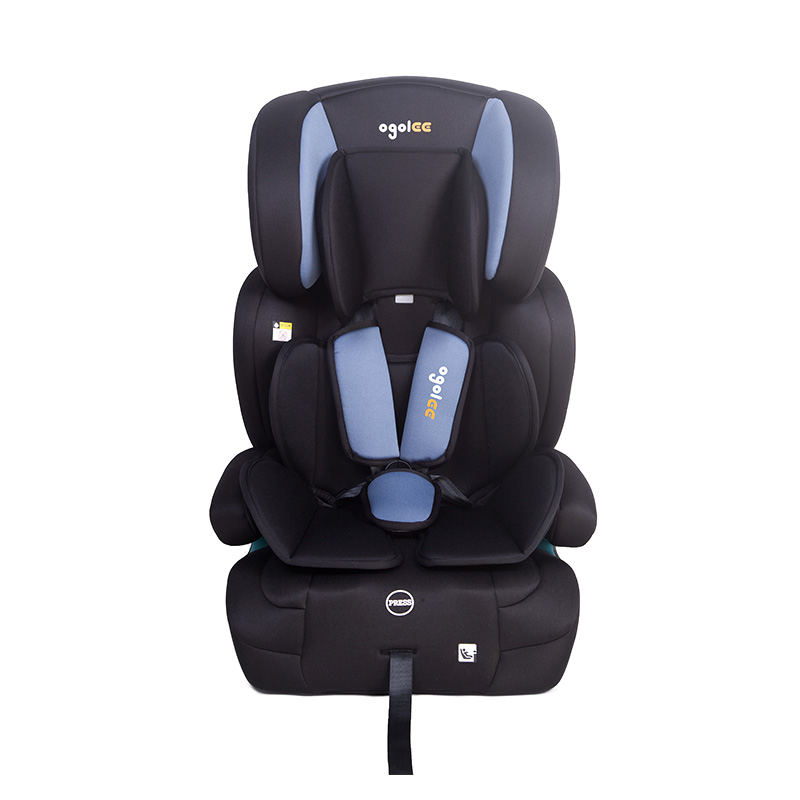
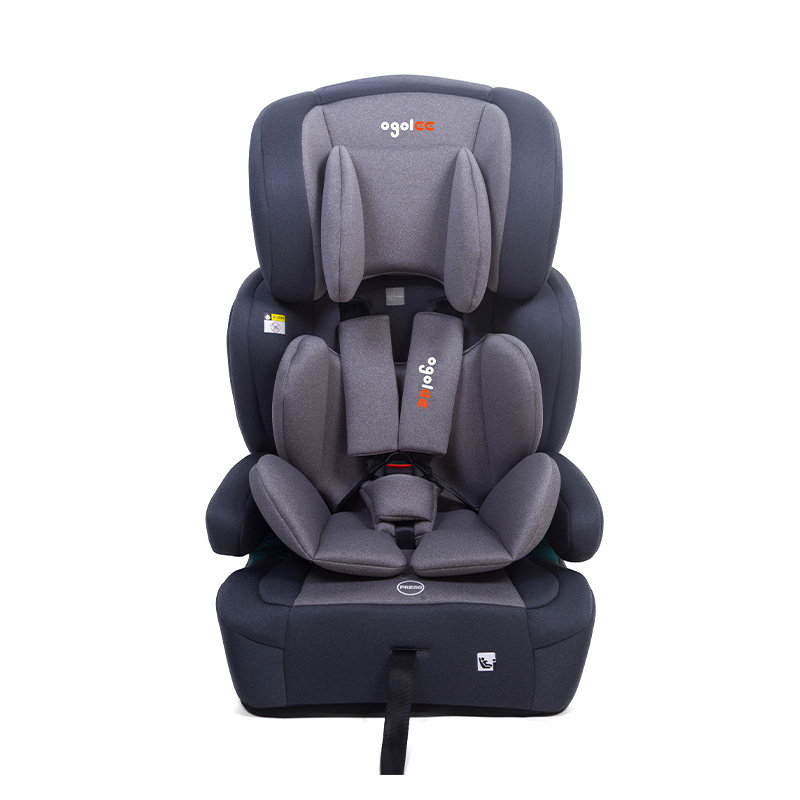
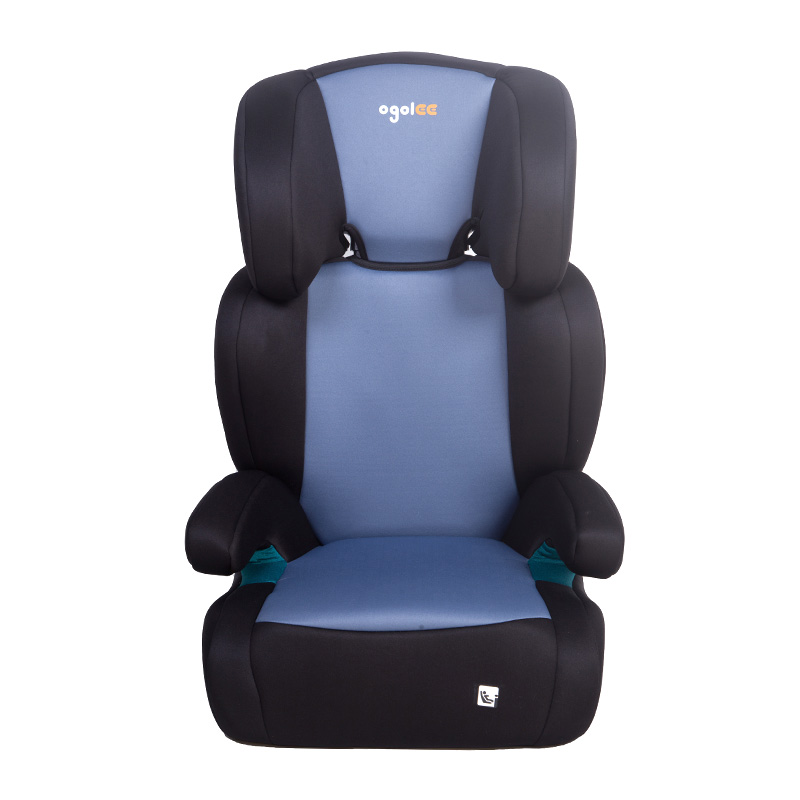
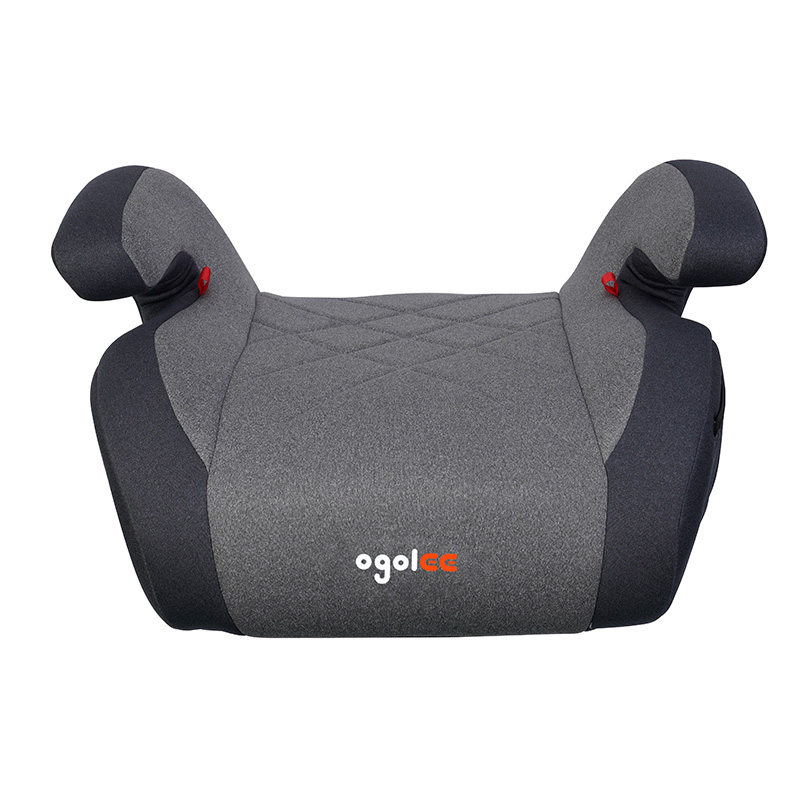
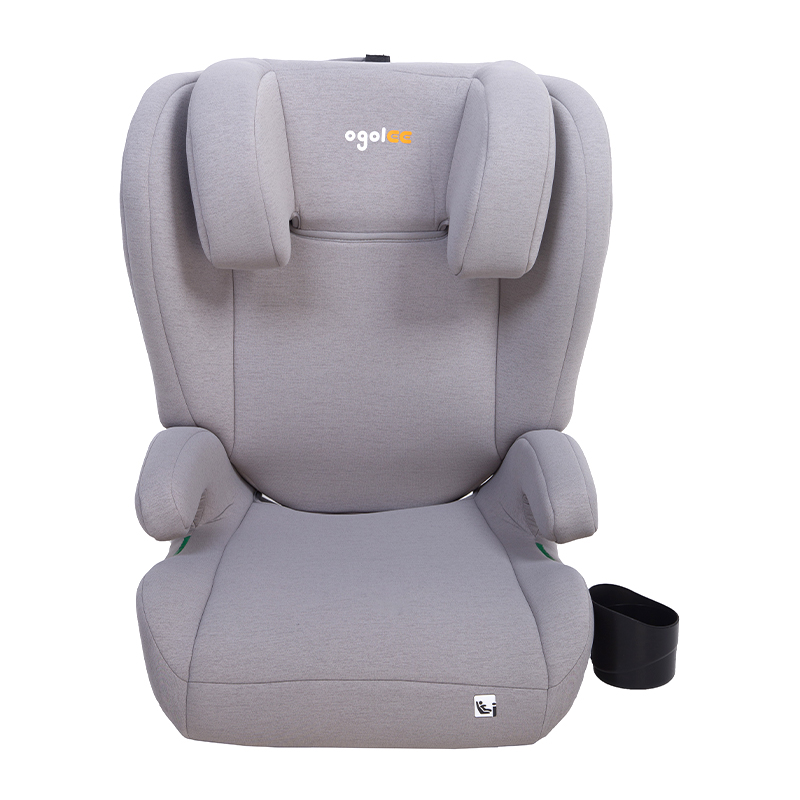
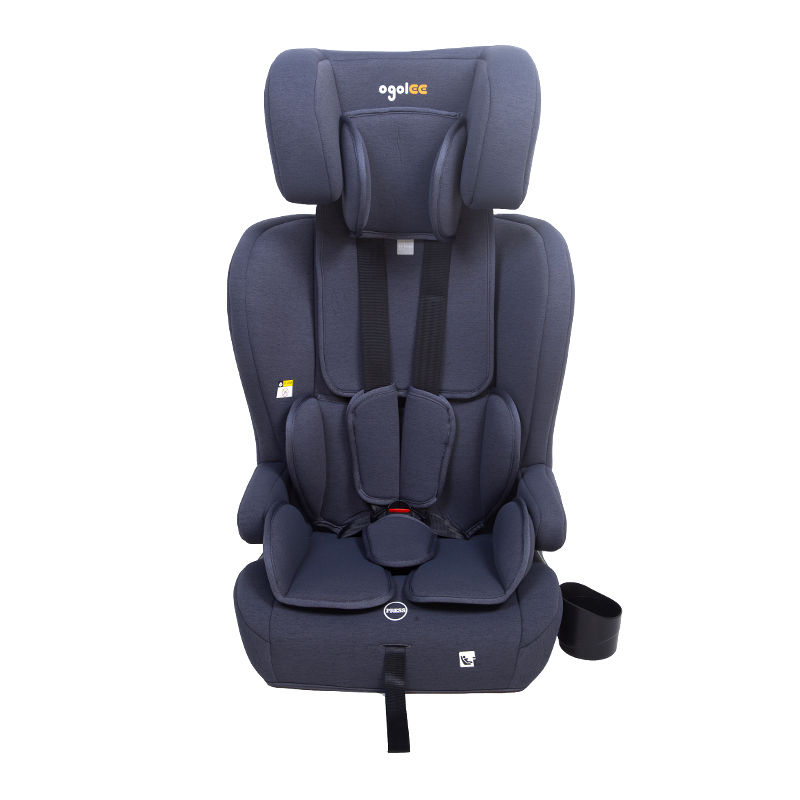
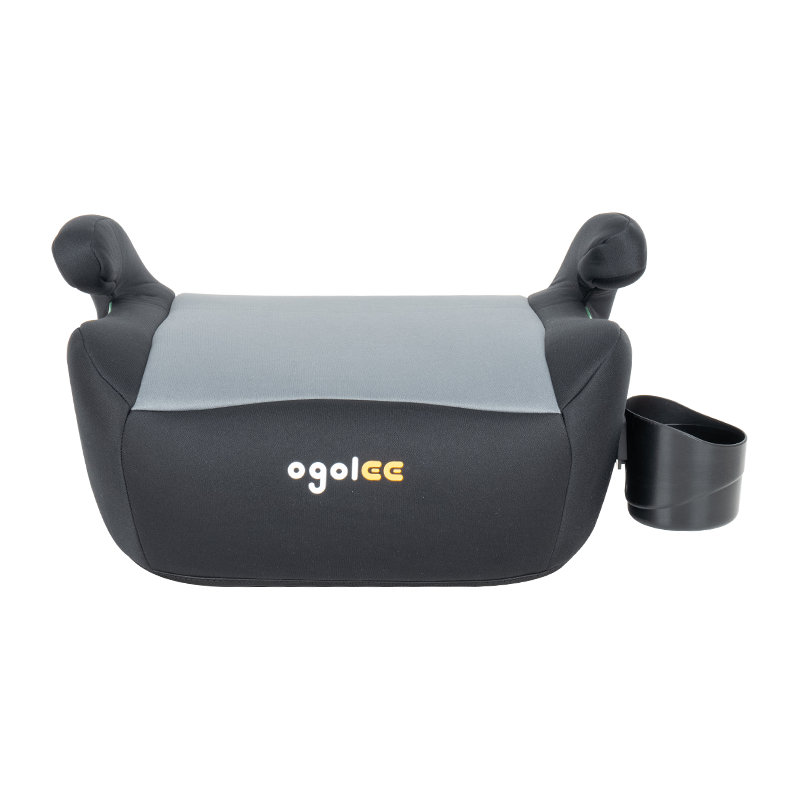
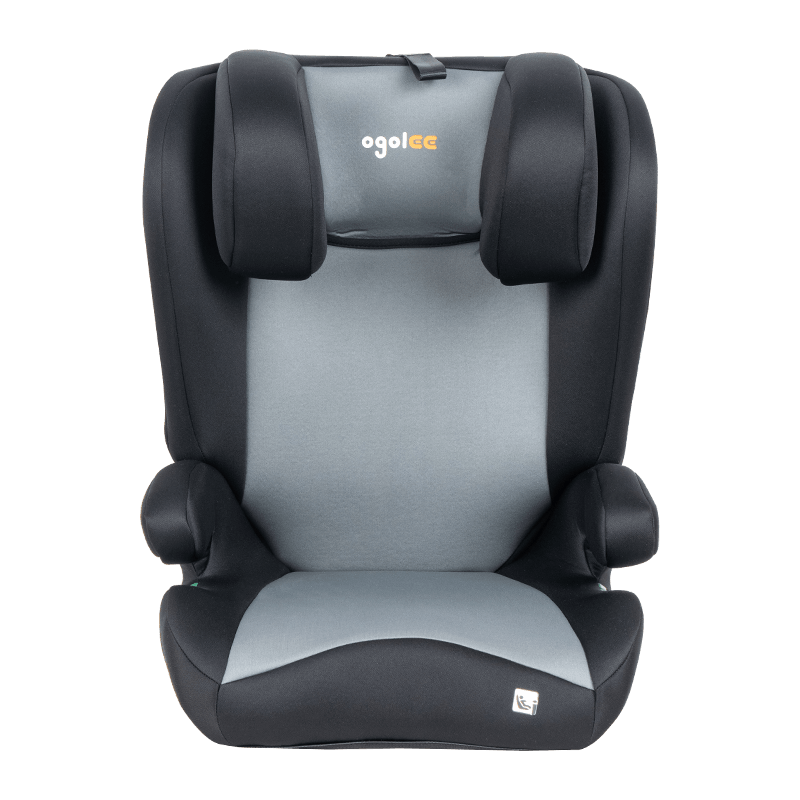
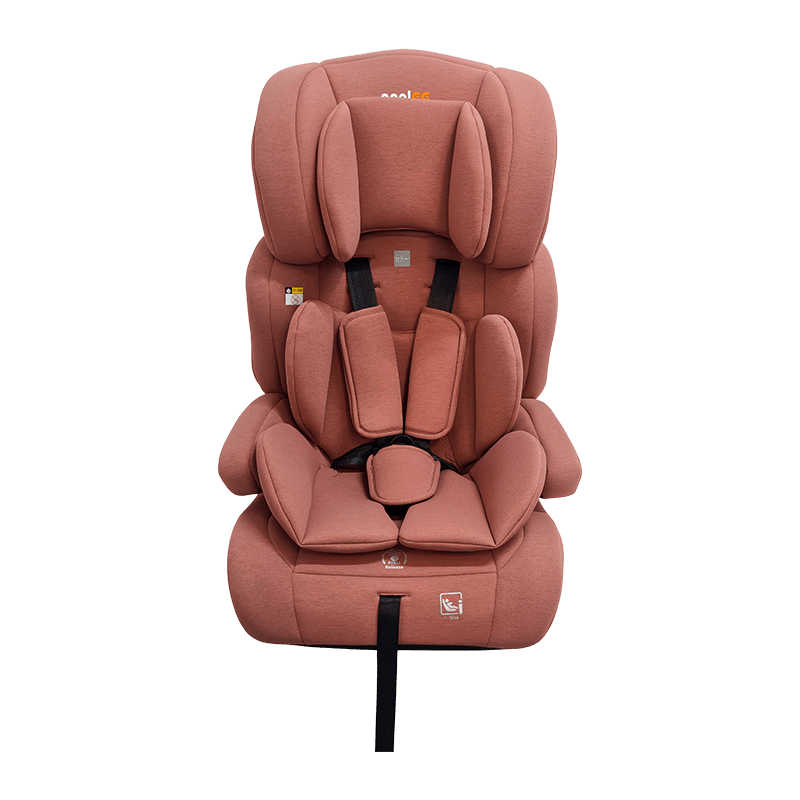
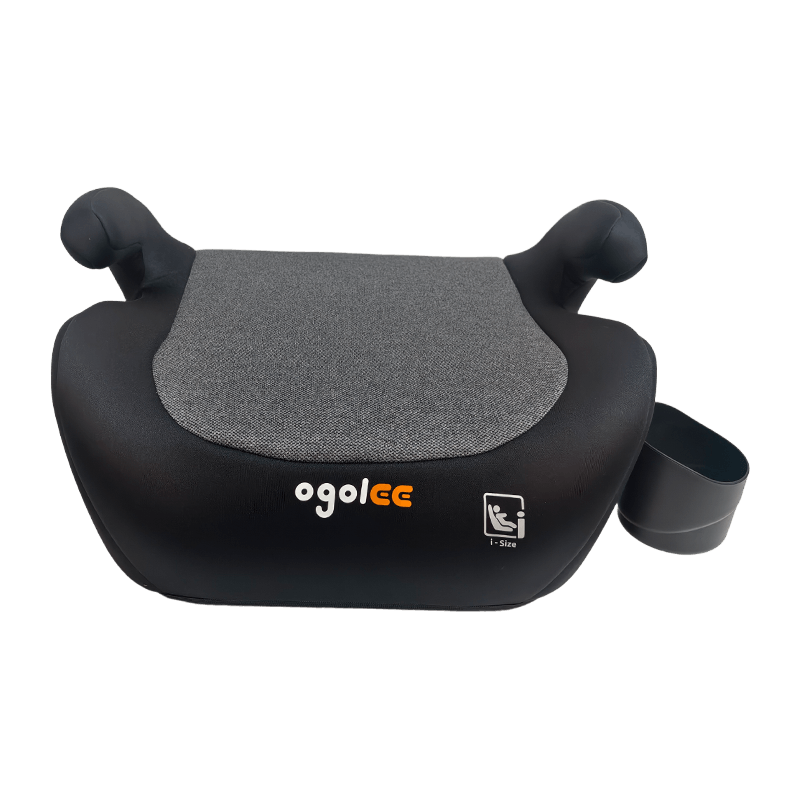
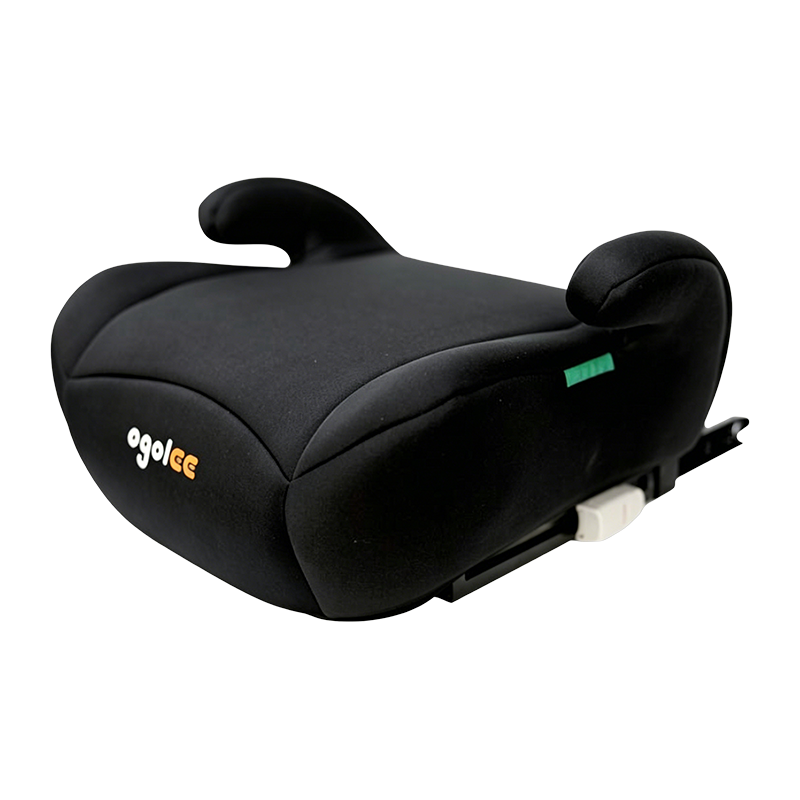
The R129 Baby Car Safety Seat represents cutting-edge child protection technology, meeting and exceeding European Union's rigorous safety standards. This comprehensive guide explains how modern R129 car seats provide superior protection through advanced engineering, real-world crash testing, and innovative safety features.
Content
- 1 Understanding R129: The Next Generation of Child Safety
- 2 Core Safety Features of R129 Certified Seats
- 3 R129 Age and Height Categories
- 4 R129 vs Previous Standards Comparison
- 5 Proper Installation of R129 Baby Car Safety Seats
- 6 Safety Statistics and Real-World Protection
- 7 European Mandatory Regulations
- 8 Material Safety Standards
- 9 Frequently Asked Questions
- 10 Conclusion
Understanding R129: The Next Generation of Child Safety
The R129 standard, officially known as UN ECE Regulation 129, represents a significant advancement from the R44/04 standard. Full implementation began in September 2021 across European Union member states, establishing unprecedented requirements for child vehicle safety. The R129 Baby Car Safety Seat certification ensures products have undergone extensive testing to demonstrate compliance with modern safety principles.
Key Improvements in R129 Standards
- Enhanced side-impact testing: Seats must withstand lateral collision forces previously untested
- Extended rear-facing requirement: Children remain rear-facing until at least 15 months old
- Height-based categories: More precise sizing ensures optimal fit for each child
- Higher crash test speeds: Testing at 56 km/h versus older standards' lower speeds
- Improved installation features: Better guidance prevents incorrect installation errors
Core Safety Features of R129 Certified Seats
A certified R129 Baby Car Safety Seat incorporates multiple protection layers designed to minimize injury risk during collisions. These features represent the culmination of automotive safety research and biomechanical engineering.
Comprehensive Crash Testing Standards
| Test Type | Speed | Direction | Purpose |
|---|---|---|---|
| Frontal Crash | 56 km/h | Forward | Head-on collision protection |
| Rear-Impact Test | 56 km/h | Rear | Rear-facing configuration safety |
| Side-Impact Test | 50 km/h | Lateral | Side crash protection (new requirement) |
| Static Testing | N/A | Multiple angles | Structural integrity evaluation |
ISOFIX Installation Excellence
The R129 Baby Car Safety Seat standardizes ISOFIX connection systems, providing direct links between seats and vehicle structures. This revolutionary installation method eliminates approximately 80% of installation errors compared to manual seat belt installation.
Reduced Installation Errors: ISOFIX eliminates manual mistakes, ensuring consistent proper positioning
Superior Stability: Direct vehicle connection maintains optimal position during driving and impacts
Quick Attachment: ISOFIX connectors attach and detach in seconds for practical usability
Precise Positioning: Many R129 seats feature automatic height adjustment guides
Side-Impact Protection Innovation
Enhanced side-impact protection is the most significant advancement in R129 Baby Car Safety Seat design. This addresses a critical protection gap by incorporating advanced engineering:
- Energy-absorbing materials: Strategic foam placement dissipates crash energy effectively
- Extended side walls: Higher protective barriers shield head, neck, and torso regions
- Lateral support systems: Movable side panels adapt to different child sizes
- Multi-layer construction: Engineered shells distribute impact forces effectively
R129 Age and Height Categories
The R129 standard uses height-based classification rather than weight-based categories, providing more accurate sizing and optimal protection for individual child development.
| Category | Height Range | Age Range | Installation Type |
|---|---|---|---|
| Group R0 | Up to 75 cm | Newborn - 12 months | Rear-facing only |
| Group R1 | 75-120 cm | 9 months - 4 years | Rear then forward-facing |
| Group R2 | 100-150 cm | 3 - 7 years | Forward with booster |
| Group R3 | 130-150 cm | 6 - 12 years | Booster seat |
R129 vs Previous Standards Comparison
| Safety Feature | R44/04 Standard | R129 Standard |
|---|---|---|
| Side-Impact Testing | Not required | Mandatory at 50 km/h |
| Crash Test Speed | 50 km/h | 56 km/h |
| Rear-Facing Requirement | Recommended to 15 months | Mandatory until 15 months |
| Installation Method | Seat belt or optional ISOFIX | ISOFIX or advanced seat belt |
| Classification System | Weight-based | Height-based (more precise) |
Proper Installation of R129 Baby Car Safety Seats
Selecting an R129 Baby Car Safety Seat is only the first step. Proper installation and consistent daily use are equally critical for achieving designed protection levels.
ISOFIX Installation Best Practices
- Locate ISOFIX anchors: Check vehicle manual for exact anchor point locations
- Align properly: Position seat connectors to match vehicle anchor locations
- Insert with confidence: Push connectors firmly until hearing or feeling clear clicking
- Test stability: Grasp seat and attempt side-to-side movement; minimal movement confirms proper installation
- Adjust support: Extend support leg or attach top tether to vehicle anchor
- Verify recline angle: Ensure proper rear-facing recline positioning using integrated indicator
Safety Statistics and Real-World Protection
Critical Safety Data: Research demonstrates that proper car seat use prevents approximately 71% of deaths and 67% of serious injuries in children aged 0-12 years. The R129 Baby Car Safety Seat standard specifically maximizes this protective effect through enhanced engineering and comprehensive testing.
- Side-impact crashes account for 25-30% of all serious vehicle accidents, making this new test critical for comprehensive protection
- Rear-facing positioning reduces head and neck injury risk by up to 82% for children under three years compared to forward-facing
- Proper ISOFIX installation reduces injury risk by approximately 60% versus incorrect manual installation
- Extended rear-facing protection provides superior spinal support because children's spines are not yet fully developed
European Mandatory Regulations
| Child Age/Height | Required Seat Type | Exceptions |
|---|---|---|
| Under 15 months or 75 cm | R129 rear-facing seat | Emergency only |
| 15 months - 4 years or 75-120 cm | Forward or rear-facing R129 seat | None |
| 4 - 12 years or 120-150 cm | Booster seat with backrest | Rear seat cushion if needed |
| Over 12 years or 150 cm | Standard vehicle seat belt | Proper fitting required |
Material Safety Standards
Chemical and Environmental Compliance
- Restricted Substance List (RSL): All materials must meet strict limits on heavy metals and harmful chemicals
- Flame Resistance: Fabric and foam pass flammability tests without dangerous smoke generation
- Formaldehyde Limits: Adhesives and textiles contain minimal formaldehyde emissions
- Bioaccumulative Prevention: No substances that accumulate in living organisms
- Breathability: Materials allow proper air circulation preventing infant overheating
Frequently Asked Questions
Q: Is R129 certification mandatory for new purchases?
A: Yes, since September 2021, all new seats sold in Europe must be R129 certified. Existing R44/04 seats remain legal until stocks deplete, but R129 offers superior protection.
Q: Can I still use older R44/04 seats?
A: Yes, older seats remain legal, but the R129 Baby Car Safety Seat provides better protection, especially in side-impact crashes.
Q: What is I-Size standard?
A: I-Size is a specific R129 category using height-based sizing and mandatory ISOFIX. All I-Size seats meet R129 standards.
Q: How do I check if my vehicle has ISOFIX?
A: Check your vehicle manual for ISOFIX anchor points or look for ISOFIX button symbols on vehicle seats. Most vehicles after 2004 have them.
Q: When can my child move to forward-facing?
A: Minimum is 15 months. Many experts recommend extended rear-facing until 4 years for maximum spinal protection.
Q: What if my seat is in an accident?
A: Replace it immediately, even without visible damage. Internal structural damage may compromise protection. Most insurers cover replacement costs.
Q: How often should I inspect my seat?
A: Monthly inspections are recommended. Check for damage, verify ISOFIX security, ensure harnesses are properly configured, and confirm no active recalls.
Q: Can I use the same seat in multiple vehicles?
A: Yes, absolutely. R129 seats are designed for portability. ISOFIX installation takes only seconds once you locate the anchors.
Q: Are all R129 seats equally safe?
A: All certified R129 seats meet identical safety standards. Price differences reflect features and convenience options, not safety levels.
Conclusion
The R129 Baby Car Safety Seat standard represents a major advancement in child vehicle safety. By implementing mandatory side-impact testing, extending rear-facing requirements, and standardizing ISOFIX installation, this regulation ensures European children receive protection based on current scientific research.
Choosing an R129 certified baby car safety seat provides confidence that your product meets rigorous testing standards. Combined with proper installation and consistent use, an R129 seat maximizes protection throughout your child's development.
As research continues to reveal new protective strategies, the R129 standard will continue evolving. Staying informed and implementing these recommendations represents one of the most effective ways to protect your child during vehicle travel.