 English
 Español
 Deutsch
 русский

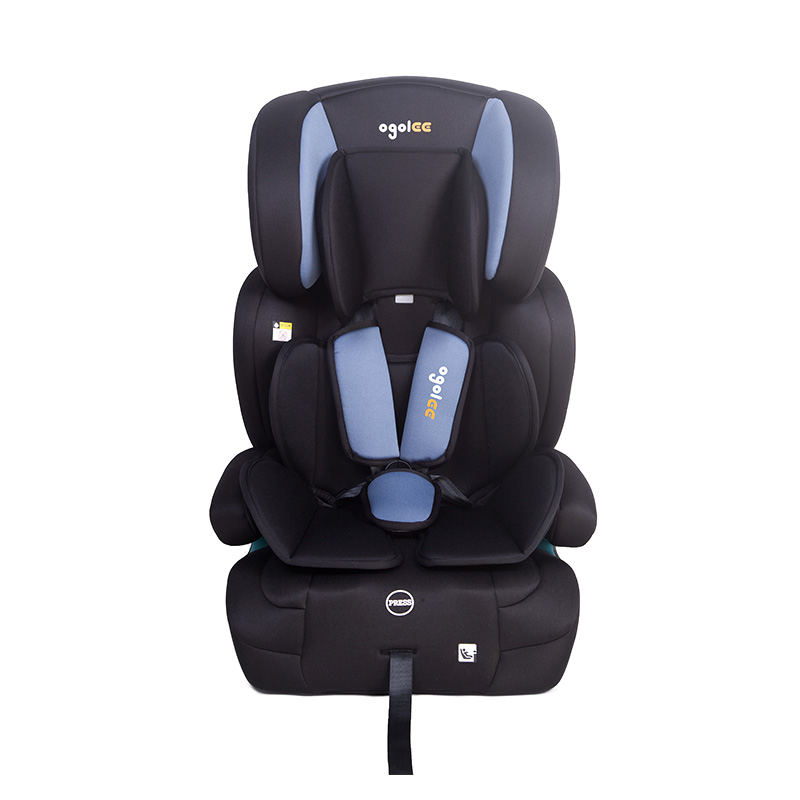
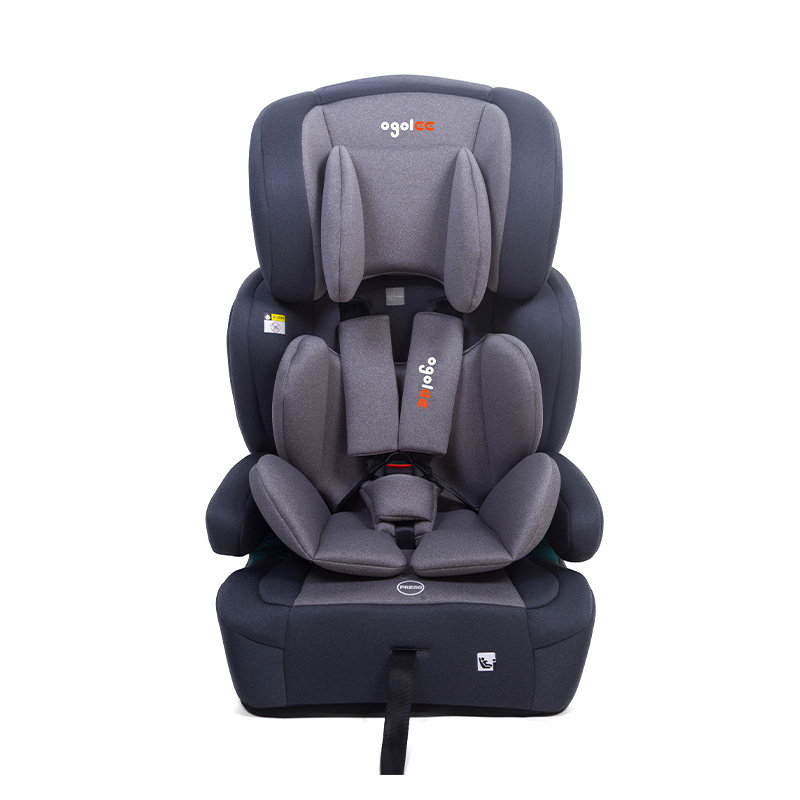
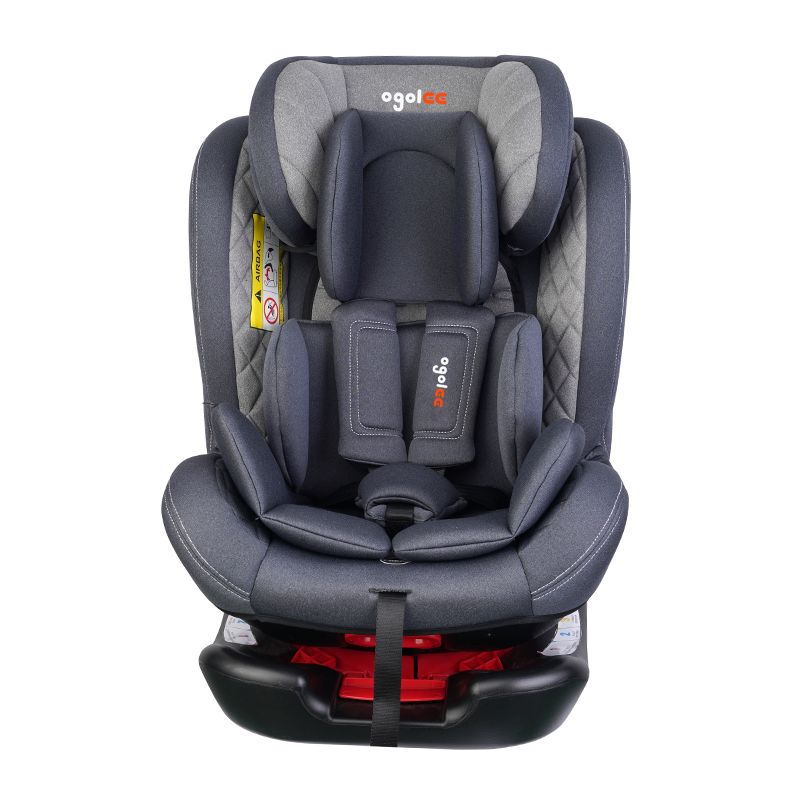
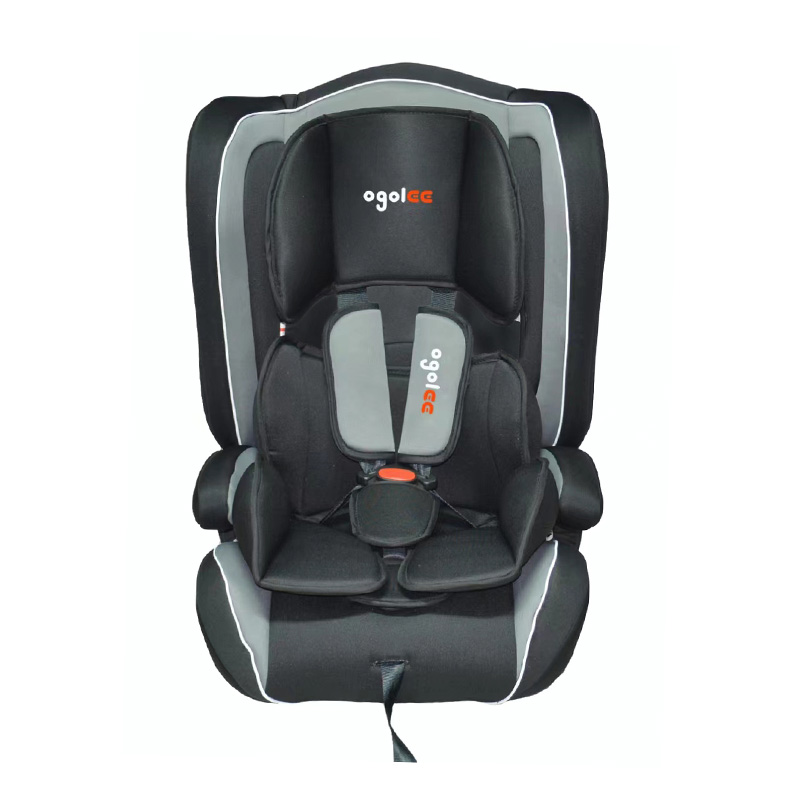
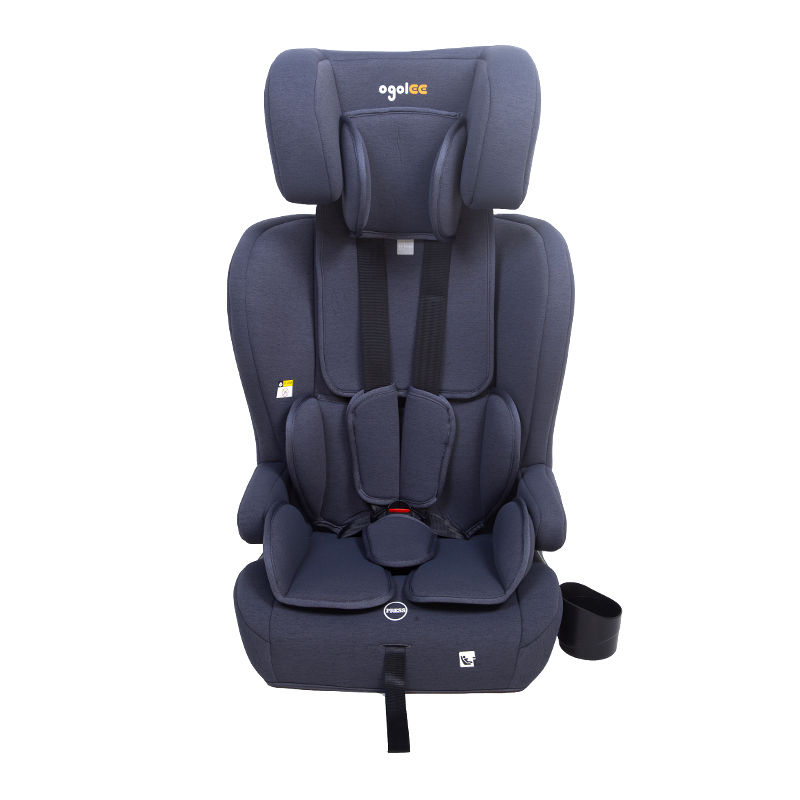
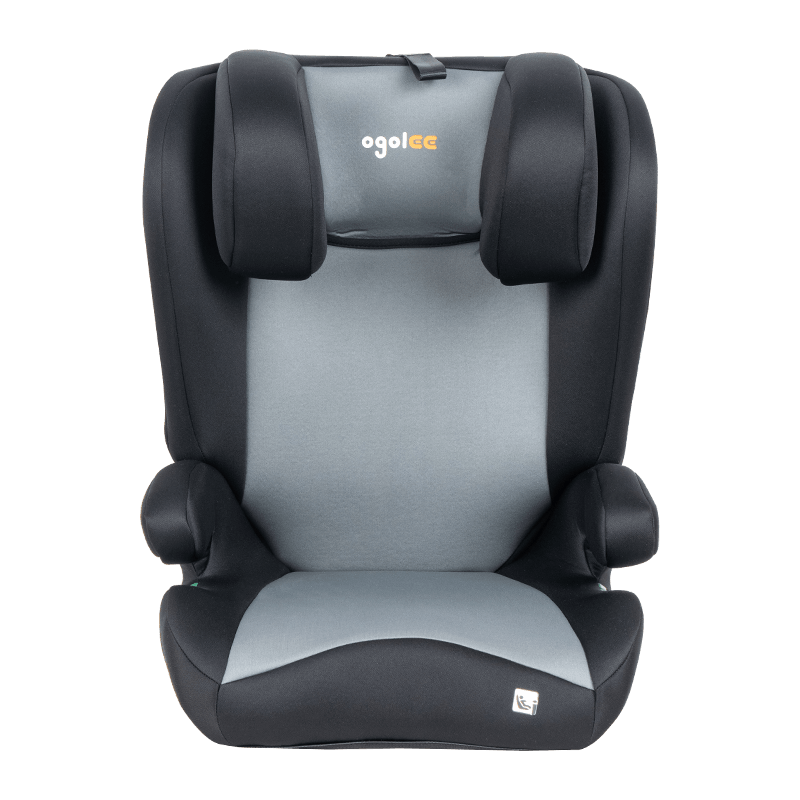
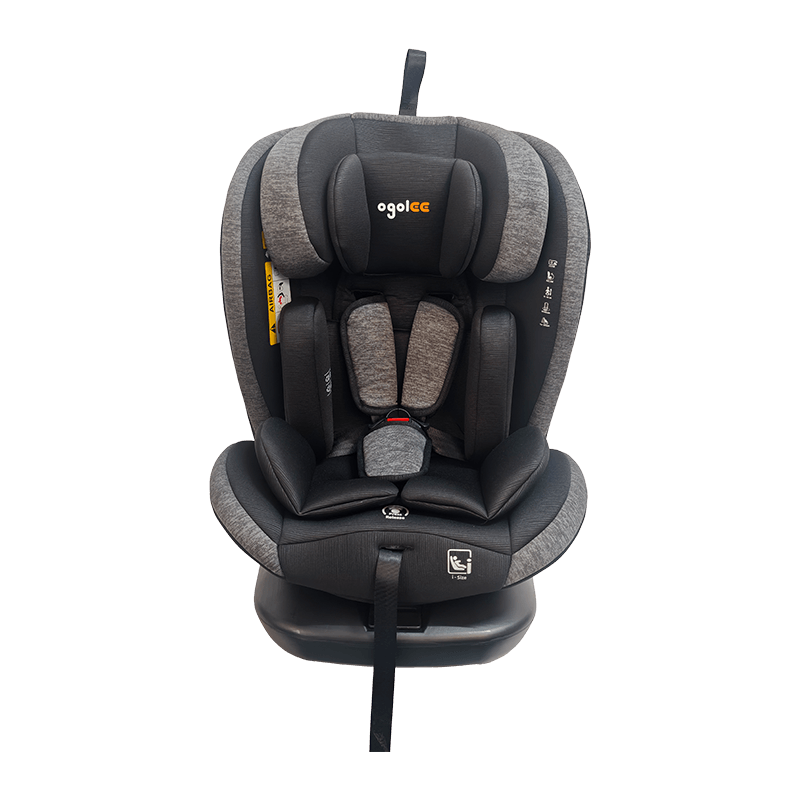
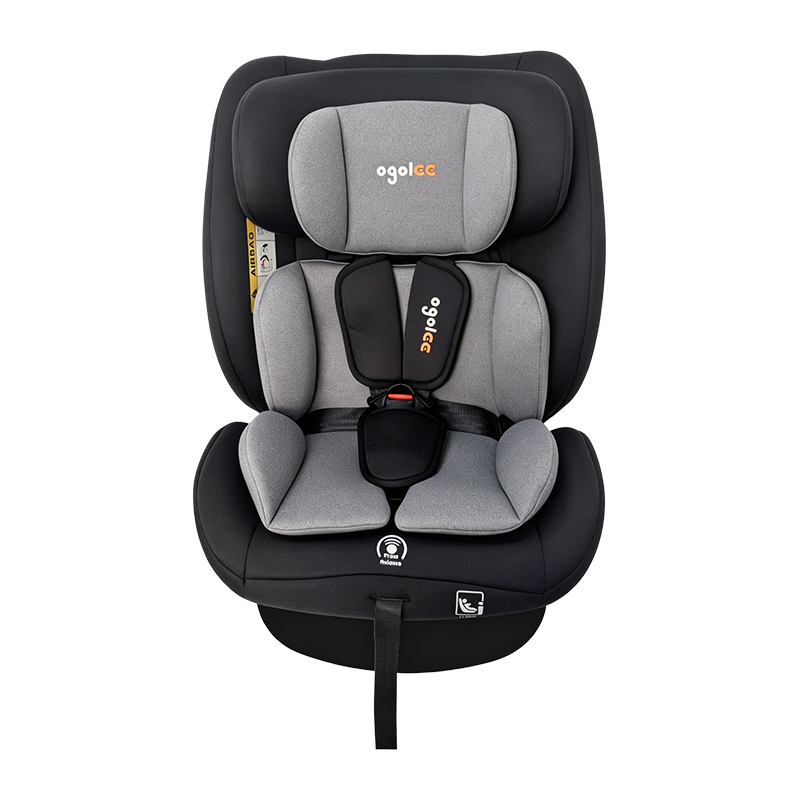
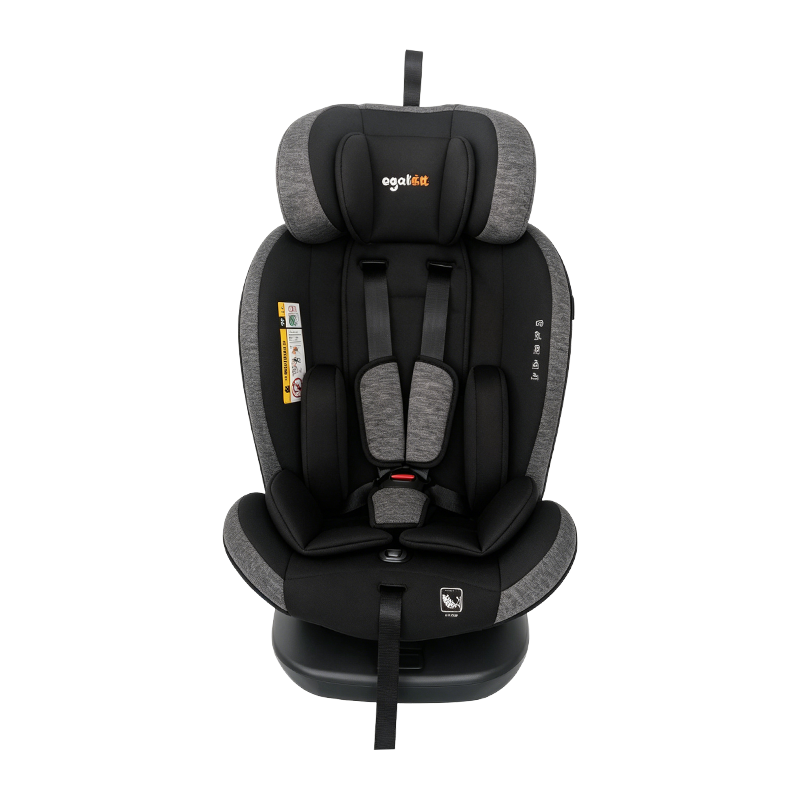
The R129 baby car safety seat — also known as the i-Size standard — must be installed using either the ISOFIX anchor system or the vehicle seat belt, depending on the seat model. The seat must face rearward until the child reaches 15 months, be positioned on an approved vehicle seat, and the headrest and harness must be adjusted to fit the child's height and weight before every journey. Following the manufacturer's instructions and the R129/i-Size regulation ensures maximum protection in a frontal or side collision.
Content
- 1 Understanding the R129 / i-Size Standard
- 2 Before You Install: Essential Pre-Installation Checklist
- 3 Step-by-Step R129 Baby Car Safety Seat Installation with ISOFIX
- 4 Belt-Only Installation for R129 Seats (Where Applicable)
- 5 R129 vs ECE R44: Key Differences at a Glance
- 6 Correct Harness Adjustment on an R129 Baby Car Safety Seat
- 7 Approved Installation Positions in the Vehicle
- 8 Common Installation Mistakes to Avoid
- 9 When to Transition Between R129 Car Seat Stages
- 10 Maintenance and Care for Long-Term Safety
- 11 Frequently Asked Questions About R129 Baby Car Safety Seat Installation
- 12 Conclusion
Understanding the R129 / i-Size Standard
The R129 baby car safety seat regulation was introduced by the United Nations Economic Commission for Europe (UNECE) as an update to the older ECE R44 standard. It brings stricter crash-test requirements, mandates ISOFIX use for smaller children, and introduces improved lateral (side-impact) protection — a gap that the previous standard did not fully address.
Key regulatory highlights of the R129 i-Size car seat standard include:
- Height-based sizing system (rather than weight-based) for more accurate fitment
- Mandatory rearward-facing requirement until at least 15 months of age
- Compulsory use of ISOFIX for Group 0 and Group 0+ seats
- Enhanced side-impact crash testing at 50 km/h with a pole-impact scenario
- Stricter material flammability standards
Before You Install: Essential Pre-Installation Checklist
Before mounting any R129 baby car safety seat, complete the following checks to ensure a safe and valid installation:
1. Confirm Vehicle Compatibility
Not all vehicle seats are approved for every car seat model. Always cross-reference the car seat's approved vehicle list (usually found in the instruction manual or manufacturer's website). Vehicles with ISOFIX anchor points are preferred for R129-compliant seats, though belt-only installation is permitted for certain models covering older children.
2. Inspect the Car Seat and Vehicle
- Check the expiry date of the car seat (most seats have a 6–10 year lifespan)
- Ensure the seat has never been involved in a collision (even minor impacts can weaken the structure)
- Confirm all harness straps, buckles, and ISOFIX connectors are intact and undamaged
- Verify the vehicle's ISOFIX anchor bars are accessible and unobstructed
3. Read the Manual Thoroughly
Every R129 baby car safety seat comes with a manufacturer-specific manual. Even experienced parents should read it fully for each new seat model, as installation steps vary significantly between products.
Step-by-Step R129 Baby Car Safety Seat Installation with ISOFIX
ISOFIX is the most secure and straightforward method for installing an R129 i-Size car seat. Follow these steps carefully:
Step 1 — Position the seat on the vehicle seat
Place the R129 baby car safety seat on the rear vehicle seat in the correct orientation — rearward-facing for infants and children under 15 months. Most R129-compliant infant seats must remain rearward-facing throughout their approved height range (typically up to 75 cm or 85 cm, depending on the model).
Step 2 — Locate the vehicle ISOFIX anchors
The ISOFIX anchors are two metal bars located in the crease where the seat back meets the seat cushion. They are typically marked with a small ISOFIX label or symbol. Slide your hand along the seat crease to locate them if they are not visible.
Step 3 — Connect the ISOFIX connectors
Push the car seat's rigid ISOFIX connectors firmly into the vehicle's anchor bars until you hear and feel a distinct audible click. Tug firmly on the seat to confirm both connectors are locked. A green indicator on the connector arm confirms a secure connection on many modern seats.
Step 4 — Deploy the support leg or top tether
Most R129 car seats use either a support leg (extends to the car floor to prevent forward rotation in a crash) or a top tether strap (anchors to a tether point behind or above the vehicle seat). Extend the support leg until it sits firmly and flat on the vehicle floor — never on a raised mat edge. If using a top tether, route it to the designated vehicle tether anchor and tighten firmly.
Step 5 — Check the recline angle
For newborns and infants, a rearward-facing R129 baby seat must be reclined at the correct angle to protect the airway and prevent the head from falling forward. Most seats feature a built-in angle indicator (bubble level or color indicator). Adjust the recline until it shows the correct position for your child's age/weight group.
Step 6 — Final stability check
Grip the car seat at the ISOFIX belt path and attempt to move it side-to-side and forward. Movement should be less than 2.5 cm in any direction. If the seat rocks excessively, re-engage the ISOFIX connectors and re-extend the support leg.
Belt-Only Installation for R129 Seats (Where Applicable)
Some R129 baby car safety seat models — particularly those designed for older children or combination seats — allow installation using only the vehicle's three-point seat belt. Follow these guidelines:
- Route the seat belt through the correct belt path as illustrated in the manual (forward-facing and rearward-facing paths differ)
- Ensure the belt is not twisted at any point along the route
- Pull the belt tight enough that you cannot pinch excess webbing between your fingers
- Engage the buckle and confirm it locks — do not use belt extenders unless specifically approved
- Check that the shoulder belt does not cross the child's neck, and the lap belt sits low across the hip bones — not across the abdomen
R129 vs ECE R44: Key Differences at a Glance
Understanding why the R129 i-Size standard represents a significant improvement over its predecessor helps parents appreciate the stricter installation requirements.
| Feature | R129 / i-Size | ECE R44 |
| Sizing System | Height-based | Weight-based |
| Rearward-Facing Requirement | Mandatory until 15 months | No minimum age/height |
| ISOFIX | Mandatory for infant seats | Optional |
| Side-Impact Testing | Yes — included in standard | Not required |
| Crash Test Speed | 50 km/h frontal + side pole | 50 km/h frontal only |
| Vehicle Compatibility Check | Required (approved list) | Not required |
| Flammability Standards | Stricter requirements | Basic requirements |
Correct Harness Adjustment on an R129 Baby Car Safety Seat
A correctly installed seat with an improperly adjusted harness provides significantly less protection. Always check the following before every journey:
Shoulder Strap Height
For a rearward-facing R129 seat, the shoulder straps must sit at or below the child's shoulders. For forward-facing seats (applicable for older children in extended R129 models), the straps should be at or above shoulder level.
The Pinch Test
After buckling and tightening the harness, perform the pinch test: pinch the webbing at the child's collarbone. If you can gather any slack between your fingers, tighten the harness further. You should not be able to pinch any excess material.
Chest Clip Position
Position the chest clip (retainer clip) at armpit level — not at the abdomen or above the sternum. This keeps the harness straps positioned correctly in a collision.
Clothing Considerations
Thick winter coats should never be worn under a car seat harness. Puffy materials compress in a crash, creating dangerous slack. Instead, dress the child in thin layers and use a blanket placed over the tightened harness.
Approved Installation Positions in the Vehicle
| Vehicle Position | Recommended? | Notes |
| Rear center seat | Ideal | Farthest from side-impact zones; best overall protection |
| Rear passenger side | Good | Allows caregiver access; ISOFIX often available |
| Rear driver side | Acceptable | Less ideal for curbside safety when loading/unloading |
| Front passenger seat (airbag active) | Never | Airbag deployment is fatal for child; prohibited by law in many countries |
| Front passenger seat (airbag disabled) | Check law | Permissible in some markets only with airbag fully deactivated; consult local regulations |
Common Installation Mistakes to Avoid
- Loose ISOFIX connection: Not pushing connectors in fully until the click is heard
- Wrong recline angle: Seat too upright for a newborn can obstruct the airway
- Twisted harness straps: Flat, untwisted straps are essential for load distribution in a crash
- Support leg on a mat edge: The support leg must rest flat on the vehicle floor, not on a raised floor mat
- Mixing installation methods: Do not use ISOFIX and the seat belt simultaneously unless explicitly stated in the manual
- Turning forward-facing too soon: R129 mandates rearward-facing until 15 months — rearward is significantly safer for infants
- Using a second-hand seat without full history: Hidden crash damage can make any R129 baby car safety seat unsafe
When to Transition Between R129 Car Seat Stages
The R129 standard covers children from birth up to approximately 12 years old across multiple seat categories. Here is a guide to appropriate transitions:
| Stage | Height Range | Orientation | Key Notes |
| Infant (Group 0+) | 40–85 cm | Rearward-facing only | ISOFIX mandatory; handle for carrying |
| Toddler (Group 1) | 76–105 cm | Rearward preferred; forward from 15 months | 5-point harness essential; extended RF recommended |
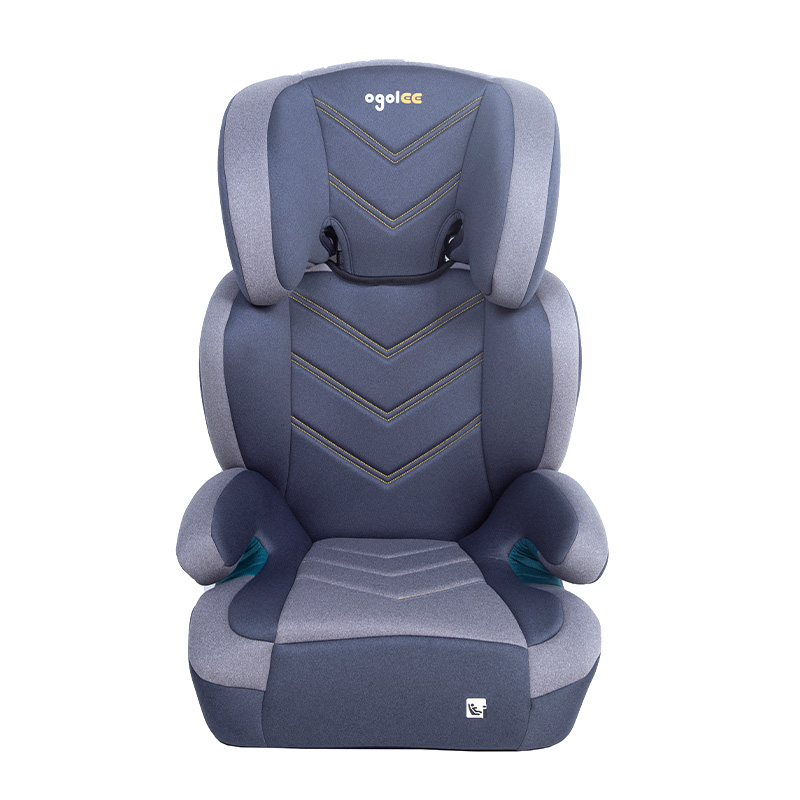
| Child (Group 2/3) | 100–150 cm | Forward-facing | Belt-positioning booster; ISOFIX optional |
Always transition based on height (not age or weight), as specified by the R129 standard. Move to the next stage only when the child's head exceeds the seat's maximum height limit — not before.
Maintenance and Care for Long-Term Safety
- Cover cleaning: Remove and machine wash seat covers only per manufacturer instructions — excessive heat can damage fabrics that contribute to energy absorption
- Buckle care: Clean buckles with warm water only — never use lubricants, as these can cause the buckle to fail to release or to release unintentionally
- Harness inspection: Check regularly for fraying, cuts, or discolouration; replace if damaged
- Shell inspection: Inspect the plastic shell for cracks, especially after any vehicle impact
- Expiry date: Retire the seat when it reaches its manufacture-indicated expiry, regardless of apparent condition
Frequently Asked Questions About R129 Baby Car Safety Seat Installation
Conclusion
The R129 baby car safety seat represents the gold standard in child travel safety, but its protection is only as good as its installation. By following the manufacturer's guidelines, confirming vehicle compatibility, using ISOFIX where required, adjusting the harness correctly, and keeping the seat rearward-facing until at least 15 months, parents can give their children the maximum level of protection the technology allows.
If you are ever uncertain about the installation of your R129 i-Size car seat, seek a professional check from a certified car seat technician. Many retailers and child safety organisations offer free fitting checks — taking advantage of this service is one of the most valuable things a parent can do for their child's safety on the road.