 English
 Español
 Deutsch
 русский

Quick Answer: Choose an R129 baby car safety seat based on your child's current weight and height — not age alone. Newborns (up to 13 kg) need a rear-facing infant seat; toddlers (9–25 kg) need a convertible seat; older children (15–36 kg) need a high-back booster. Always verify the seat carries the official i-Size (R129) certification label before purchasing.
Selecting the correct R129 baby car safety seat is one of the most important decisions a parent will make. With dozens of options on the market, understanding the R129 regulation — also known as i-Size — helps you cut through the noise and choose a seat that genuinely protects your child at every stage of growth.
This comprehensive guide breaks down the R129 standard, explains how age and weight determine the right seat, compares seat categories side by side, and answers the most common questions parents ask.
Content
- 1 What Is the R129 (i-Size) Standard and Why Does It Matter?
- 2 R129 Seat Categories by Age and Weight
- 3 R129 Baby Car Safety Seat Comparison by Age & Weight
- 4 5 Critical Factors When Choosing an R129 Baby Car Safety Seat
- 5 R129 vs R44: Why the Upgrade Matters
- 6 Practical Tips for Getting the Most from Your R129 Seat
- 7 Frequently Asked Questions (FAQ)
- 8 Final Thoughts
What Is the R129 (i-Size) Standard and Why Does It Matter?
The R129 regulation, commonly referred to as i-Size, is the latest European Union safety standard for child car seats. Introduced in 2013 and continuously updated, it replaced the older R44 standard and introduced several critical improvements:
- Height-based classification instead of weight-only groups, ensuring a more precise fit for every child.
- Mandatory rear-facing requirement for children up to at least 15 months old — rear-facing is up to 5× safer in frontal crashes.
- Side-impact protection testing — all R129-certified seats must pass rigorous lateral crash tests.
- ISOFIX/LATCH mandatory for most seat categories, eliminating improper seatbelt installation errors.
- Compatible vehicle list — every i-Size seat is tested and approved with specific car models.
When shopping for an R129 baby car safety seat, always look for the orange label with the letter "E" and the R129 code — this is the only proof the seat meets the current standard.
R129 Seat Categories by Age and Weight
The R129 standard organizes seats into three main phases based on your child's height and weight. Understanding each phase is essential before making a purchase.
Phase 1 — Infant / Rear-Facing Seats (Birth to approx. 15 Months)
Designed for newborns and infants, these R129 baby car safety seats accommodate children from birth (40 cm) up to approximately 75–87 cm in height or 13 kg. They must always be installed rear-facing, and under R129, this is legally mandatory until at least 15 months of age.
Key features to look for:
- 5-point harness system with anti-rebound bar
- Side-impact protection wings around the head
- Travel system compatibility (stroller adapters)
- Recline adjustment for safe sleeping position
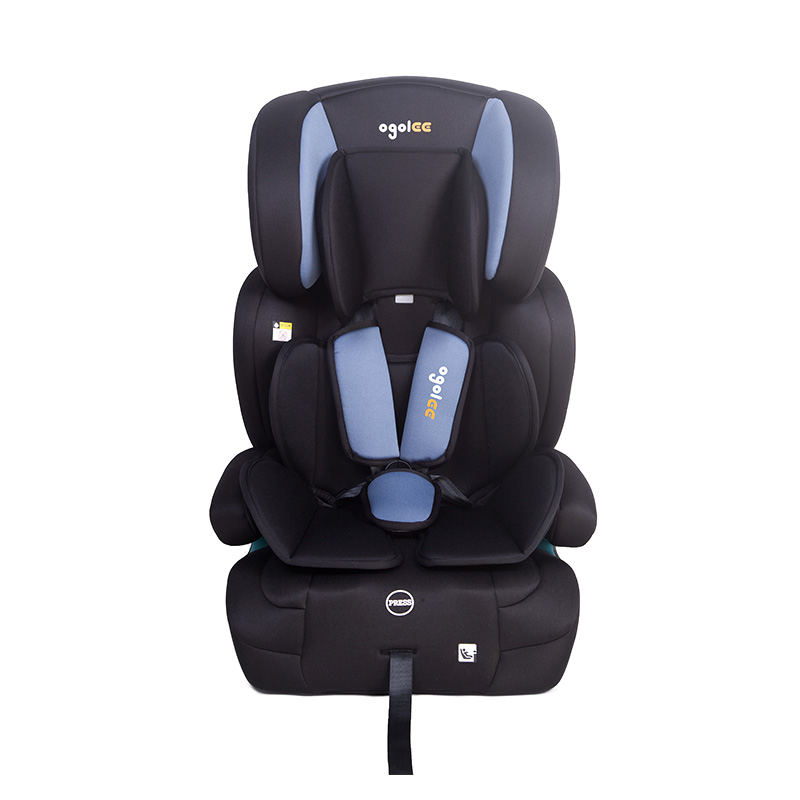
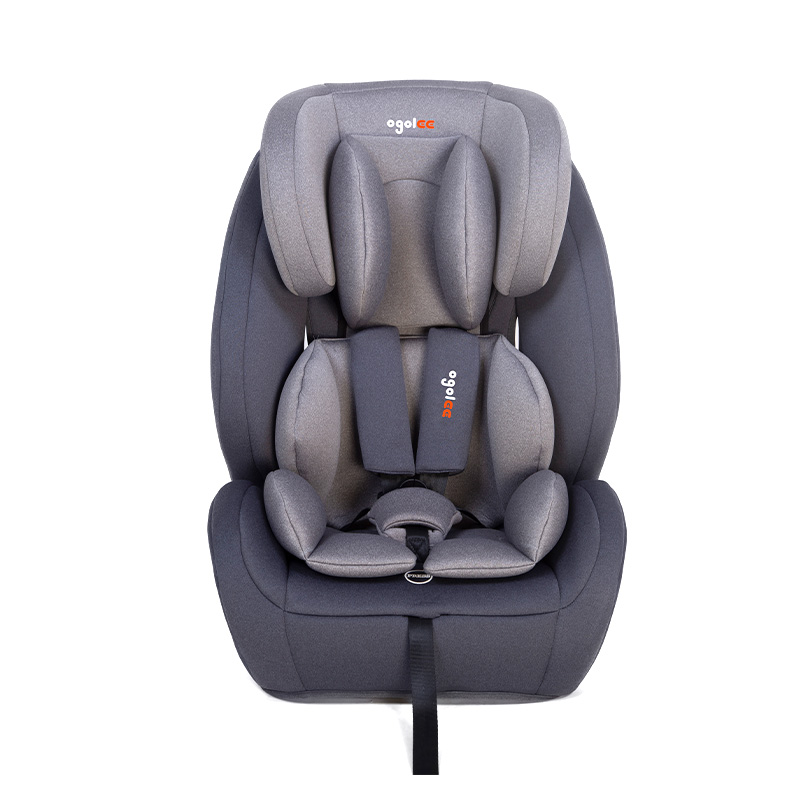
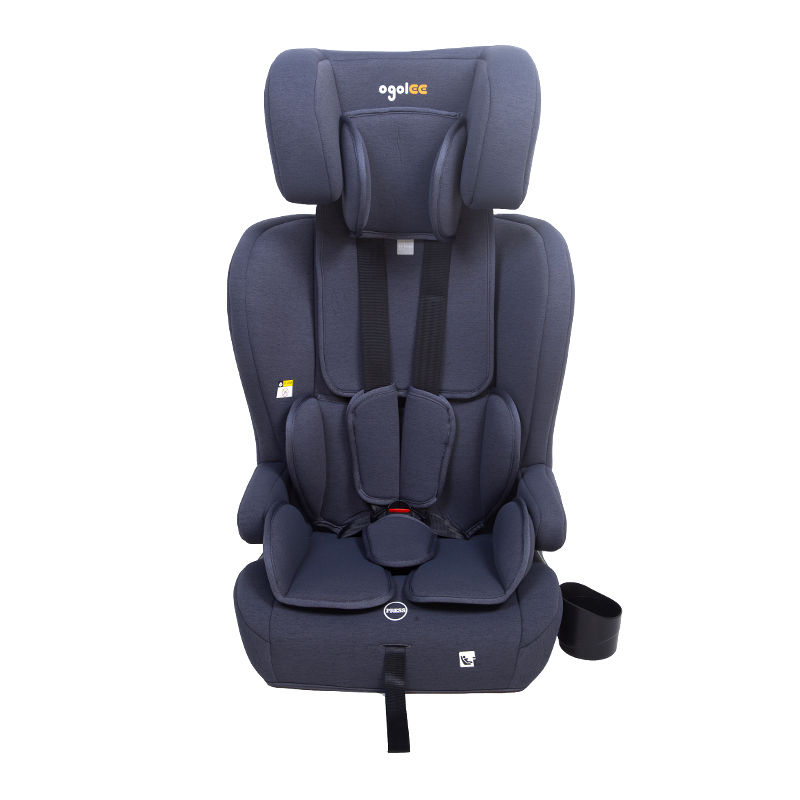
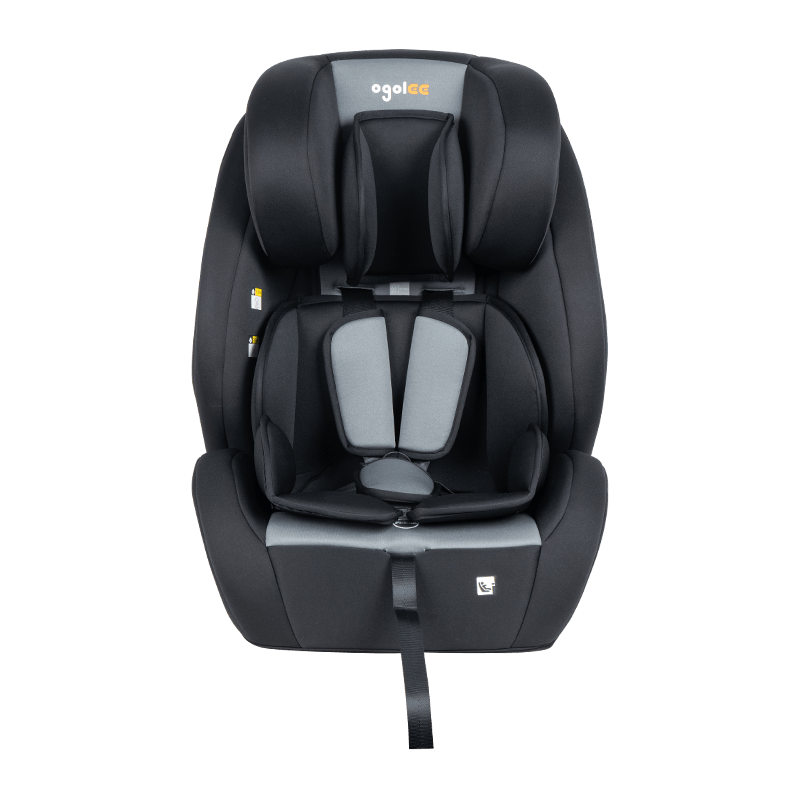
Phase 2 — Convertible / Combination Seats (approx. 3 Months to 4 Years)
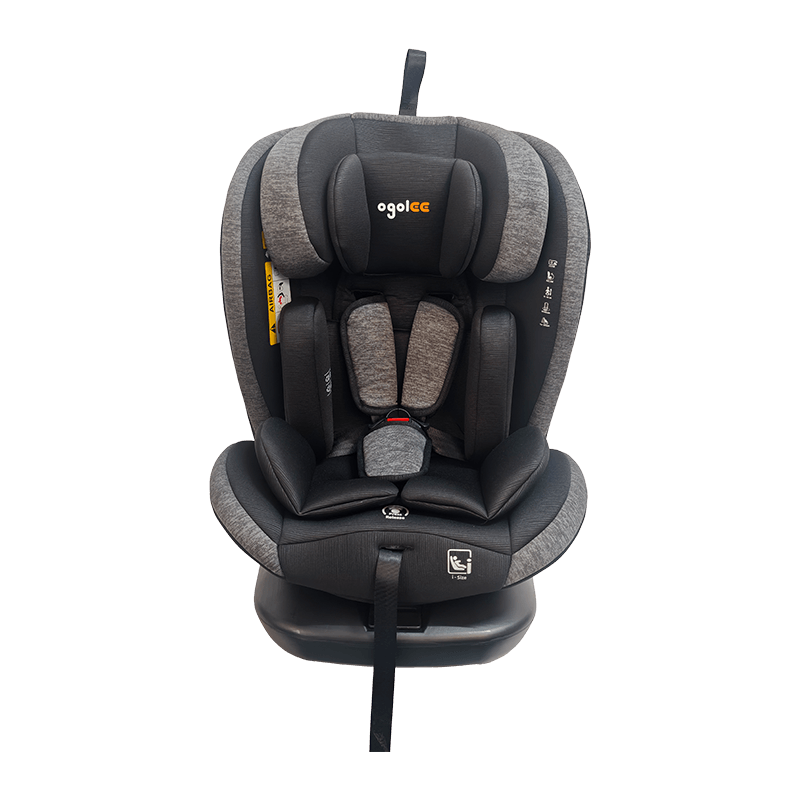
These versatile R129 baby car safety seats can be used both rear-facing (9–18 kg) and forward-facing (15–25 kg), giving you a longer lifespan from a single seat. Many extended rear-facing models in this category keep children rear-facing up to 4 years old — the safest configuration for as long as possible.
Key features to look for:
- Extended rear-facing capability (up to 18 kg or 105 cm)
- Multiple recline positions for sleep comfort
- Adjustable headrest and harness that grow with your child
- Solid ISOFIX connectors with top-tether or support leg
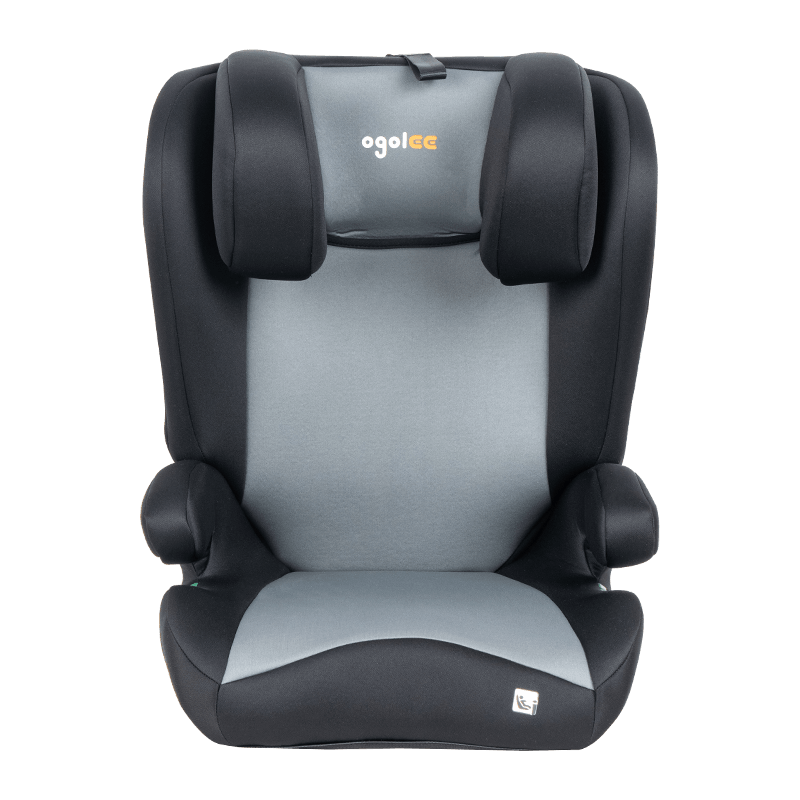
Phase 3 — High-Back Booster Seats (approx. 3.5 to 12 Years)
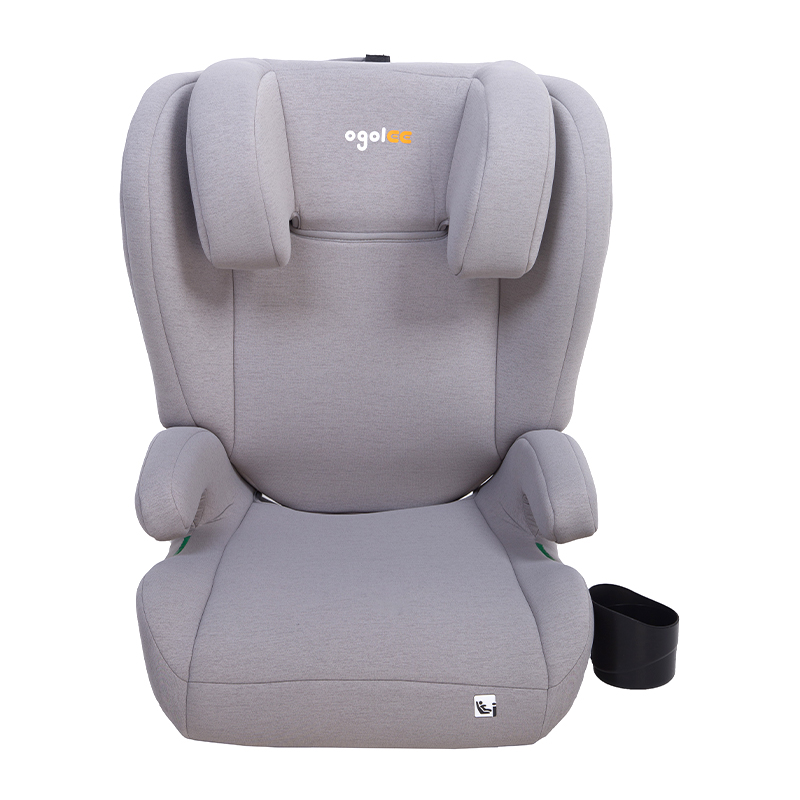
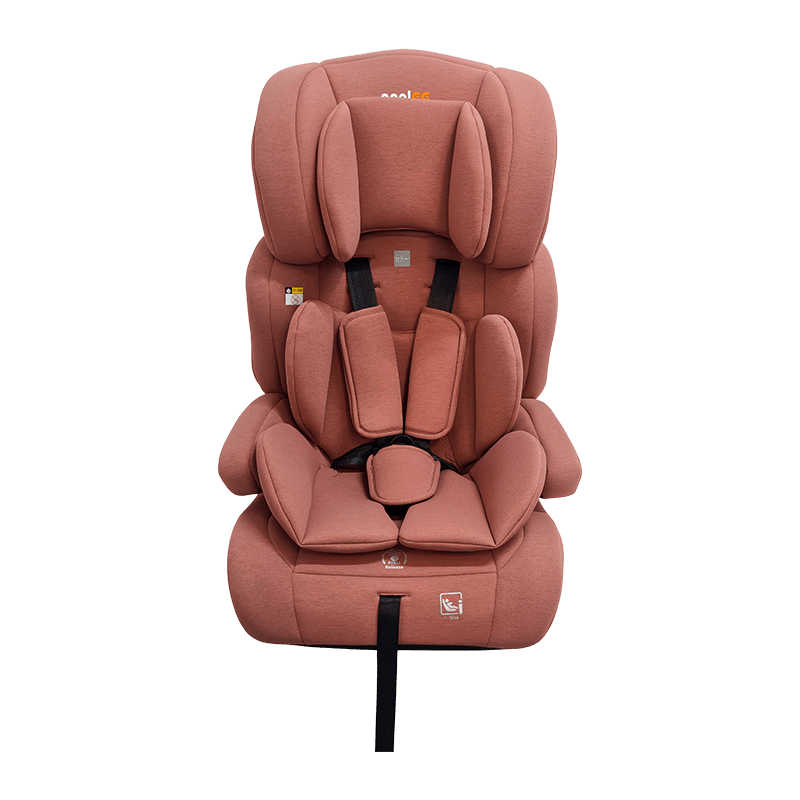
Once your child exceeds 105 cm in height or 18 kg in weight, it's time for a high-back booster — the third category of R129 baby car safety seat. These seats use the vehicle seatbelt combined with ISOFIX anchors and offer head-to-hip side-impact protection.
Key features to look for:
- Adjustable headrest with integrated side-impact protection
- Built-in or adjustable armrests for comfort on long trips
- Ventilation channels in the backrest
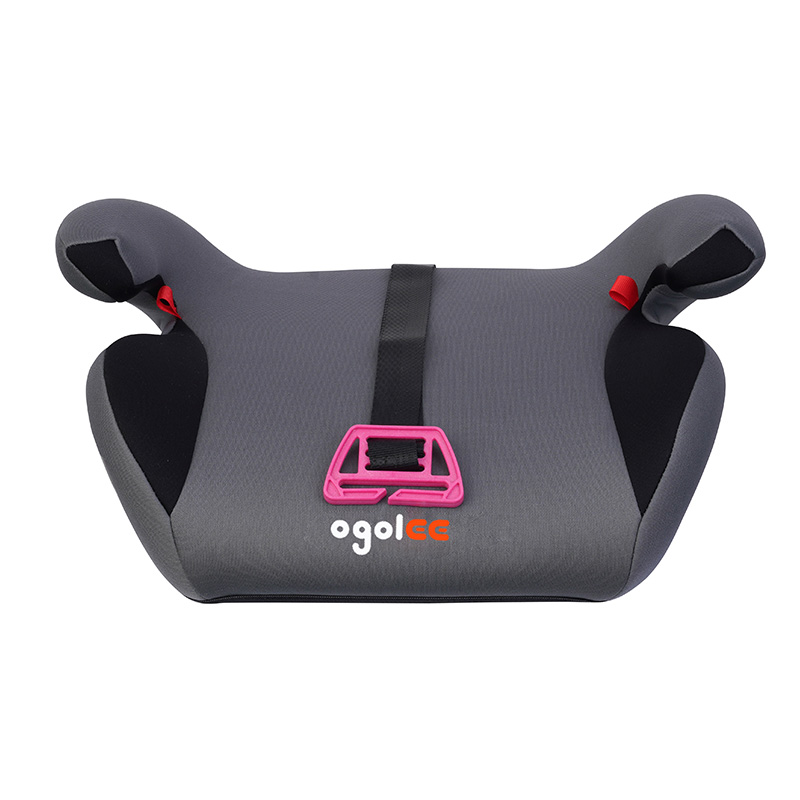
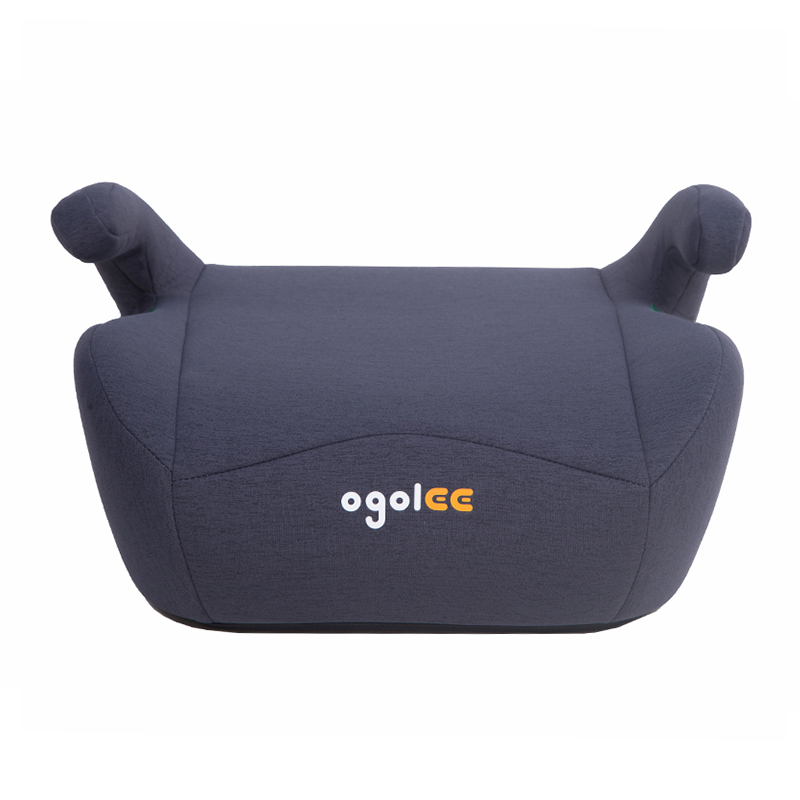
- Option to remove backrest and use as a booster cushion (15–36 kg)
R129 Baby Car Safety Seat Comparison by Age & Weight
Use the table below to quickly identify which type of R129 baby car safety seat suits your child right now.
5 Critical Factors When Choosing an R129 Baby Car Safety Seat
1. Verify Your Child's Current Measurements
Never rely solely on age. Two children the same age can differ significantly in size. Always measure your child's height and weight before choosing an R129 baby car safety seat. The seat must comfortably accommodate both measurements — if either exceeds the seat's limit, it's time to move up.
2. Rear-Facing as Long as Possible
Safety research consistently shows that rear-facing seats reduce head and neck injury risk by up to 80% compared to forward-facing in frontal crashes. Under the R129 standard, rear-facing is mandatory to 15 months, but experts recommend maintaining it until the child reaches the seat's maximum rear-facing height or weight limit — often up to 3–4 years old.
3. Check Vehicle Compatibility
Under the R129 regulation, each i-Size seat has an official list of approved vehicles it has been tested with. Check the manufacturer's compatibility list against your car model and year. ISOFIX anchor points vary in position, and some seats fit certain vehicles more securely than others.
4. Independent Safety Test Results
Look beyond the mandatory R129 certification. Independent organizations such as ADAC (Germany) and Which? (UK) conduct their own crash tests and publish annual rankings. An R129 baby car safety seat that scores well in independent tests offers an additional layer of confidence beyond the legal minimum.
5. Ease of Installation and Daily Use
Even the safest seat can become dangerous if installed incorrectly or if parents stop using it consistently. Studies show that over 70% of child car seats are installed incorrectly. Choose an R129 seat with clear installation indicators (green/red clips, audible clicks, installation guides on the seat itself) and harness systems you can adjust quickly and confidently every day.
R129 vs R44: Why the Upgrade Matters
If you're deciding between an older R44 seat and a newer R129 baby car safety seat, the differences are significant:
The R44 standard is being phased out across Europe. From September 2023, new R44 Group 0 and Group 0+ seats can no longer be sold in the EU. Choosing an R129 baby car safety seat ensures you're buying a product built to the highest current safety requirements.
Practical Tips for Getting the Most from Your R129 Seat
- Register your seat with the manufacturer immediately after purchase — this ensures you receive safety recall notifications.
- Never buy second-hand without a full history. An R129 seat involved in any crash — even a minor one — must be replaced, as internal structural damage is invisible.
- Check expiry dates. Most car seats have a lifespan of 6–10 years from manufacture (check the label on the seat base). Heat, UV, and material degradation reduce protection over time.
- Have your installation checked by a trained child passenger safety technician — many retailers and automobile associations offer free fitting checks.
- Dress your child appropriately. Thick winter coats interfere with harness fit. Put a thin layer on your child and use a blanket over the harness instead.
- Harness at chest height (rear-facing) or shoulder height (forward-facing) — never under the arms or behind the back.
Frequently Asked Questions (FAQ)
Q: Is an R129 baby car safety seat legal in all European countries?
Yes. The R129 (i-Size) standard is recognized and legally accepted in all EU member states and many non-EU countries including the UK, Norway, and Switzerland. Always check your specific country's regulations for any additional requirements.
Q: Can I use an R129 baby car safety seat without ISOFIX if my car doesn't have ISOFIX anchors?
Most R129 seats require ISOFIX. However, some high-back booster seats in the R129 Phase 3 category can be installed with the vehicle seatbelt alone — check the seat's manual carefully. If your car lacks ISOFIX, a belt-only R129 approved booster may be an option for older children. For infants and toddlers, an adapter belt base may be available depending on the seat model.
Q: When should I transition my child from rear-facing to forward-facing?
Under the R129 regulation, rear-facing is mandatory to 15 months. But safety experts universally recommend keeping children rear-facing for as long as the seat allows — ideally until the child's head is within 2.5 cm of the top of the seat shell or they exceed the rear-facing weight limit. For many convertible seats, this means rear-facing until age 3 or even 4.
Q: My newborn seems too small for the R129 infant seat. What should I do?
Most R129 infant seats come with a newborn insert — a padded reducer that creates a snug, safe cocoon for babies as small as 2.0–2.5 kg (premature babies should be assessed by a neonatal specialist before car travel). Always use the insert as instructed, ensure the harness slots sit at or below the baby's shoulders, and check that the chin does not drop to the chest (recline the seat if needed).
Q: Is an all-in-one R129 seat a good investment?
All-in-one seats cover birth to approximately 12 years and can offer long-term value. However, they tend to be heavier and bulkier, and infant-specific seats often provide a better fit for newborns. If you frequently switch the seat between cars, or want to avoid multiple purchases, an all-in-one R129 baby car safety seat is a practical choice — provided it scores well in independent safety tests.
Q: How do I know if the R129 seat is installed correctly?
Most modern R129 baby car safety seats have built-in installation indicators — usually color-coded windows (red = incorrect, green = correct) on the ISOFIX connectors and/or a bubble level for the correct recline angle. After installation, attempt to twist and lift the seat at the base — it should move less than 2.5 cm. If in doubt, visit an authorized seat fitting center for a professional check.
Final Thoughts
Choosing the right R129 baby car safety seat is not a one-time decision — it's an ongoing commitment that evolves as your child grows. By understanding the three phases of R129 seats, measuring your child accurately, prioritizing rear-facing travel for as long as possible, and verifying vehicle compatibility, you can make a confident, well-informed choice.
Remember: the best R129 baby car safety seat is the one that fits your child correctly today, installs securely in your vehicle, and will be used consistently on every single journey — no matter how short.