 English
 Español
 Deutsch
 русский

Switch a child to a forward-facing car seat only when they reach the maximum height or weight limit of their rear-facing seat — usually around age 3 or 4, not age 1 or 2. Most convertible and all-in-one car seats allow rear-facing up to 18–23 kg (40–50 lb) and roughly 105–125 cm (43–49 in), so the exact number is printed on the seat label. The label, not a birthday, is the deciding factor.
Parents often ask whether they can turn the seat earlier so a toddler can see the road or stretch their legs. The answer matters because a child's spine and skull are still developing, and rear-facing changes how crash forces move through the body. This guide covers the reasoning, the technical limits, and the practical steps for making the switch safely.
Content
Why Rear-Facing Is the Safer Position
Rear-facing is safer because it spreads impact force across the child's entire back and head instead of concentrating it on the neck. Toddler vertebrae are not fully ossified, and the spinal cord is still growing, so the forward whiplash motion in a frontal crash is dangerous for a young body.
In a frontal collision, the most common severe crash type, a rear-facing seat cradles the child and lets the shell absorb the load. That is why ECE and general safety guidance both recommend extending rear-facing to the seat's maximum limit. Many parents now keep children rear-facing to age 3 or 4 because modern seats make it possible, and the evidence fully supports that choice.
Forward-Facing Requirements Under R129 and R44
The minimum age, height, and weight for forward-facing use depend on the standard underneath your car seat, not on a general rule. In the European market, seats are certified under ECE R129 (i-Size) or ECE R44. R129 uses height, while R44 uses weight, and the two systems set different minimums.
| Standard | Measurement | Minimum Forward-Facing Requirement | Typical Age |
|---|---|---|---|
| R129 (i-Size) | Height | 76 cm, and rear-facing is mandatory until at least 15 months | 15 months to 3+ years |
| R44 | Weight | 9 kg (Group 1) | About 9 months to 3 years |
The legal minimum is only the floor. The real target is the maximum limit of your own seat. If the label says rear-facing up to 23 kg or 105 cm, keep the child rear-facing to that exact number. For a fuller comparison of the two standards and how they affect forward-facing harness and booster seat choices, read our R129 vs R44 upgrade guide.
Signs Your Child Is Ready to Face Forward
Your child is ready only when they have outgrown the rear-facing limits of the current seat, not when they look big, complain, or have a birthday. Compare the child's real body measurements with the values on the seat label and in the manual. Use these four checks together:
- Head clearance: The top of the head is within 2.5 cm (1 in) of the top of the seat shell.
- Weight: The child has passed the maximum rear-facing weight printed on the label.
- Height: The child has passed the maximum rear-facing height.
- Harness: The harness can no longer sit at or below shoulder level in the rear-facing position.
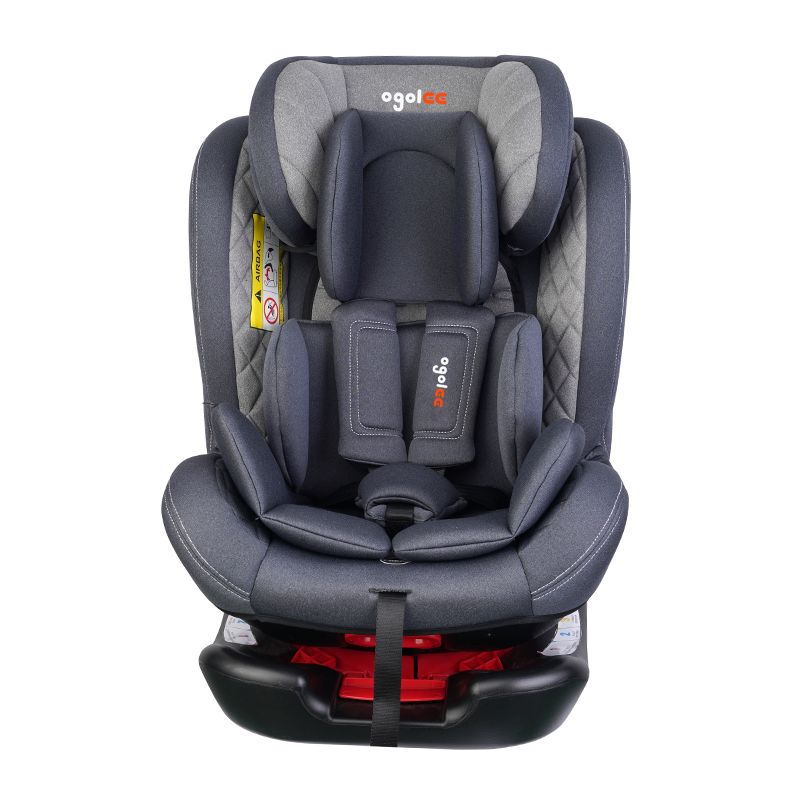
Children do not hit all four limits at the same age, which is why the label is the only reliable reference. If you are shopping for a seat that gives you more time, a 360-degree rotating car seat for 40–150 cm lets you keep the child rear-facing longer, then rotate the seat forward once the limit is reached.
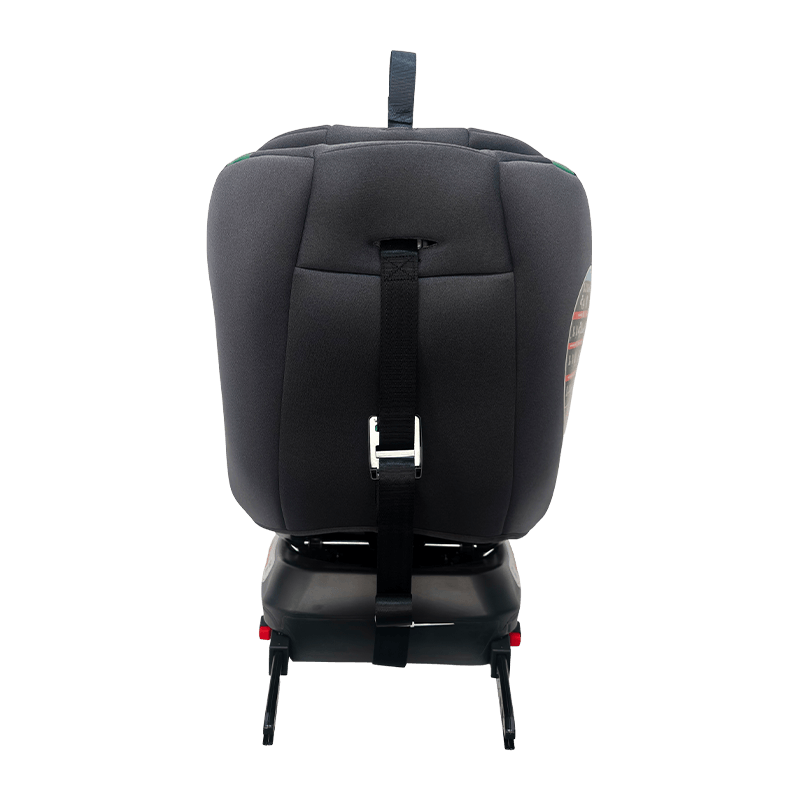 360 Degree Rotate Isize Baby Car Seat Suppliers, Custom CompanyYougaole is a professional China 360 degree rotate baby car seat suppliers and iSize baby car seat company, custom ECE R129 isize isofix...View Product →
How to Make the Switch Correctly
A forward-facing seat protects properly only when it is installed with a harness and a top tether. The forward-facing installation differs from rear-facing, so read the manual again even if you installed the same seat many times before.
- Convert the seat: Remove the infant insert and move the harness to the forward-facing slot at or slightly above shoulder level.
- Install the base: Connect ISOFIX or route the seat belt through the forward-facing belt path.
- Attach the top tether: Hook the tether strap to the vehicle anchor behind the seat and tighten it firmly to reduce head movement in a crash.
- Set the recline: Use the level indicator to match the forward-facing recline angle.
- Do a pinch test: Put the child in the seat and tighten the harness so no extra webbing can be pinched at the shoulder.
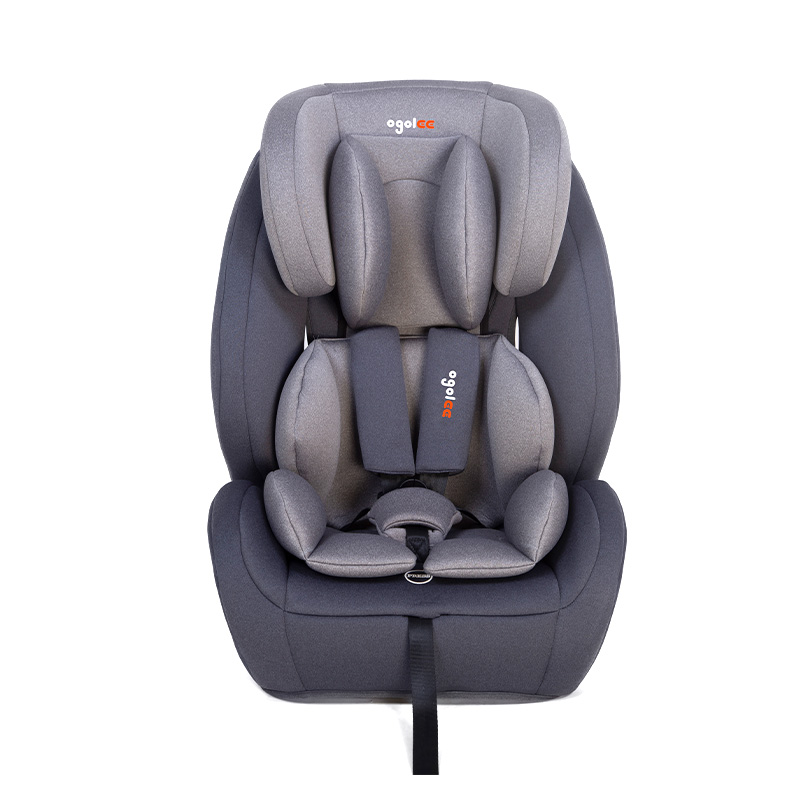
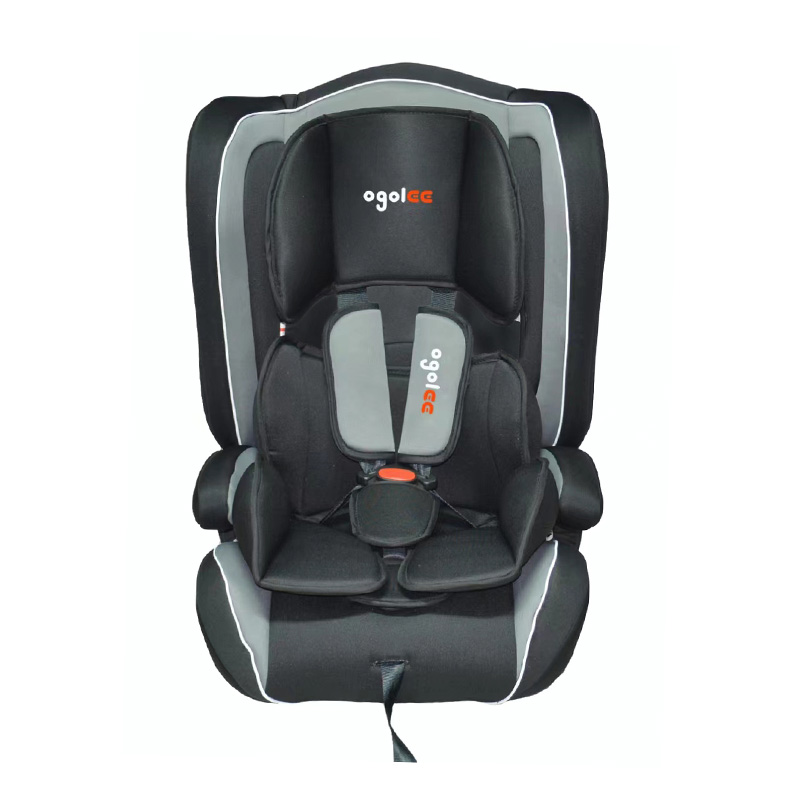
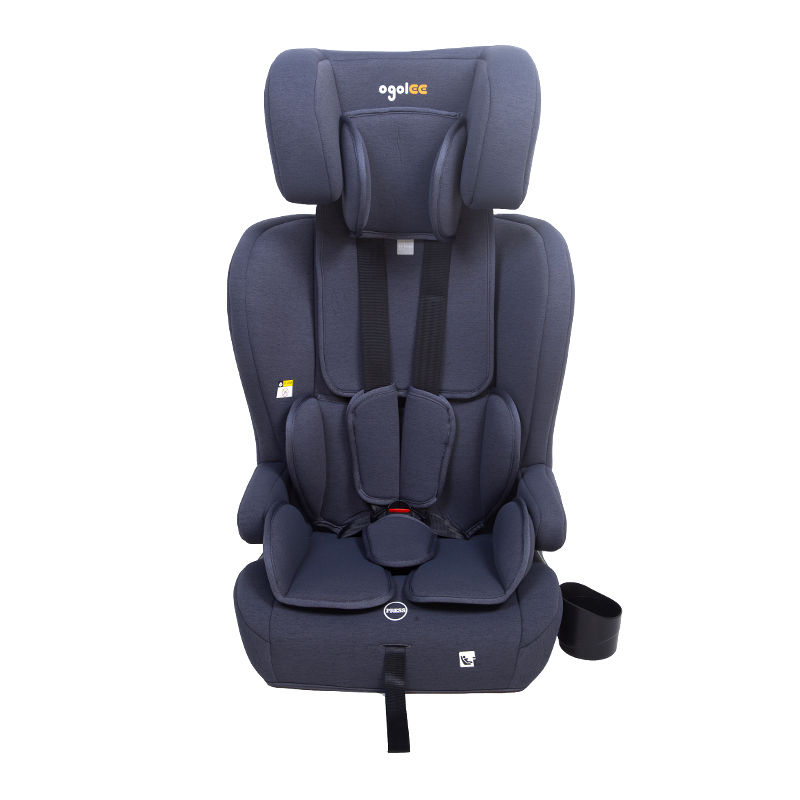
For families with a child in the 76–150 cm range, a forward-facing harness seat with ISOFIX and a top tether makes the process simple because the tether path is clearly marked. The same installation rules apply in every vehicle you use.
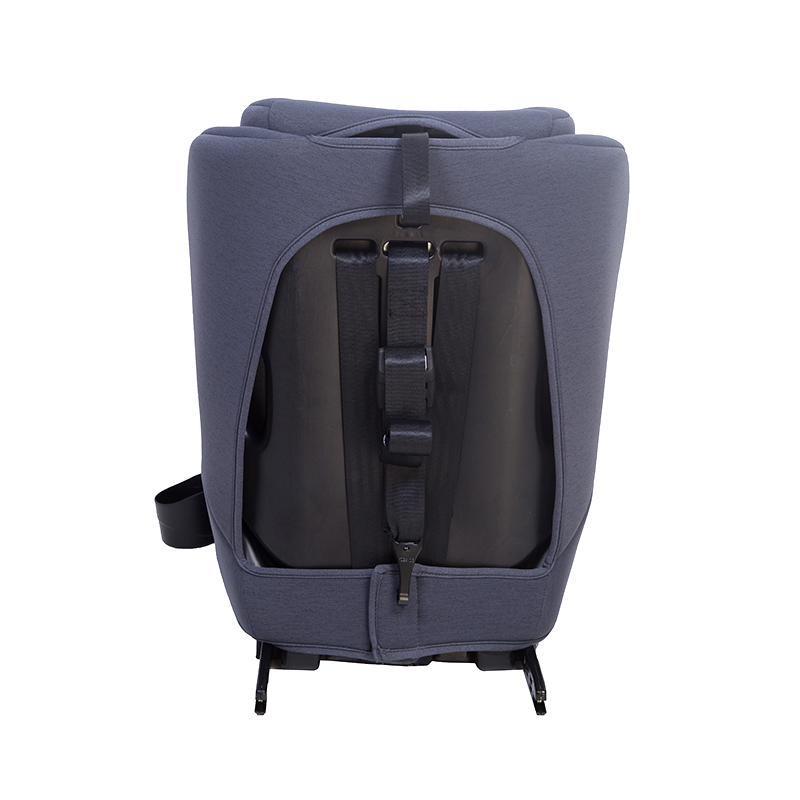 OG303T Best Quality Ece R129 I-Size Isofix Cupholder Child Baby Car Seat 76 -150Yougaole is a professional China OG303T Best Quality Ece R129 I-Size Isofix Cupholder Child Baby Car Seat 76 -150Cm Child Safety Seats Ca...View Product →
Common Questions About the Forward-Facing Switch
Can a 2-year-old face forward?
Technically some seats allow it, but optimum safety says no. A 2-year-old is usually still far below the rear-facing limit of a convertible seat, and both ECE and general safety organizations recommend keeping children rear-facing to the maximum limit. R129 seats in the 40–150 cm class often keep the same child rear-facing past age 3.
Is a forward-facing seat more comfortable for the legs?
Not in any safety-relevant way. Young children naturally bend their legs or rest them against the vehicle seat, and leg injuries from rear-facing are rare. Cramped legs can affect mood, but they are not a legitimate reason to turn the seat before the limit.
What if my child gets carsick while rear-facing?
Try ventilation, fresh air, frequent breaks, and the correct recline before considering a forward-facing switch. Carsickness at this age is often related to visual input, and a mirror or a view of the window can help. Only turn the seat when the child meets the height and weight limits, not simply to address nausea.
Do I have to buy a new seat when my child faces forward?
Not necessarily — most convertible and all-in-one seats work in both directions. Check the seat label for a forward-facing height or weight range. If the child has outgrown the seat entirely, then a new forward-facing harness seat is needed, and it must be installed with the same careful setup described above.
When does a child move from a forward-facing harness seat to a booster?
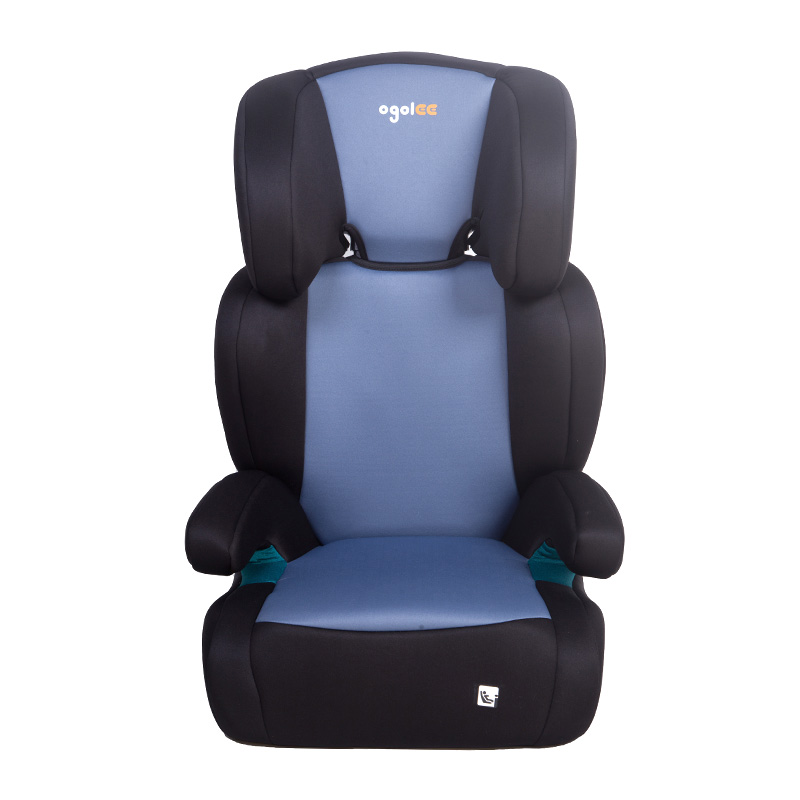
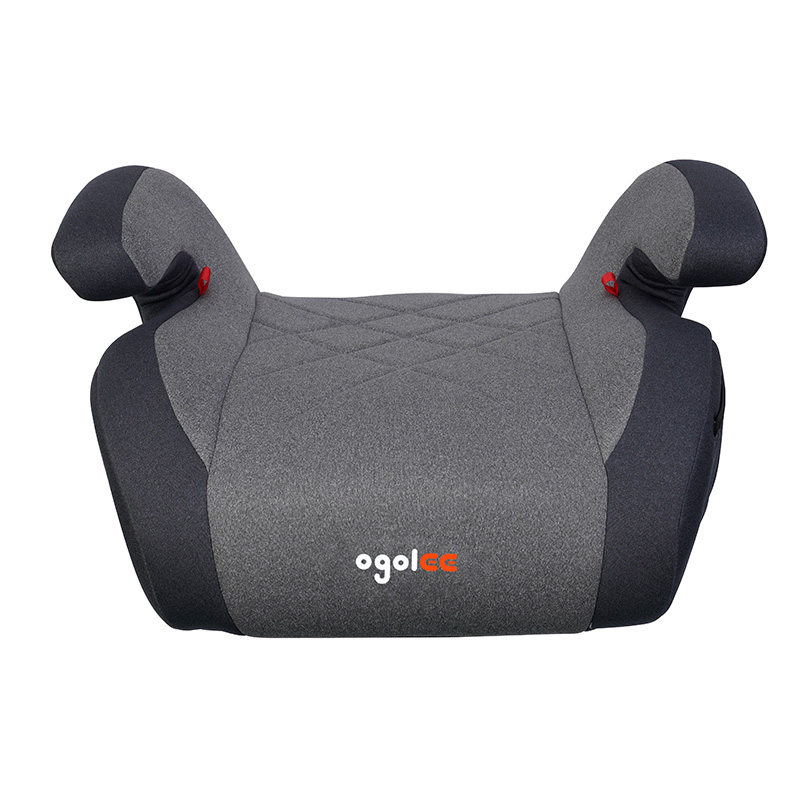
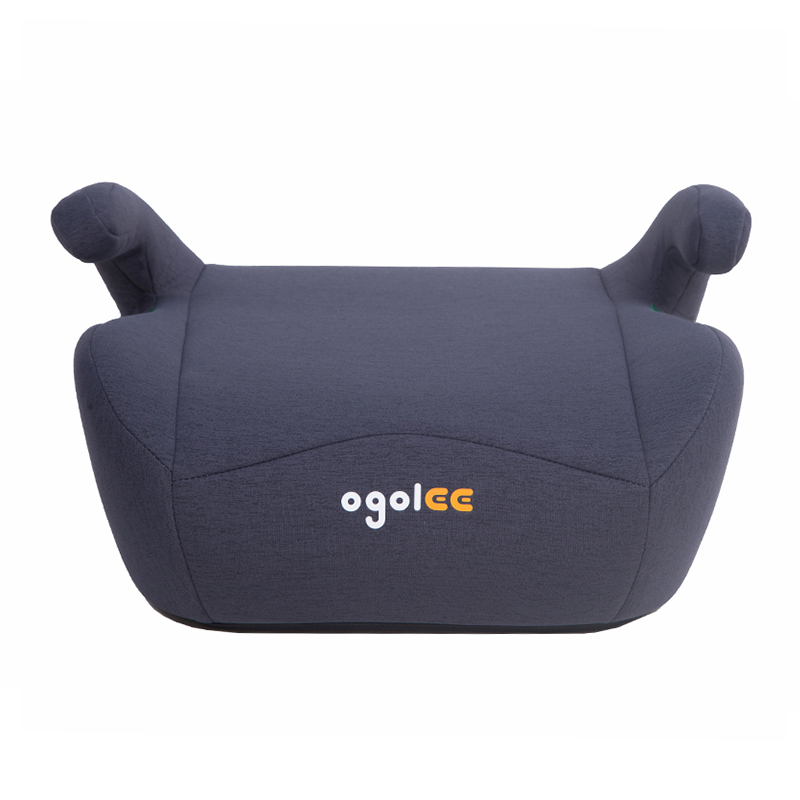
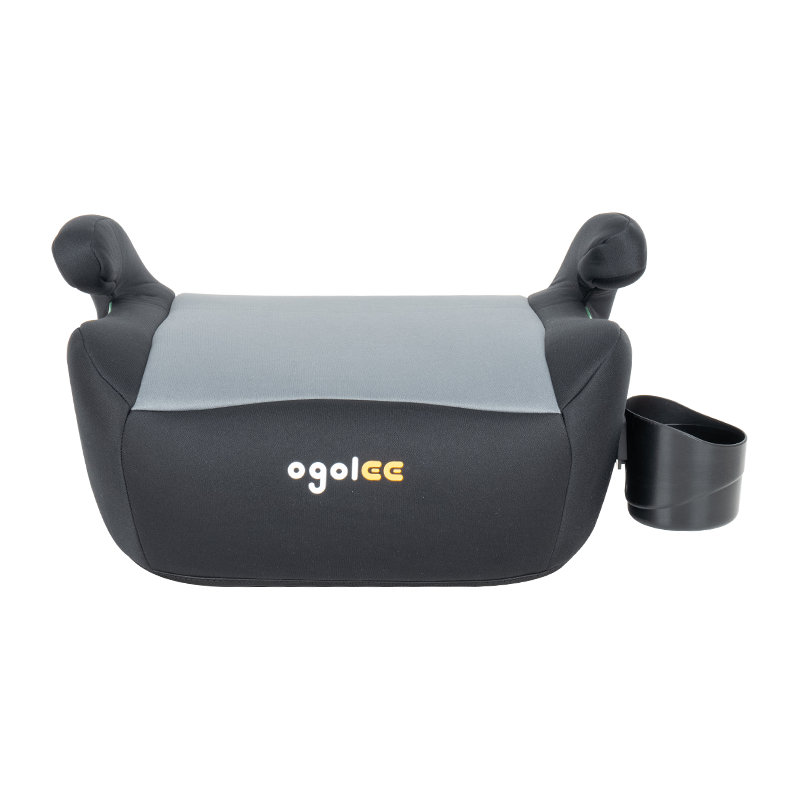
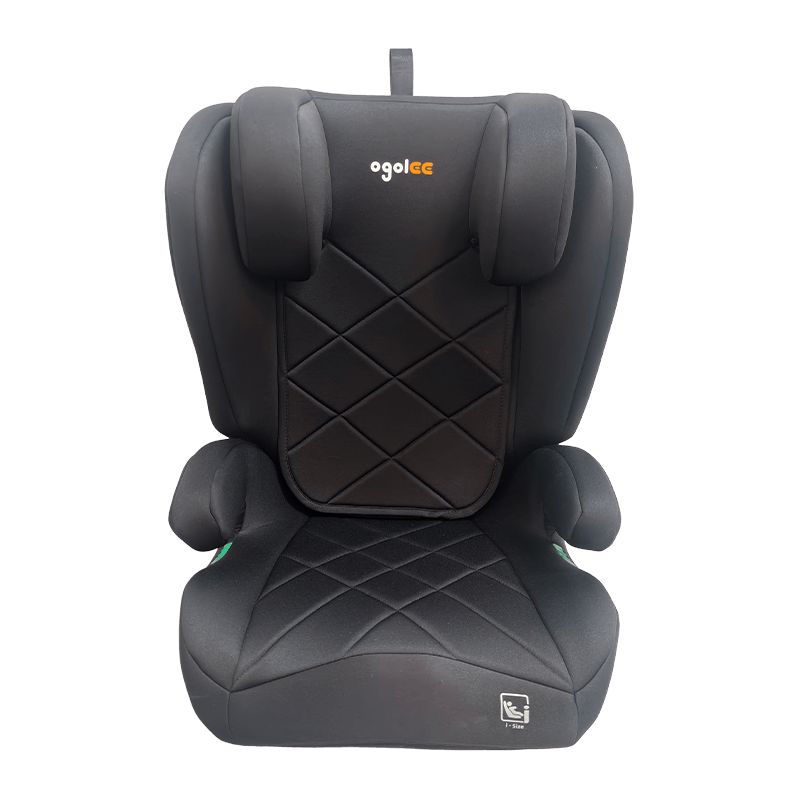
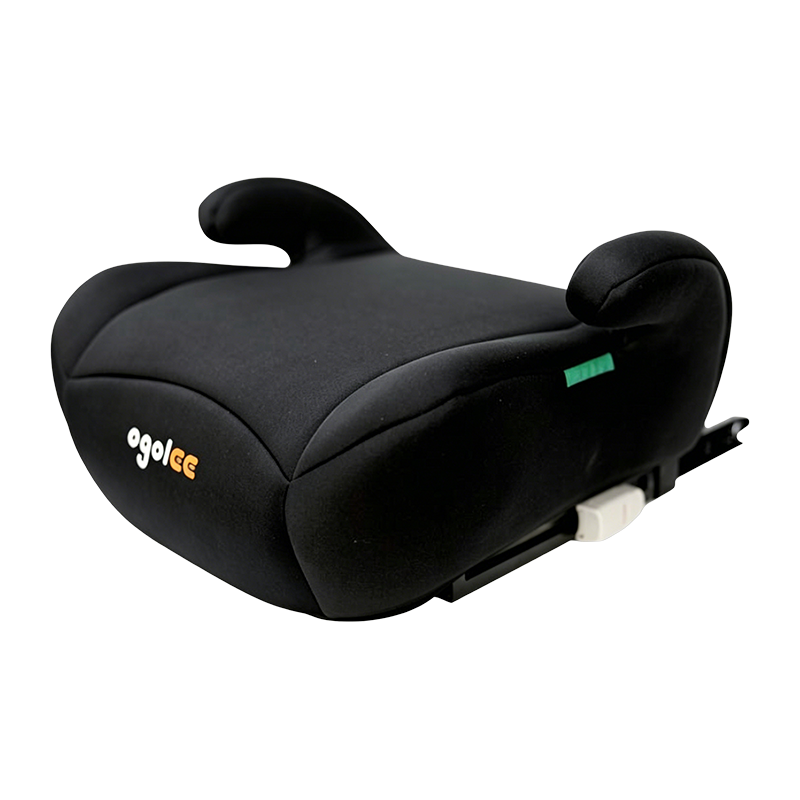
Only after outgrowing the harness by height or weight, which is usually around 100–125 cm under R129. At that point, a high-back booster with ISOFIX and a cup holder for 100–150 cm keeps the child correctly seated in the adult belt. A booster is always forward-facing, so a child who has outgrown the harness should not go back to a rear-facing arrangement.
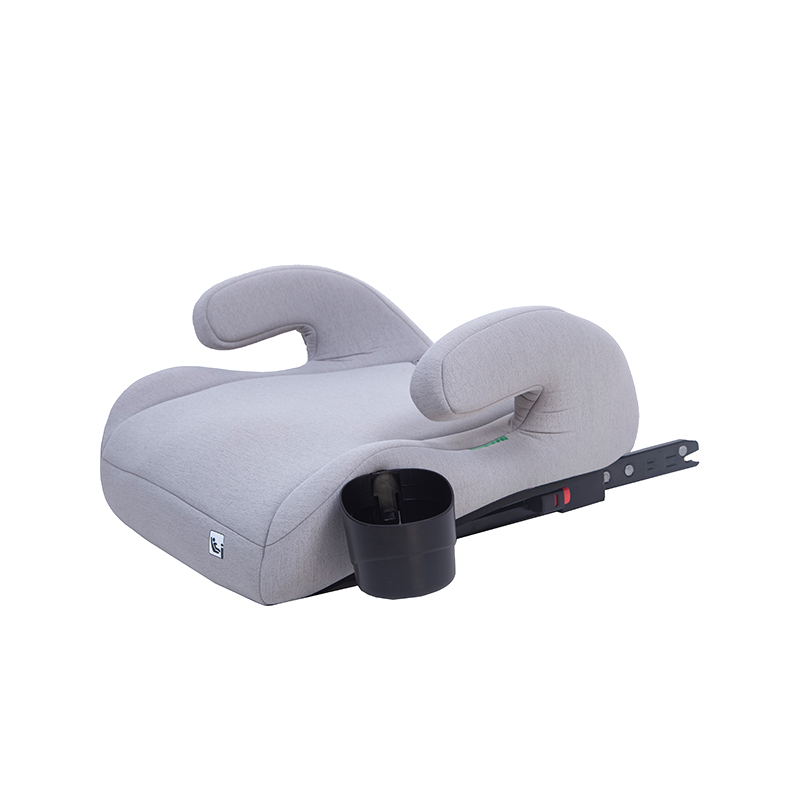 OG303B Isize 100-150CM ECE R129 Cupholder Child Booster Seat Car Group 2 3 Car SYougaole is a professional China OG303B Isize 100-150CM ECE R129 Cupholder Child Booster Seat Car Group 2 3 Car Seat Baby Safety Baby Boo...View Product →
Whenever you buy or replace a seat, confirm that the model carries a recognized certification such as ECE R129 or R44. A certified seat with a clearly printed certificate and compliance label gives you an objective way to check limits, and it also makes it easier to plan the next transition.
The Bottom Line
The answer to "when to move to a front facing car seat" is simple: wait until the child reaches the rear-facing height or weight limit printed on the label, then switch with a harness and top tether. There is no safety advantage to switching early, and there is measurable risk.
Follow the label, use the tether, and keep the harness snug at every ride. If the current seat has been outgrown entirely, replace it with a model that fits the child's height and weight and carries the same certification standard you already trust. Planning each transition around a seat's actual limits, rather than around age alone, is the most reliable way to keep a child protected in every stage of car travel.