 English
 Español
 Deutsch
 русский

A car seat expiration date is the date after which a car seat is no longer certified by its manufacturer to provide reliable crash protection. Most car seats expire 6 to 10 years after the date of manufacture (DOM), and once that date passes, the seat must be taken out of service. The expiration exists because the plastics, foams, webbing, and metal components inside the seat degrade over time and have a tested service life that cannot be extended.
Content
- 1 How Long Does a Car Seat Last?
- 2 Why Do Car Seats Expire?
- 3 How to Find the Expiration Date
- 4 What Happens If You Use an Expired Car Seat?
- 5 After a Crash: The Seat Must Be Replaced
- 6 Choosing a Car Seat That Lasts Safely
- 7 Frequently Asked Questions
- 7.1 Where do I find the expiration date on a car seat?
- 7.2 Do all car seats expire at the same time?
- 7.3 Can I use an expired car seat if it still looks new?
- 7.4 Why are car seats commonly given a 6-year lifespan?
- 7.5 Should I replace a car seat after a minor crash?
- 7.6 How should I dispose of an expired car seat?
How Long Does a Car Seat Last?
The lifespan varies by seat type and manufacturer. There is no universal expiration date across all products, which is why the label on the seat itself is the only reliable source. Here are the typical ranges:
| Seat Type | Typical Lifespan | Notes |
|---|---|---|
| Infant car seat (rear-facing only) | 6 years | Often the shortest lifespan of any seat type |
| Convertible seat | 6 to 8 years | Check the specific model |
| Belt-positioning booster | 8 to 10 years | Boosters generally last longer |
| R129 / i-Size car seat | 6 to 10 years | European standard, height-based classification |
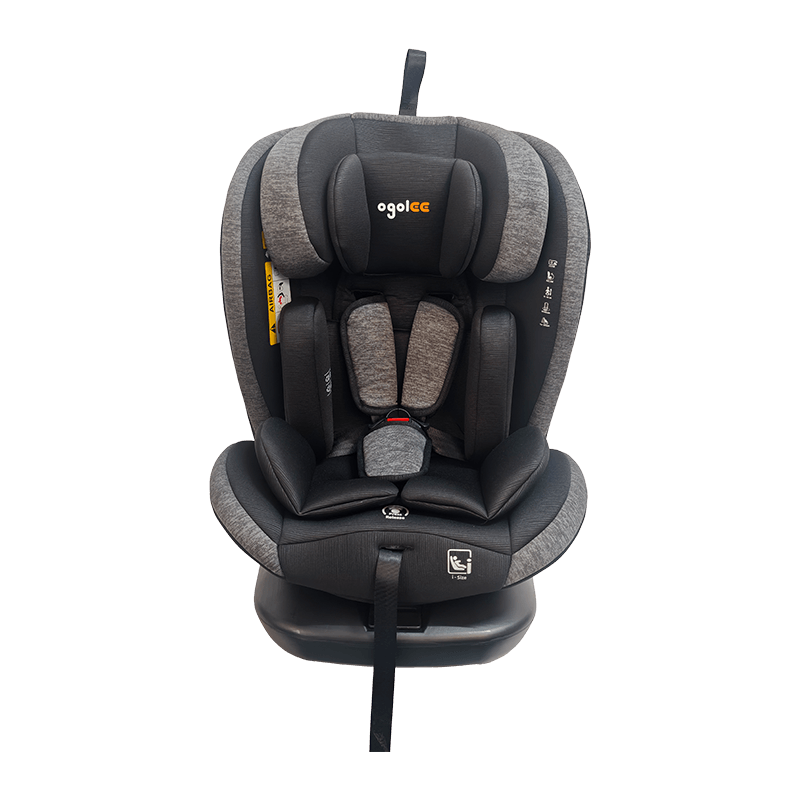
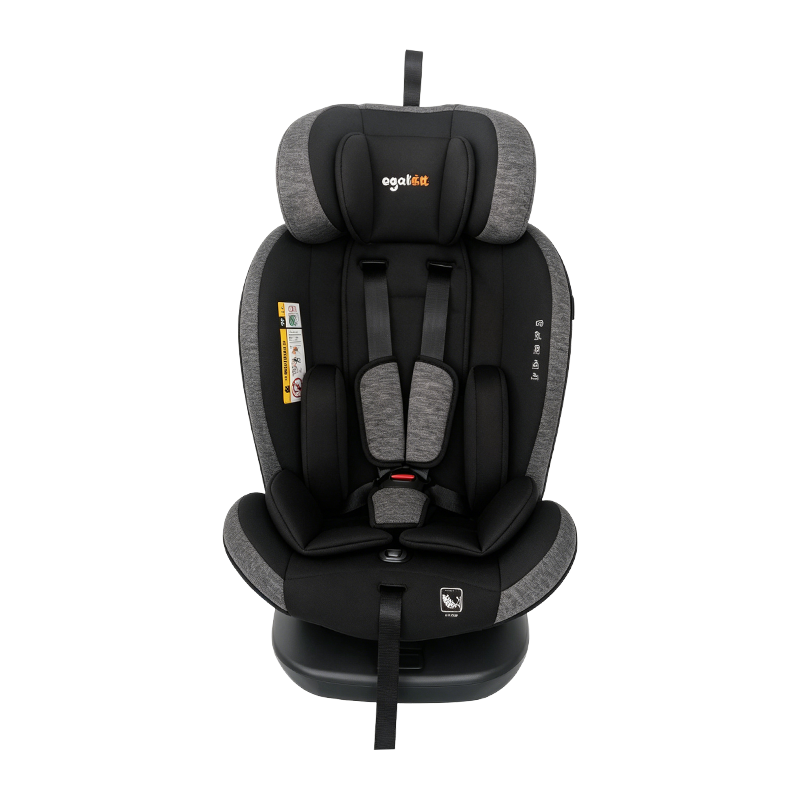
Take a seat that covers the 40–150 cm range as an example. It is designed to serve a child from birth to about 12 years, but its useful life is still limited by the manufacturer's testing. That is why checking the label before purchase is essential.
 ECE R129 i-Size Car Seat for 40-150cm with 360° RotationThis seat covers a wide height range from birth to about 12 years, but its usable life is still limited by the manufacturer's testing. Check the expiration label before purchase.View Product →
Treat the manufacturer's stated expiration date as absolute. A seat that has passed its expiration date is not a candidate for a few more months of use—even if it looks clean and works smoothly.
Why Do Car Seats Expire?
Car seats expire because the materials that protect a child in a collision are not designed to retain their full strength forever. The main causes are straightforward:
- Plastic shell aging. The polypropylene shell is engineered to deform and absorb impact energy. With age, heat exposure, and UV radiation, the plastic may become brittle and crack instead of flexing, which puts the child at much higher risk of injury.
- Energy-absorbing foam degradation. The EPS foam compresses when it absorbs crash forces. Over time, compression cycles and heat reduce the foam's ability to absorb the same amount of energy, leaving the child less protected.
- Webbing and stitching wear. Harness straps and buckles are load-bearing parts. Micro-fraying, seam stretch, and buckle wear can cause the harness to slip or break during a sudden stop.
- Outdated crash-test standards. A seat manufactured 10 years ago was not certified against modern side-impact or head-restraint protocols. Even if all materials were intact, the seat's design would not meet the performance level expected of a current car seat.
Heat amplifies every one of these failures. A seat left inside a parked car through summer months ages considerably faster than a seat stored indoors. This is why several manufacturers recommend replacing a seat that has been exposed to significant heat.
How to Find the Expiration Date
Every car seat has the expiration date printed directly on the seat body. You will almost always find it in one of these three locations:
- Bottom of the seat. Turn the seat over and inspect the underside shell.
- Back panel. Look near the harness height adjustment slots.
- Side of the seat. Check near the belt path or ISOFIX connectors.
The label usually shows the date of manufacture (DOM) and the expiration date together. When only the DOM is present, you must add the manufacturer's stated useful life. A seat with "DOM: 2021-05-15" and a 6-year lifespan, for example, expires in May 2027.
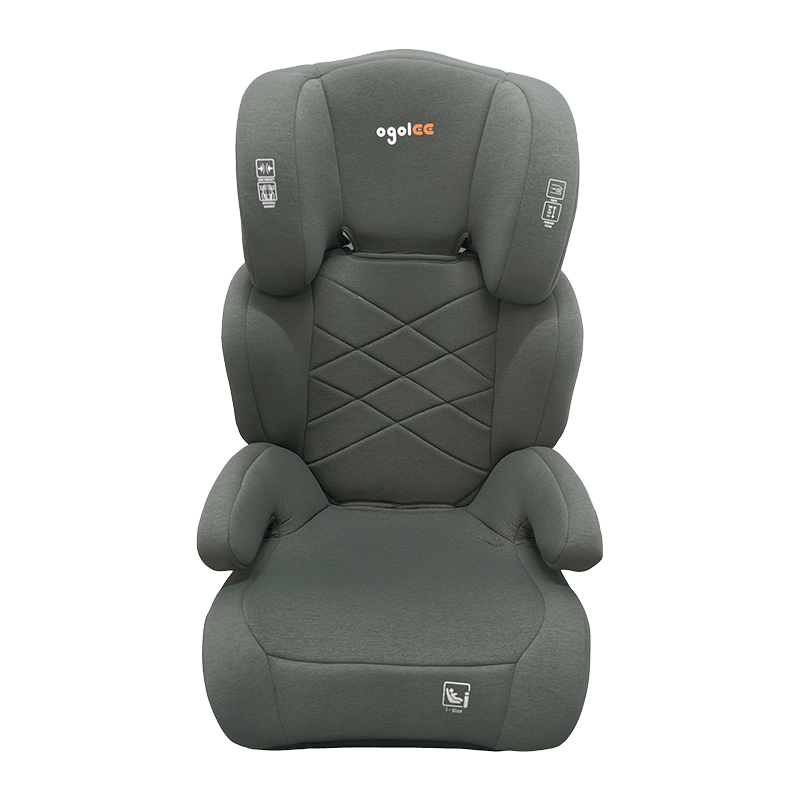
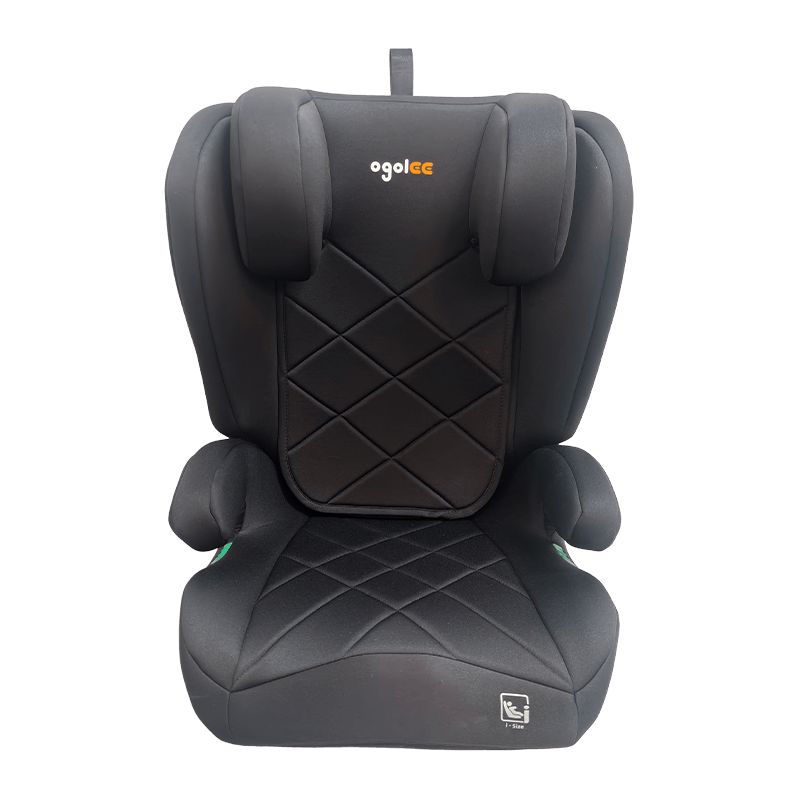
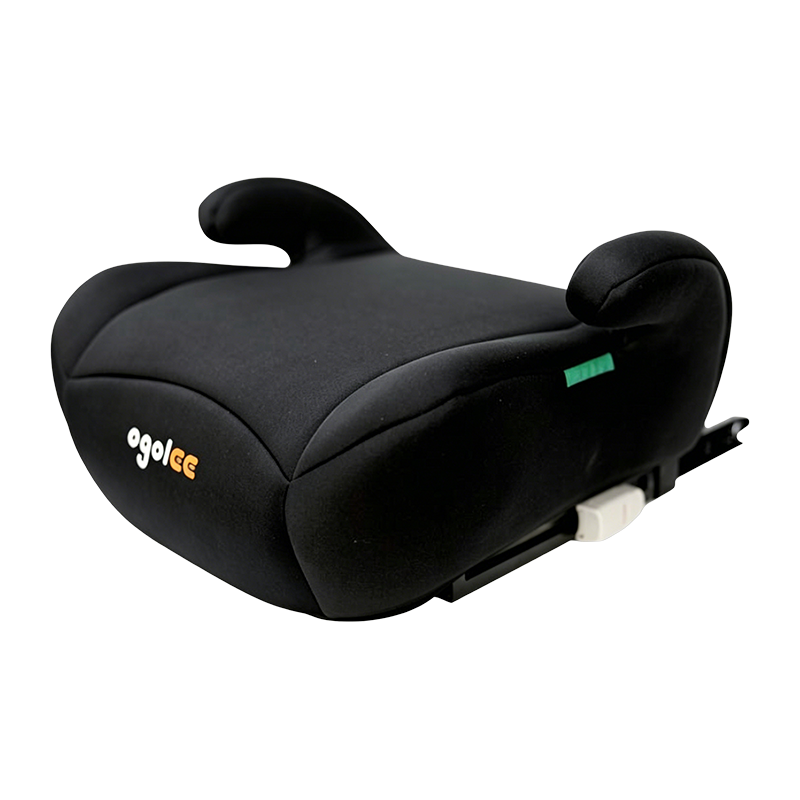
When you shop for a booster seat for an older child, check the expiration label on the model you are considering so you know how many years of useful service it will provide. Without a clear label, the seat cannot be verified as safe.
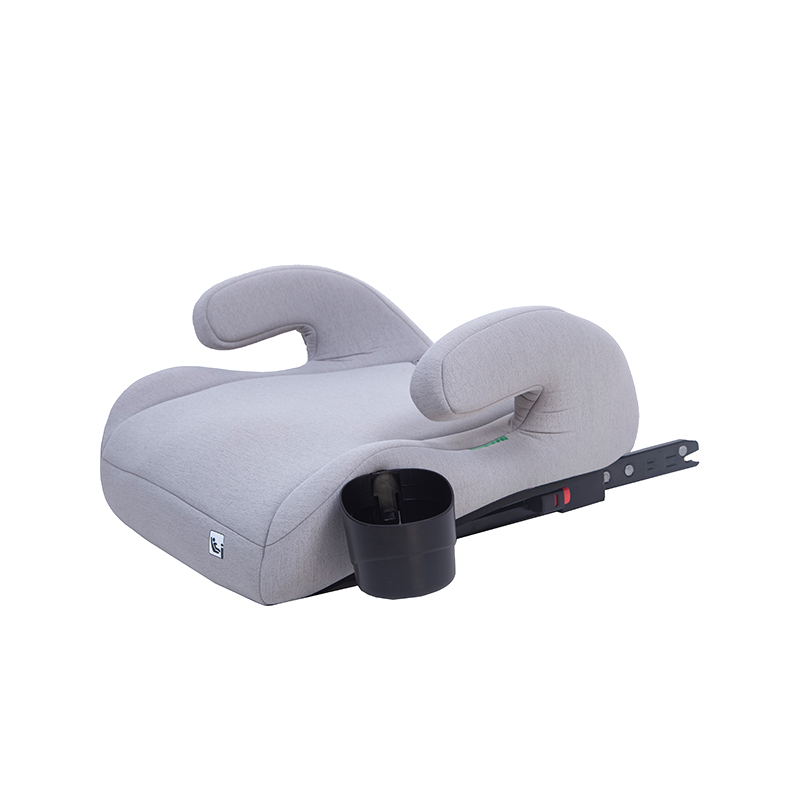 Booster Seat for 100-150cm with Cup Holder and Detachable BaseSuitable for older children up to 150cm, this booster offers adjustable headrest and a removable base for flexibility. Verify the expiration label to know its service life.View Product →
If the label is missing, scratched off, or unreadable, treat the seat as expired. Some manufacturers will issue a replacement label, but most will not. The safest course is to replace the seat.
What Happens If You Use an Expired Car Seat?
An expired car seat does not fail loudly. It can look clean, move normally, and strap in exactly as it did the day you bought it. The failure is internal, and it becomes visible only when a crash happens.
In a collision, an expired or degraded seat can behave in one of several ways:
- The shell may crack rather than deform, transmitting more impact force to the child's body.
- The harness straps may slip or pull through at the anchor points, allowing the child to move too far forward.
- The headrest foam may be too stiff or too dense to provide proper side-impact protection.
- The seat's belt-routing guides may not correctly hold the seat belt in position in a modern vehicle.
There is no test you can run at home to tell whether an expired seat is still safe. The manufacturer has completed crash-test evaluations for the certified lifespan—and nothing beyond it.
After a Crash: The Seat Must Be Replaced
Even an unexpired car seat must be replaced after any moderate or severe crash. The same material degradation that causes expiration occurs in an instant when the seat absorbs crash forces, even if it appears undamaged.
Modern standards such as UN R129 set clear expectations for how a seat should perform under crash loads, and are based on much more demanding tests than older R44 rules. The key differences between R129 and R44 include side-impact testing and the use of height rather than weight as the primary sizing guide. If a seat has been involved in a crash, it must be replaced before another child rides in it.
Choosing a Car Seat That Lasts Safely
When you buy a new seat, consider the total service life, not just your child's current stage. A seat that converts from rear-facing to booster can last many years, but it only remains safe within its printed expiration window. Here are the most important factors:
- Clear date labels. The seat body should show both the DOM and the expiration date.
- A standard that matches your child. In Europe, R129/i-Size seats are classified by height, while older R44 seats use weight.
- ISOFIX with a support leg or top tether. These reduce installation errors and improve retention in a crash.
- Side-impact protection. Good head and torso protection in side impacts is a key difference between modern seats and older models.
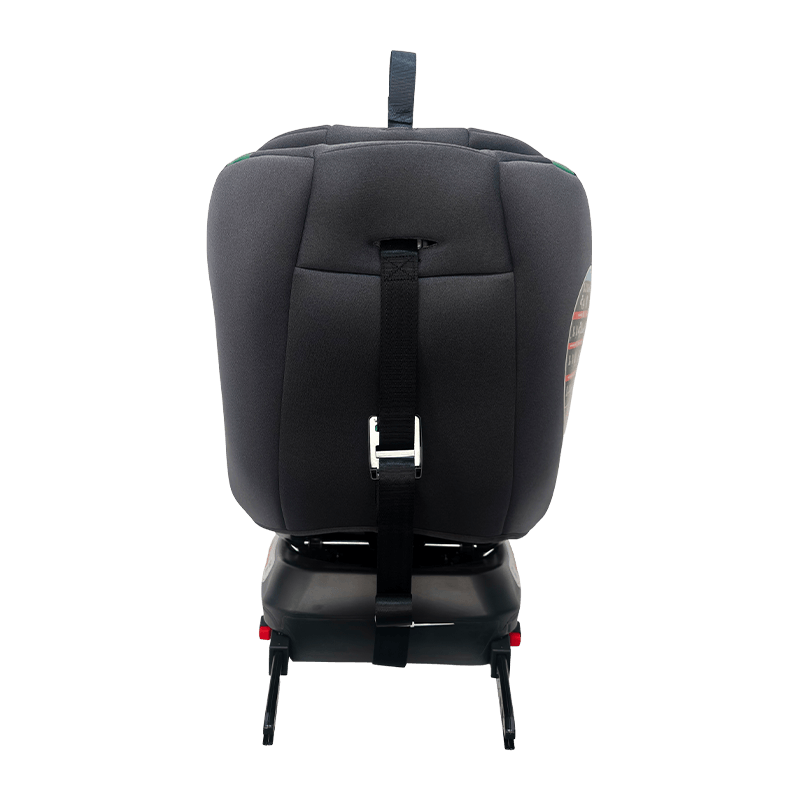
A seat such as one that covers the full 0–36 kg range is designed to accompany a child for many years, but you must still verify its certification lifespan when you buy it.
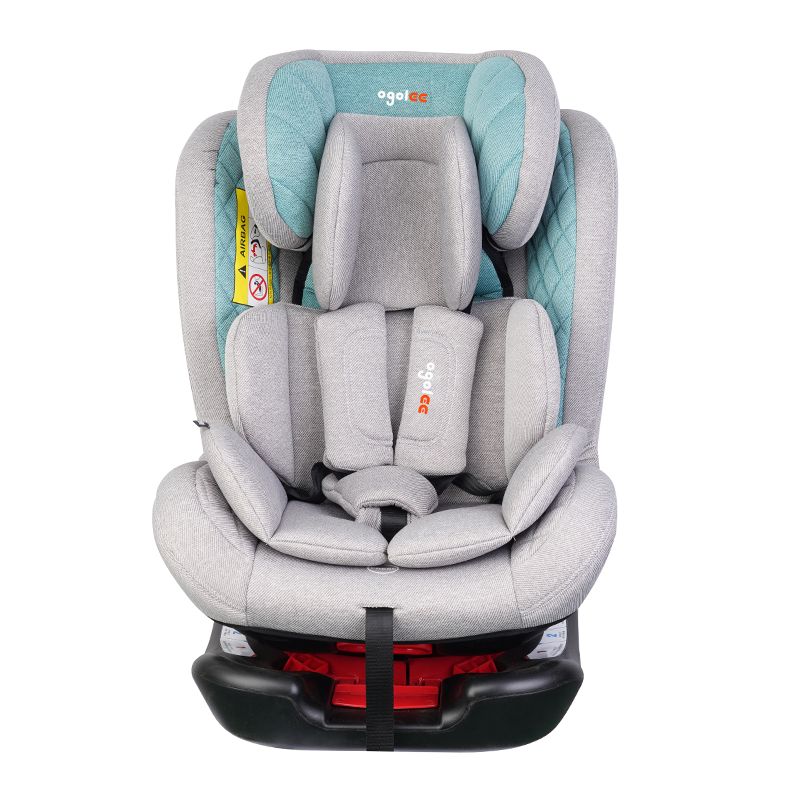 Group 0-36kg Car Seat with 360° Rotation and ECE R44/04Designed for children from birth to 36kg, this seat features a 360-degree rotation and adjustable headrest. Confirm its certification lifespan before buying.View Product →
New vs. Used Car Seats
A used car seat is not automatically unsafe. Before accepting a second-hand seat, check three things. First, confirm the expiration date has not already passed. Second, make sure the seat was never in a crash. Third, verify that no parts are missing and that there are no active recalls on that model. If the seller cannot confirm the date of manufacture, do not accept the seat.
Frequently Asked Questions
Where do I find the expiration date on a car seat?
Look on the bottom, side, or back of the seat. The expiration label is usually a white sticker or a molded mark that says "expiration date" or "do not use after." If the label is missing, treat the seat as expired.
Do all car seats expire at the same time?
No. Manufacturer lifespans vary. Infant seats often expire around 6 years after manufacture, while some boosters last up to 10 years. The exact date is printed on the seat.
Can I use an expired car seat if it still looks new?
No. The seat has passed its tested lifespan. Even if it looks clean and moves smoothly, the internal materials may no longer provide adequate protection.
Why are car seats commonly given a 6-year lifespan?
The 6-year figure comes from accelerated aging tests on polypropylene and EPS foam. These materials retain their crash performance for a defined period under normal use, after which the manufacturer cannot guarantee their behavior in a collision.
Should I replace a car seat after a minor crash?
Most manufacturers say yes, even for minor crashes, because structural damage may not be visible. The safest rule is to replace any seat that was in a crash that caused vehicle damage or airbag deployment—and many manufacturers specify replacement after any crash above a low-speed threshold.
How should I dispose of an expired car seat?
Do not donate it or sell it. Remove the harness straps, cut the webbing, and take the seat to a recycling facility that accepts hard plastics. Mark the seat as expired so nobody else tries to use it.