 English
 Español
 Deutsch
 русский

A 2-in-1 car seat and booster is a single child restraint that works as a forward-facing harness seat first and then converts into a high-back booster that uses the vehicle’s adult seat belt. It typically covers children from roughly 76 cm to 150 cm tall, so one seat can last from about 6 months to 12 years. The short answer to the common question “is a 2-in-1 worth it?” is yes for most families, provided the seat is certified to a current standard such as ECE R129, fits your vehicle correctly, and is adjusted properly at each growth stage.
Content
- 1 What Exactly Is a 2-in-1 Car Seat and Booster?
- 2 2-in-1 vs. All-in-One vs. Dedicated Booster
- 3 Safety Standards: Why R129 Beats R44
- 4 When to Switch from Harness to Booster Mode
- 5 What to Look for When Buying a 2-in-1
- 6 Three R129 2-in-1 Seats from the OGOLEE Range
- 7 What Wholesale and OEM Buyers Should Check
- 8 Frequently Asked Questions
What Exactly Is a 2-in-1 Car Seat and Booster?
The direct definition: a 2-in-1 car seat and booster, also known as a combination seat, is a forward-facing-only restraint that starts as a harnessed seat and later becomes a booster. This design removes the need for a separate booster purchase at around age four, when most children outgrow the harness stage.
In harness mode, the child is secured across both shoulders and between the legs by the seat’s own five-point harness. In booster mode, the harness is removed or tucked away, and the seat positions the child so the vehicle’s three-point seat belt crosses the chest and pelvis at the correct points.
What Grows with the Child
On a well-built 2-in-1 seat, the headrest and backrest rise with the child, while the seat shell, side-impact wings, and ISOFIX connectors stay fixed. This is what makes the seat useful for many years rather than a few.
- The five-point harness is used first; it keeps the child tightly held in a crash.
- The booster mode then uses the adult seat belt, with belt guides on the headrest keeping the lap belt low and the shoulder belt away from the neck.
- The height adjustment should be tool-free and lock firmly at each position.
The trade-off is clear: a 2-in-1 does not offer rear-facing travel, so a child must already meet the minimum forward-facing requirements before using it.
2-in-1 vs. All-in-One vs. Dedicated Booster
The conclusion first: a 2-in-1 is the middle ground. It gives you a long service life without the added cost and bulk of an all-in-one seat that includes rear-facing capability, and it is safer than buying a dedicated booster alone because the child stays in a five-point harness for longer.
| Feature | 2-in-1 Car Seat & Booster | All-in-One (0–12 yr) | Dedicated Booster |
|---|---|---|---|
| Rear-facing mode | No | Yes | No |
| Five-point harness mode | Yes | Yes | No |
| Booster mode | Yes | Yes | Yes |
| Typical height range | 76–150 cm | 40–150 cm | 100–150 cm or 125–150 cm |
| Typical price | Moderate | Highest | Lowest |
Since the transition from harness to booster usually happens between 4 and 6 years, a 2-in-1 saves the cost and reinstallation hassle of a separate booster. The main scenario where an all-in-one wins is when you want one single seat from birth to age 12 without ever moving the child to a different shell.
Safety Standards: Why R129 Beats R44
The short conclusion: choose an ECE R129-certified 2-in-1 seat over an R44 model when the budget allows, because R129 adds mandatory side-impact testing, a height-based fit system, and stricter head protection measurements.
- Side-impact protection is mandatory under R129; R44 did not require it.
- R129 uses the child’s height to decide when to switch modes; R44 uses weight.
- R129 requires rear-facing travel until at least 15 months, which affects the overall design philosophy.
- R129’s head excursion limits are tighter, reducing the risk of head contact in a side collision.
You can read a full comparison of the two regulations in our guide to R129 vs R44 key differences.
When to Switch from Harness to Booster Mode
The simple rule: move to booster mode only when the child’s shoulders pass the highest harness slot, or when the ears reach the top of the headrest—whichever comes first. Age is not the deciding factor; height and fit are.
Under R129, the harness must be used until the child reaches the seat’s stated transition height, which on a 76–150 cm model typically falls between 100 and 115 cm. Waiting until that point matters because the harness distributes crash forces across the strongest parts of a child’s body.
Signs that the transition is actually needed:
- The shoulders are above the top harness slot.
- The ears are above the top of the seat back or headrest.
- The child can sit still in the correct position for an entire trip.
What to Look for When Buying a 2-in-1
The five features that matter most are ISOFIX connectors, a top tether or support leg, deep side-impact wings, an adjustable headrest, and a removable washable cover. Everything else is secondary.
- ISOFIX: rigid connectors greatly reduce the risk of incorrect installation, which is the most common cause of seat failure in a crash.
- Top tether or support leg: these anchors limit forward rotation and reduce head excursion in frontal impacts.
- Side-impact protection: look for deep wings with energy-absorbing foam around the head, neck, and torso.
- Adjustable headrest: it must rise high enough for a 150 cm child while keeping the belt guide precisely at shoulder height.
- Washable cover: a zip-off, machine-washable cover keeps the seat clean through years of daily use.
If you are buying for a narrow rear seat, check the seat’s width at its widest point and whether the ISOFIX arms can be adjusted for a snug fit.
Three R129 2-in-1 Seats from the OGOLEE Range
For families and importers who want a concrete starting point, the OGOLEE factory range includes several ECE R129-certified forward-facing seats covering 76–150 cm. These seats work as a harnessed seat first and a high-back booster later.
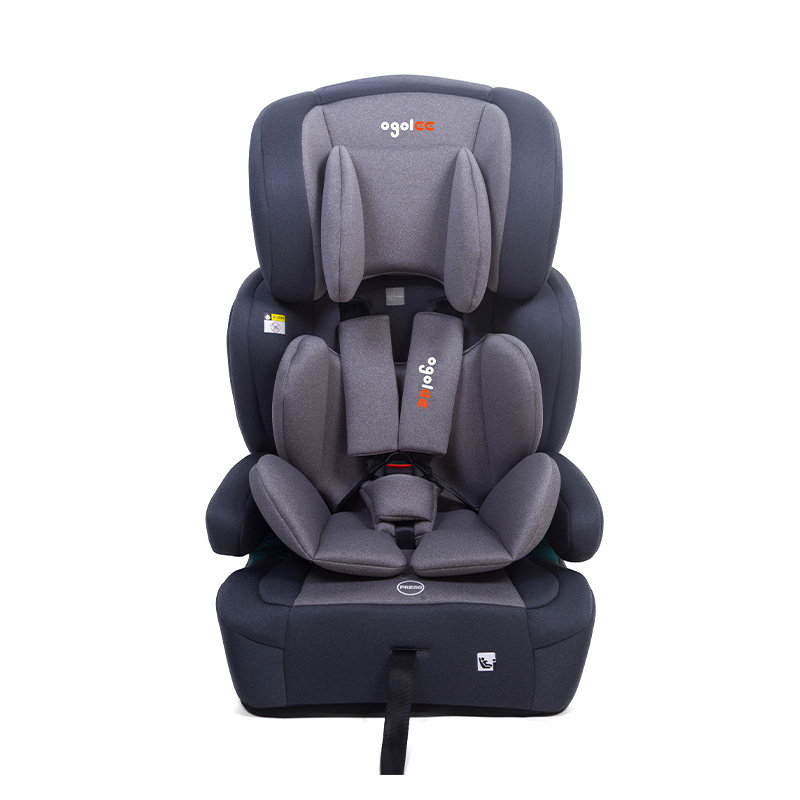
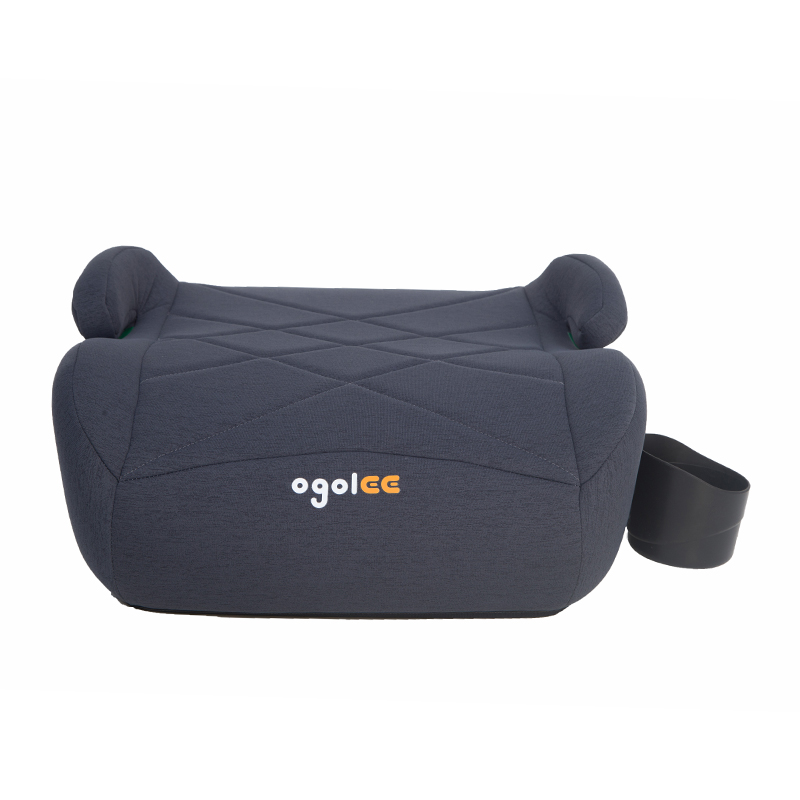
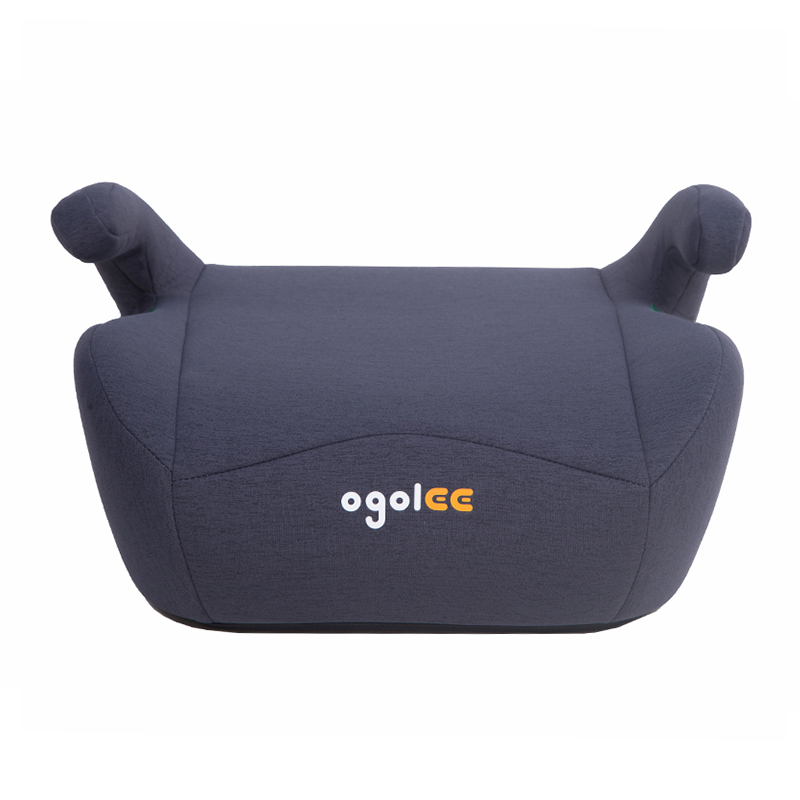
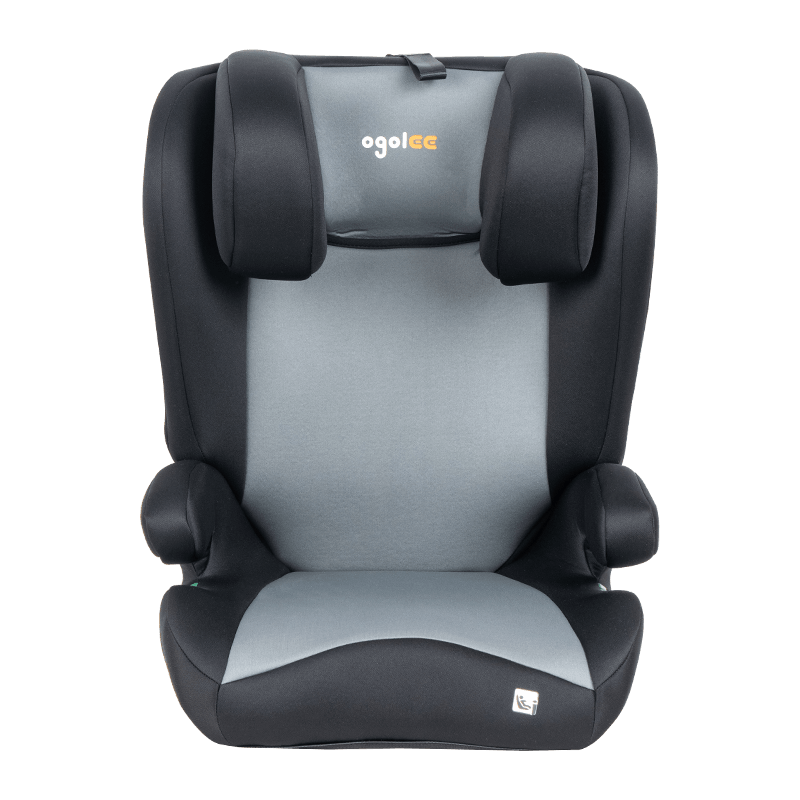
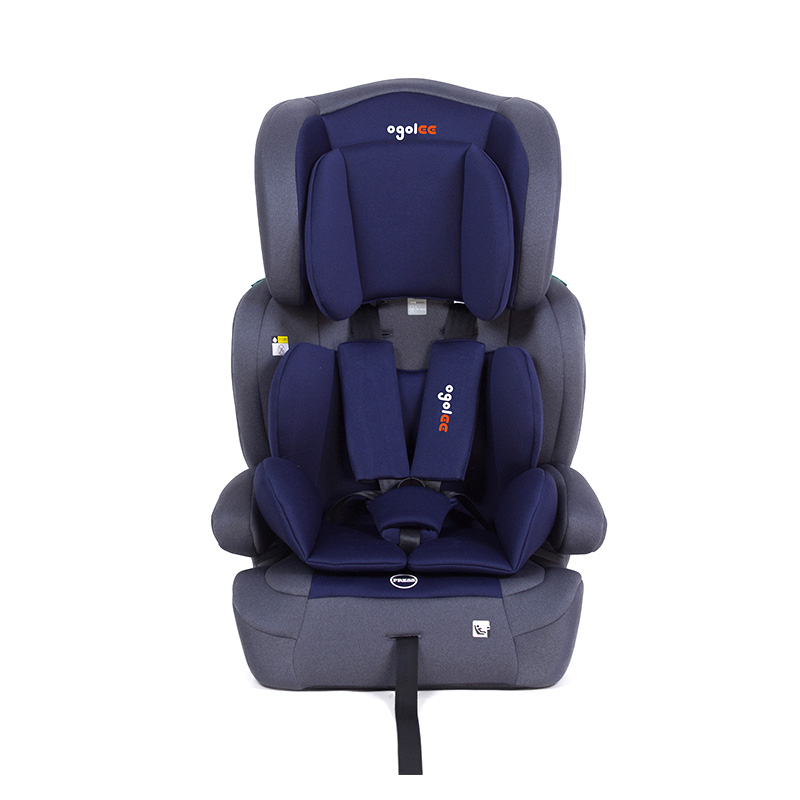 OG301A ISOFIX-Ready High-Back Booster with Protective Side PillowThis adaptable seat works as a harnessed seat first and a high-back booster later, with a height-adjustable headrest and a separable base. It offers a compact, daily-use-friendly shell for children 76–150 cm.View Product →
The OG301A is an ISOFIX-ready high-back booster with a protective side pillow, designed for children from 76 to 150 cm. It offers a clean, compact shell that suits daily use and keeps the child properly positioned in both harness and booster modes.
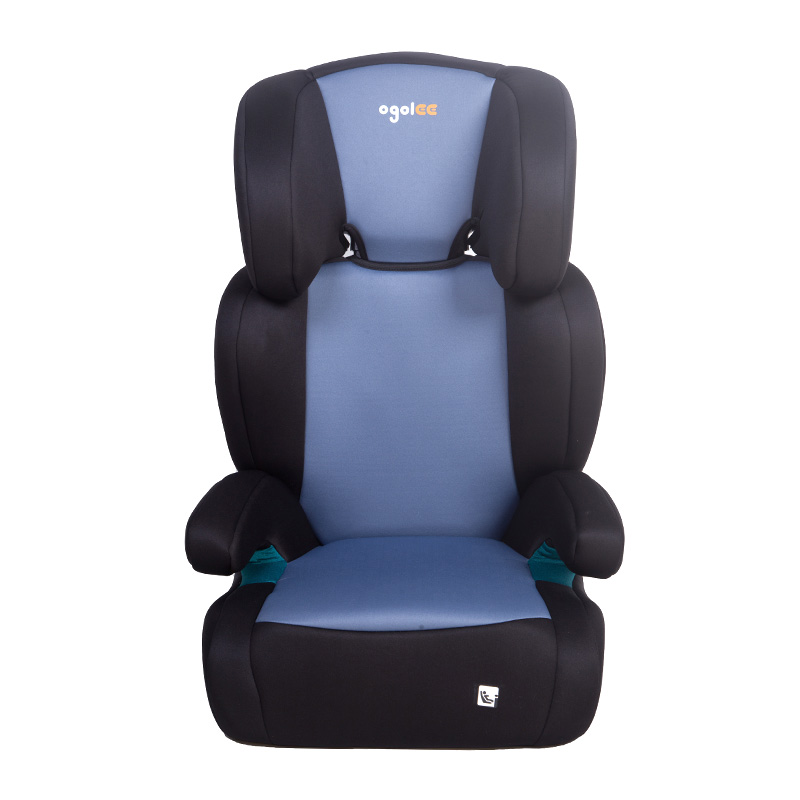
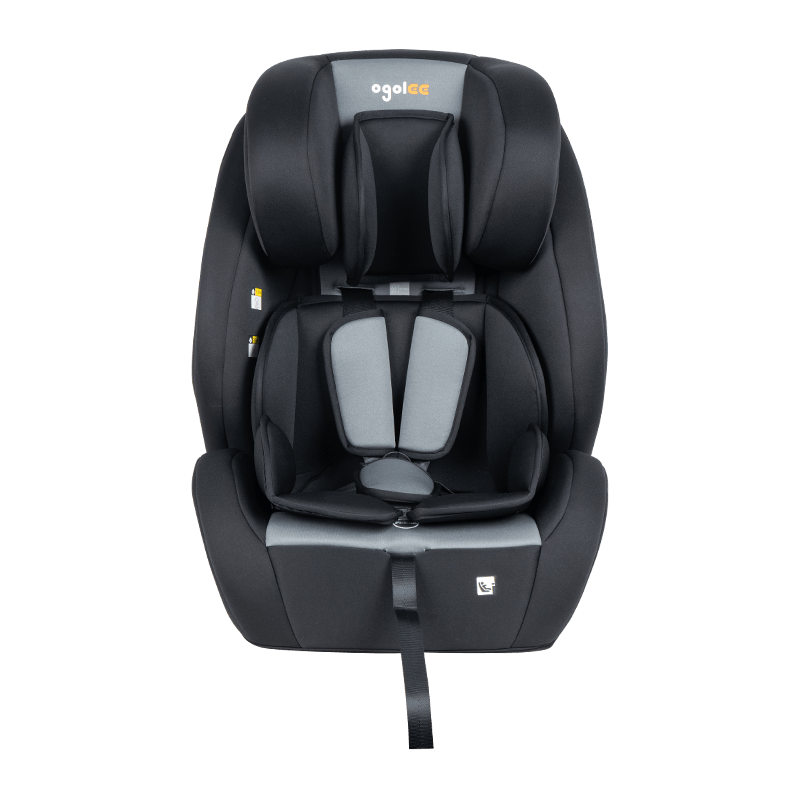
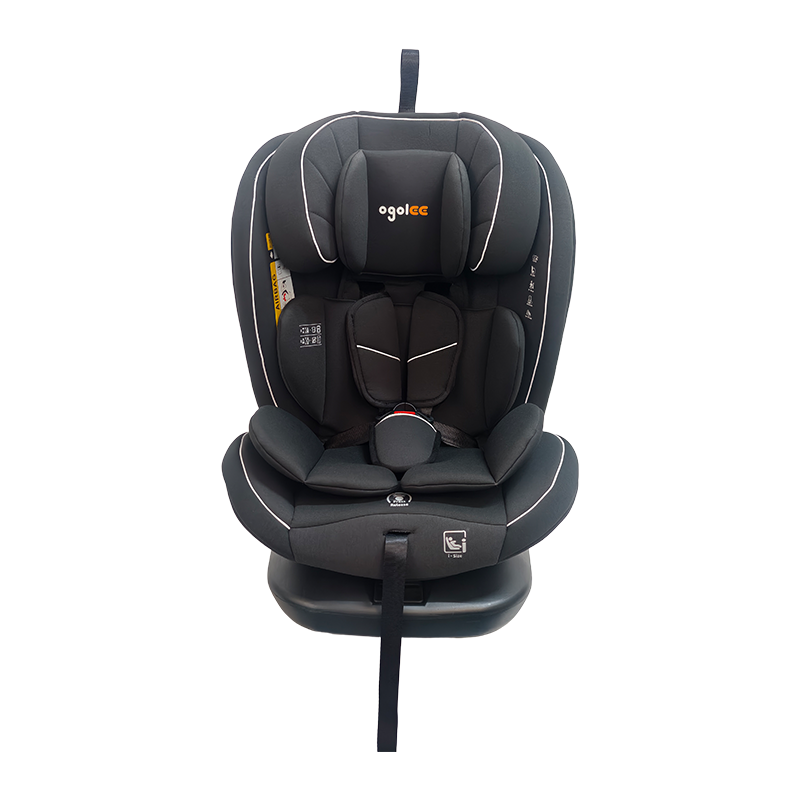
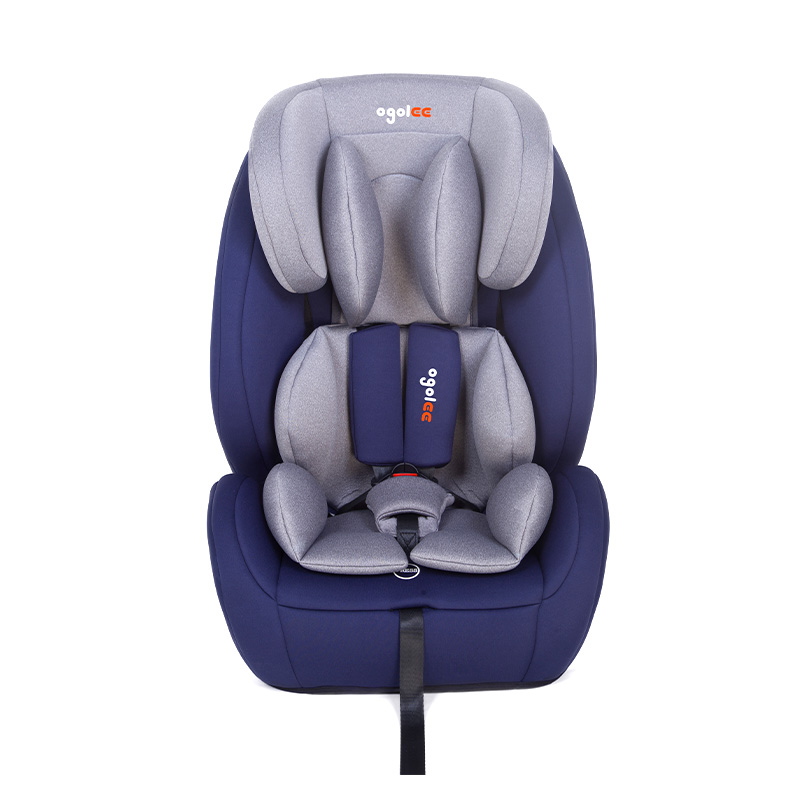 OG302A Child Car Seat with ISOFIX and Top Tether InstallationAdding a top tether to the ISOFIX base limits forward movement in frontal impacts. Its soft base and simple setup fit most family cars, making it a practical choice for growing children up to 150 cm.View Product →
For an extra layer of anchorage, the OG302A combines ISOFIX with a top tether that limits forward movement in a frontal impact. Installation is straightforward, and the seat’s footprint fits most family cars without crowding the cabin.
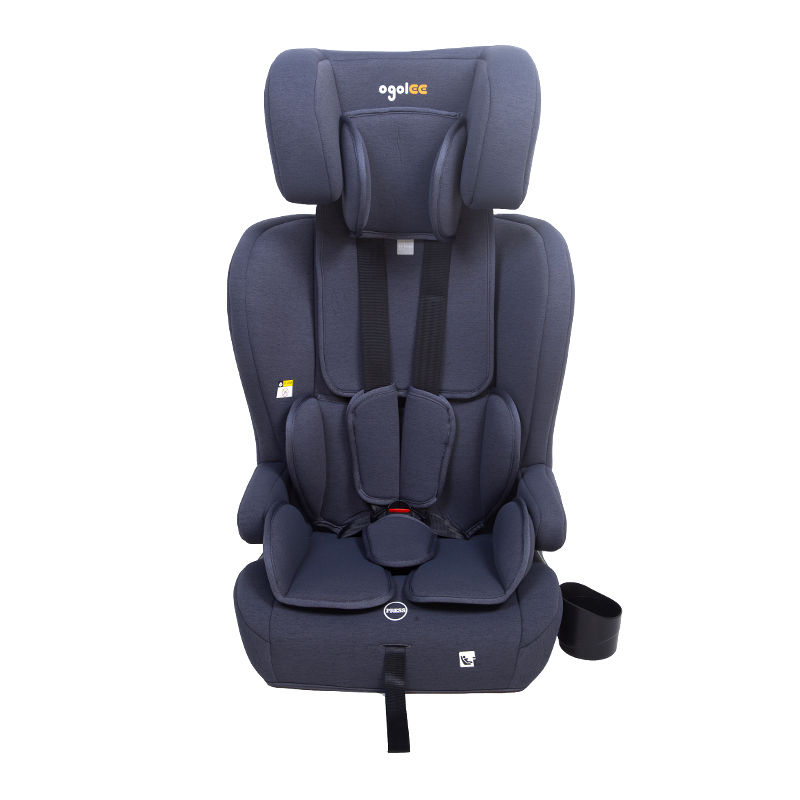
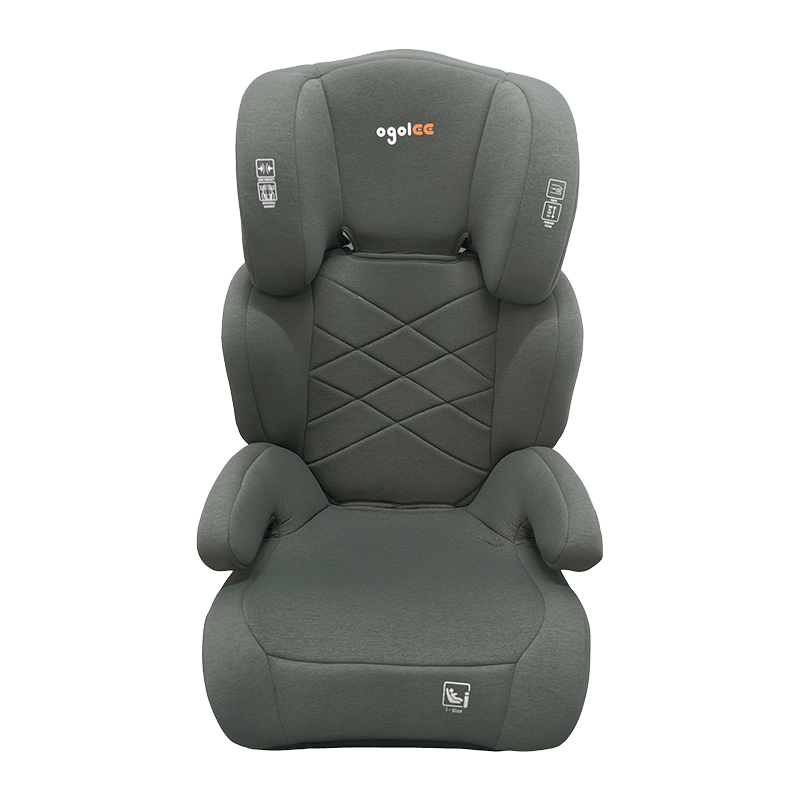
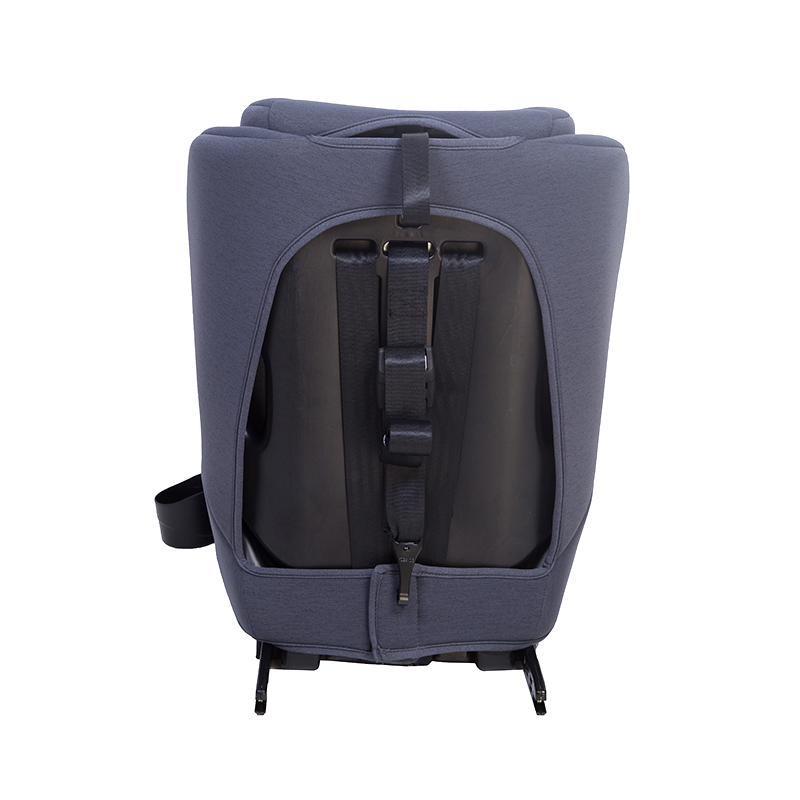 OG303T Car Seat with Cup Holder, Steel Skeleton, and 9-Position HeadrestThis ISOFIX and top-tether seat combines a steel skeleton with a nine-position adjustable headrest and cup holder. Its ergonomic side wings and R129/04 compliance support children from 76 to 150 cm in daily travel.View Product →
The OG303A brings the convenience of an integral cup holder to the same ISOFIX-plus-top-tether platform, along with a taller backrest for growing children. It is a strong choice for buyers who want everyday usability without compromising safety features.
What Wholesale and OEM Buyers Should Check
The conclusion for importers: certification paperwork is necessary but not sufficient. You should also verify physical production quality, material consistency, and the factory’s ability to support your brand’s specific requirements.
- Request ECE R129 approval documents for each exact model and height range you intend to import.
- Inspect samples for harness quality, foam density, shell rigidity, and the feel of the ISOFIX release mechanism.
- Confirm minimum order quantities, lead times, and packaging specifications for your target market.
- Discuss customization options such as cover fabric, color, embossing, and logo placement if you are sourcing an OEM program.
- Verify that the factory’s claims match reality by checking its certificate page and, ideally, conducting a video audit or factory visit.
A 2-in-1 seat sold under your own brand must still carry the correct approvals in the destination market, so ask whether the factory can support documentation for your specific region, including updates to the regulation.
Frequently Asked Questions
The short answers below cover the questions we hear most often from both parents and buyers.
What is the difference between a 2-in-1 and a 3-in-1 car seat?
A 2-in-1 seat is forward-facing only and combines a harness stage with a booster stage. A 3-in-1 seat adds a rear-facing stage at the beginning, so it can be used from birth. If you already have an infant carrier, a 2-in-1 is usually the more economical second seat.
At what age can a child use booster mode?
There is no universal age. Booster mode should begin only when the child reaches the height marked on the seat for the transition, which is usually around the time most children are 4 to 6 years old. Follow the seat label, not a birthday.
Can a 2-in-1 car seat and booster be used without ISOFIX?
Yes. Most models also allow installation with the vehicle’s seat belt. However, ISOFIX reduces installation error, which is the most common factor in a seat underperforming during a crash. Use ISOFIX whenever your car supports it.
When does a child outgrow a 2-in-1 seat?
A child outgrows it when the shoulders ride above the highest belt guide, when the ears pass the top of the seat back, or when the child exceeds 150 cm in height. At that point, a plain high-back booster or the seat belt alone is considered appropriate in most European markets.
A 2-in-1 car seat and booster is a practical, cost-effective way to cover the forward-facing years with a single installation. Choose an R129-certified model, install it with ISOFIX and a top tether when possible, and follow the height markers rather than guessing by age. For buyers sourcing at wholesale or OEM level, the same rules apply—check the certification first, then verify the factory’s real-world quality before placing a large order.