 English
 Español
 Deutsch
 русский

A slim toddler car seat is a child restraint designed with a reduced shell and base width so it can sit beside another seat in a tight rear row while still meeting ECE R129 or ECE R44 crash safety requirements. Families usually need one when a second child arrives, when a compact car cannot take two standard seats, or when an adult still has to travel in the back seat.
The practical starting point is measurement, not guesswork. Standard toddler seat bases typically measure 43–48 cm across, while a slim model drops that to roughly 38–42 cm. Recovering 5–10 cm per seat can be exactly what turns an impossible three-across setup into a workable one, which is why a growing number of parents and importers now ask for the installed base width before they ask for the price.
Keep one fact in mind from the start: “slim” is a dimensional feature, not a safety rating. A narrow seat protects only when it is approved, correctly installed, and matched to the vehicle bench. The following sections explain what to measure, which standards to trust, and how to avoid the mistakes that ruin most narrow-seat purchases.
Content
What Counts as a Slim Toddler Car Seat?
Base width decides fit, not shoulder width
The base width and the belt-path width determine whether two seats fit side by side; shoulder wings and decorative covers do not. When seats are pushed together, the lower shells collide first, and the base also decides whether the seat-belt buckle stays reachable and easy to click.
- Standard toddler seats: 43–48 cm at the base.
- Slim toddler seats: 38–42 cm at the base.
- Ultra-compact portable boosters: under 38 cm.
On a typical subcompact rear bench of about 120–130 cm of usable width, two slim seats at 40 cm each still leave roughly 40 cm for a third passenger or a small adult. Two standard seats usually remove that option entirely.
Certification is the real safety floor
A slim shell only means something if the seat remains fully certified, because certification is what guarantees minimum crash performance. In the European market, that means passing ECE R129 (i-Size) or ECE R44/04 before the seat reaches a vehicle.
R129 is height-based, includes a mandatory side-impact test, and uses one seat across its entire declared height range. R44/04 is the older weight-based standard and does not demand the same dynamic side-impact performance. Whichever you choose, check the orange approval label on the shell before installation. You can review the certified scope of the OGOLEE range on our certificate overview page.
Features That Make a Slim Seat Practical in a Small Car
The best slim toddler seats stay narrow exactly where it matters, use rigid installation hardware, and keep the child properly padded. Focus on these three characteristics when comparing models.
Rigid ISOFIX and a top tether keep narrow seats stable
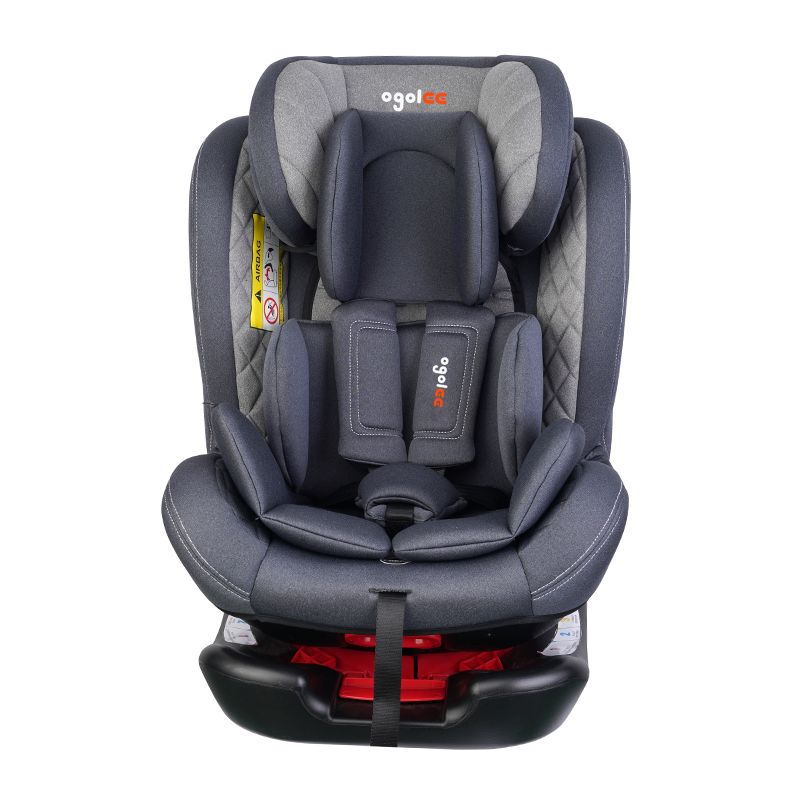
Rigid ISOFIX arms lock the seat base to the vehicle anchors and prevent the sideways drift that can happen with loose belt installation; a top tether then controls forward rotation during a crash. A narrow seat that shifts sideways is more dangerous than a wider one that stays put, so installation hardware matters more on slim models, not less.
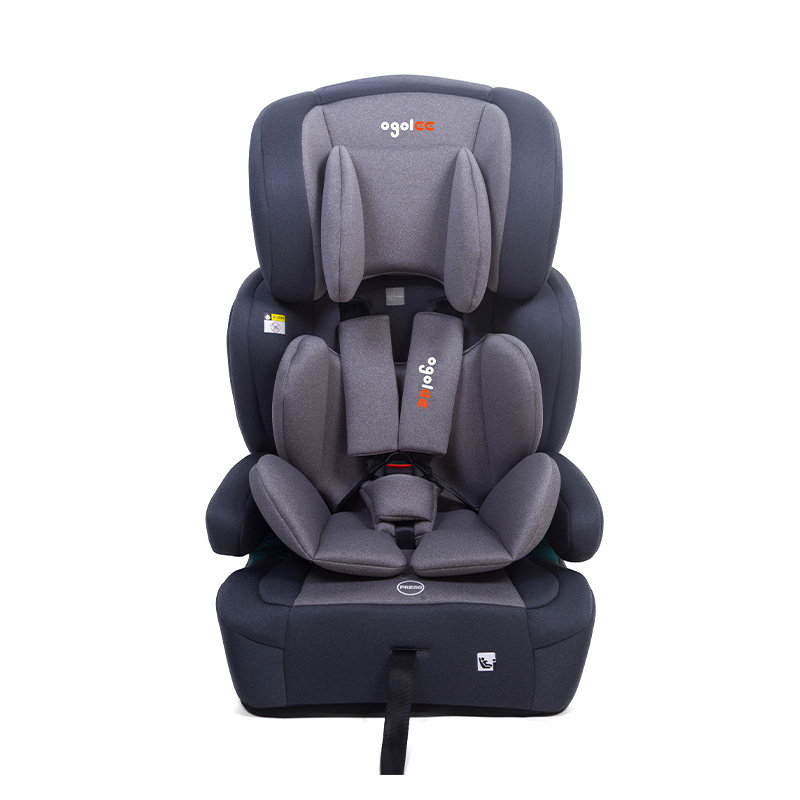
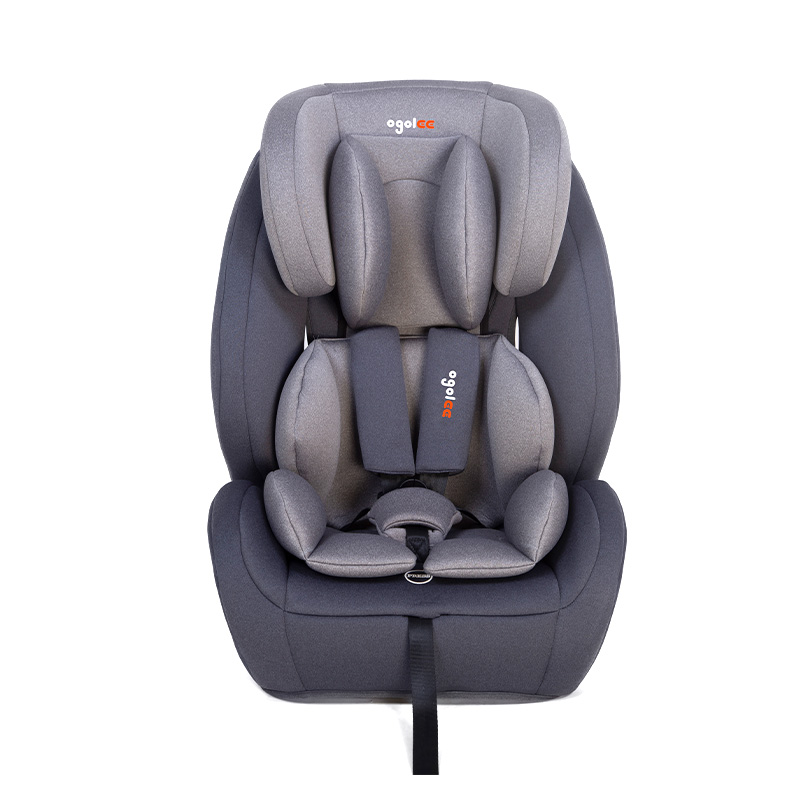
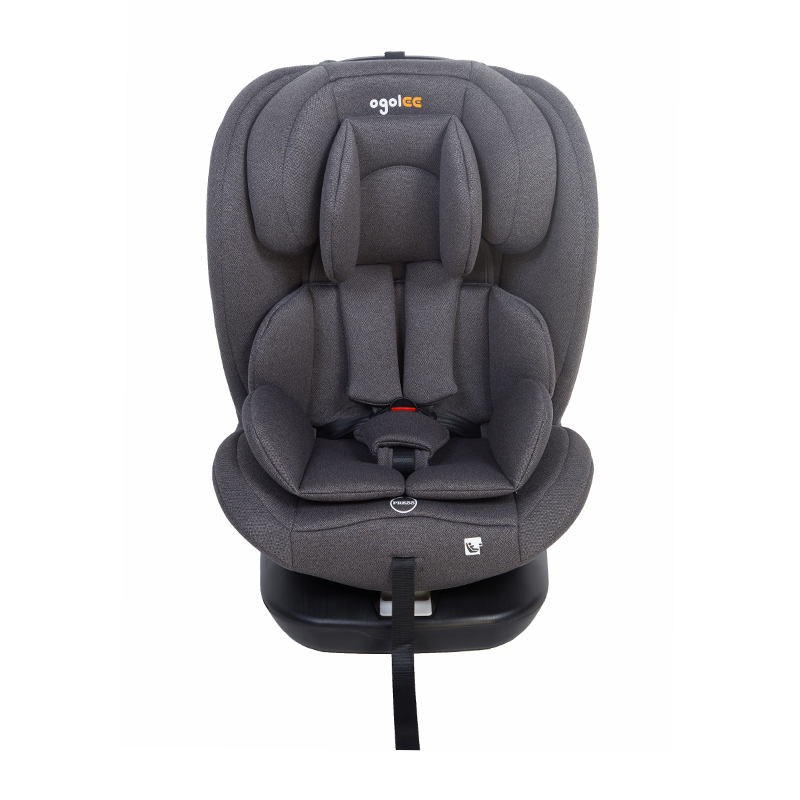
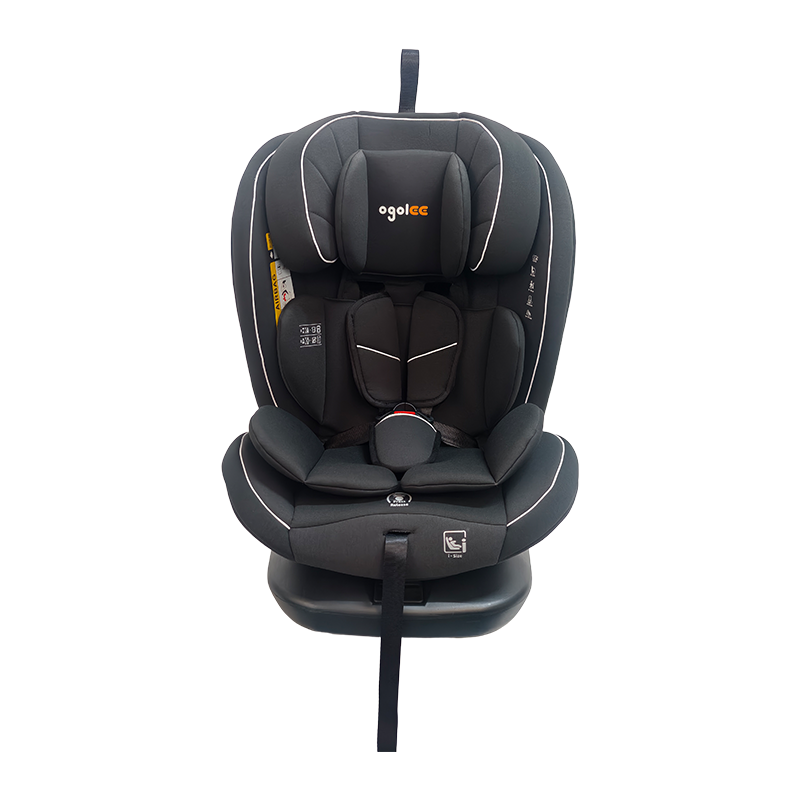
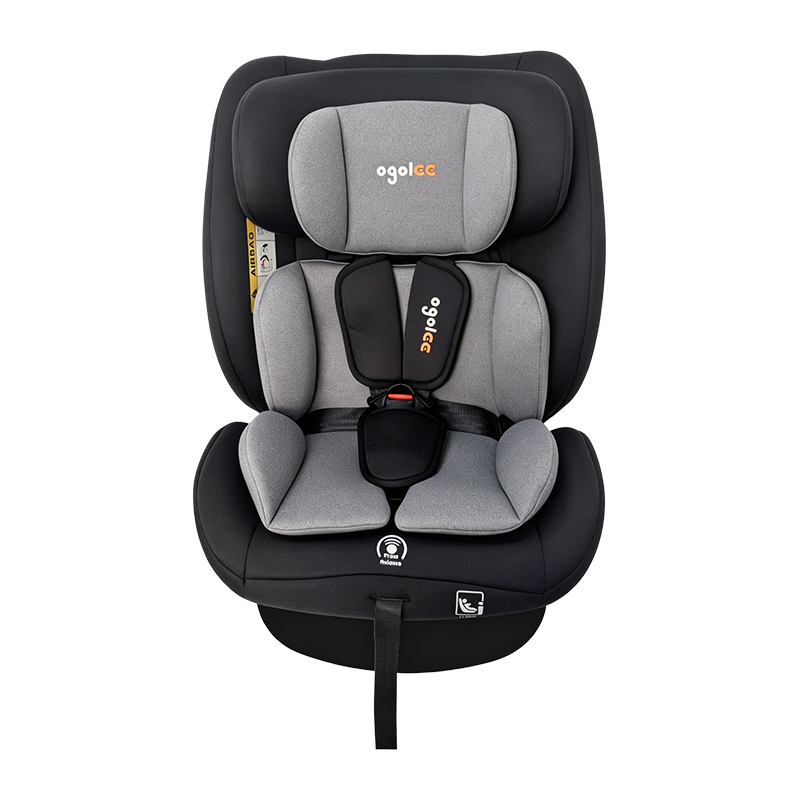
For a toddler, the OG301A ISOFIX high-back toddler seat is a realistic slim pick: it covers 76–150 cm, adds a protective pillow, and keeps the head and shoulders supported in a narrow seating position while the ISOFIX base holds the shell firmly in place.
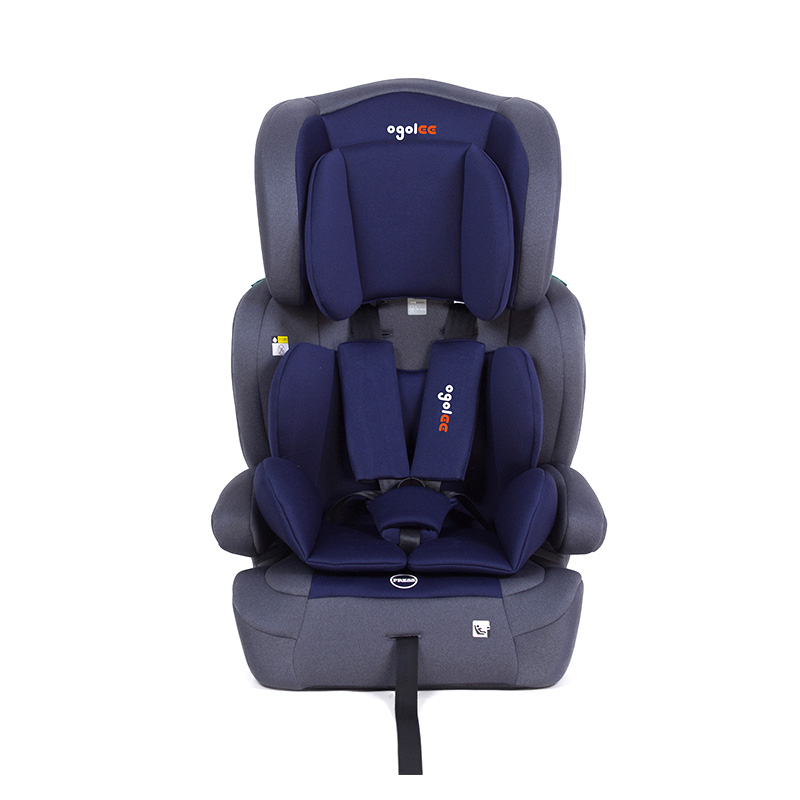 OG301A Isofix OEM Reliable with High-Backed Protect Pillow for Baby 76-150cm ChiYougaole is a professional China OG301A Isofix OEM Reliable with High-Backed Protect Pillow for Baby 76-150cm Children Car Seat Safety su...View Product →
Portable and blow-molded shells suit multi-car families
Lightweight portable seats solve a different problem: when one child outgrows the bulky seat, a compact booster frees width and space for a younger sibling’s rear-facing seat. Families that switch between a family SUV and a small run-around during the week benefit most from a one-piece shell that can be carried and installed in seconds.
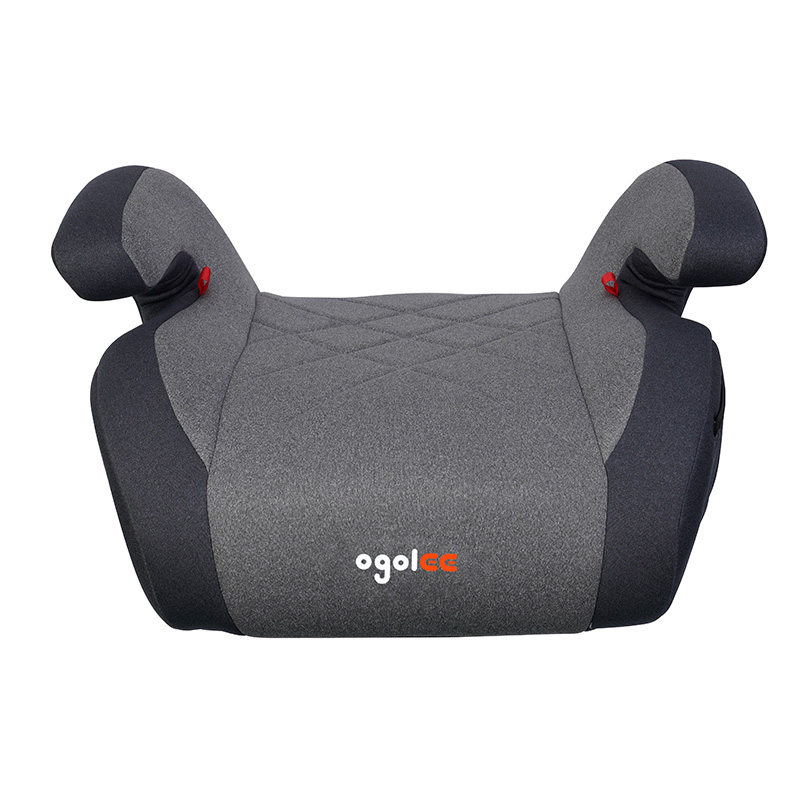
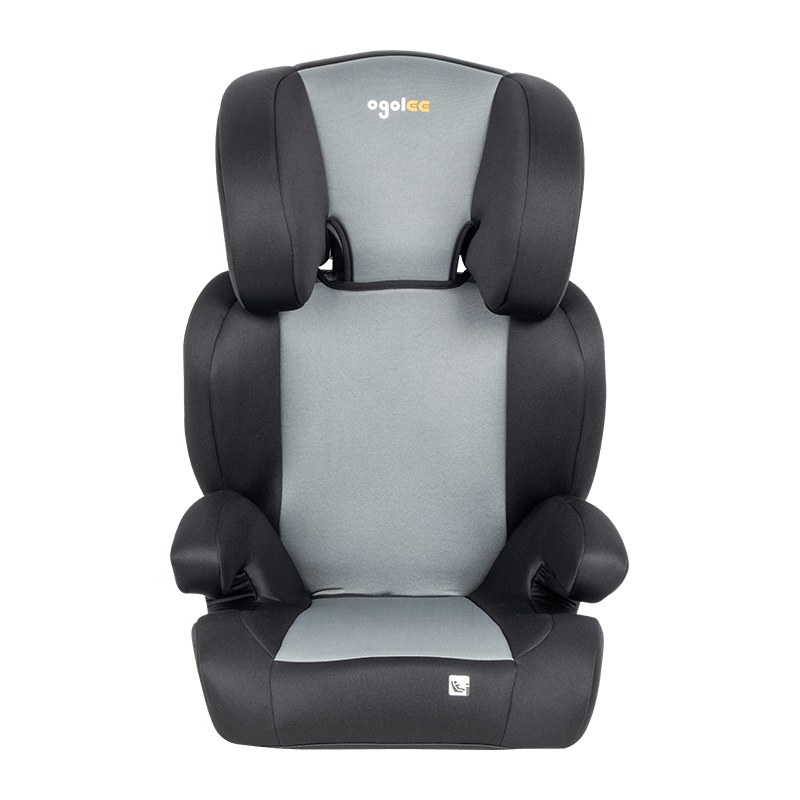
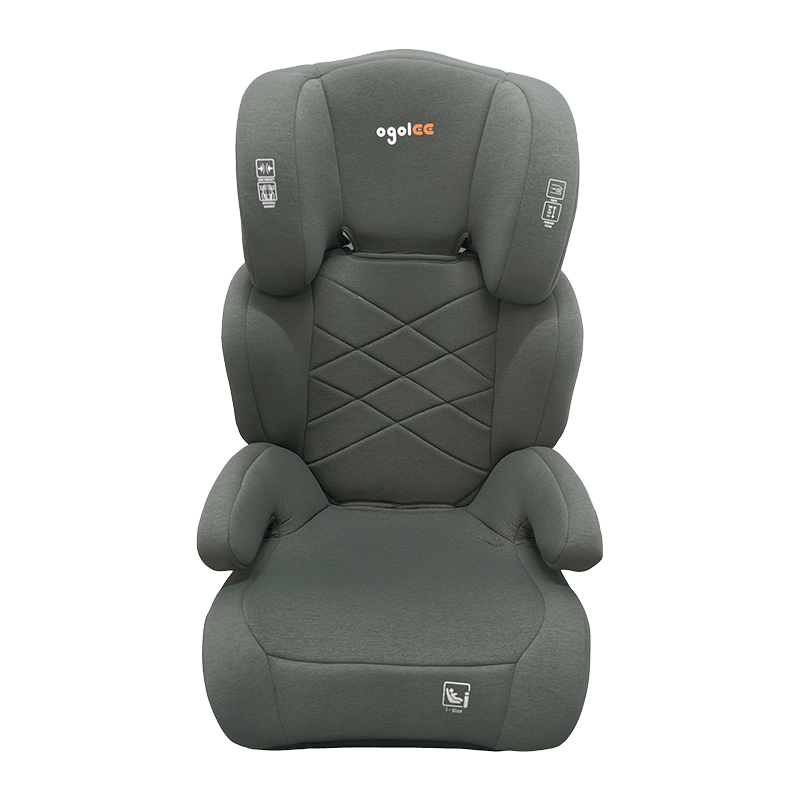
Models such as the OG101A portable blow-molded booster use a single-piece shell that is simple to lift between cars and easy to store when not in use, which is a genuine advantage for busy households and for fleets that need occasional extra seating.
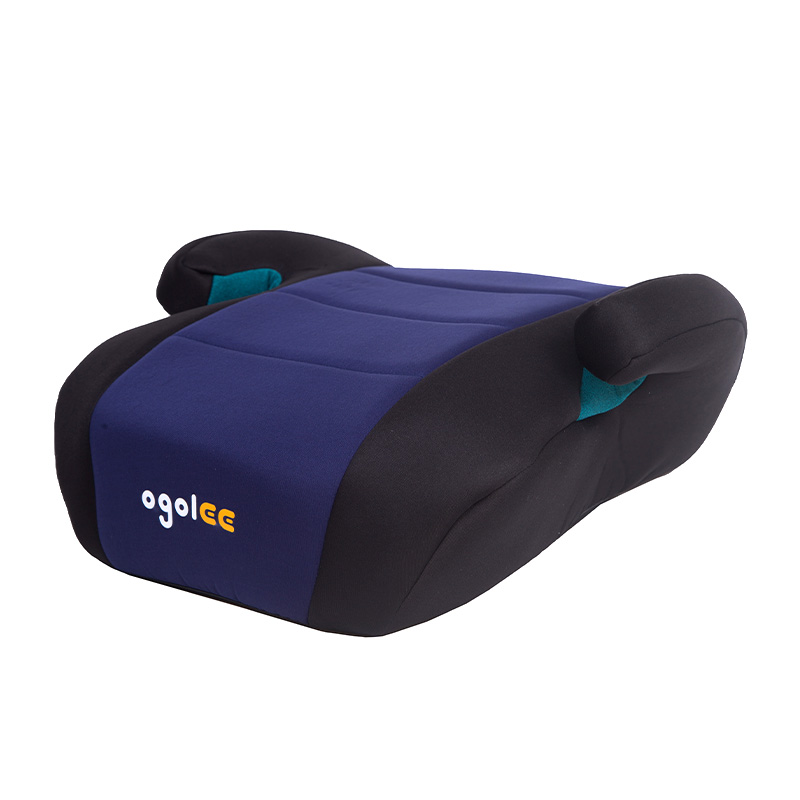 OG101A Wholesale Portable Baby Car Seat Booster R129 for 125-150Cm Children BlowYougaole is a professional China OG101A Wholesale Portable Baby Car Seat Booster R129 for 125-150Cm Children Blow Molding suppliers and c...View Product →
Comfort details decide whether slim works on long trips
Slim does not have to mean cramped or hard, because padding depth and fabric quality matter more than the outer shell profile. Adequate side padding, a cup holder, and a breathable cover make a measurable difference on drives that last more than an hour.
Compare how much of the available width is padding versus rigid shell, and check whether the armrests push against the door or the neighbouring seat before you buy. A seat that fits on paper but presses into the child’s shoulders will be rejected after the first long journey.
How Slim Toddler Seats Compare at a Glance
Model choice depends less on the “slim” label than on the standard, the height range, and the installation style that match your car, so the table below compares the slim-friendly models in the OGOLEE range on exactly those points.
| Model | Standard | Height range | Installation | Key feature for small cars |
|---|---|---|---|---|
| OG301A | ECE R129 i-Size | 76–150 cm | ISOFIX + top tether | High back and protect pillow for younger toddlers |
| OG303B | ECE R129 i-Size | 100–150 cm | ISOFIX | Compact shell with cup holder for daily rides |
| OG101A | ECE R129 | 125–150 cm | Seat belt | Blow-molded shell, light, easy to move between cars |
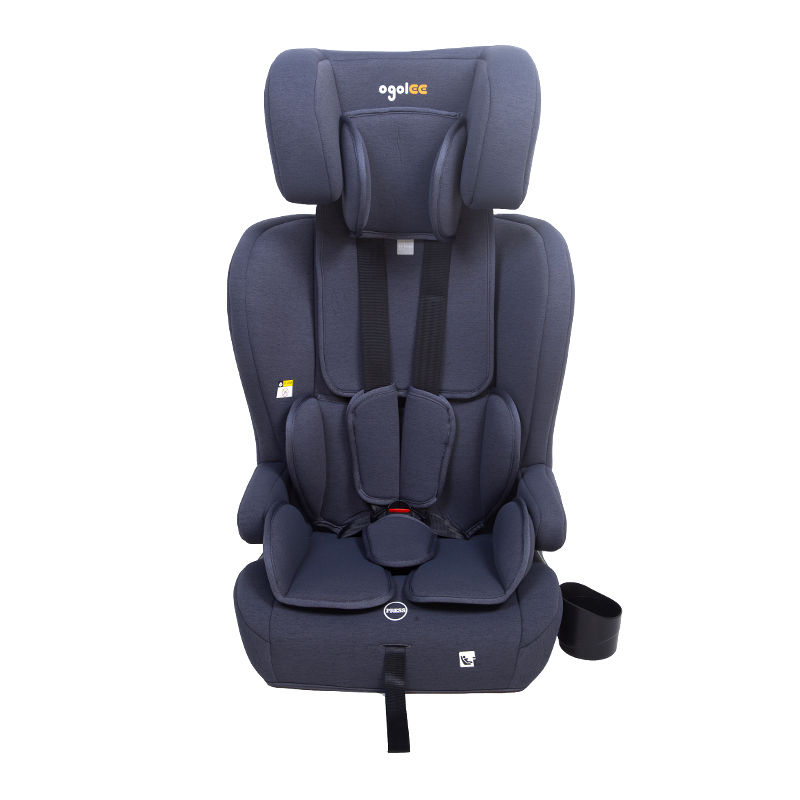
| ZK601A | ECE R44/04 | 15–36 kg | Seat belt | Lightweight portable booster for travel |
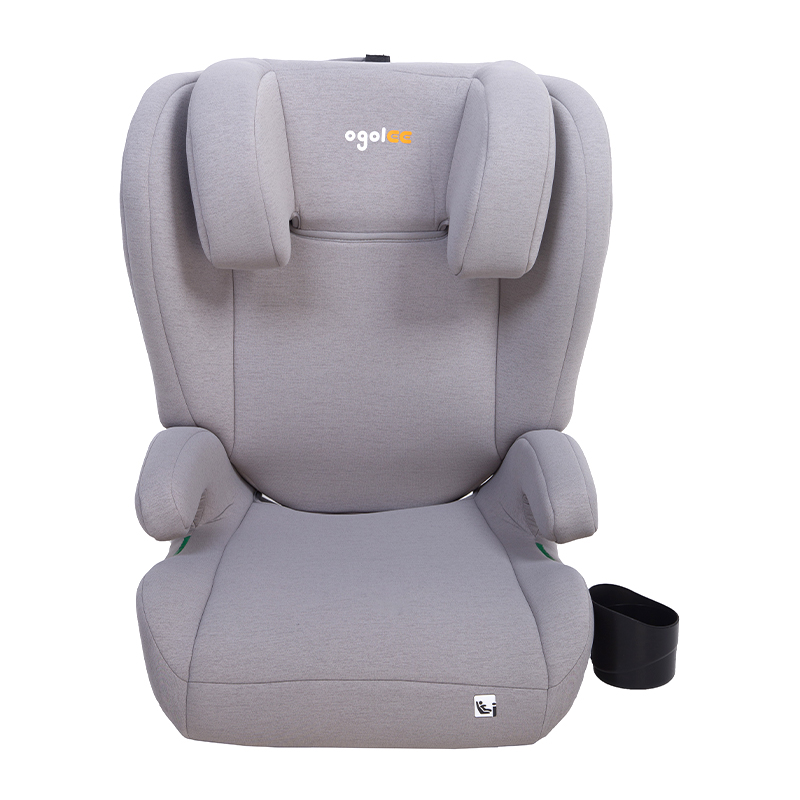
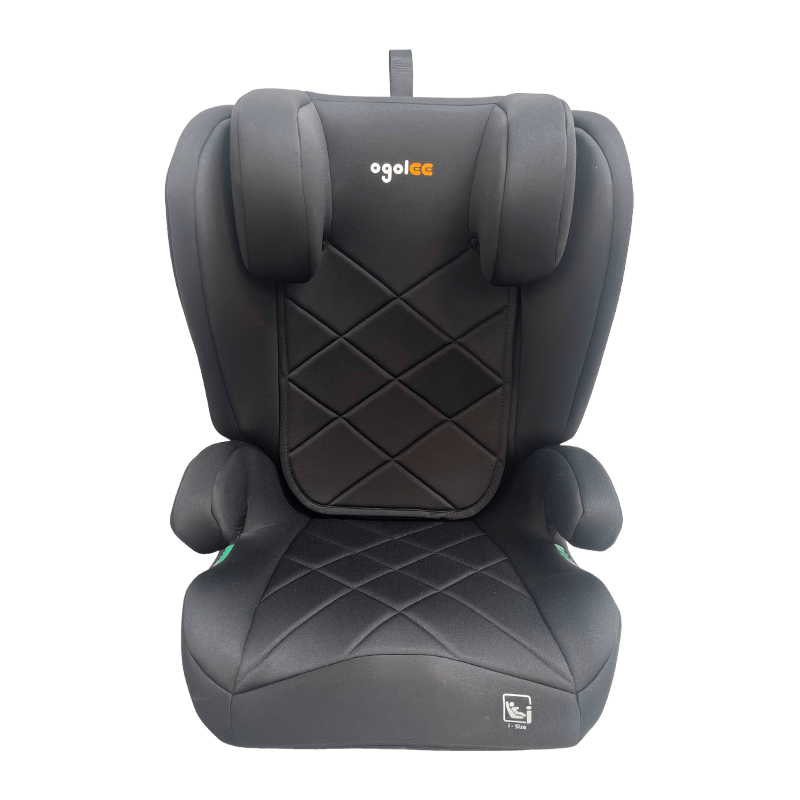
For families with a toddler who is already seated confidently in a high-back booster, the OG303B i-Size toddler booster with cup holder brings the 100–150 cm stage together with a narrow footprint and built-in drink storage, two practical details that make a real difference in a small rear row.
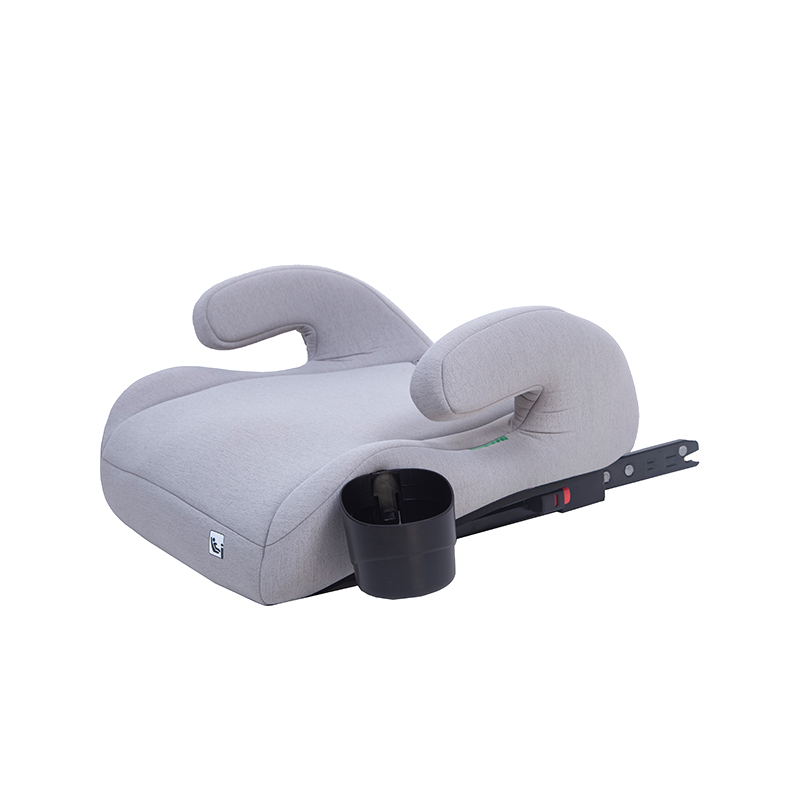 OG303B Isize 100-150CM ECE R129 Cupholder Child Booster Seat Car Group 2 3 Car SYougaole is a professional China OG303B Isize 100-150CM ECE R129 Cupholder Child Booster Seat Car Group 2 3 Car Seat Baby Safety Baby Boo...View Product →
Common Buying Mistakes and Practical Risks
Most fit problems come from ignoring three measurements: the base width, the ISOFIX connector position, and the seat-belt geometry in your specific car. The mistakes below are the ones we see repeated most often in both family purchases and wholesale orders.
- Measuring only the shoulder wings. A seat can look narrow from the top but have a wide base. Always check the width printed at the belt path, because that is where seats touch first.
- Forgetting that two ISOFIX seats can interfere. The two lower anchors of one ISOFIX position are standardised at 280 mm apart, but adjacent anchor positions vary by vehicle. Two slim seats side by side can still have their rigid connectors collide, so test-fit before you commit or use a belt-installation model for one position.
- Assuming a lower price means lower safety. The approval label is the safety floor. A certified slim seat at a reasonable price is not automatically weaker; it simply carries fewer cosmetic features. Compare certificates first, then features.
- Ignoring growth headroom. A 76–150 cm seat covers far more of the toddler years than a 100–150 cm booster. If budget and boot space allow, buy the longer height range so the seat is not outgrown within eighteen months.
- Not checking the middle seating position. Many cars do not offer ISOFIX anchors in the centre seat. If your plan requires three children across, a seat-belt installation may be the only legal option for the middle position.
If you want a structured walk-through of the selection criteria, including age, height, and vehicle requirements, our detailed R129 booster selection guide explains each step in the order we would follow ourselves.
Frequently Asked Questions
At what height can a toddler start using a slim booster seat?
Under ECE R129, the limit is height-based: a high-back booster is designed for children from 100 cm upwards. Below that height, a harness seat with a five-point belt remains the correct choice. Most children reach 100 cm between roughly three and four years of age, but body proportions vary, so measure the child before switching.
Will two slim seats fit in the back of a small hatchback?
Only if the sum of the two base widths plus 2–3 cm of clearance stays below the available bench width. Measure the installed base, not the top of the seat, and test-fit both seats and both buckles before buying a second unit, because seat-belt stalks can add surprising obstruction.
Are slim car seats still safe in a side-impact crash?
If the seat carries an ECE R129 approval, it has passed a dynamic side-impact test as part of that regulation. R44/04 seats do not have the same mandatory side-impact dynamic requirement, so R129 is the safer choice when the car will regularly carry multiple children in a tight three-across layout.
How long will a slim toddler seat stay usable?
R129 seats cover height ranges such as 76–150 cm or 100–150 cm, which typically spans from the toddler years up to about 12 years for the longest models. The production date and expiry date are printed on the shell; most manufacturers, including OGOLEE, recommend replacing a seat roughly 10 years after production.
Does a slim seat reduce the child’s comfort?
No, not if the width is taken from the shell profile rather than from the seating area. Check that the cushion width at the hips is close to what the child is used to, and look for a high back that supports the head in a narrow position. Shallow padding is the real comfort risk, not a narrower base.
How to Choose the Right Slim Model for Your Family
Choose the seat whose height range matches your child’s next three years, confirm its installed base width against your bench, and verify the approval standard before paying. If you are buying several units, also confirm the same model number and batch certification for every unit so that stock, manuals, and spare parts remain consistent.
The full OGOLEE collection, including the slim models above, is listed with its specifications on our product overview page, where you can compare groups and request wholesale samples directly. And keep one rule in mind: a slim toddler car seat is a fit solution, not a safety shortcut. When it is certified, matched to the vehicle, and installed correctly, it gives you real space without giving up protection.