 English
 Español
 Deutsch
 русский

Does a car seat expire in New Zealand? Yes. Every child restraint sold here has a service life, and it starts on the date of manufacture printed on the seat itself, not on the day you bought it and not the first time you strapped your child into it.
The expiry date is the point at which the manufacturer stops guaranteeing that the seat will perform as it did in testing, and it has nothing to do with how clean the cover looks. A restraint that has spent six summers baking in a parked car can be years past its service life while still looking almost new.
In short:
- Most restraints expire 6 to 10 years after the date of manufacture.
- The date is on a label on the seat, not on your receipt.
- An expired seat should be destroyed, not resold, donated or handed down.
- A wide height range, such as 40–150 cm, means fewer replacements over a childhood.
Content
- 1 Where to find the expiry date on your car seat
- 2 Why do car seats expire at all?
- 3 How long does a car seat last? Typical service lives
- 4 What are the risks of using an expired car seat?
- 5 Second-hand seats, hand-me-downs and hire seats
- 6 How to choose a seat that outlasts its own expiry date
- 7 What to do with an expired car seat in New Zealand
- 8 Frequently asked questions
- 9 The bottom line
Where to find the expiry date on your car seat
The date is printed on the restraint itself, usually on a sticker or a moulded label on the shell, and if you cannot find it you should assume the seat is expired.
Check these places, in this order:
- The side or underside of the plastic shell, where a sticker lists the model, batch and dates.
- The base of an infant capsule, often hidden by the fabric or the carry handle.
- A fabric tag sewn to the shell underneath the removable cover.
- A tag on the harness webbing, which normally shows the webbing date rather than the seat date.
Look for wording such as "date of manufacture", "manufactured" or "do not use after". Many seats print only the manufacturing date, in which case you add the service life given in the manual, commonly six to ten years.
Two things catch people out. The clock runs from manufacture, so a seat that sat in a warehouse for two years before you bought it has already used two years of its life. And a missing or sun-bleached label is a genuine problem: without it you cannot confirm the model, check for recalls or prove the age of the seat.
Why do car seats expire at all?
Plastic, foam and webbing all change with heat, sunlight and use, and no manufacturer can promise the same crash performance after a decade of that.
- Heat and UV: a parked car can pass 60 °C inside, and repeated heating and cooling cycles make the polypropylene shell stiffer and more brittle.
- Energy-absorbing foam: EPS and EPP foam are designed to crush once, so knocks, storage under heavy loads and simple age all reduce how much energy they can absorb.
- Harness webbing: straps lose strength through UV, sweat, sunscreen and harsh cleaners, and the stitching that holds the adjuster can weaken.
- Moving parts: reclining hinges, ISOFIX connectors and buckles wear, collect grit and can develop hairline cracks that are invisible from outside.
- Standards move on: UN R129 added side-impact testing and height-based fitting that older R44 seats were never required to meet.
None of that is visible when you press the seat with your hand or sit your child in it on the driveway, which is exactly why a fixed service life exists.
How long does a car seat last? Typical service lives
There is no single national figure in New Zealand: the limit is set by each manufacturer, and most fall between six and ten years from manufacture.
| Restraint type | Typical service life | Why that limit applies |
|---|---|---|
| Infant capsule (birth to about 13 kg or 85 cm) | 6 to 8 years | Foam and shell age fastest, and capsules often sit in hot cars between trips |
| Convertible or combination seat (0–36 kg, or 40–150 cm) | 7 to 10 years | More moving parts, heavier use and a longer working life |
| High-back booster (15–36 kg, or 100–150 cm) | 8 to 10 years | Fewer webbing parts, but belt guides and shell stiffness still degrade |
| Backless booster cushion (22–36 kg, or 125–150 cm) | 8 to 10 years | Simple design, yet the plastic, foam pad and labels age the same way |
The scale is worth knowing. Recycling campaigns in New Zealand estimate that more than 40,000 child restraints reach their expiry date nationally each year, and plenty stay in use because they still look fine.
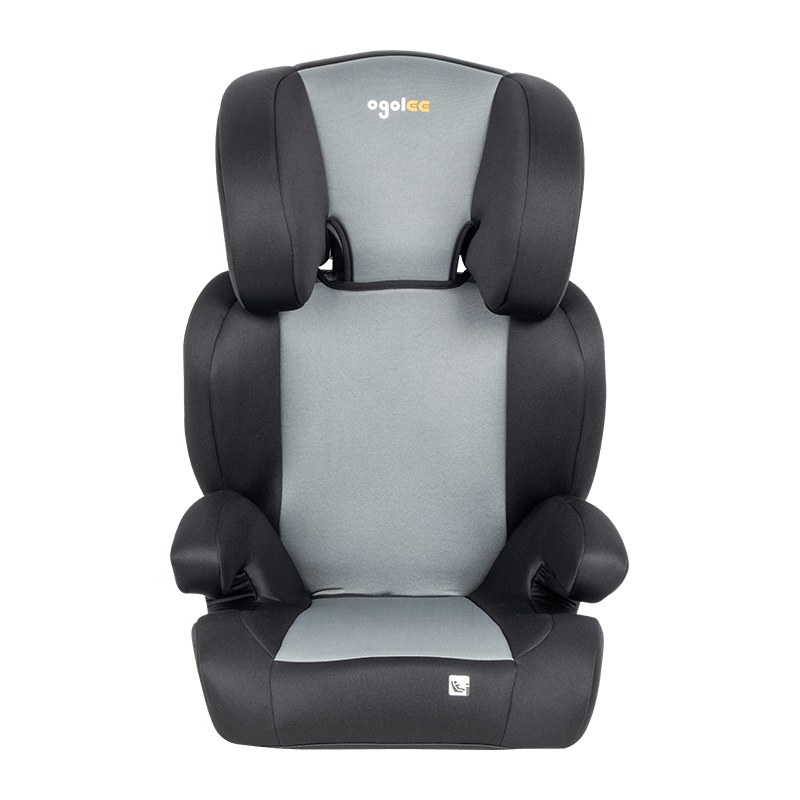
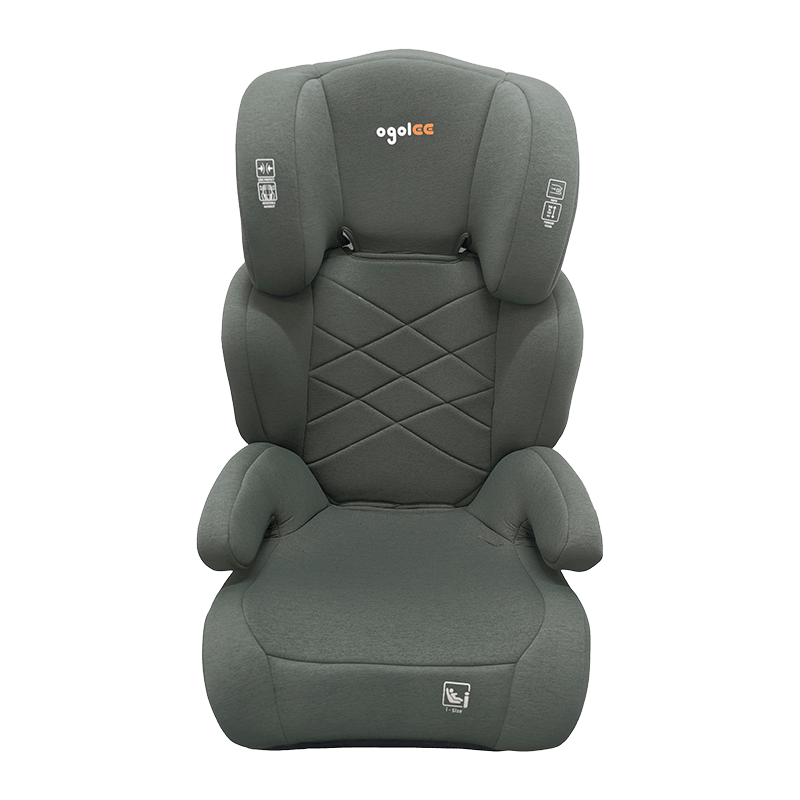
Boosters are not exempt. A high-back booster with belt guides and a cup holder still ages, and it is often the seat families keep for the longest because it is the last one they buy, which is precisely why the label matters. A model such as the OG303B, built for children between 100 and 150 cm, is designed around that long second half of childhood.
If you are weighing up an older weight-based seat against a newer one, our notes on the key differences between R129 and R44 restraints explain where the safety gap actually comes from.
What are the risks of using an expired car seat?
The main risk is that nobody, including the manufacturer, knows how that seat will behave in a crash.
- The shell may crack at lower forces than it was tested for, letting the seat distort around your child.
- Harness webbing can stretch further than designed, so your child moves forward before being held.
- On a booster, worn belt guides let the lap belt ride over the stomach instead of sitting low across the hips.
- Aged buckles and clips can release under load, especially after years in a hot boot or a damp garage.
New Zealand law requires children under seven to use an approved child restraint, and approved standards include AS/NZS 1754 as well as recognised overseas standards such as UN R44 and R129. An old seat can still be approved on paper while sitting well outside the life its maker intended, so approved and safe are not the same claim.
Second-hand seats, hand-me-downs and hire seats
A second-hand seat is only worth taking if you can read the label, confirm it has never been in a crash and get every part with it.
- A visible manufacture date, not a story about when it was bought.
- No history of any crash, including a low-speed bumper tap with a child on board.
- Complete harness, clips, inserts, instruction manual and ISOFIX connectors.
- No frayed straps, rusted metal, cracked shell or missing buckle tongues.
For most families the cheapest safe option is a new lightweight seat rather than a free one of unknown age.
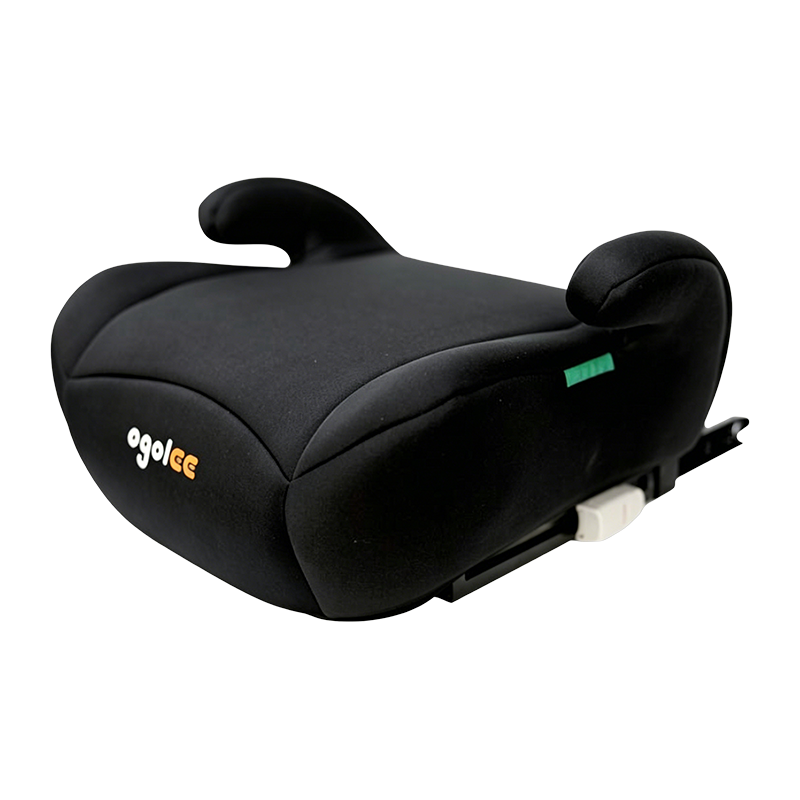
 OG101A ECE R129 Portable Baby Car Booster for 125-150 cm ChildrenA new lightweight ECE R129 booster for children 125–150 cm; check manufacture date and choose the widest height range you can afford.View Product →
How to choose a seat that outlasts its own expiry date
Buy the widest height range you can afford, and check the manufacture date before you pay.
A seat rated from 40 cm to 150 cm covers newborn to roughly twelve years, which replaces three purchases with one and keeps you inside that seat's expiry window for much longer.
- Check the build date in the shop. Stock can sit for a year or two; if a "new" seat was made three years ago, ask for a discount or a fresher unit.
- Prefer R129 height-based fitting over weight bands where the price is similar, because it is easier to judge whether your child still fits.
- Look at the fixing system. ISOFIX with a support leg or top tether removes the risk of a loose belt installation, a common failure at roadside checks.
- Park in shade where you can. It is the simplest way to slow the ageing that the expiry date exists to account for.
Every seat we build is tested to ECE R129 or R44, and our ECE R129 and 3C certification is documented for each range.
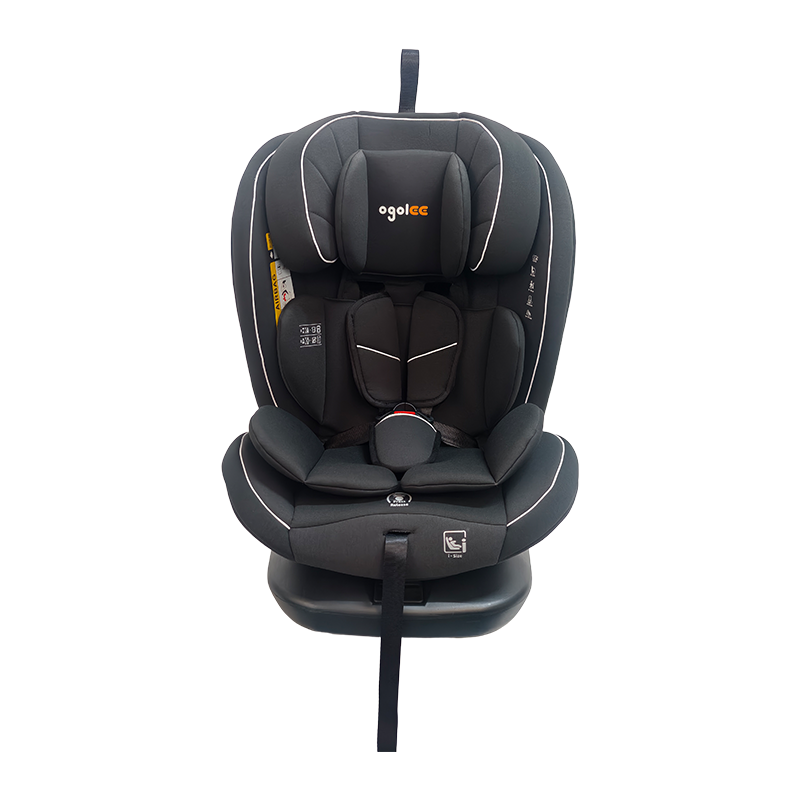
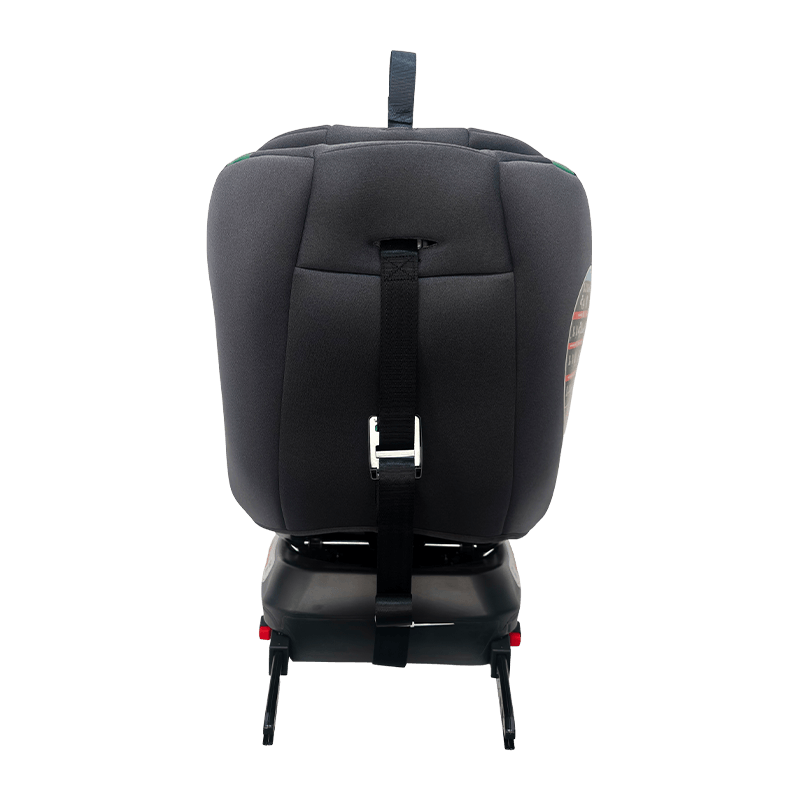 OG801A ECE R129 i-Size 360° Rotating Baby Car Seat 40-150 cmDocumented ECE R129/04 i-Size seat for 40–150 cm with ISOFIX, 360° rotation, recline adjustment; destroy it before local recycling.View Product →
What to do with an expired car seat in New Zealand
Destroy it first so nobody can reuse it, then recycle whatever your local service will take.
- Cut through the harness straps and remove the cover so the seat cannot be used as it is.
- Write "EXPIRED — DO NOT USE" in marker across the shell.
- Check whether your local council or transfer station accepts restraints, as some run periodic collection events.
- Never leave it on the roadside or at a charity shop where someone might take it home.
New Zealand recycling schemes typically separate the plastic shell, the metal frame and the fabric, so most of a seat can avoid landfill, but only if the webbing is destroyed first.
Frequently asked questions
Is an expired car seat still safe in New Zealand?
No. Once a seat passes its service life the manufacturer no longer guarantees its performance, and the shell, foam, webbing and buckles have all aged. It may still be legal to use in some situations, but legal and safe are different standards.
Can I use a car seat one year past its expiry date?
No, there is no grace period. The safety margin is already built into the number, so using the seat beyond it means accepting unknown crash performance.
Do all car seats expire six years after manufacture?
No. Six years is common for infant capsules, while convertibles and boosters often carry eight to ten. The only figure that applies to your child is the one on your own seat's label or in its manual.
What if the expiry sticker is missing or unreadable?
Treat the seat as expired unless you can establish the model and manufacture date from another label. Without that information you cannot check recalls or confirm the seat is complete.
Do booster seats expire as well?
Yes. Even a backless booster depends on a stiff shell, intact foam and belt guides that position the lap belt correctly, and plastic ages whether or not a harness is attached.
The bottom line
Car seats do expire in New Zealand, and the date that counts is on the label of the seat currently in your car. Find the manufacture date, add the service life from the manual, and if that answer is in the past, cut the harness and recycle the shell rather than passing it on.
- Expiry runs from manufacture, not purchase, and usually lands between six and ten years.
- An expired seat looks fine, which is exactly why the date exists.
- Choosing the widest height range you can afford keeps you inside that window for longer.