 English
 Español
 Deutsch
 русский

A belt-positioning booster seat is not a car seat with a harness. It has no buckle of its own, no straps of its own and no energy-absorbing shell. Its only task is to raise a child so that the vehicle's three-point belt crosses the strong parts of the body: the hip bones and the middle of the shoulder, never the stomach and the neck.
That single function answers most of the questions parents and buyers ask. A child still needs a belt-positioning booster when the lap belt rides up onto the abdomen, when the shoulder belt cuts across the neck, or when the top of the ears sits above the vehicle seat back. The child is ready to leave the booster behind when the belt fits correctly without it, which for most children happens somewhere between 135 cm and 150 cm.
Belt on bone, not soft tissue. The lap belt must sit low across the upper thighs, in contact with the pelvis. A booster that lets it ride onto the abdomen is doing the opposite of its job.
Height decides, not age. ECE R129 boosters are approved by height (100-150 cm, 125-150 cm); ECE R44 boosters are approved by weight (15-36 kg, 22-36 kg).
Head support is part of the system. A backless booster adds no head or neck support, so the vehicle has to provide it in the seating position used.
Content
- 1 What a Belt-Positioning Booster Seat Actually Does
- 2 The Fit Test: Four Checks That Decide Whether a Booster Works
- 3 R129 and R44: Two Rulebooks, Two Booster Designs
- 4 High-Back, Backless or Portable: Which One Fits the Car
- 5 ISOFIX Base or Belt-Only: The Installation Trade-Off
- 6 Comfort Details That Decide Long-Term Correct Use
- 7 Five Mistakes That Quietly Cancel the Protection
- 8 What Importers and Brand Owners Should Verify Before Ordering
- 9 FAQ: Belt-Positioning Booster Seats
What a Belt-Positioning Booster Seat Actually Does
It changes the geometry of the belt, and that is the entire mechanism. Lifting the child and guiding the belt moves the point where the diagonal section crosses the torso and drops the lap section down onto the pelvis.
Three contact points determine whether the result is safe:
- Lap belt path: flat across the upper thighs and low on the hips, where the pelvis can carry the load.
- Shoulder belt path: across the mid-shoulder and the centre of the chest, so the upper body cannot rotate out of the belt.
- Head and neck: the top of the ears stays below the top of the booster back or the vehicle head restraint.
What a booster cannot do is stop a child from slouching, unbuckling, or tucking the shoulder belt behind an arm. Those are use errors rather than design faults, which is why a two-minute fit check tells you more than any claim printed on the packaging.
The Fit Test: Four Checks That Decide Whether a Booster Works
Run these checks with the child seated, sitting back against the seat, with the belt tightened. If any check fails, the child is either not ready for a belt-positioning booster or the booster is the wrong size for the seating position.
| Check | Pass | Fail |
|---|---|---|
| Lap belt | Lies flat across the upper thighs, touching the hip bones | Rides up onto the soft abdomen, where it can cause internal injury |
| Shoulder belt | Crosses the middle of the shoulder and the breastbone | Cuts into the neck or slips off the shoulder, so it gets routed behind the back |
| Head support | Top of the ears below the top of the seat back or head restraint | Ears above the seat back with no head restraint in line behind them |
| Posture | Child sits back, knees bend comfortably at the front edge of the seat | Child slouches to reach the knee bend, pulling the lap belt off the hips |
The most common failure is the third and fourth rows together: a child whose knees do not reach the edge slides forward, and the lap belt follows the stomach instead of the thighs.
R129 and R44: Two Rulebooks, Two Booster Designs
R129 (UN ECE R129, sold as i-Size where the seat qualifies) is the newer regulation and it is height-based; R44 is weight-based. For a belt-positioning booster the practical difference is how the seat is approved and how it guides the belt.
| Item | ECE R129 | ECE R44 |
|---|---|---|
| Size basis | Height, for example 100-150 cm or 125-150 cm | Weight, for example 15-36 kg or 22-36 kg |
| Booster bands | Group 2/3 equivalent, plus i-Size 125-150 cm only | Group 2/3 by weight band |
| Side impact | Side-impact test is part of the approval | Not part of the historical test regime |
| Belt routing | Seat geometry plus belt guide, height range marked on the label | Belt guide plus weight marking |
| Installation | Vehicle belt, or ISOFIX combined with the belt for older children | Vehicle belt, or ISOFIX on specific approvals |
The practical consequence is that an R129 booster and an R44 booster can look almost identical on a shelf while behaving differently in a side impact. The comparison between the two generations of products is covered in more depth in this note on why R129 booster seats outperform R44-certified models, and the height band printed on the product label, not the listing copy, is the version that counts.
High-Back, Backless or Portable: Which One Fits the Car
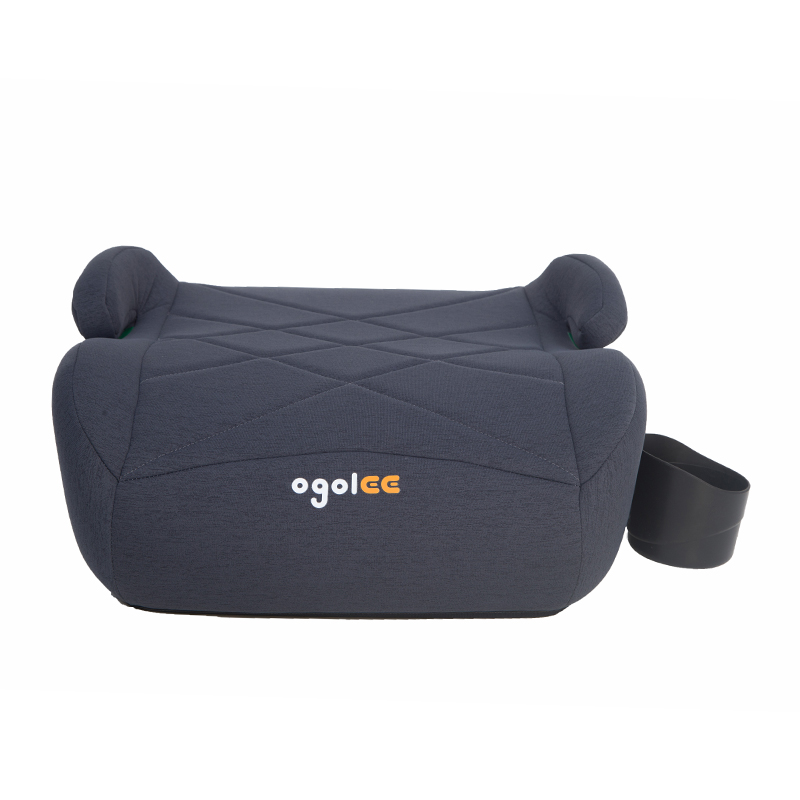
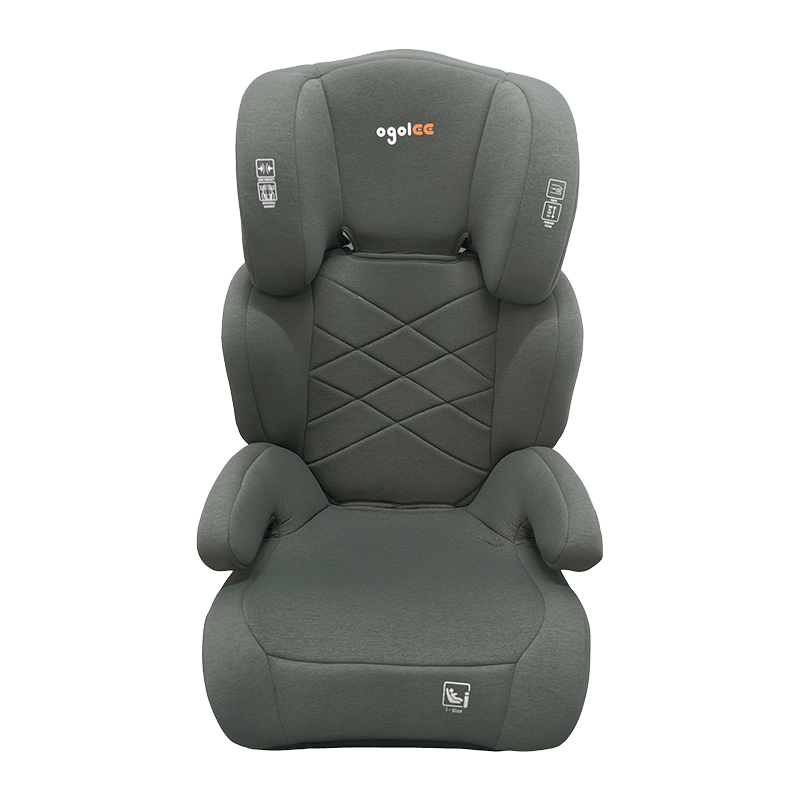
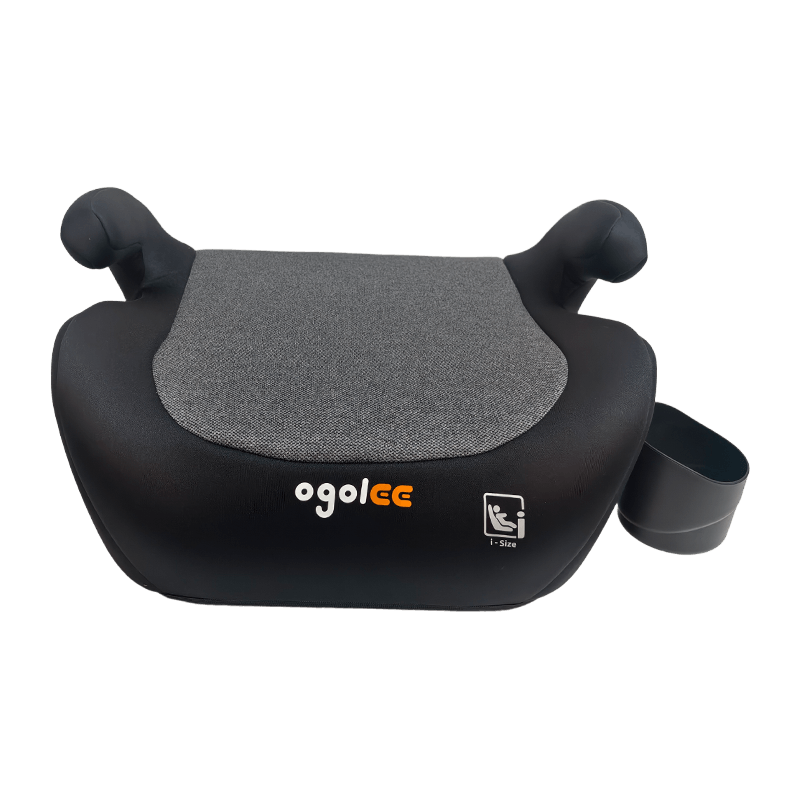
Start from the vehicle, not the catalogue. Where a rear seating position has no head restraint, or where the child still naps in the car, a high-back booster is the safer default; a backless booster only works where the vehicle already supplies head support and correct belt geometry.
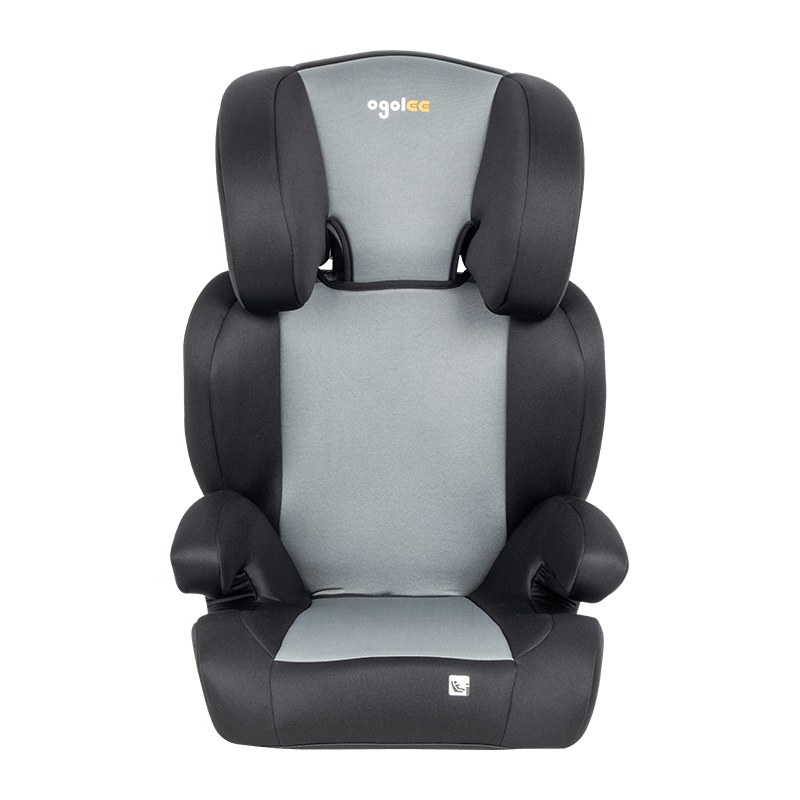
- High-back with backrest: head and torso support, a belt guide that is easier to position correctly, usually heavier and bulkier.
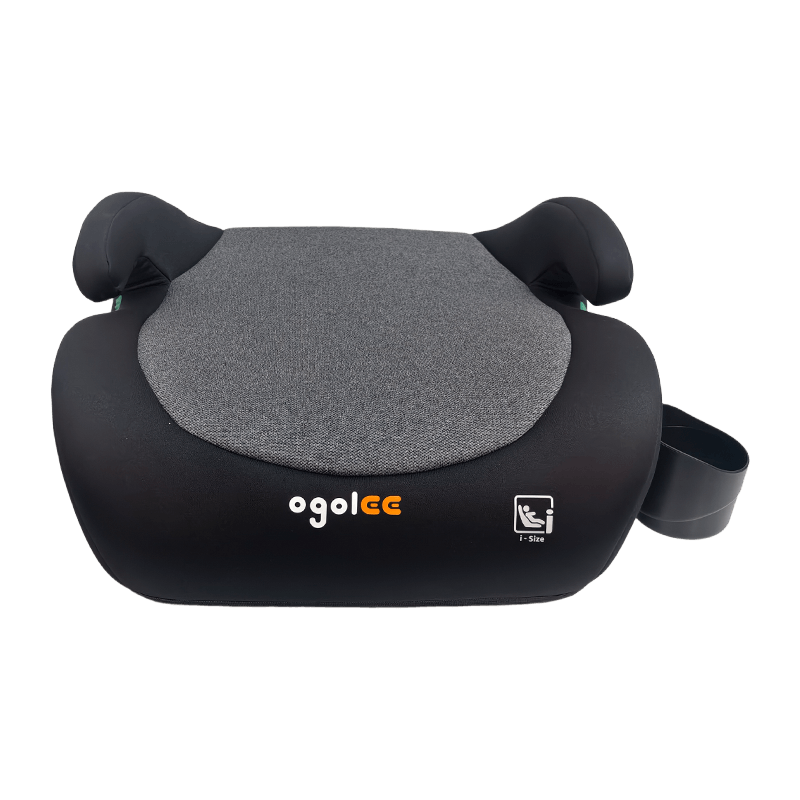
- Backless: light, inexpensive, easy to move between cars, but entirely dependent on the vehicle seat behind it.
- Portable and foldable: aimed at travel, ride-sharing and grandparents' cars; check that the fold mechanism locks with one clear action and cannot half-engage.
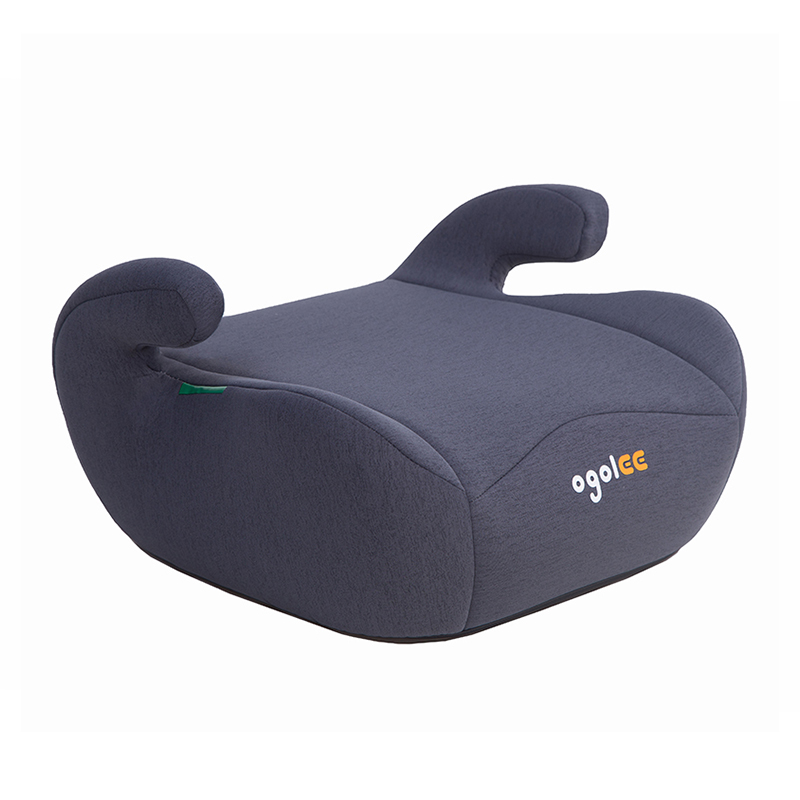 OG103A ECE R129 Portable Baby Car Booster Seat 125-150 cmCompact 125-150 cm booster with ECE R129/04, environmental cloth, blow-moulded shell and soft armrests; compact size helps when rear bench width is tight.View Product →
Width is the specification buyers underestimate. A compact rear bench is roughly 1,300-1,400 mm wide, so three seats across it only work if each unit stays under about 430 mm. A booster that is comfortable alone can block the buckle stalk of the neighbouring seat, which is exactly the sort of tolerance issue that shows up in customer returns rather than in a test report.
ISOFIX Base or Belt-Only: The Installation Trade-Off
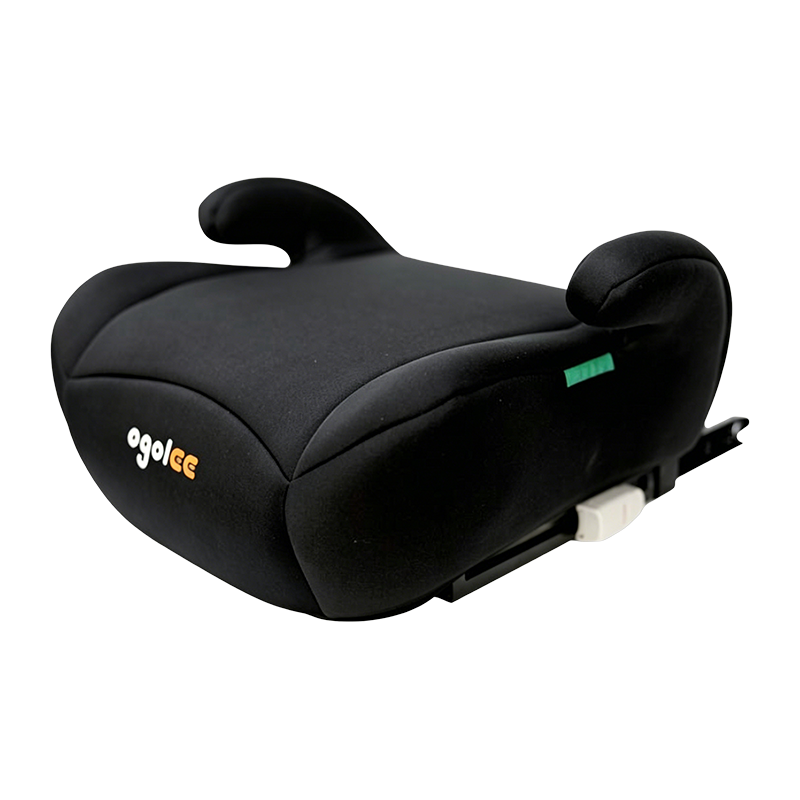
ISOFIX does not replace the seat belt on a booster. It holds the booster steady so it does not slide or tip while a child climbs in and the belt is routed; the three-point belt still restrains the child.
- ISOFIX plus belt: more repeatable belt alignment, easier daily loading, higher unit cost, and connector weight limits that must be respected.
- Belt-only: lighter, cheaper, no connector compatibility problems, but more prone to sliding forward during loading.
- Either way: confirm that the vehicle's ISOFIX anchorages are actually reachable under the seat cushions before promising a fit.
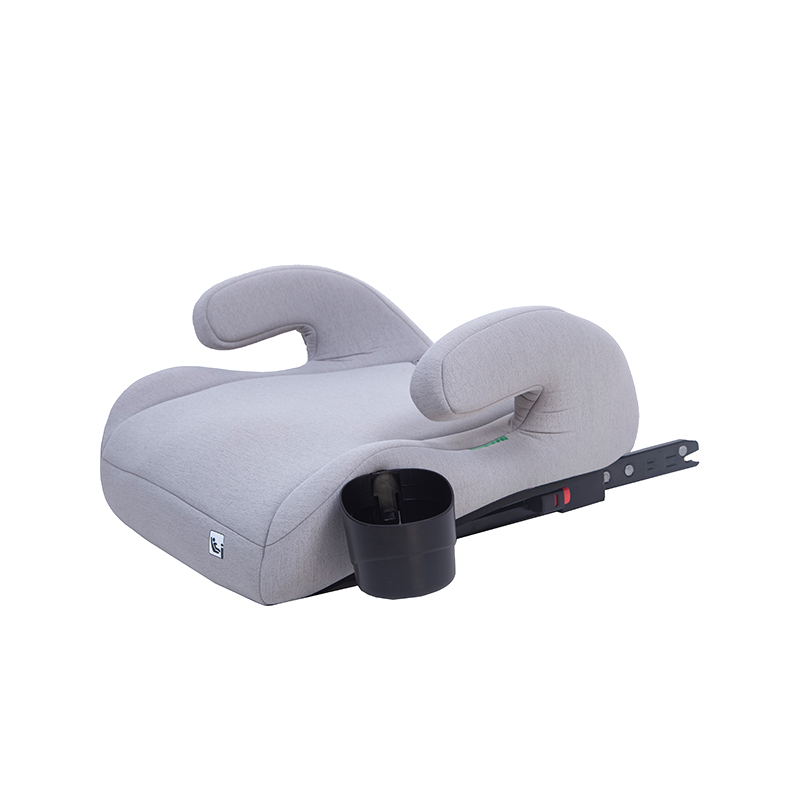 OG303B i-Size 100-150 cm Group 2/3 Booster with Optional ISOFIXGroup 2/3 booster with ECE R129/04, nine headrest positions, cupholder and optional ISOFIX; steadying installation can reduce belt-routing errors for fleet use.View Product →
For a fleet buyer or a rental operator, the ISOFIX version of a Group 2/3 booster reduces the number of wrongly routed belts, which is a service cost rather than a safety feature.
Comfort Details That Decide Long-Term Correct Use
A booster that is uncomfortable gets used incorrectly. Recline angle, cushion thickness, fabric breathability and a cup holder are not cosmetic extras; they determine whether a child sits back against the seat for a two-hour drive, and sitting back is what keeps the lap belt on the hips.
On the manufacturing side, this is where material choices earn their cost. Blow-moulded shells give consistent wall thickness, breathable fabric covers reduce heat build-up on long trips, and embossed surfaces resist wear better than printed ones. A slightly deeper seat pan and wider cushioning help older children sit back instead of perching on the edge.
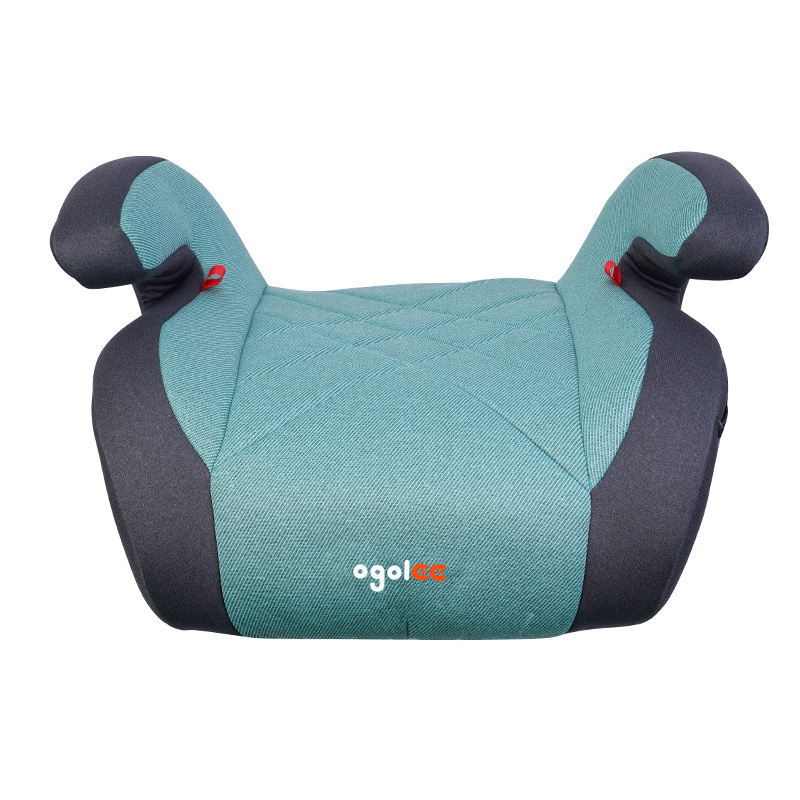 ZK602A Easy Install Wide Space ECE R44 Booster with ISOFIX22-36 kg forward-facing booster with ECE R44/04, ISOFIX, wide seat, soft armrests and environmental cloth; easy installation is relevant to common misuse concerns.View Product →
Five Mistakes That Quietly Cancel the Protection
Most booster failures in real crashes are use errors, not product defects, and they follow a short list.
- Routing the shoulder belt behind the child's back or under the arm because it rubs the neck, which removes upper-body restraint.
- Leaving the lap belt on the stomach because the child slouched forward to bend the knees.
- Using a backless booster in a seating position without a head restraint, or with a restraint set below the top of the ears.
- Reclining the vehicle seat back for comfort, which moves the belt away from the child's body.
- Ignoring damage: cracked shells, missing belt guides, stretched covers and a booster that has already been through a crash.
What Importers and Brand Owners Should Verify Before Ordering
The label and the test report are the product. A booster that looks right but is certified for the wrong height band, weight band or installation method simply cannot be sold in the target market, so paperwork review comes before sample review.
- The approval number, the regulation version (R129 including its later series of amendments, or R44/04) and the exact height or weight band printed on the label.
- Whether the seat is approved with ISOFIX, with the vehicle belt, or both, and any maximum child weight limit that applies to the connectors.
- Side-impact test evidence for R129 products, together with the belt-routing geometry drawing.
- Textile and foam compliance for the destination market: flame retardancy, phthalates, azo dyes and formaldehyde limits all differ.
- Consistency across the sample, the production label and the instruction manual in every language you sell in.
Certification paperwork is worth reading line by line rather than skimming, because approvals are frequently reissued as standards are amended; our certificate overview shows what a complete compliance file normally contains.
FAQ: Belt-Positioning Booster Seats
At what age can a child move into a belt-positioning booster?
Age is a weak guide, because torso length varies far more than birthdays. The workable markers are height and belt fit: a booster with a backrest typically from around 100 cm or 15 kg, an i-Size booster from 125 cm, and always with a lap belt that lies flat on the thighs.
Is a backless booster as safe as a high-back booster?
In a seating position with a proper head restraint and correct belt geometry, a backless booster can route the belt well. Where head support is missing, or where the child still falls asleep in the car, a high-back booster supplies support the vehicle does not.
Does a belt-positioning booster need ISOFIX?
No. ISOFIX only holds the booster steady; the three-point belt restrains the child. It makes daily loading easier and belt routing more repeatable, which is why many Group 2/3 boosters combine the two.
When should a child stop using a booster?
When the vehicle belt alone passes the fit test: lap belt on the thighs without a booster, shoulder belt across the mid-shoulder, back against the seat and feet flat on the floor. That is usually between 135 cm and 150 cm.
A belt-positioning booster seat is a simple device judged by a simple test. If the belt sits on the hips and the middle of the shoulder, and the head is supported, the booster is doing its job; if not, nothing else about the product matters.
For buyers, that translates into a short checklist: match the height or weight band to the market, confirm the label matches the test report, check the belt-routing geometry on a real bench seat rather than a photo, and treat comfort as a compliance issue because uncomfortable boosters are used incorrectly. Ranges that run from infant seats through to 76-150 cm and 100-150 cm boosters make it easier to keep one certification logic across a whole product line, which is ultimately what keeps a booster programme on the shelf and out of the returns bin.