 English
 Español
 Deutsch
 русский

Every year, thousands of families face the same critical decision: which car seat truly keeps their baby safe? The R129 Baby Car Safety Seat has emerged as the gold standard, surpassing older regulations and redefining what parents should expect from infant travel protection.
Whether you're a first-time parent navigating a sea of options or an experienced caregiver upgrading an aging seat, understanding what sets the R129 baby car safety seat apart can be the difference between adequate and exceptional protection for your child.
Content
- 1 Understanding the R129 Standard: What It Means for Your Child
- 2 R129 vs R44: A Head-to-Head Safety Comparison
- 3 Core Features of the R129 Baby Car Safety Seat
- 4 Which Families Benefit Most from the R129 Baby Car Safety Seat?
- 5 How to Choose the Right R129 Baby Car Safety Seat: A Practical Guide
- 6 Types of R129 Baby Car Safety Seats Compared
- 7 5 Installation Mistakes to Avoid with Your R129 Baby Car Safety Seat
- 8 Frequently Asked Questions About the R129 Baby Car Safety Seat
- 8.1 Q: Is R129 mandatory in all European countries?
- 8.2 Q: Can I use an R129 seat in any car?
- 8.3 Q: How long can my child use an R129 infant car seat?
- 8.4 Q: What's the difference between R129 Phase 1 and Phase 2?
- 8.5 Q: Are R129 seats more expensive than R44 seats?
- 8.6 Q: How do I know if my R129 seat is correctly installed?
- 9 The Bottom Line: Why the R129 Baby Car Safety Seat Sets the Standard
Understanding the R129 Standard: What It Means for Your Child
The R129 regulation, commonly known as i-Size, is the latest European safety standard introduced by the United Nations Economic Commission for Europe (UNECE). It replaced the older ECE R44/04 standard and brings a dramatically higher bar for crash protection.
Key Improvements Over the Previous R44 Standard
- Side-impact testing: R129 mandates rigorous side-collision testing — something R44 did not require.
- Rear-facing extended mandate: Children must remain rear-facing until at least 15 months old, offering superior spinal protection.
- Height-based sizing: Uses child height rather than weight, providing a more precise and safer fit.
- ISOFIX mandatory: All R129 seats require ISOFIX installation, eliminating the risk of incorrect belt-only fitting.
- Stricter crash test speeds: Tests simulate higher-impact collisions to better reflect real-world accidents.
R129 vs R44: A Head-to-Head Safety Comparison
| Feature | R129 (i-Size) | R44/04 (Old Standard) |
| Side Impact Test | Mandatory | Not Required |
| Rear-Facing Requirement | Up to 15 months min. | No minimum rule |
| Sizing Method | Height-based | Weight-based |
| ISOFIX Requirement | Mandatory | Optional |
| Crash Test Speed | Higher velocity tests | Lower threshold |
| Vehicle Compatibility Check | Required | Not standardized |
Core Features of the R129 Baby Car Safety Seat
The R129 baby car safety seat is engineered around one core principle: protecting the most vulnerable passengers from every possible angle. Here's a closer look at the features that define the standard:
1. Extended Rear-Facing Position
Rear-facing travel distributes crash forces across the entire back, shoulders, and head — the weakest structural zones in an infant's body. R129 mandates this position until a minimum of 15 months, and many seats extend rear-facing capability up to 4 years. Research consistently shows rear-facing children are up to 5 times safer in frontal collisions.
2. Enhanced Side-Impact Protection (SIP)
Side crashes account for a significant percentage of child fatalities in traffic accidents. R129-compliant seats feature deep side wings, energy-absorbing foam liners, and reinforced shell construction specifically tested against lateral impacts. This is one of the most significant upgrades from the R44 era.
3. Mandatory ISOFIX + Top Tether or Support Leg
ISOFIX creates a rigid, direct connection between the seat and the vehicle chassis, bypassing the car's seatbelt entirely. This eliminates one of the most common sources of injury: incorrect installation. Combined with a support leg or top tether, the R129 baby car safety seat is anchored from multiple points, dramatically reducing forward rotation in a crash.
4. Height-Based Fit System
Unlike older weight-based sizing that could misrepresent a child's physical development, R129 uses height as the primary measurement. Since a child's height closely reflects skeletal development and center-of-gravity, height-based sizing ensures the harness and shell consistently align with the child's body structure.
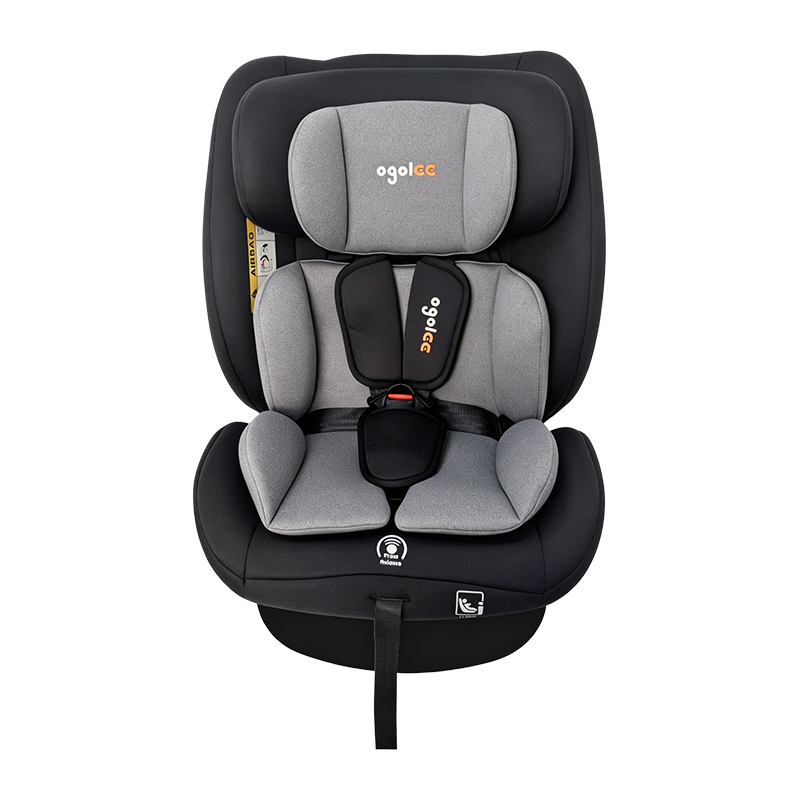
5. 5-Point Harness System
Every R129 certified car seat uses a 5-point harness that secures the child at the shoulders, hips, and crotch. This system distributes crash energy broadly across the body and prevents ejection — a critical factor in survival during severe accidents.
Which Families Benefit Most from the R129 Baby Car Safety Seat?
While every family transporting a child benefits from an R129 seat, the following groups have the most to gain:
- Newborns and infants (0–15 months): The mandatory rear-facing requirement at this stage offers the highest possible protection for developing spines and neck muscles.
- Frequent travellers: Families who drive daily or take long road trips gain significant peace of mind from the multi-directional impact protection.
- Urban drivers: City traffic involves a higher frequency of low-speed side impacts and lateral collisions — exactly what R129's SIP system addresses.
- Parents replacing older R44 seats: If your current seat is R44 certified, upgrading to an R129 model provides a meaningful safety improvement, especially in side-crash scenarios.
How to Choose the Right R129 Baby Car Safety Seat: A Practical Guide
Not all R129-compliant seats are identical. Here are the factors every parent should evaluate:
Check Vehicle Compatibility
R129 requires manufacturers to list every vehicle model the seat is approved for. Always verify your car appears on the approved vehicle list before purchasing. Some seats have broad compatibility; others are more restrictive.
Evaluate the Weight and Height Range
Some R129 seats cover only infants (up to 75–85 cm); others are "extended use" or "all-in-one" models covering children from birth to 150 cm. Consider how long you want the seat to last before your child outgrows it.
Look for Independent Test Ratings
Organizations like ADAC (Germany), Which? (UK), and Auto Plus (France) independently test car seats beyond the minimum regulatory requirement. Seats that score top marks in these tests offer safety margins above the legal minimum.
Prioritize Ease of Installation
Even the safest seat becomes dangerous if installed incorrectly. Look for clear visual indicators, a simple ISOFIX click-in system, and angle adjustment guides. Many brands now include installation confirmation lights or sensors.
Consider Comfort Features for the Child
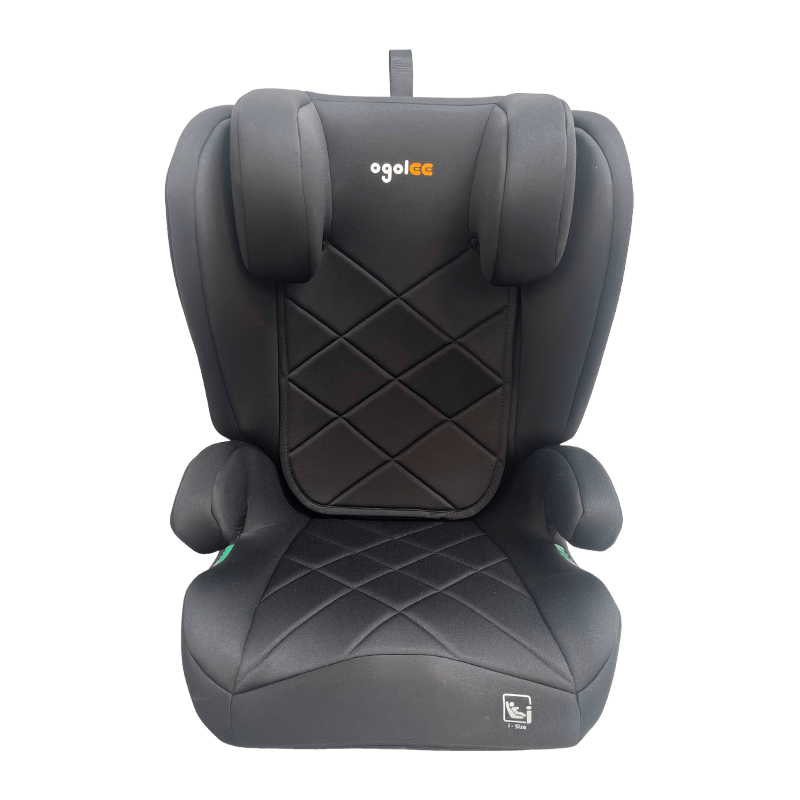
A child who is comfortable is a child who stays correctly positioned throughout the journey. Look for adjustable headrests, removable newborn inserts, breathable fabric, and reclining positions that accommodate sleeping infants.
Types of R129 Baby Car Safety Seats Compared
| Type | Age / Height Range | Best For | Limitation |
| Infant Carrier | Birth – 75/85 cm | Newborns, portability | Short lifespan |
| Convertible Seat | Birth – 105 cm | Long-term use, value | Not portable |
| All-in-One Seat | Birth – 150 cm | Single purchase for all ages | Bulkier, heavier |
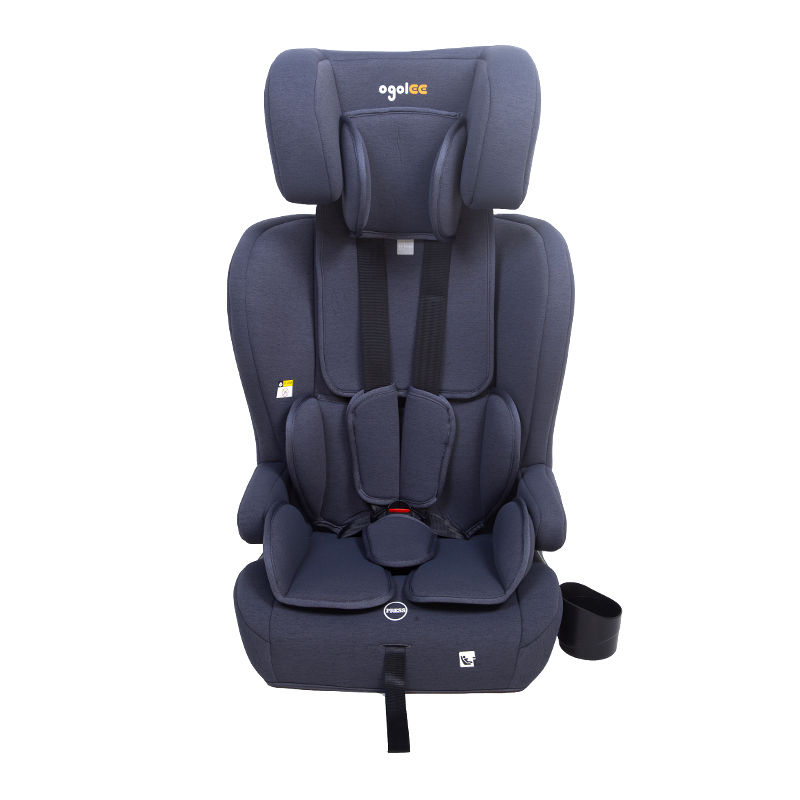
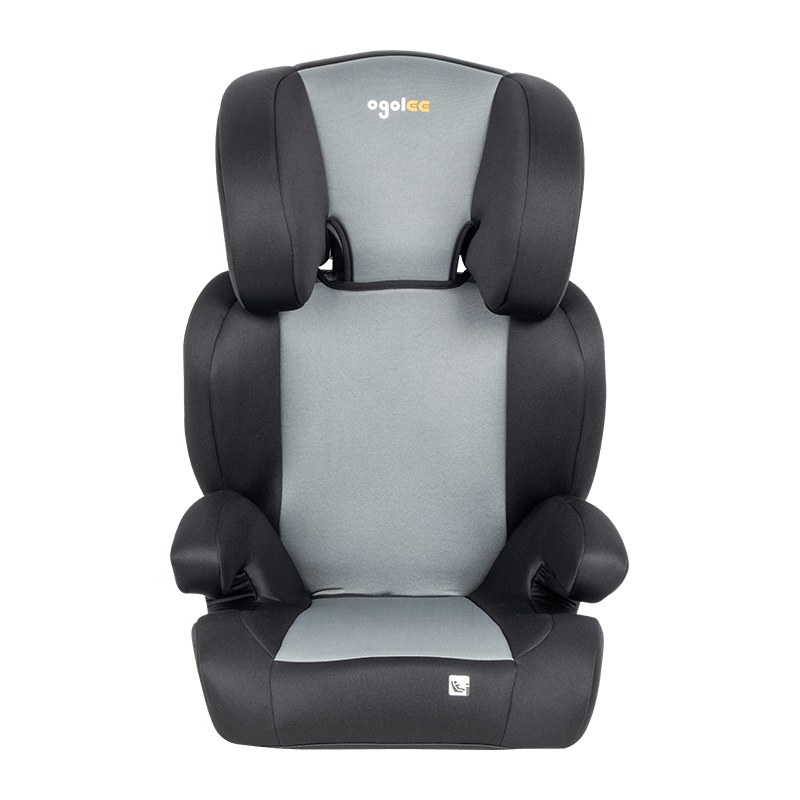
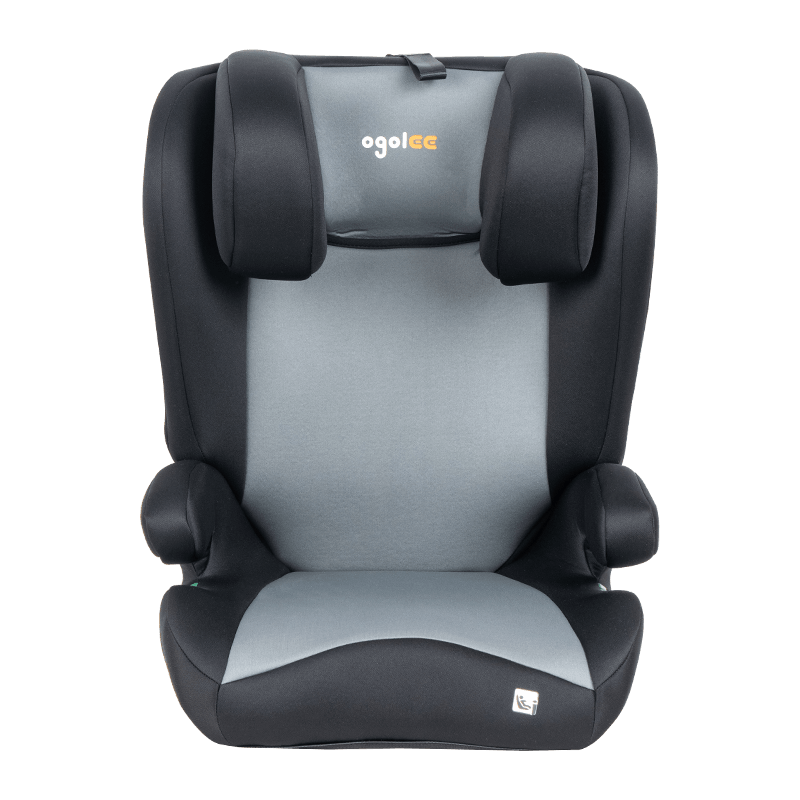
| Combination Seat | 15 months – 12 years | Older toddlers + children | Not for newborns |
5 Installation Mistakes to Avoid with Your R129 Baby Car Safety Seat
- Skipping the vehicle compatibility check — Even if the ISOFIX fits physically, the seat must be on the vehicle's approved list.
- Incorrect recline angle — Newborns need a near-flat recline to keep airways open. Always use the built-in angle indicator.
- Harness straps too loose — You should not be able to pinch any slack in the harness at the child's shoulder.
- Turning forward-facing too early — R129 sets a minimum of 15 months rear-facing. Exceeding this minimum is strongly recommended wherever possible.
- Using a seat after a crash — Even if a seat looks undamaged, internal structural integrity may be compromised. Replace the seat after any significant impact.
Frequently Asked Questions About the R129 Baby Car Safety Seat
Q: Is R129 mandatory in all European countries?
R129 is not yet universally mandatory, but it is the current recommended standard across Europe. R44/04 seats remain legally valid in most countries, but R129 seats are required when purchasing new approved seats in an increasing number of markets. Manufacturers are phasing out R44 production in favour of R129.
Q: Can I use an R129 seat in any car?
No. Every R129 baby car safety seat must be used only in the vehicles listed on its approved vehicle list. This list is provided in the manual and is often searchable on the manufacturer's website. Using the seat in an unlisted vehicle may compromise its safety performance.
Q: How long can my child use an R129 infant car seat?
It depends on the specific seat model. Infant carriers typically cover children from birth to 75–85 cm in height. All-in-one R129 seats can extend from birth to 150 cm (approximately 12 years). Always transition when the child exceeds the seat's stated height limit — not based on age or weight alone.
Q: What's the difference between R129 Phase 1 and Phase 2?
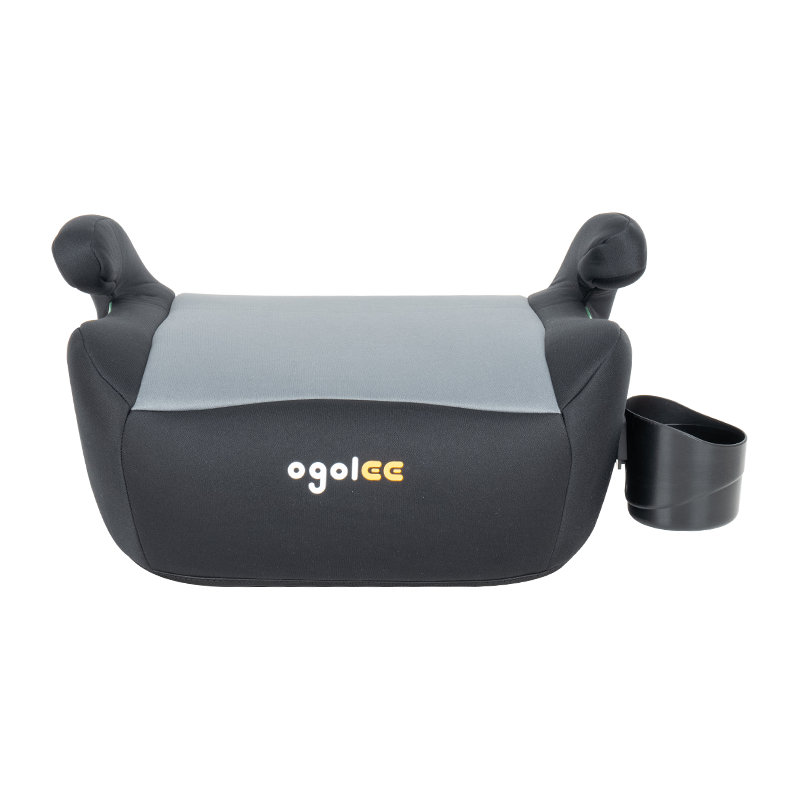
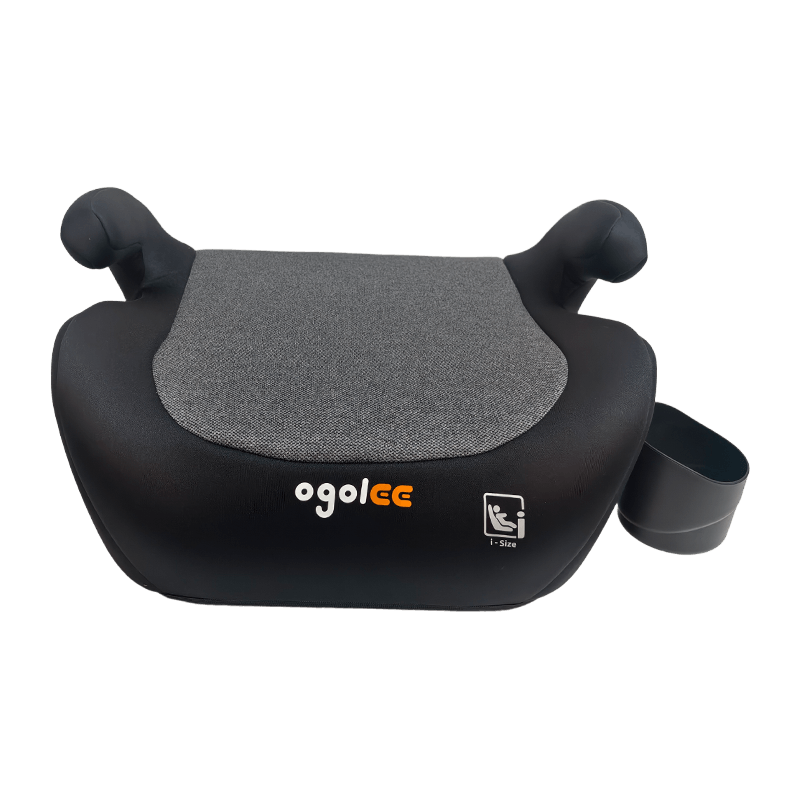
R129 Phase 1 covers children up to 105 cm (roughly 3.5 years). R129 Phase 2 extends the standard to children up to 150 cm (roughly 12 years), including booster seats and high-back boosters. When shopping, confirm which phase the seat complies with based on your child's age and anticipated usage period.
Q: Are R129 seats more expensive than R44 seats?
Entry-level R129 seats are available at competitive price points similar to mid-range R44 models. While premium R129 seats with advanced features carry a higher price tag, the market now offers a broad range of options. The long-term value of an all-in-one R129 seat — covering a child from birth to 12 years — often makes it more cost-effective overall.
Q: How do I know if my R129 seat is correctly installed?
Most modern R129 seats include visual installation confirmation indicators — green lights, audible clicks, or indicator windows that turn green when correctly secured. After installation, check that: (1) the seat doesn't move more than 2–3 cm in any direction; (2) the ISOFIX connectors are fully engaged; (3) the angle indicator shows the correct position; and (4) the harness fits snugly with no slack at the shoulder.
The Bottom Line: Why the R129 Baby Car Safety Seat Sets the Standard
The R129 baby car safety seat represents the most comprehensive child vehicle safety standard available today. With mandatory side-impact testing, extended rear-facing requirements, ISOFIX integration, and height-based sizing, it addresses the gaps that left children exposed under the previous R44 framework.
For parents who want the highest standard of protection — backed by rigorous, independently verified testing — the R129-certified seat is not just a top choice. It is the informed choice. Take time to verify vehicle compatibility, choose an independent top-rated model, and prioritize correct installation. Your child's safety depends not just on which seat you buy, but on how confidently and correctly you use it every single journey.