 English
 Español
 Deutsch
 русский


Yes, an infant car seat can be recycled, but almost never in the bin at the end of your driveway. A car seat is not one material. It is a bonded assembly of a moulded plastic shell, expanded foam, polyester fabric, nylon webbing and steel hardware, and municipal sorting lines are built for single-material streams. That mismatch, rather than the plastic itself, is why so many parents end up with an expired seat sitting in the garage for years.
The order of preference is straightforward: keep using a seat that is still inside its service life, pass it on only if it is complete and unexpired, and send it to a specialist channel when it is not. Landfill is the last option, not the default.
Content
- 1 Why Curbside Recycling Usually Says No
- 2 What Happens to a Seat at a Specialist Recycler
- 3 Reuse First, but Only Inside the Service Life
- 4 Where to Take an Infant Car Seat for Recycling
- 5 The Foam Is the Part That Decides Everything
- 6 Preparing a Seat for Recycling
- 7 Designing Seats That Are Easier to Recycle
- 8 Frequently Asked Questions
- 9 What This Means When You Buy
Why Curbside Recycling Usually Says No
The barrier is separation cost, not recyclability. An infant seat shell is usually polypropylene, one of the most widely recycled plastics in the world, and the buckles and ISOFIX fittings are steel that scrap yards pay for. What no kerbside programme can handle is a seven-kilogram object that mixes five material families, contains a foam block that crumbles into static-filled crumbs, and arrives with a textile cover stapled and glued to something else.
Two practical problems push collection programmes to exclude seats outright:
- Size and shape. A seat does not pass through the aperture of a standard sorting screen, and it can jam a conveyor, which means a manual stop and a lost shift.
- Bulk versus value. One seat occupies the volume of dozens of bottles while weighing far less than a bale of mixed plastic, so the logistics cost per tonne recovered is high.
| Part | Typical material | Recyclable in principle | Where it usually goes |
|---|---|---|---|
| Seat shell and base | Polypropylene, sometimes glass-filled | Yes | Shredded and reground into pellets for crates, pipe and garden furniture |
| Impact foam | Expanded polystyrene or expanded polypropylene | EPS: rarely collected. EPP: yes | Densified and remoulded, or sent to energy recovery |
| Fabric cover | Polyester, often with a bonded waterproof backing | Limited | Fibre recovery when clean, otherwise energy recovery |
| Harness and buckles | Nylon webbing, acetal or nylon fittings | Rarely | Residual waste, because mixed grades have no buyer |
| Metal parts | Steel buckles, ISOFIX arms, springs | Yes, high value | Sold as ferrous scrap |
| Labels, padding and adhesives | Mixed polymers, EVA | No | Energy recovery or landfill |
What Happens to a Seat at a Specialist Recycler
A properly dismantled seat can recover the large majority of its mass. The work is manual or semi-manual, and it follows the same five steps every time.
- Document the seat. Labels, date of manufacture and model number are photographed, both for the recycling record and to confirm the seat is genuinely out of service.
- Strip the soft goods. Cover, harness and padding come off first. Clean textiles can go to fibre recovery; webbing and buckles normally go to residual waste because mixed grades have no end market.
- Remove the foam. EPS is densified, compressed to a fraction of its volume, then sold to packaging and insulation processors. EPP is worth more and is often remoulded into automotive components.
- Break down the shell. Rivets, screws and metal inserts are pulled out and sold as scrap. The plastic shell is shredded and reground into pellets for non-structural mouldings.
- Dispose of the remainder. Adhesives, mixed labels and composite padding go to energy recovery where the facility permits it.
Reuse First, but Only Inside the Service Life
An unexpired seat with a known history should be reused, not recycled. Recycling destroys a product that still has years of protective work left in it, and it forces a family to buy a replacement seat earlier than necessary.
Three checks decide the question:
- Date of manufacture. Most manufacturers state a service life, commonly six to ten years from production, because both the plastic and the harness webbing age with ultraviolet light, heat cycles and repeated loading.
- Collision history. A seat involved in a moderate or severe crash should be replaced even when it looks untouched. Deformation inside the shell and foam is frequently invisible.
- Completeness. A missing harness, missing instructions or a missing ISOFIX connector is a real problem, because the next owner will not know how to install the seat correctly.
How to read the date label
The date is stamped or moulded into the shell, usually on the underside or the back of the seat, in a month-and-year format next to the model number. It is not on the removable cover. If there is no label, no date and no manual, treat the seat as unknown history and recycle it instead of passing it on.
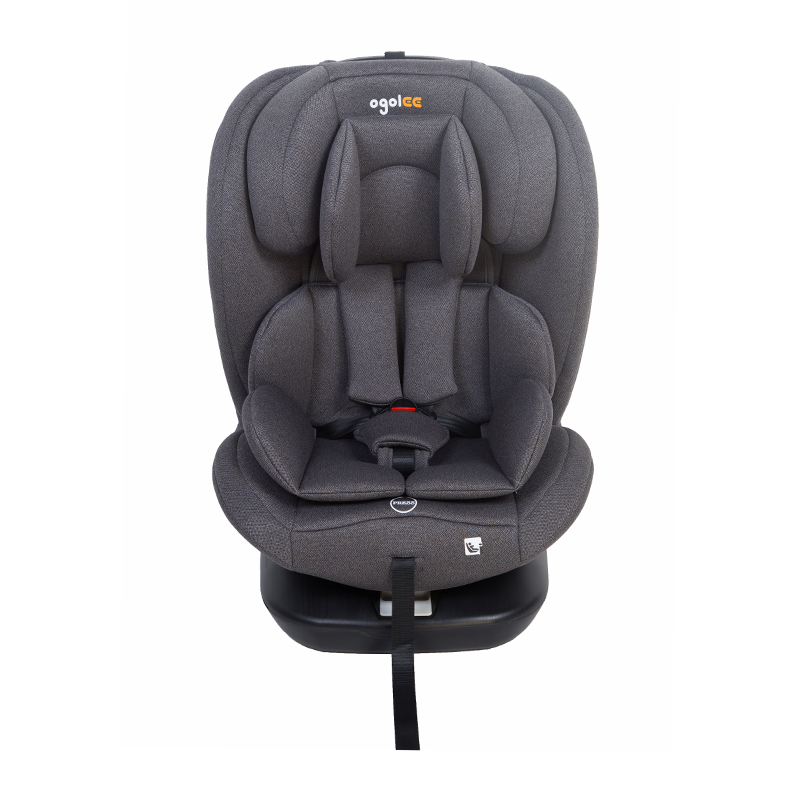
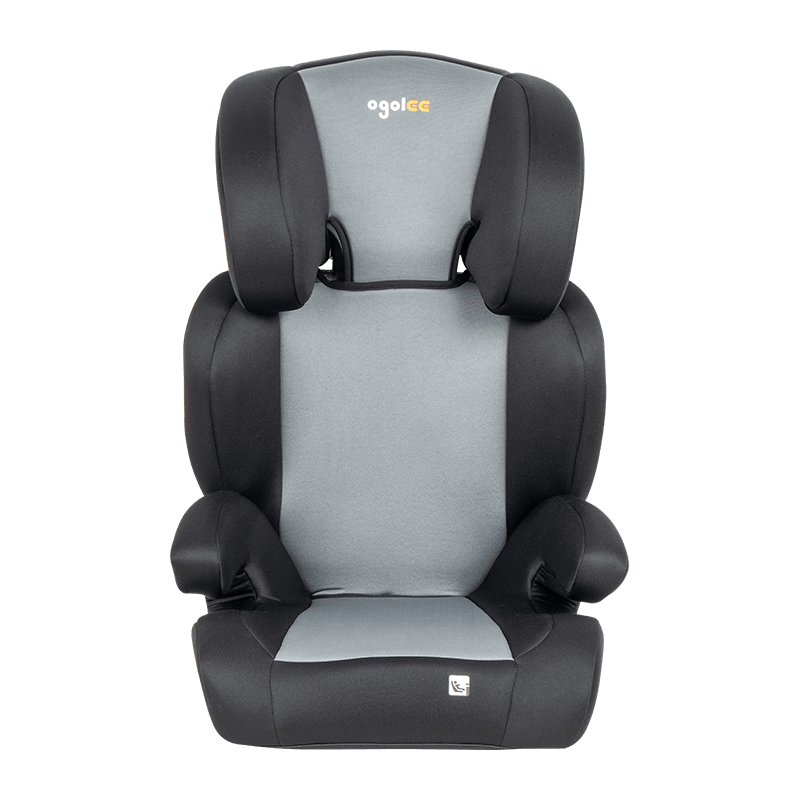
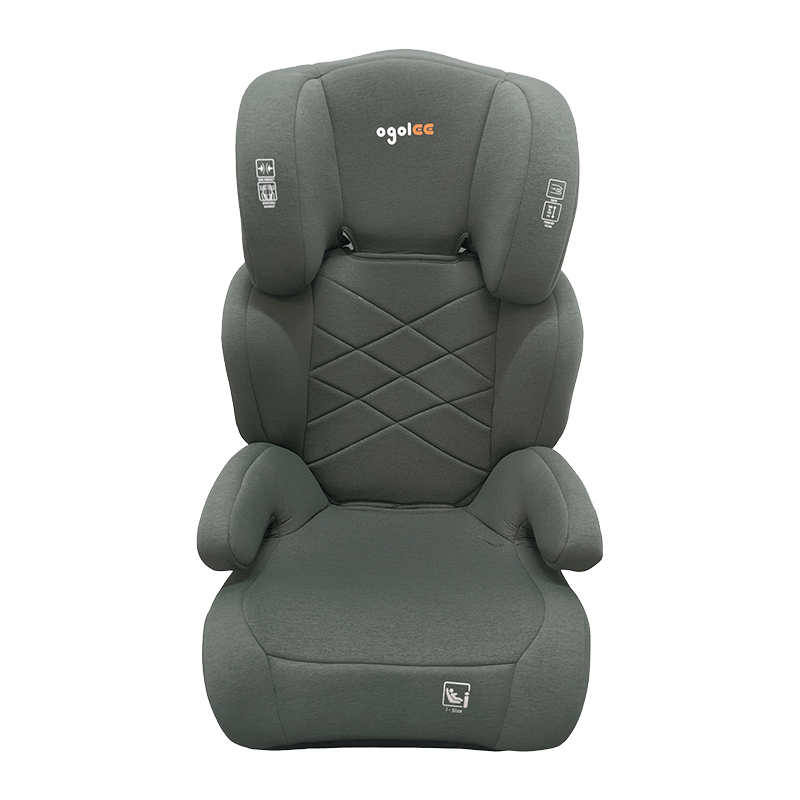
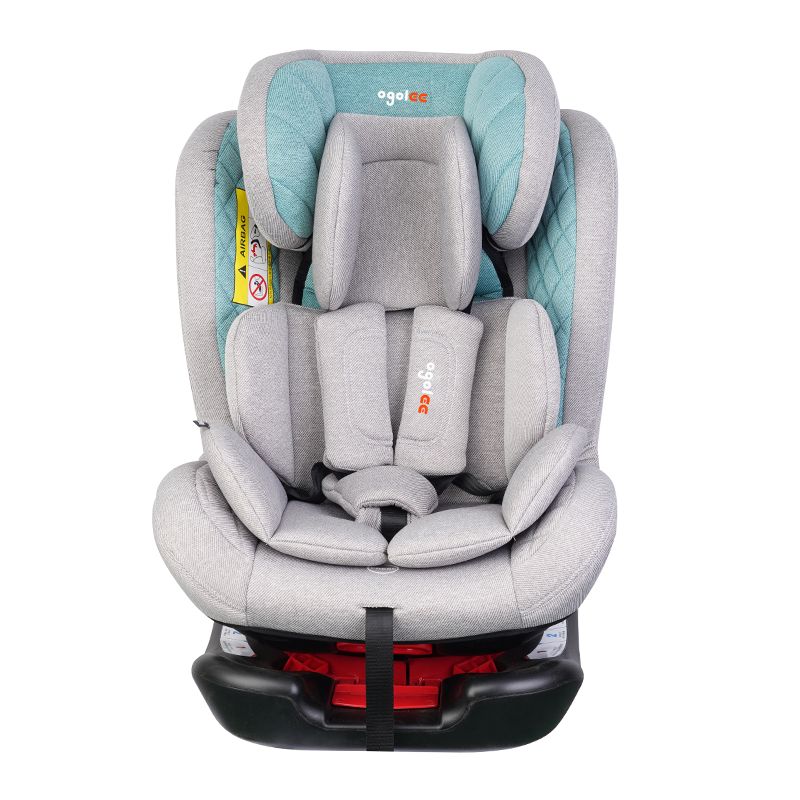 ZK701A ISOFIX 360° Convertible Car Seat for 0-36 kgECE R44/04 seat with ISOFIX and top tether, 360-degree rotation, 165-degree recline, and adjustable headrest for children from birth to about 12 years.View Product →
Where to Take an Infant Car Seat for Recycling
There is no single global answer, so work through the channels from most to least accessible.
- Retail trade-in events. Large chains run periodic seat collection drives, often in spring and autumn, and frequently hand back a discount voucher. When one is running, this is the easiest route.
- Civic amenity and bulky-waste sites. Many municipal sites accept seats as bulky plastic or household hazardous waste, either free of charge or for a small fee.
- Specialist plastics recyclers. Businesses handling rigid plastics often take a stripped shell, but rarely a complete seat.
- Importer and producer take-back. In several European markets and parts of Canada, importers fund collection, so it is worth asking the brand you originally bought from.
- Charity shops and shelters. Many refuse seats because of liability, and those that accept usually insist on an in-date label and a complete harness.
Four questions to ask before you drive over
- Do you take a complete seat, or should I strip the cover and harness first?
- Is there a fee, and is it charged per item or per load?
- Do you need the date label intact?
- Will you accept a seat that has been in a collision?
The Foam Is the Part That Decides Everything
If a recycler turns a car seat away, the foam is almost always the reason. Expanded polystyrene is roughly two per cent plastic and ninety-eight per cent air, which makes it uneconomic to transport unless it is densified on site. Expanded polypropylene behaves far better: it is tougher, it springs back after impact and it has an established remanufacturing market, which is why an EPP seat usually finds a home more easily than an EPS seat of the same age.
For the owner, the practical point is simple. Keep the foam clean and dry, hand it over with the shell if your recycler wants the assembled unit, or bag it separately if they want the parts split. Foam left in a damp garage for two years, smelling of mildew, is much harder to place.
Preparing a Seat for Recycling
Ten minutes of preparation significantly improves what a recycler can actually recover.
- Photograph the label before you touch anything, so the date and model are on record.
- Wash the cover. A clean polyester cover can go into textile recovery; a mouldy one generally cannot.
- Cut the harness at its anchor points rather than unthreading it, so that a damaged strap cannot be mistaken for a serviceable one.
- Keep metal separate. Buckles, ISOFIX arms and screws have scrap value and cost nothing to bag.
- Confirm the drop-off before loading the car, and carry the seat in a large bag so foam crumbs do not end up in your boot.
Designing Seats That Are Easier to Recycle
The most consequential recycling decision is made at the design stage, years before the seat is thrown away. Three choices move the needle most:
- Fewer material families in the shell. A shell moulded from a single grade of polypropylene, with metal and foam as clearly separable inserts, needs a fraction of the dismantling time of one that blends glass-filled nylon, ABS and polycarbonate.
- Longer service life per seat. A seat that adjusts from 40 cm to 150 cm replaces two or three separate purchases, which cuts total material consumption even if the individual unit is a little heavier.
- Detachable, machine-washable covers. They extend the usable life of the seat and keep soiled textiles out of the waste stream.
Our own approach follows that logic. The blow moulding technology we use for shell bodies produces a thick, uniform, single-material wall that is simple to identify and straightforward to regrind, and the R129 and R44 ranges are built around long adjustment spans rather than short-lived stages. Certification documents under ECE R129, ECE R44 and China 3C are listed on our certification page, which is usually the first evidence a retailer asks for when end-of-life handling claims have to be substantiated.
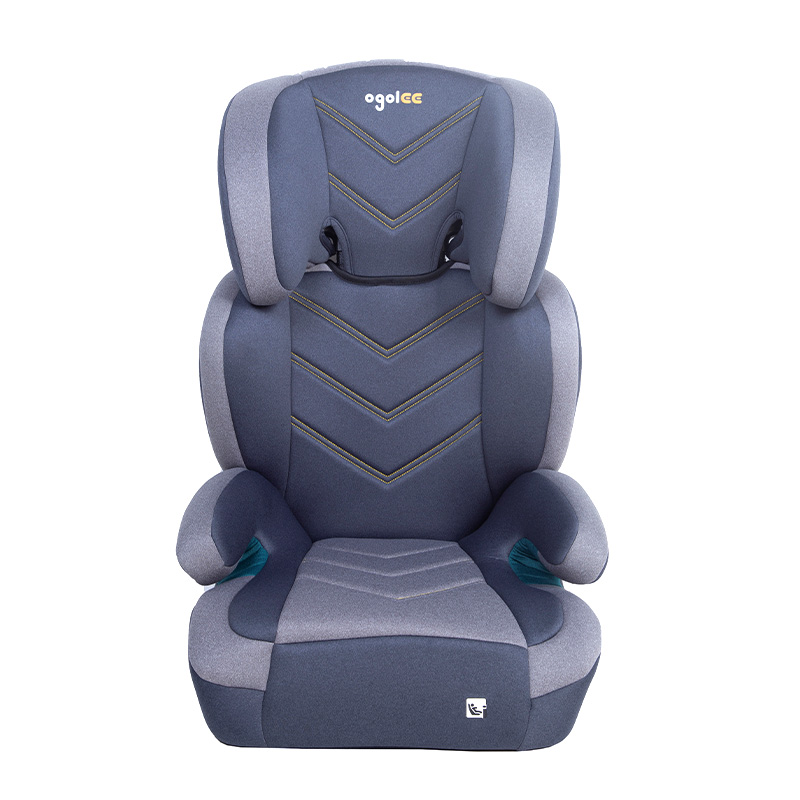
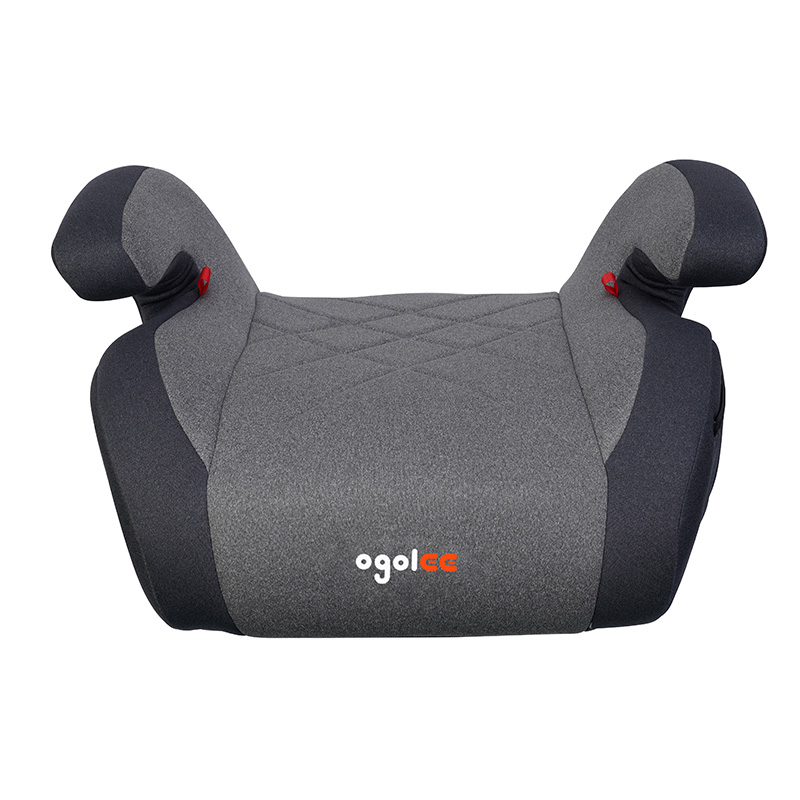
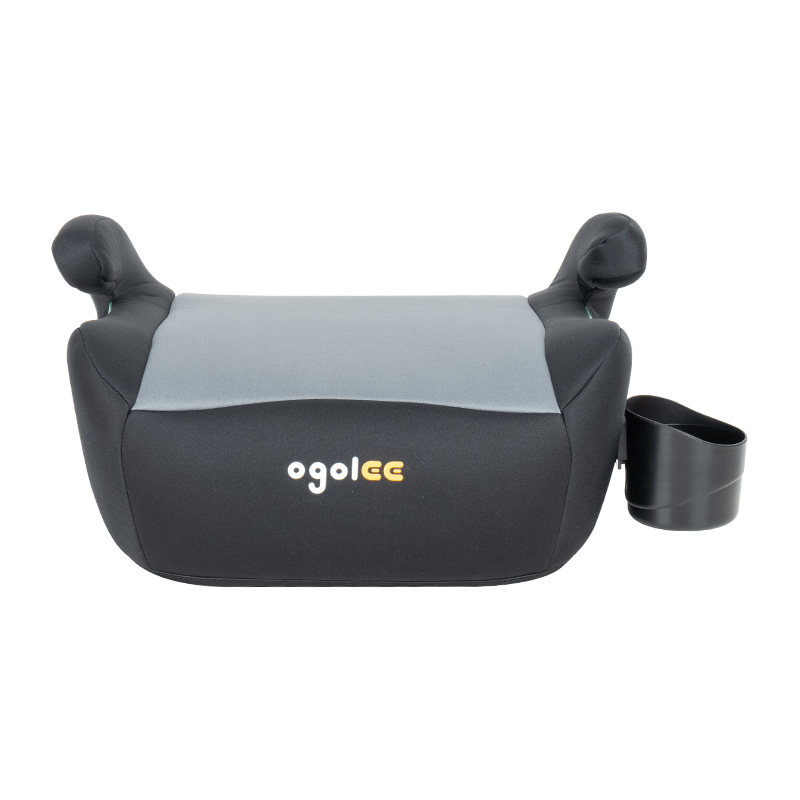
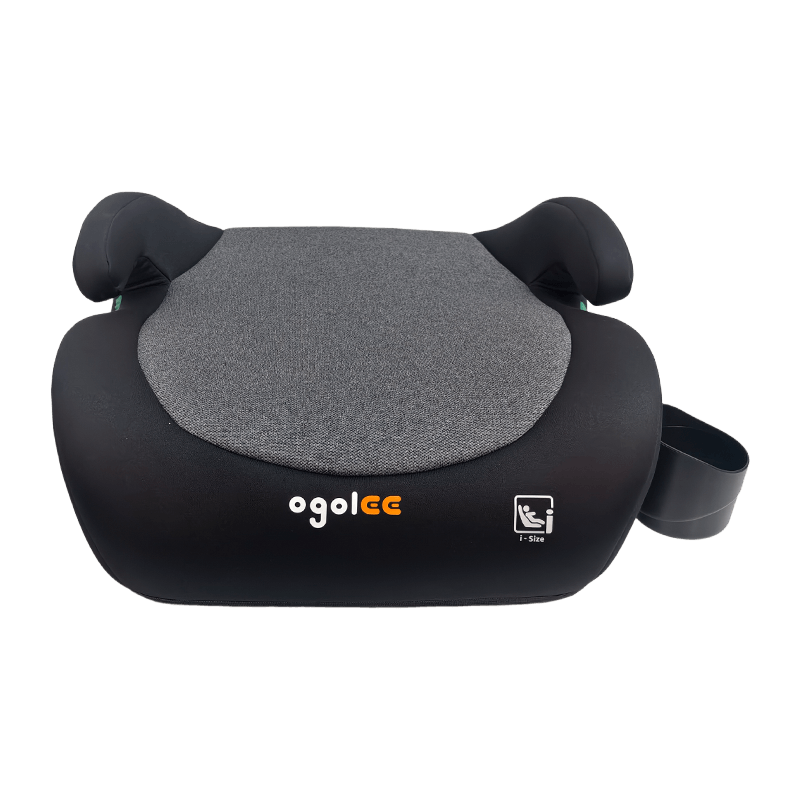
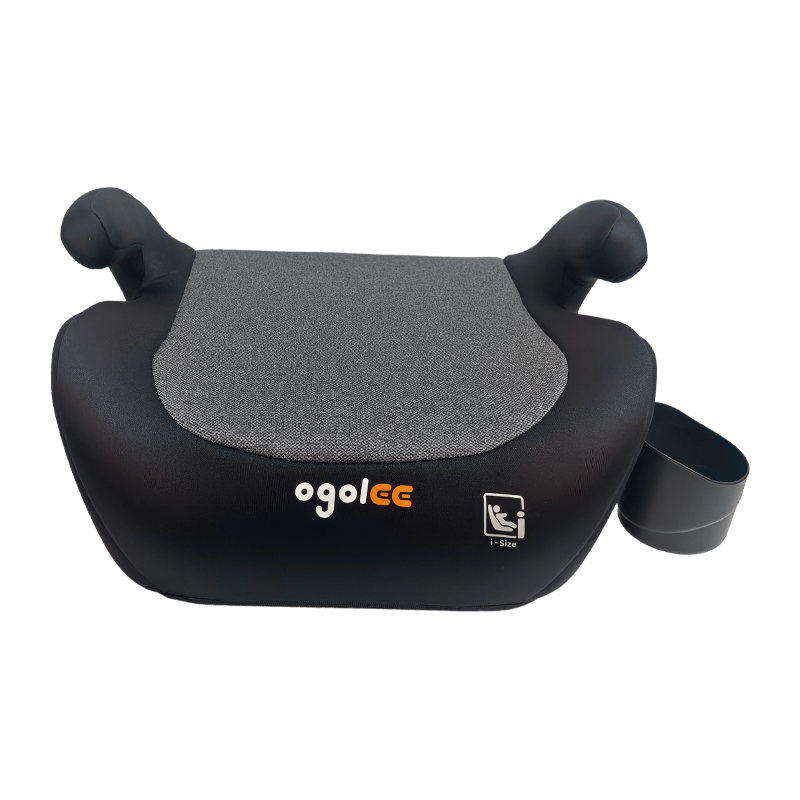
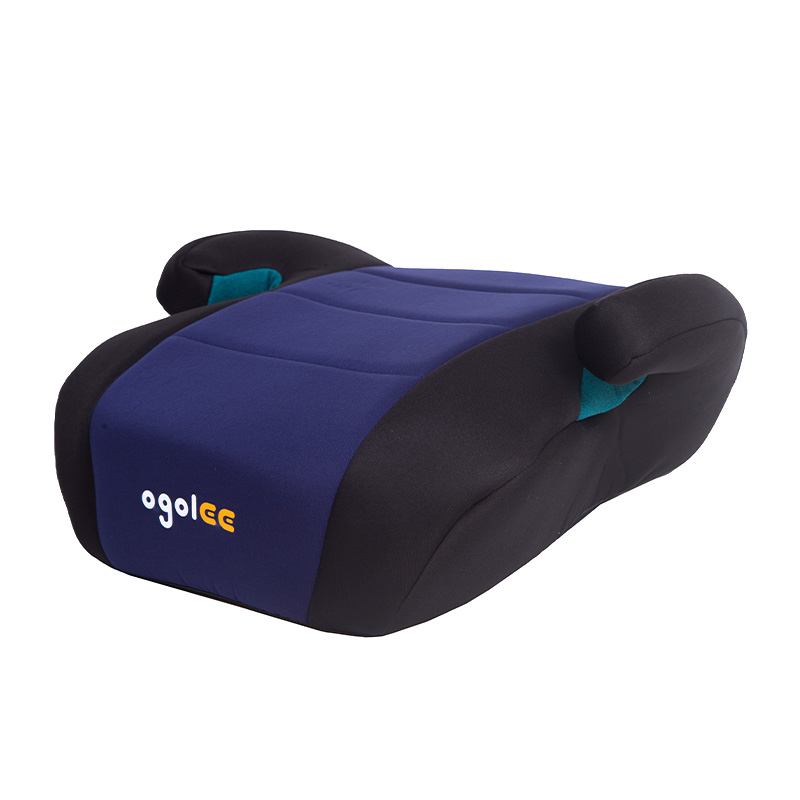 OG101A R129 Portable Booster Seat for Children 125-150 cmLightweight ECE R129 booster with blow-moulded shell, waterproof EPE foam, armrests, and environmental cloth, sized for children 125-150 cm.View Product →
Frequently Asked Questions
Can you put an infant car seat in the recycling bin?
No, not in any mainstream kerbside programme. The exception is a municipality that runs a separate bulky-plastic or hard-to-recycle collection, so check your local waste authority's list before assuming either way.
Is the plastic shell actually recyclable?
Yes. Polypropylene shells are reground into pellets and used for non-structural mouldings such as crates, drainage pipe and automotive trim. The plastic is not the obstacle; the cost of taking the seat apart is.
What about the cover and the harness?
Polyester covers can go into textile recovery when they are clean and the fibre blend is known. Nylon webbing and acetal buckles have almost no end market and typically go to energy recovery or landfill.
Should I donate an expired car seat?
No. An expired seat cannot be relied on to protect a child, and donating one transfers that risk to someone who has no way of checking its history. Safety regulators in several countries also advise against buying a second-hand seat with unknown provenance. Recycle it instead.
How long does an infant car seat last?
Commonly six to ten years from the date of manufacture, and the exact figure is stated by the manufacturer. Heat, sunlight and repeated loading accelerate the ageing of both the plastic and the webbing, so a seat that has spent its life in a hot climate ages faster than one used in a temperate region.
Does recycling a car seat cost money?
Sometimes. Retail trade-in events are usually free, municipal sites range from free to a small bulky-item fee, and specialist recyclers may charge for foam that has to be densified on site.
What This Means When You Buy
For parents, the takeaway is to buy a seat you can genuinely keep for its full service life: one that adjusts through several stages, has a washable cover and carries a legible date label. That single decision removes more waste than any end-of-life recycling route.
For importers and retailers, the takeaway is to ask suppliers for a material breakdown, a repair parts list and end-of-life guidance, because that documentation is increasingly requested both by buyers and by municipal collection schemes. A seat designed with separable materials is not only easier to recycle; it is easier to defend in a tender.
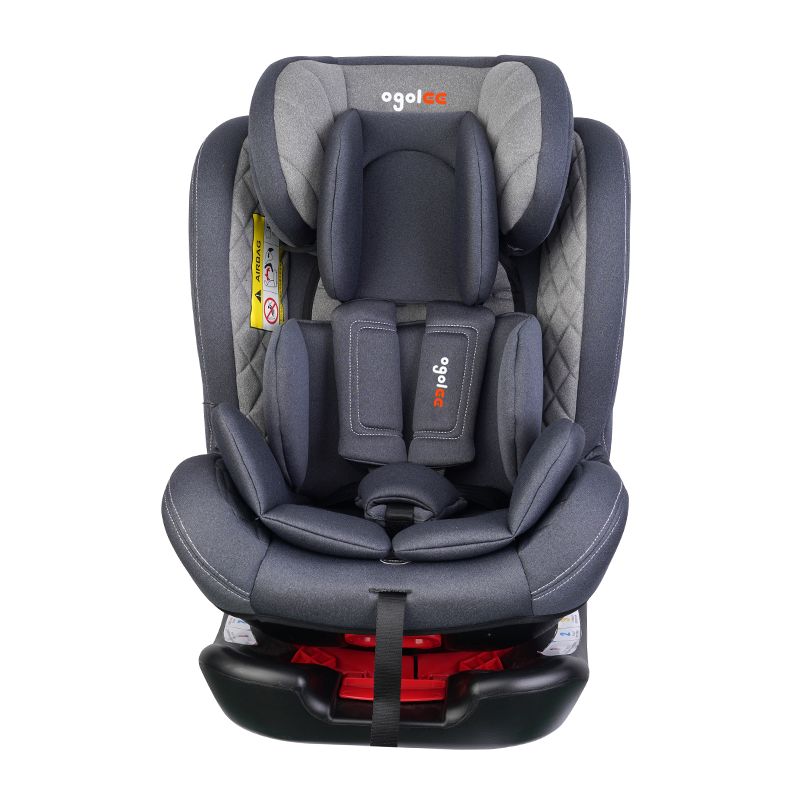
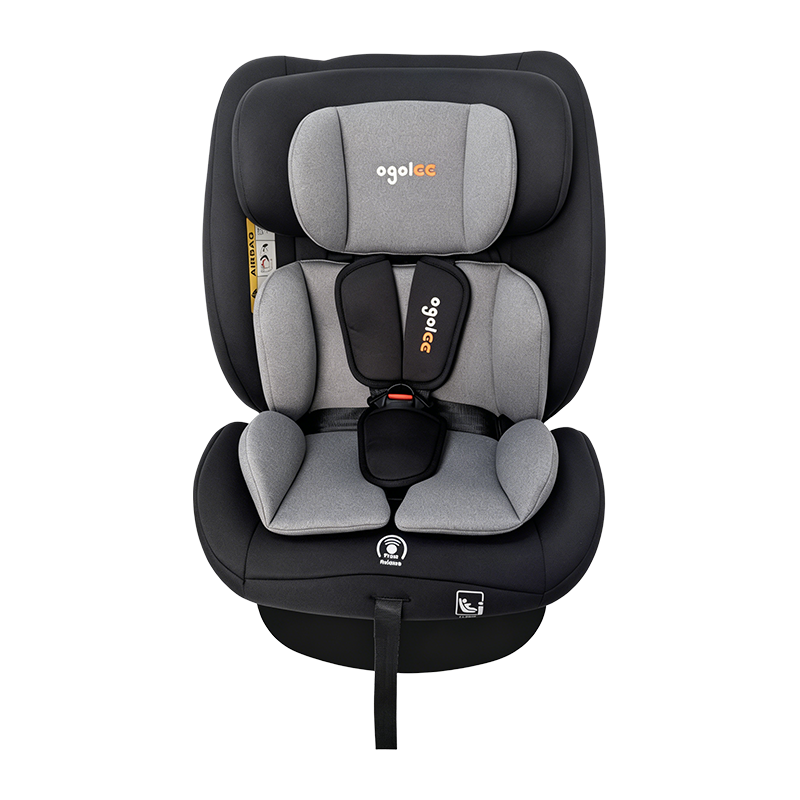
 OG801A R129 360° Convertible Car Seat with ISOFIX for 40-150 cmECE R129/04 Group 0/1/2/3 seat with rearward and forward facing use, 360-degree rotation, recline, ISOFIX and top tether, for 40-150 cm.View Product →
An infant car seat that has reached the end of its life is not rubbish. It is a concentrated package of polypropylene, steel and foam that is worth recovering, provided it goes to a channel that is willing to take it apart.