 English
 Español
 Deutsch
 русский

Your child has outgrown their car seat, or perhaps the seat has passed its expiration date after years of daily commutes and family road trips. Before you consider tossing it in the trash or donating it to a local charity, stop. An expired or damaged car seat is a safety liability, and its mixed-material construction makes it a recycling challenge that regular curbside bins cannot handle. Car seat recycling programs exist to solve this exact problem, but choosing the right one requires understanding how they work, what they accept, and how to prepare your seat correctly. This guide explains the full process from a manufacturer's perspective, then walks you through the safest options for responsible disposal and what to look for when buying the replacement.
Content
Why Car Seats Need to Be Replaced (and How to Know When)
Car seats are not designed to last forever. Unlike a stroller or a crib that can be passed down through multiple children over a decade, a car seat has a finite service life due to material degradation and evolving safety standards. Four situations require immediate replacement: the seat has reached its expiration date, it has been involved in a moderate or severe crash, it is subject to a safety recall, or your child has outgrown its height or weight limits.
The expiration date, typically printed on a sticker on the plastic shell, is not arbitrary. Polypropylene shells, foam energy absorbers, and webbing straps are all petroleum-based materials that weaken when exposed to extreme heat, UV light, and the cyclic temperature swings inside a parked car. A seat that looks perfectly fine at six years old may have lost a significant portion of its impact-absorbing capacity. Industry guidance, echoed by the National Highway Traffic Safety Administration (NHTSA), recommends replacing seats after any moderate crash, even when no visible damage is apparent. Safety standards also evolve. Seats certified under the older ECE R44 regulation lack the side-impact testing and stricter head-protection criteria now mandatory under the newer ECE R129 (i-Size) standard. For context, you can read our detailed guide on why R129 booster seats outperform R44-certified models. Even if your seat has not expired, replacing it when your child no longer fits correctly is non-negotiable for safety.
The Environmental Problem with Old Car Seats
Here is the harsh reality: a child car seat is a composite product. It is roughly 70% polypropylene plastic (the shell), with the remaining portion split between high-density foam, steel or aluminum reinforcement bars, polyester webbing, and nylon fabric covers. Because these materials are fused together with rivets and molded joints, standard single-stream recycling facilities cannot separate them economically. As a result, an estimated 12 million car seats are discarded in U.S. landfills every year, where the plastic shell takes hundreds of years to break down while the foam and fabric slowly leach additives into the soil.
Simply placing a seat in your curbside recycling bin does more harm than good. It contaminates the entire batch of recyclables and often ends up in the landfill anyway after the facility rejects it. This is why dedicated car seat recycling programs are essential. They handle the labor-intensive disassembly and feed the separated materials into specialized plastic, foam, and metal recycling streams. Responsible disposal, therefore, accomplishes two goals: it removes an unsafe seat from potential circulation and prevents a bulky, non-biodegradable object from occupying landfill space.
Types of Car Seat Recycling Programs Explained
Car seat recycling programs generally fall into four categories, each with different costs, convenience levels, and eligibility requirements. The table below compares them so you can choose what fits your situation.
| Channel | How It Works | Cost | Best For |
|---|---|---|---|
| Retailer trade-in events | Large chains like Target periodically host in-store events accepting any brand; you receive a discount on new gear. | Free (discount offered) | Parents ready to buy a new seat immediately |
| Brand-operated mail-in programs | Select manufacturers (e.g., Clek) offer prepaid shipping labels; seats are disassembled at a facility, and parts are recycled. | Free to low fee, sometimes with a purchase incentive | Those without a nearby drop-off location |
| Municipal or state collection points | Local governments (e.g., Colorado DOT) host free periodic drop-off days; some provide permanent collection bins. | Usually free | Residents in participating counties |
| Commercial mail-in boxes | Services like TerraCycle sell flat-rate boxes; you fill and ship the seat, and it is recycled commercially. | Paid per box (often $50-100) | Those with no other local or free option |
Retailer trade-in events are the most accessible option for most families. They accept seats from any brand, including expired and damaged models, and typically provide a 20% off coupon toward the purchase of a new seat. However, these events are held only a few times per year. Municipal drop-off days are similarly intermittent but free and region-specific. Brand mail-in programs are reliable year-round but often limited to that brand's own products or require you to purchase a new seat from them. Commercial mail-in boxes are a universal fallback, albeit at a higher cost. Check your state's department of transportation website for the next scheduled collection event in your county.
How to Prepare Your Car Seat for Recycling (Step-by-Step)
Before you hand over your seat to any car seat recycling program, you must render it unusable. This is not bureaucracy; it is a crucial safety measure. A seat that looks functional will inevitably be picked up by someone else on the curb and strapped into a vehicle as a "free" replacement. Follow this preparation checklist to ensure the seat is permanently decommissioned and ready for material recovery.
- Cut the harness straps. Use scissors to sever the shoulder straps, crotch strap, and all webbing. It is not enough to simply remove the straps; the buckles and adjusters must be rendered incapable of latching.
- Remove the fabric cover. Detach the seat pad and any foam inserts. These fabrics and foams go to different recycling streams, so separating them helps the facility sort materials efficiently.
- Remove or scratch out the label. The sticker containing the model number, manufacture date, and serial number should be removed or scribbled over so the seat cannot be identified as a functioning, recalled, or recent model.
- Write "DO NOT USE" on the shell. Use a permanent marker to clearly mark both the top and the bottom of the plastic shell. This deters dumpster divers or resale platform sellers.
- Disassemble any removable metal parts. If the seat has a steel reinforcement bar or metal adjuster that can be removed, take it out and place it in your regular metal recycling, if your local facility accepts it. Only do this if the manufacturer's design permits tool-free removal.
- Cut the tether and LATCH straps. For forward-facing and convertible seats, cut the top tether webbing and the LATCH connectors to ensure the seat cannot be reinstalled.
After completing these steps, the seat shell is ready for the designated drop-off. Bringing a decommissioned seat also speeds up the processing at the collection site, as workers can focus on sorting plastic and foam rather than performing the disassembly themselves.
What to Look for in a Replacement Car Seat
Once the old seat is properly decommissioned, the next step is choosing a replacement. Your first priority should be a seat certified to the latest safety protocols. The ECE R129 (i-Size) regulation, which is now the reference standard across Europe and increasingly recognized globally, includes mandatory side-impact crash tests, stricter head and neck protection criteria, and a requirement to keep children rear-facing until at least 15 months of age. R129 seats also use ISOFIX anchor points exclusively, which dramatically reduces the risk of incorrect installation — a common cause of injury in crashes.
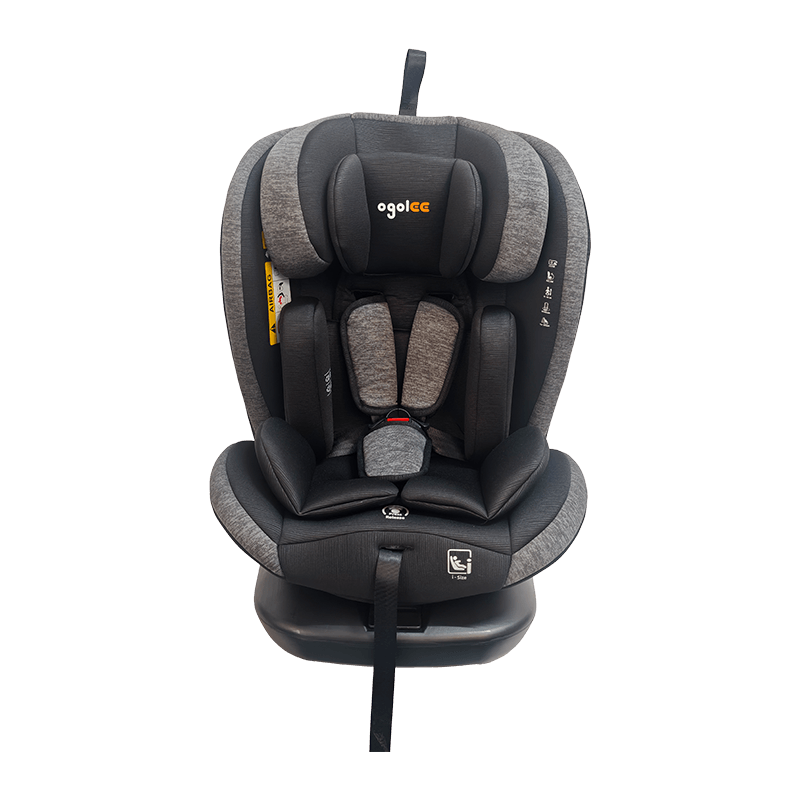
The second priority is choosing a seat that spans a wider height range to minimize the number of future purchases. Instead of buying a restrictive infant-only seat, consider an R129 i-Size car seat covering 40–150 cm. This single unit takes a child from newborn to approximately 12 years old, eliminating the need for a separate infant carrier and a later booster purchase. Features like 360-degree rotation make it easier to buckle a rear-facing infant in, and the large recline angle improves comfort on long drives while keeping the head in the protected zone during side impacts.
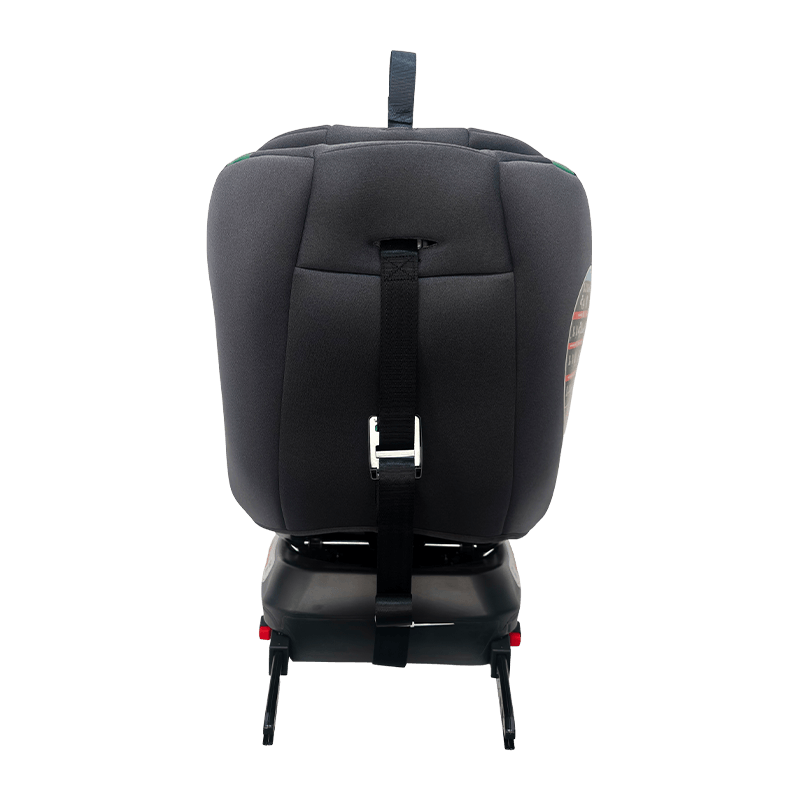 360 Degree Rotate Isize Baby Car Seat Suppliers, Custom CompanyYougaole is a professional China 360 degree rotate baby car seat suppliers and iSize baby car seat company, custom ECE R129 isize isofix...View Product →
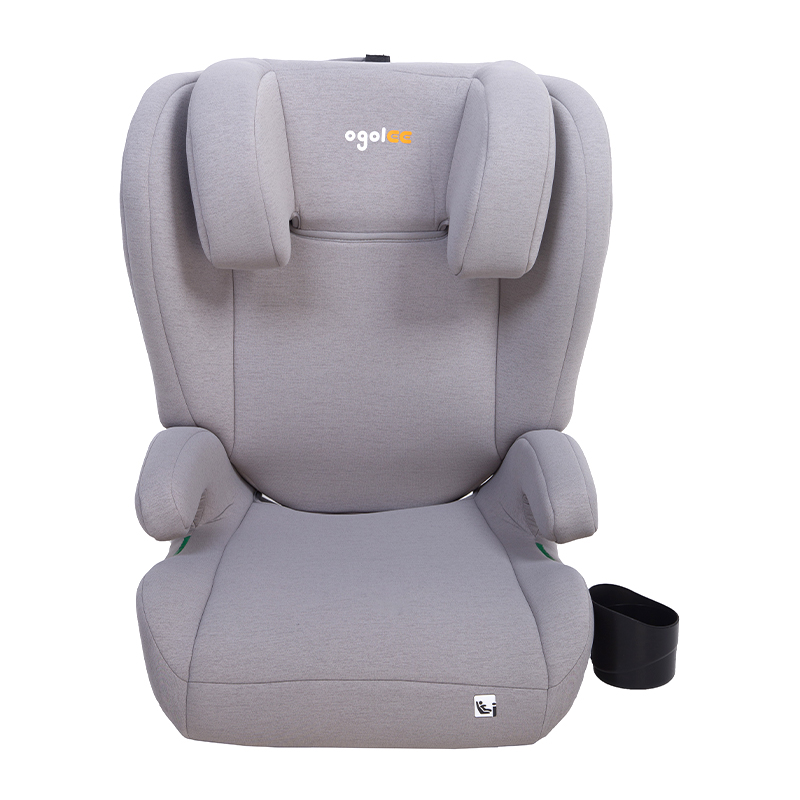
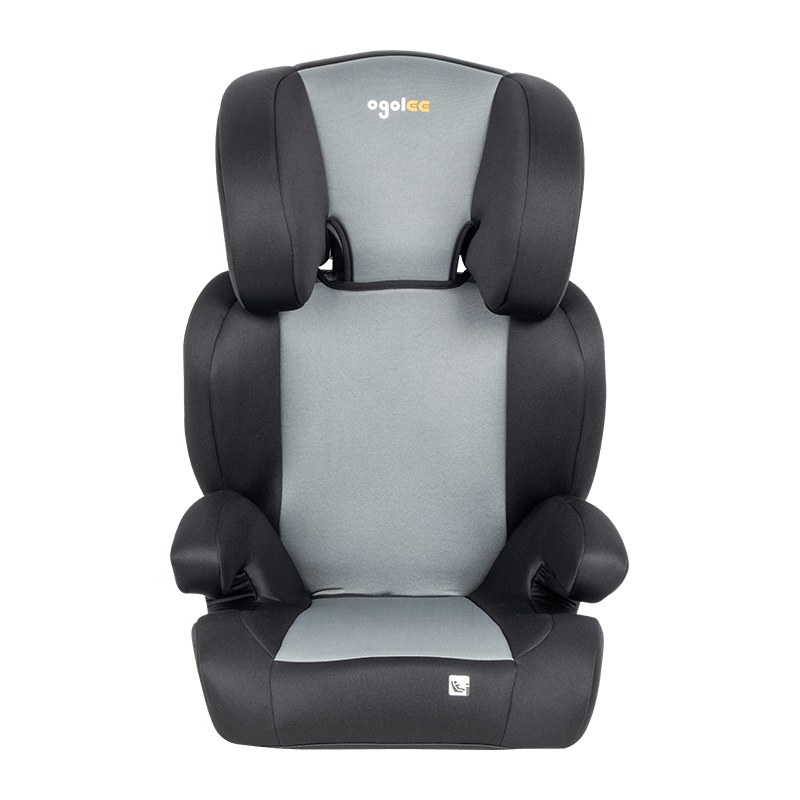
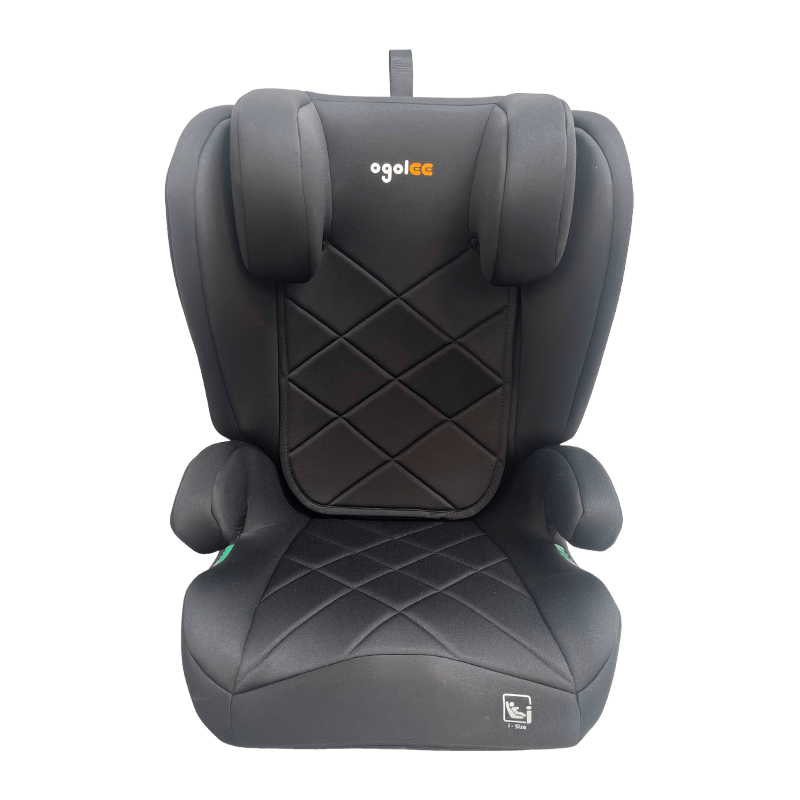
For families whose child has already passed the 40–125 cm range, the replacement should be a dedicated booster. A high-back booster with ISOFIX connections is preferable to a backless cushion because it provides lateral head and torso support and correctly positions the adult seat belt. For this stage, look for an ISOFIX booster seat for children 125–150 cm, which also includes a cup holder and a portable design that transfers easily between vehicles. This height range corresponds to the final booster stage before a child transitions to the adult seat belt alone.
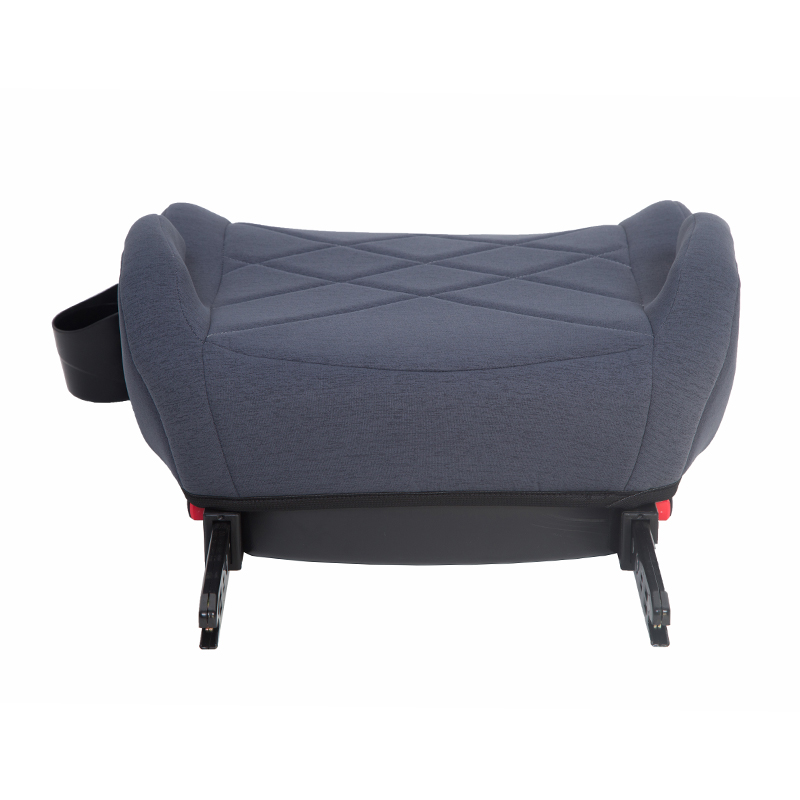 OG102A ECE R129 Isofix I-Size 125-150cm with cup holder Portable Baby Kids Car BYougaole is a professional China OG102A ECE R129 Isofix I-Size 125-150cm with cup holder Portable Baby Kids Car Booster Cushion Seat supp...View Product →
Remember that the seat you choose is only as effective as its installation. A 2019 study found that over 60% of car seats are installed incorrectly. The R129 standard requires ISOFIX for all seats, and many R129 models, including the ones referenced above, offer clear visual indicators that confirm a secure click. If you are replacing an older R44 seat, the shift to ISOFIX-rich R129 will remove most guesswork from your daily installation routine.