 English
 Español
 Deutsch
 русский


Picture a single-cab pickup, a two-seat sports car, or a family van with three child seats already buckled across the middle row. In each case a parent eventually asks the same question: can a car seat be in the front? The short answer is yes, but only inside a narrow set of circumstances. The passenger frontal airbag has to be switched off, the vehicle handbook and the car seat manual both have to allow that position, and there has to be no safe place left in the back.
Moving a seat forward out of convenience is a different decision entirely. The front passenger position sits closer to the impact zone and closer to the airbag, and it is rarely fitted with ISOFIX anchorages.
Content
- 1 The Short Answer: When the Front Seat Is Legal and Reasonable
- 2 Front Seat vs Rear Seat: What Actually Differs
- 3 Why an Airbag Turns the Front Seat into a Hazard
- 4 What Regulations and Safety Agencies Require
- 5 Installing in the Front Seat: A Seven-Point Checklist
- 6 Choosing a Seat for Vehicles Without a Usable Rear Bench
- 7 Frequently Asked Questions
- 8 What This Means for Importers and Retailers
The Short Answer: When the Front Seat Is Legal and Reasonable
Three conditions must be true at the same time. Miss one of them and the front seat is the wrong place for a child restraint, however short the journey.
- The passenger frontal airbag is deactivated, or the vehicle has an occupant sensor that reliably switches it off.
- Both the vehicle handbook and the child seat instruction manual permit installation on the front passenger seat.
- Every usable rear position is occupied, unsuitable, or simply does not exist.
A five-minute school run carries the same airbag physics as a motorway trip, so the length of the journey changes nothing.
Front Seat vs Rear Seat: What Actually Differs
The rear bench is not just a habit that safety agencies repeat. It differs from the front passenger seat in ways you can measure, and those differences are what the rules are built around.
| Factor | Front passenger seat | Rear bench |
|---|---|---|
| Frontal airbag | Directly in front of the child | Outside the deployment path |
| ISOFIX or LATCH anchorages | Rarely fitted | Standard on most outboard positions |
| Top tether anchor | Rarely available | Common on the rear shelf or seat back |
| Rear-facing installation | Only with the airbag off and vehicle approval | Normal and preferred |
| Distance in a frontal impact | Shorter, with the dashboard close by | Longer, with more structure ahead |
| Side support | Depends on the door and the A-pillar | Depends on curtain airbags and seat geometry |
| Typical rule status | Restricted or conditional | The default position agencies recommend |
Why an Airbag Turns the Front Seat into a Hazard
The airbag is the single biggest reason the front passenger seat is treated differently. It is engineered to cushion an adult torso, and it inflates in roughly 30 to 50 milliseconds at a speed that can exceed 300 km/h, faster than the eye can follow.
The deployment zone and rear-facing seats
A rear-facing seat places the back of its shell, and the baby's head, exactly where that cushion expands. The airbag strikes the shell and drives it rearward and upward, loading an infant's head and neck with forces a young body cannot absorb. Every R129 and R44 seat therefore carries a warning against rear-facing use in front of an active frontal airbag.
Key switches, occupant sensors and the airbag-off lamp
Some cars have a manual deactivation switch, usually key-operated on the dashboard or inside the glovebox. Others rely on an occupant sensor that disables the airbag when it detects low weight on the seat. Neither system checks itself, so confirm that the passenger airbag off indicator is lit before every single journey.
What Regulations and Safety Agencies Require
No major market treats the front passenger seat as a normal place for a child restraint. The rules either restrict it or attach conditions to it.
- United States: NHTSA and the American Academy of Pediatrics advise keeping children in the rear seat until age 13, and several states add front-seat age limits of their own.
- Europe: the UN R129 European child safety seat standard and the older R44 regulation both require a visible warning against rear-facing installation where a frontal airbag is active.
- Vehicles without a rear seat: pickups and two-seaters may carry children up front, but deactivating the airbag remains the driver's responsibility.
- Nordic practice: rear-facing travel in the front passenger seat with a deactivated airbag is common and has been studied for decades, which shows the position can be managed when the airbag is genuinely off.
Installing in the Front Seat: A Seven-Point Checklist
If the front passenger seat is genuinely the only option, work through this sequence in order. Skipping a step is how most front-seat installations go wrong.
- Check the vehicle handbook for the airbag deactivation procedure and for any outright ban on child seats in the front.
- Deactivate the airbag and confirm the warning lamp stays lit before every journey.
- Read the sun visor label, which states the restriction in plain language.
- Slide the front seat as far back as the runner allows, so the child sits as far from the dashboard as possible.
- Set the backrest angle to the value the seat manufacturer specifies, usually more upright than parents expect.
- Route the lap-and-diagonal belt or the ISOFIX connectors exactly as the manual shows, then remove slack and check for twists.
- Re-check after every adjustment. The seat should move less than 2.5 cm (1 inch) at the belt path when you tug it.
Choosing a Seat for Vehicles Without a Usable Rear Bench
Front-seat installations come with two practical constraints. Most passenger seats have no ISOFIX anchorages, and the restraint has to work with the vehicle's three-point belt alone. Belt-routed designs, low bases and portable boosters therefore matter far more here than they do on a rear bench.
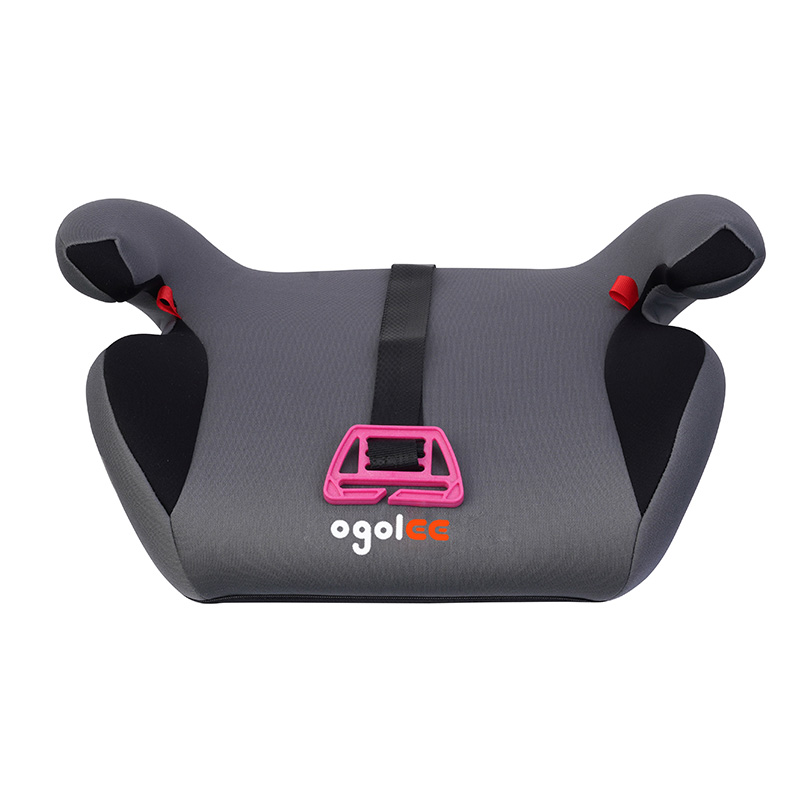
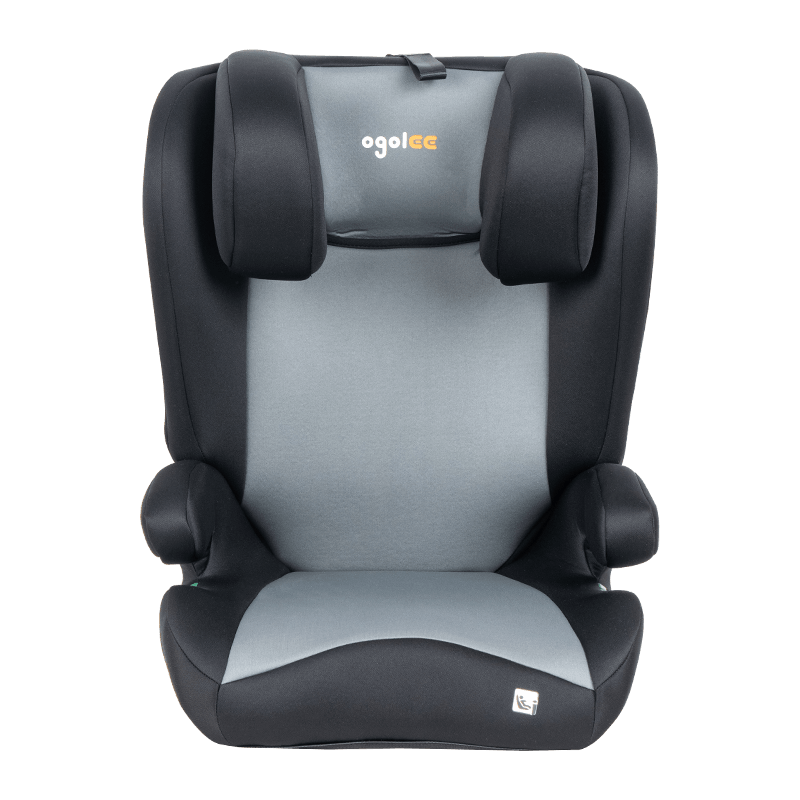
For children between 125 cm and 150 cm who travel in a two-seater, a crew cab or a rental car, a portable R129 booster that folds flat and routes the adult belt across the child is the practical answer.
 OG101A R129 Portable Booster Seat for Children 125-150 cmA portable R129 booster for children 125–150 cm, suited to two-seater, crew cab or rental car travel where an adult belt routes across the child.View Product →
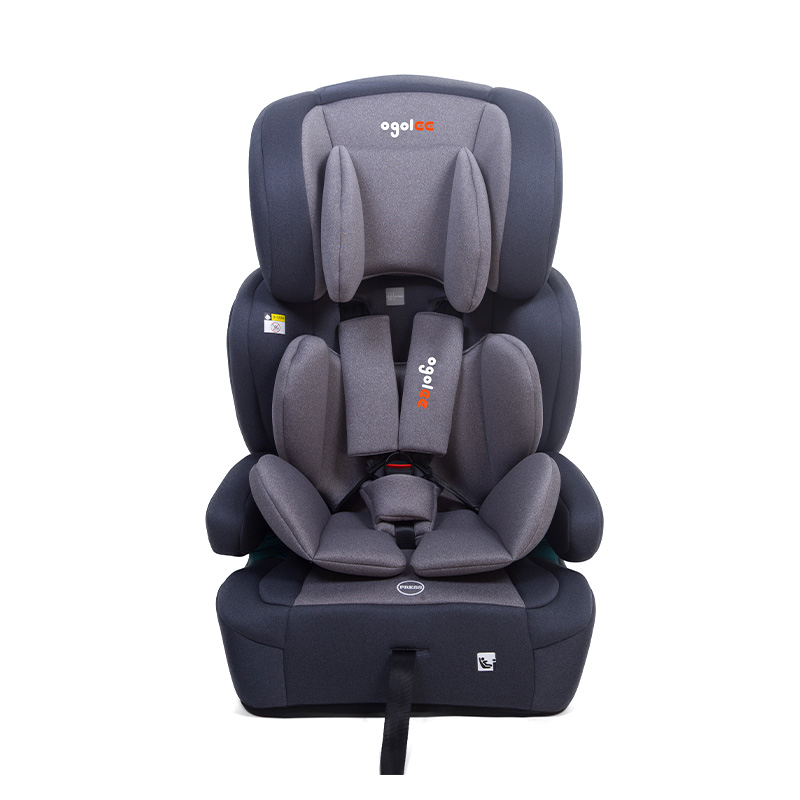
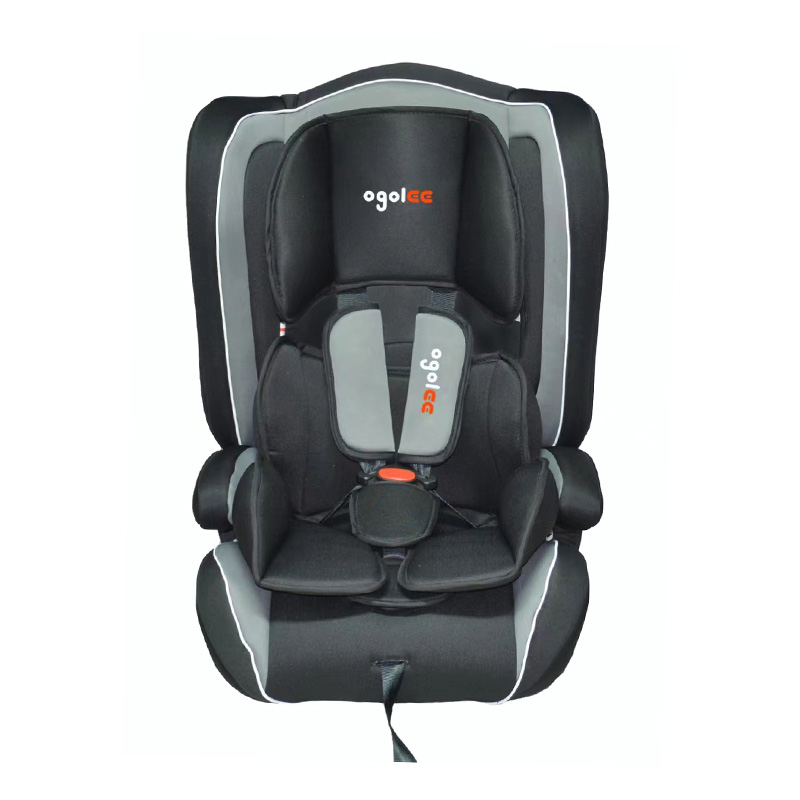
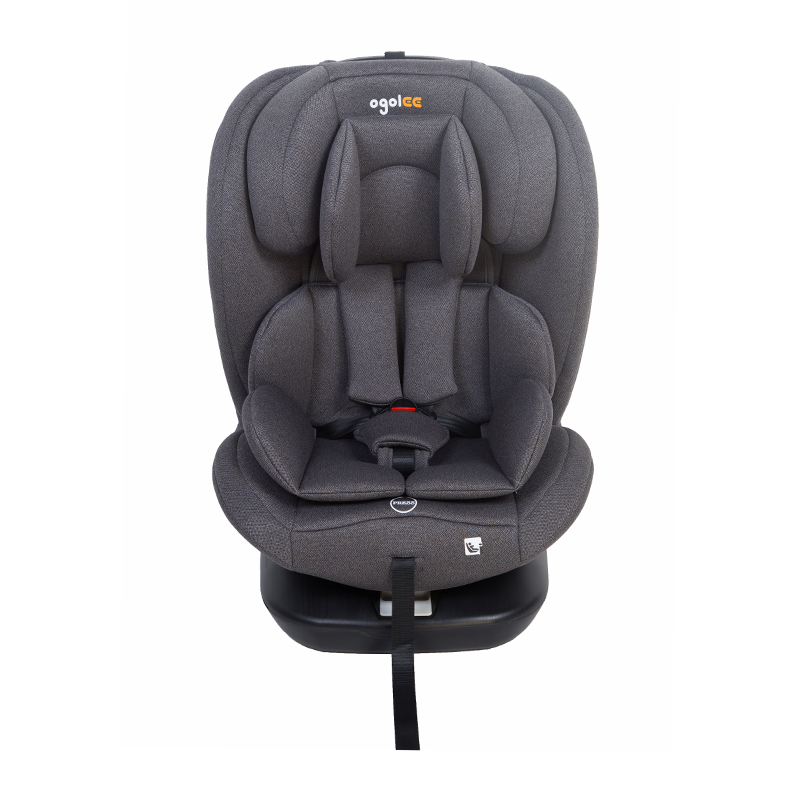
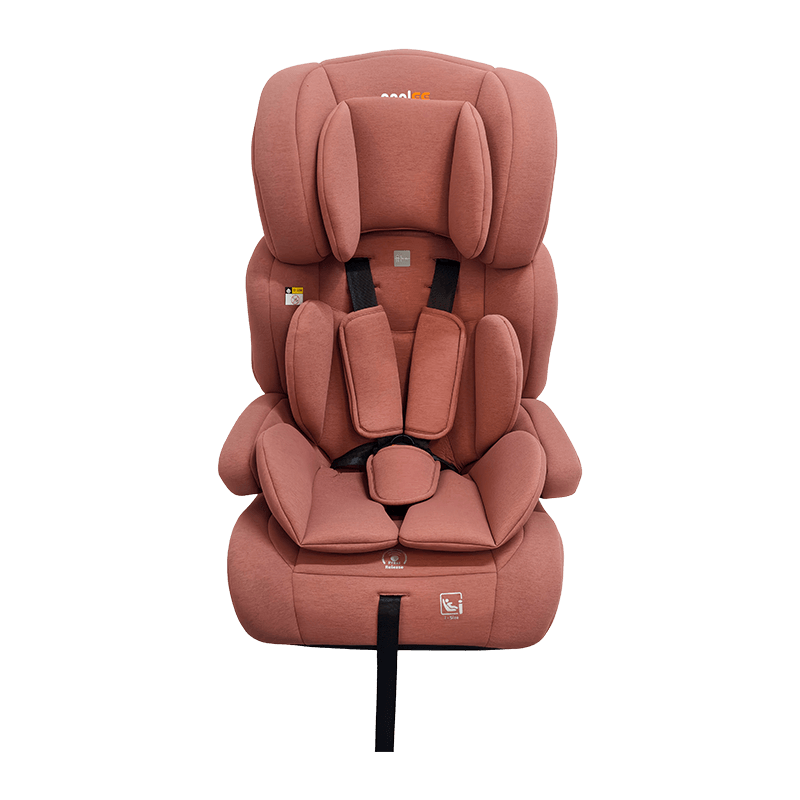
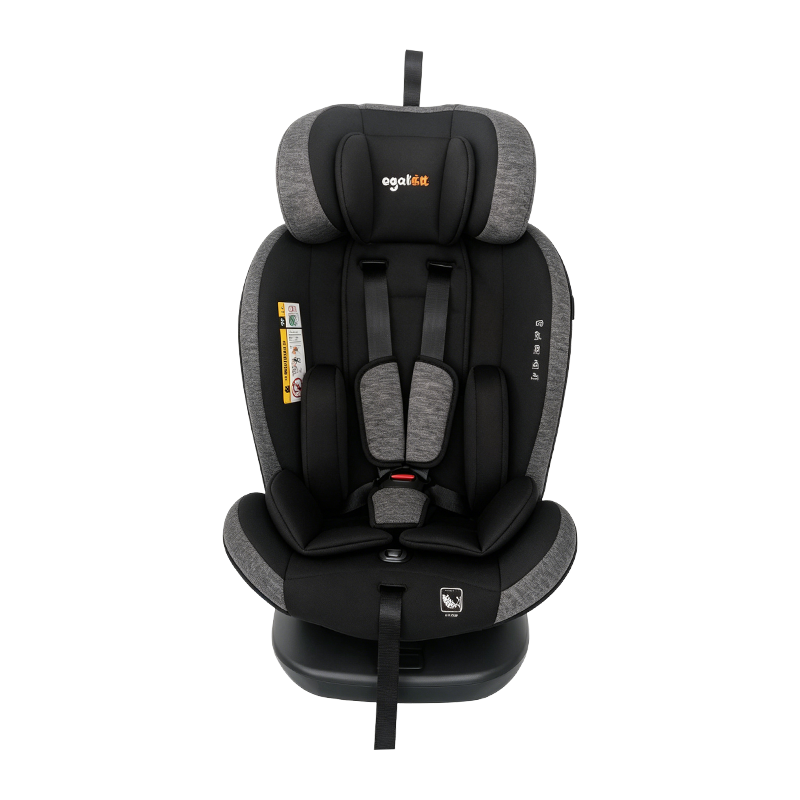
For younger children, from roughly 9 kg to 36 kg, a belt-routed group 1-2-3 seat with a deep shell and an internal harness keeps the child restrained while the adult belt does the work, which suits pickups and vans where the front bench is the only seat available.
 ZK504A ECE R44/04 Baby Car Seat for 9-36 kgA harnessed group 1-2-3 car seat for children 9–36 kg, suited to pickups or vans where the front bench is the only available seat.View Product →
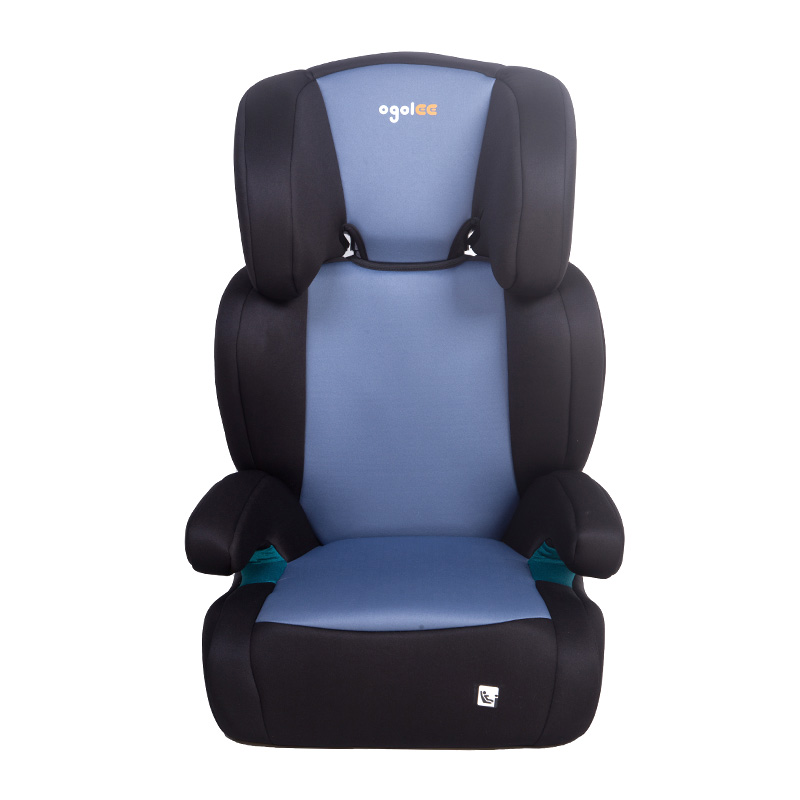
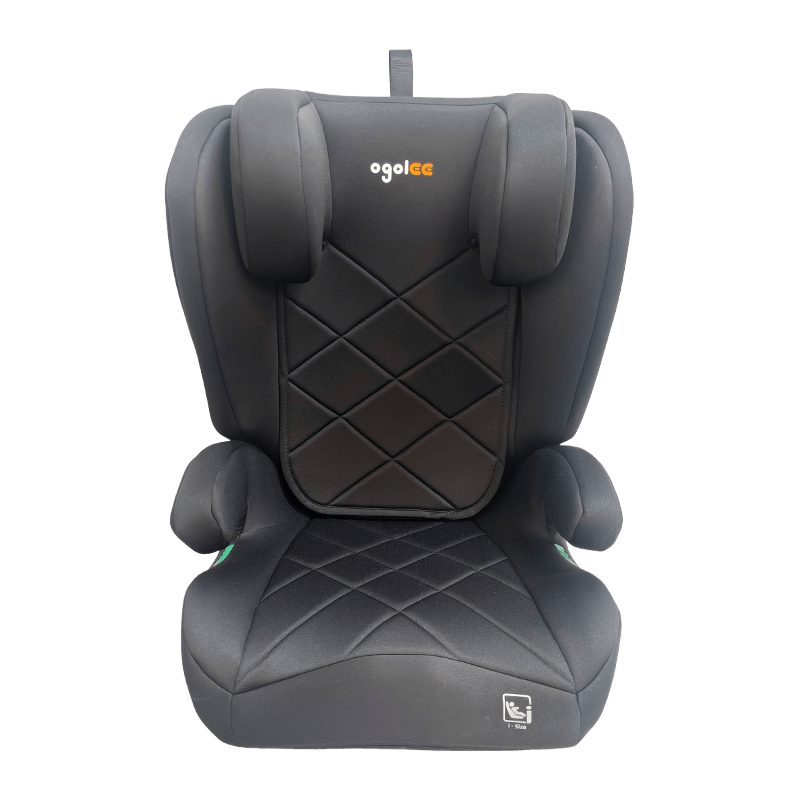
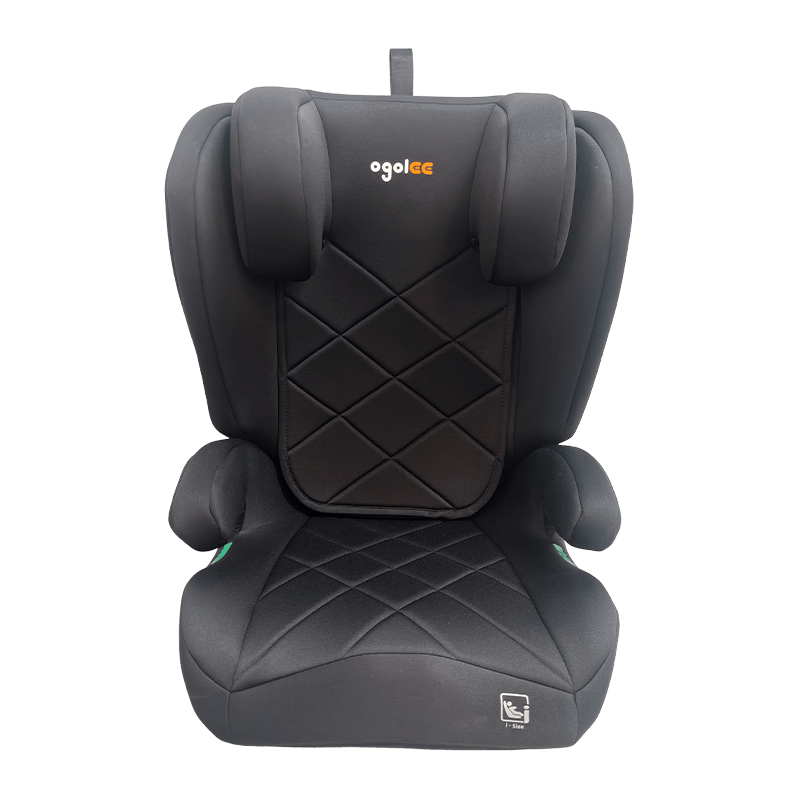
Once a child has outgrown a harness, a high-back i-Size booster for 100 cm to 150 cm supports the head and torso and guides the belt over the shoulder rather than the neck, which matters most when the seat sits a few centimetres closer to the dashboard than anyone would like.
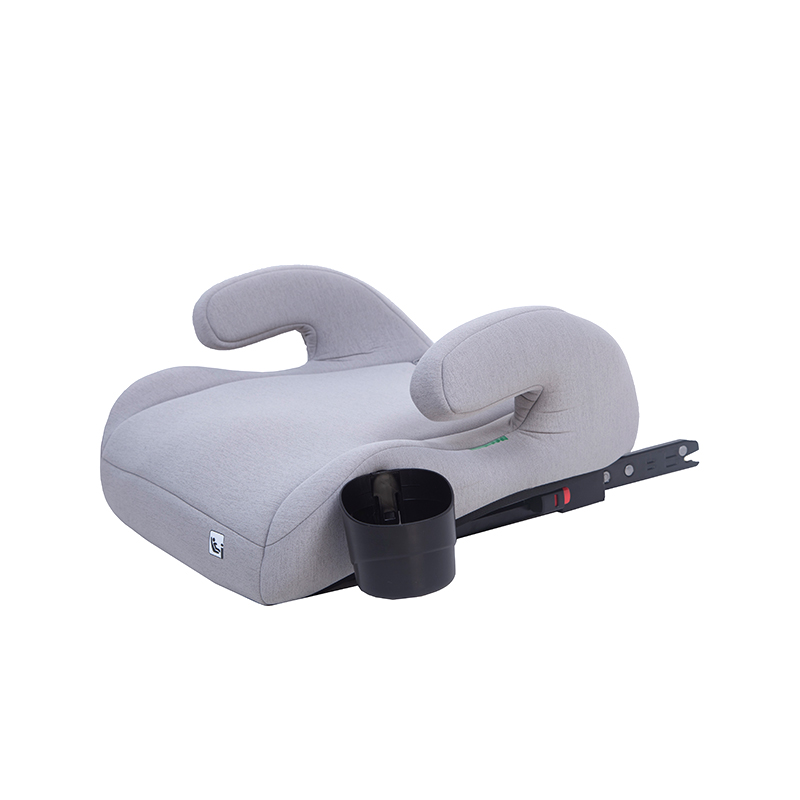 OG303B i-Size R129 Booster Seat for Children 100–150 cmA high-back i-Size booster for children 100–150 cm, with adjustable headrest positions and optional ISOFIX, guiding the belt over the shoulder.View Product →
Frequently Asked Questions
Can a three-year-old ride in the front passenger seat?
Only in a vehicle whose passenger airbag has been deactivated, and only when the rear seating is genuinely unusable. At that age the child is usually rear-facing or in a harnessed seat, so an active airbag is a serious risk rather than a minor one.
Is a rear-facing seat in the front legal if the airbag is off?
In some countries it is permitted and in a few it is common practice. The deciding documents are the vehicle handbook and the seat manual. If either prohibits the front position, the installation sits outside specification regardless of local law.
My pickup has no rear seats. What are my options?
The front seat becomes the only available position, so the airbag must be deactivated, the seat moved back as far as it will go, and the child restraint secured with a belt-routed design that does not depend on ISOFIX.
Can ISOFIX or LATCH be used in the front seat?
Rarely. A small number of vans and commercial vehicles offer front anchorages, but on the vast majority of passenger cars there are none, which leaves a belt-installed seat as the only realistic choice.
What This Means for Importers and Retailers
Front-seat questions turn into product requirements once buyers start asking them. Distributors want belt-routed seats that install without ISOFIX, compact boosters for two-seaters and pickups, and manuals that spell out the airbag conditions in every language of the market they serve. Ningbo Yougaole Child Products Co., Ltd. builds ECE R129 and R44 child car seats covering birth to 12 years, from 40-150 cm ISOFIX models to 125-150 cm portable boosters, and offers OEM and ODM development from customer drawings or samples. Its certification page lists the ECE and 3C approvals behind those products.
One rule survives every exception. A car seat belongs in the rear seat whenever a rear seat exists. When it does not, switch the airbag off, check both manuals, push the seat back, and confirm the airbag-off lamp every time you set off.