 English
 Español
 Deutsch
 русский


If you are looking for the car seat LATCH weight limit, the short answer is 65 lb (about 29.5 kg) of combined weight — your child plus the seat itself. Cross that total and the lower anchors are no longer an approved way to hold the seat; the vehicle's three-point belt takes over, while the top tether stays connected if the seat uses one.
Two details decide whether you are genuinely inside that ceiling: the label on your seat, which often sets a lower child-weight cap of 40–45 lb, and the fact that 65 lb is a total for the whole system rather than a per-anchor figure.
65 lb
Combined child-plus-seat ceiling that most lower-anchor systems are built and tested around.
40–45 lb
Typical child-weight cap printed on convertible seats, because the shell alone weighs 20 lb or more.
Top tether
Not part of the lower-anchor limit. Keep using it in forward-facing mode after you switch to the belt.
Content
- 1 What the LATCH Weight Limit Actually Measures
- 2 How to Find the Limit for Your Specific Seat
- 3 When You Cross the Limit: Switching to the Seat Belt
- 4 LATCH, ISOFIX and R129: Three Systems, Three Kinds of Limit
- 5 Stage by Stage: Where the Ceiling Actually Bites
- 6 What Buyers Should Verify Before Placing an Order
- 7 Frequently Asked Questions
- 7.1 Is the 65 lb limit per anchor or for the whole system?
- 7.2 My child is 44 lb and the seat weighs 23 lb. Can I still use the lower anchors?
- 7.3 Can I use the seat belt and the lower anchors at the same time?
- 7.4 Does the top tether have a weight limit?
- 7.5 Do R129 or i-Size seats follow the same 65 lb rule?
What the LATCH Weight Limit Actually Measures
The limit protects the hardware, not the child's comfort. Lower anchors in the vehicle and the connectors on the seat are validated as a system against a defined load, and the 65 lb combined figure is how that load becomes something a parent can check in a driveway.
In the United States, a 2014 amendment to Federal Motor Vehicle Safety Standard 225 required every child restraint to state a maximum child weight for lower-anchor installation, and most manufacturers settled on the same combined ceiling. Canadian requirements take a similar combined-weight approach, which is why 65 lb (29.5 kg) appears on labels on both sides of the border.
Because the seat counts, a heavier shell eats into your child's allowance. A 22 lb convertible leaves 43 lb of child capacity; a 27 lb all-in-one leaves 38 lb. That is why two families with the same four-year-old can reach different conclusions from the same rule.
| Car seat weight | Child weight | Combined | Inside the 65 lb ceiling? |
|---|---|---|---|
| 20 lb (9 kg) | 40 lb (18 kg) | 60 lb | Yes |
| 22 lb (10 kg) | 44 lb (20 kg) | 66 lb | No — switch to the seat belt |
| 27 lb (12 kg) | 38 lb (17 kg) | 65 lb | At the ceiling — confirm in the manual |
| Booster, 15 lb | 70 lb | 85 lb | Only if the manual permits; anchors hold the booster only |
How to Find the Limit for Your Specific Seat
The number printed on your seat beats any general rule, and it usually takes less than two minutes to locate.
- Look at the label on the side or back of the shell for wording such as "lower anchor," "LATCH limit" or "maximum child weight."
- Open the manual to the installation section and read the sentence that mentions weight rather than height.
- Cross-check the vehicle handbook, because some cars state their own lower-anchor limit and the lower of the two numbers applies.
- Note the figure somewhere you will see it again, such as a phone reminder set for the weight at which the seat must be reinstalled.
Wording varies more than most buyers expect. A US label may read "lower anchors: 45 lb child weight." A European R44 seat talks in groups such as 0–18 kg. An R129 or i-Size seat may talk only in height bands such as 100–150 cm and never mention weight at all, which is why the reasoning behind height-based R129 labelling is worth understanding before you compare seats across markets.
When You Cross the Limit: Switching to the Seat Belt
You do not need a new seat at the ceiling — you need a different installation. Same seat, same child, same seating position; only the routing changes.
- Re-route the belt through the path the manual marks for that mode, and detach the lower connectors from the anchor bars.
- Lock the belt: pull the shoulder belt fully out to engage the retractor's locking mode, or fit the locking clip if your vehicle's belt does not lock on its own.
- Keep the top tether attached in forward-facing mode. It is outside the lower-anchor limit and still reduces forward head movement.
- Do not use the belt and the lower anchors together unless the manual explicitly permits it — a belt-plus-anchor install is not automatically "extra safe."
- Re-check the result: no more than 1 inch (2.5 cm) of movement at the belt path, measured by a firm pull near the buckle.
LATCH, ISOFIX and R129: Three Systems, Three Kinds of Limit
LATCH and ISOFIX describe the same idea — a dedicated connection to reinforced anchor points — but each one expresses its limit differently, so a figure copied from a US forum will not answer a question about a European i-Size seat.
| System and region | How the limit is expressed | Typical figure | What to do at the limit |
|---|---|---|---|
| LATCH (US, Canada) | Combined weight of child plus seat | 65 lb (29.5 kg) combined; child caps of 40–45 lb are common | Switch to the seat belt, keep the top tether |
| ISOFIX under R44 | Child weight group | Groups such as 0–18 kg or 15–36 kg | Follow the seat and vehicle labels for that group |
| ISOFIX under R129 / i-Size | Child height band | e.g. 40–105 cm rear-facing, 100–150 cm booster | Follow the manual; the US 65 lb rule does not apply |
The practical outcome for a distributor or importer is simple: a single seat sold into several markets needs a manual and label set that states each limit in the form that market requires, not one translated paragraph reused everywhere.
Stage by Stage: Where the Ceiling Actually Bites
Rear-facing infant seats and carriers
Infant seats almost always run out of height or shell room long before the anchor limit. A carrier shell typically weighs 9–15 lb, so the 65 lb combined ceiling leaves 50–56 lb of child capacity — well beyond the seat's own 22–35 lb rating. The label, not the arithmetic, decides here.
Convertible and all-in-one seats
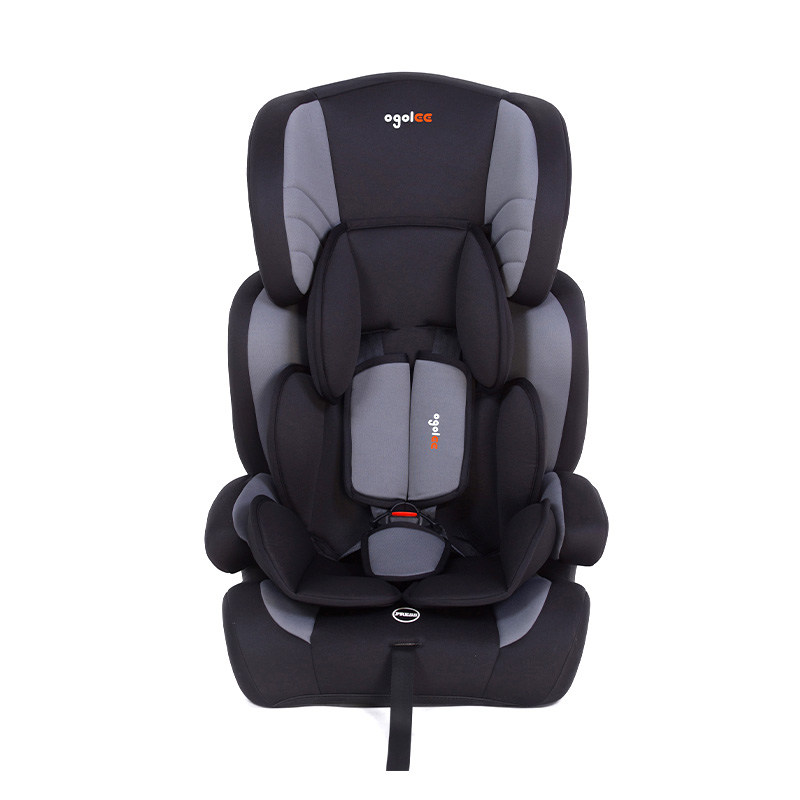
Forward-facing convertibles are where the numbers stop being theoretical. A 24 lb shell plus a 42 lb child is 66 lb, one pound past the ceiling, and that is an ordinary four-year-old. The switch to a belt install is therefore a normal stage of ownership rather than an edge case.
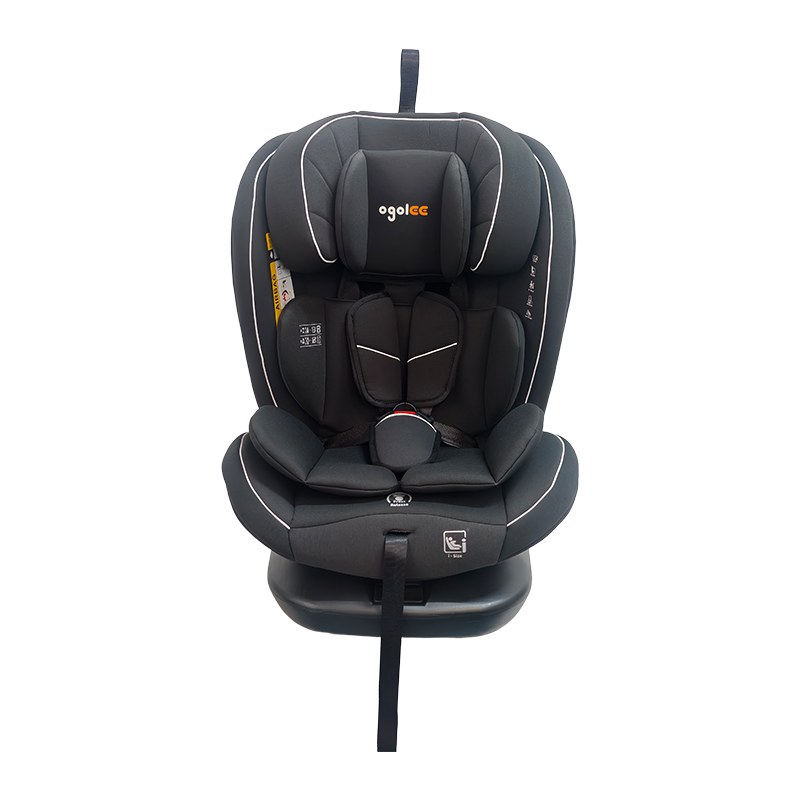
Seats that span 40–150 cm are the ones most likely to cross the limit mid-life: the same shell rear-faces with a small baby and forward-faces with a school-age child, so the manual has to carry two clearly separated installation methods. Rotating shells such as the 360-degree OG801A range show where that design decision matters most, because the parent re-threads the belt as the child grows.
 OG801A 360-Degree Convertible Car Seat, 40–150 cmA rotating 40–150 cm seat with rear- and forward-facing modes, ISOFIX plus top tether, adjustable recline, and ten headrest positions for growing children.View Product →
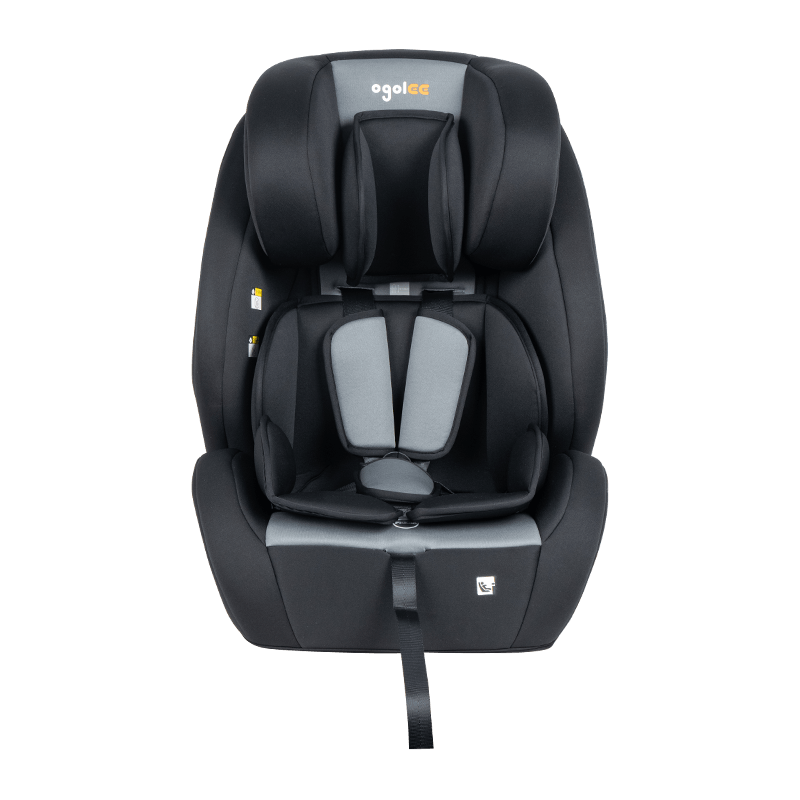
For the 76–150 cm stage, a shell that pairs ISOFIX arms with a top tether gives the installer the belt route as a documented alternative instead of an afterthought — which is exactly the moment when a family needs it.
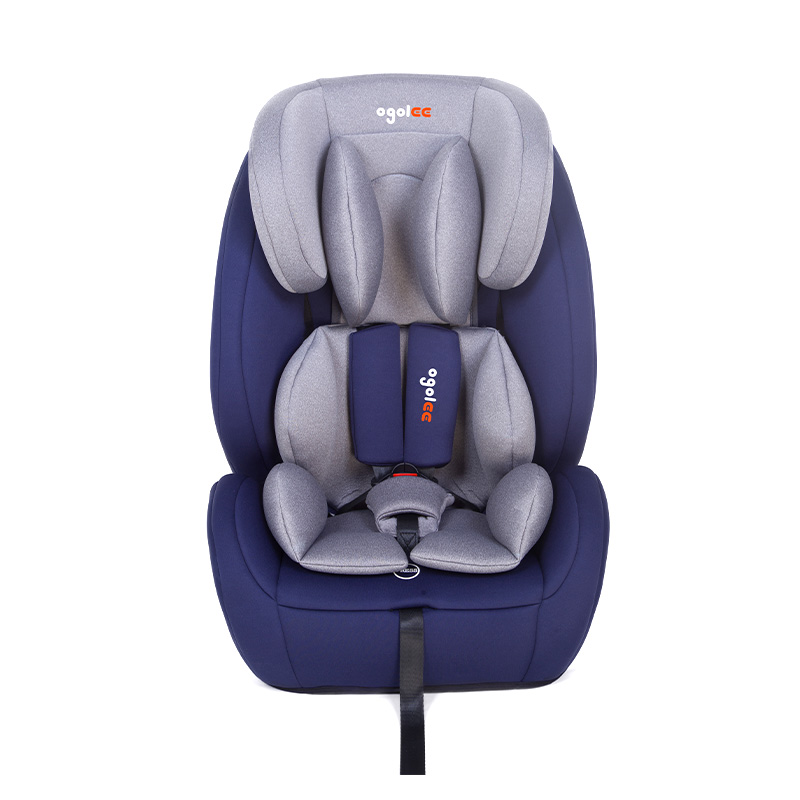 OG302A ISOFIX Car Seat 76–150 cm with Top TetherA 76–150 cm seat with ISOFIX and top tether, one-hand headrest adjustment, and a roomy soft base for straightforward everyday installation.View Product →
Belt-positioning boosters
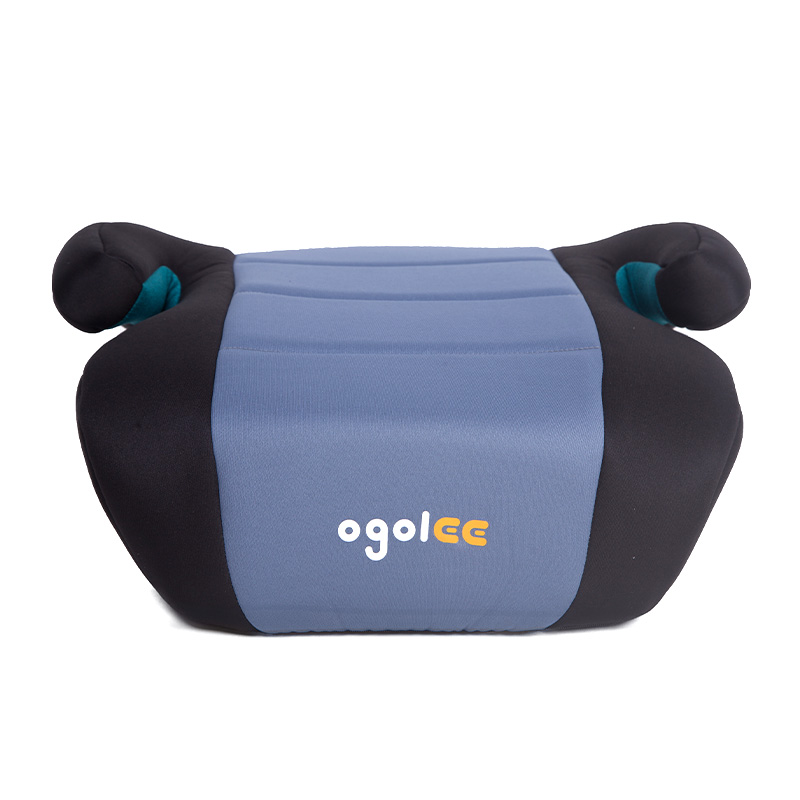
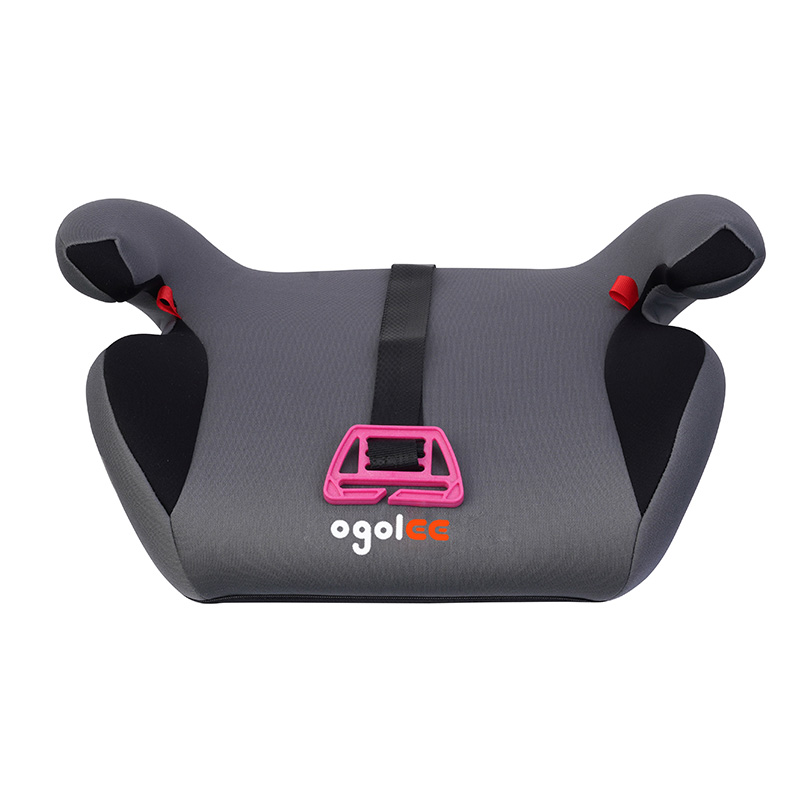
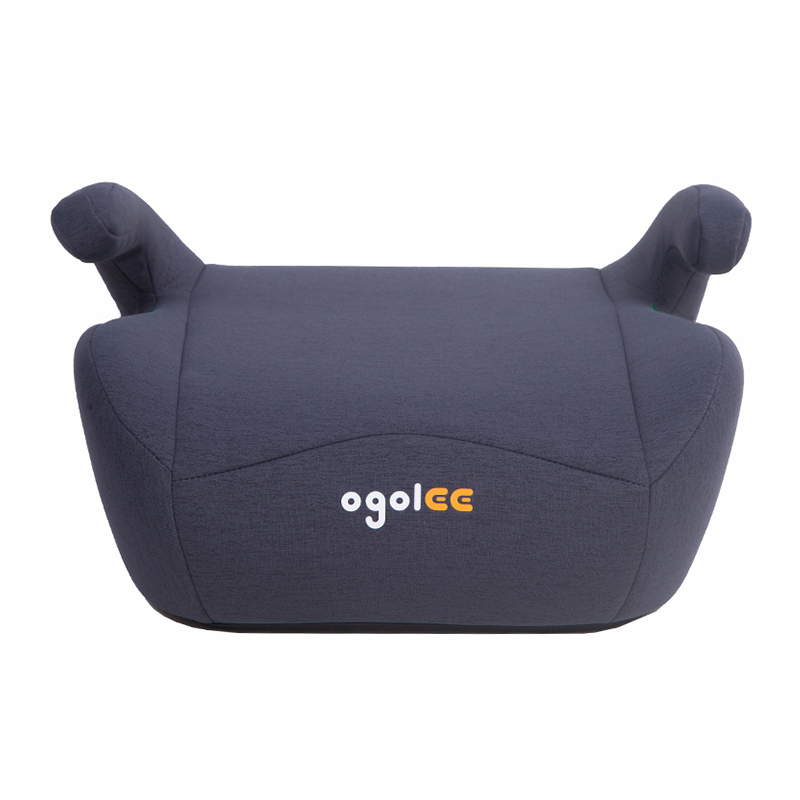
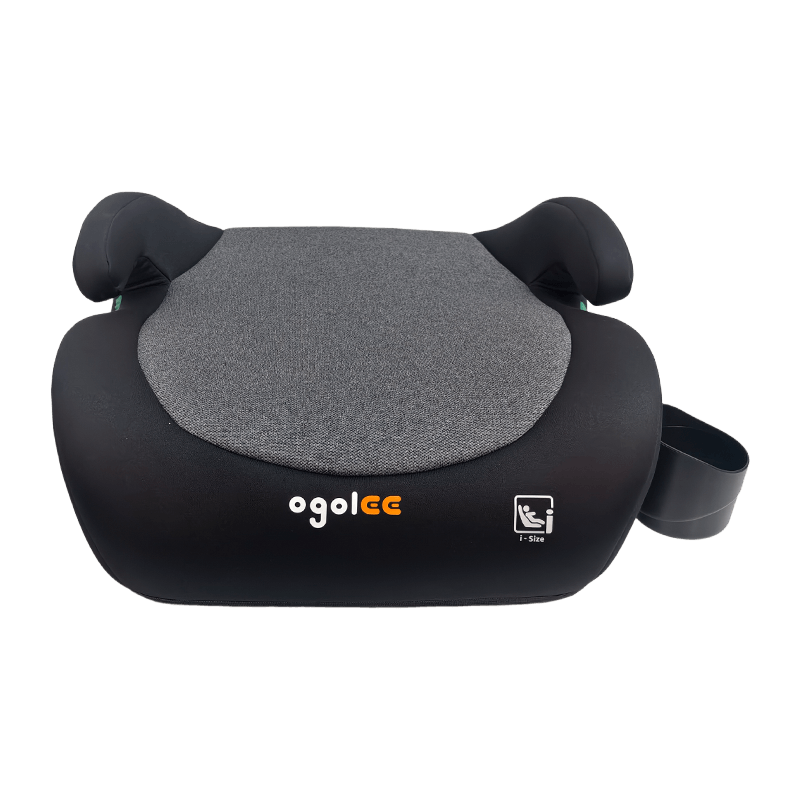
Boosters change the arithmetic entirely. The child rides on the vehicle's three-point belt, so the lower anchors only carry the booster shell, typically 10–20 lb. Many boosters with ISOFIX arms are approved for anchor use right across their height band, but that permission has to come from the manual — an assumption is not an approval.
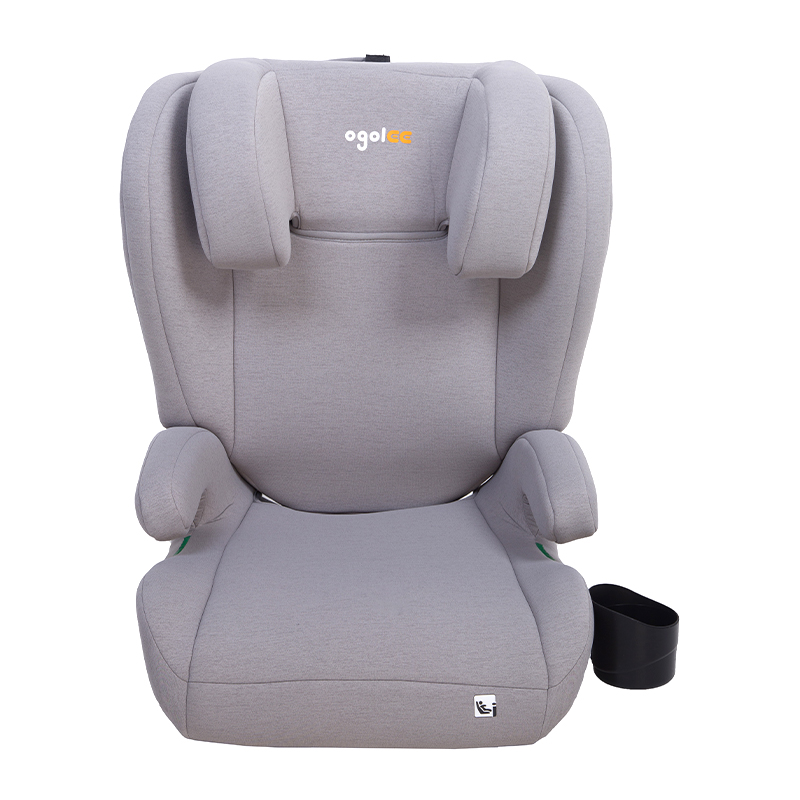
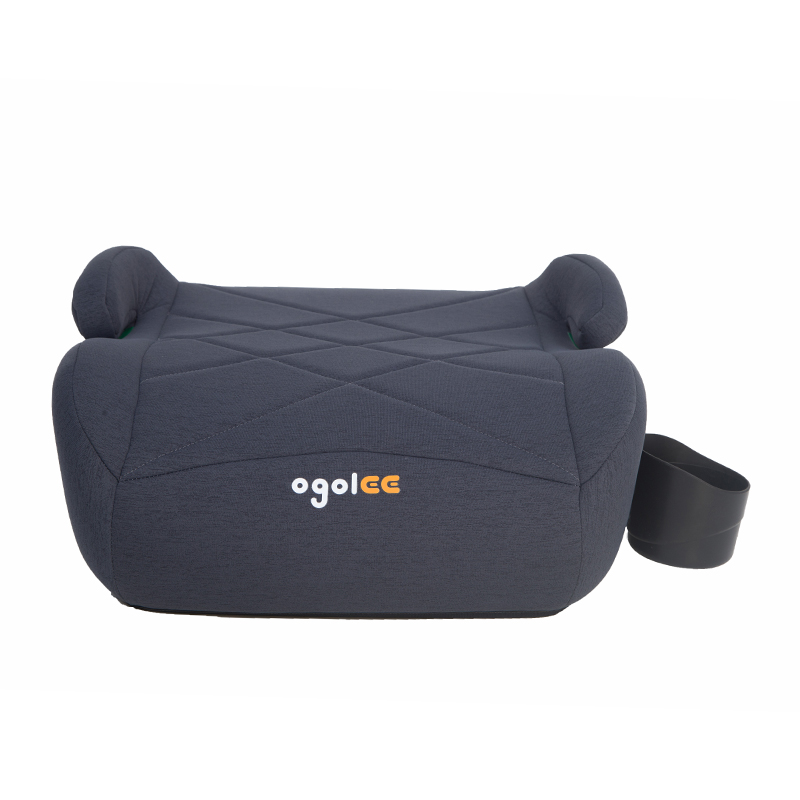
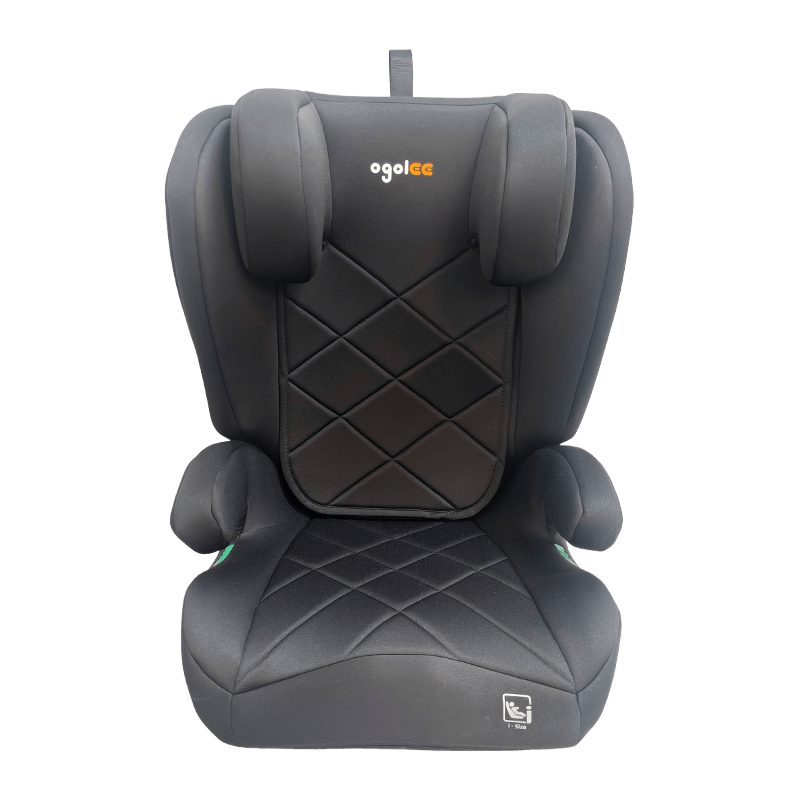
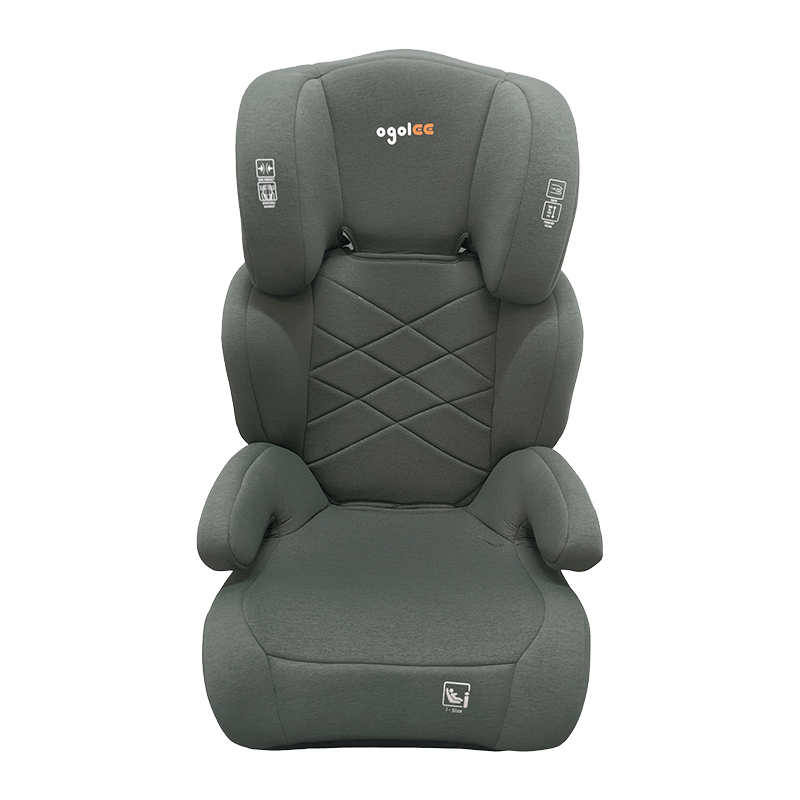
A high-back booster in the 100–150 cm band, such as the OG303B with its cup holder, illustrates the pattern: the anchors position the seat, the belt restrains the child, and the weight question moves off the anchor bars and onto belt fit across the shoulder and hips.
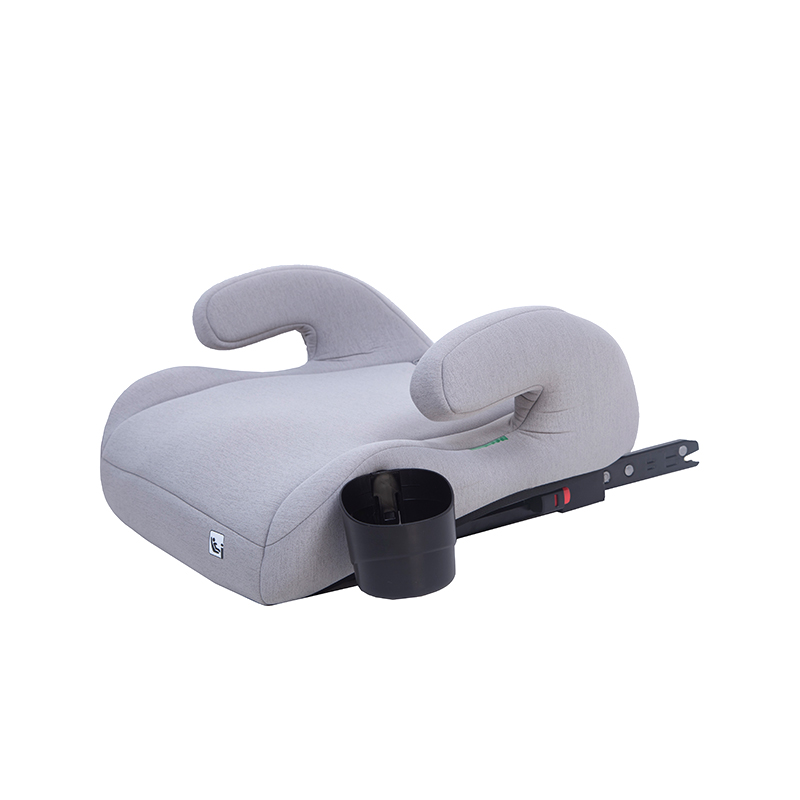 OG303B High-Back Booster Seat 100–150 cm with Cup HolderA 100–150 cm high-back booster with nine headrest positions, cupholder support, optional ISOFIX, and a seat base that can be used separately.View Product →
What Buyers Should Verify Before Placing an Order
On a specification sheet, three lines decide whether a seat actually works in the target market — and none of them is the headline certification badge.
- Label text: does the seat state a child-weight limit for lower anchors, in the required language, in a place a parent can find without opening the manual?
- Belt-install path: is it documented step by step for the heavier stage, including the locking method for vehicles without a locking retractor?
- Anchorage hardware: support leg or top tether — which one the target vehicles provide, and whether the manual explains the difference in plain language.
- Documentation pack: approval paperwork, anchor test reports, and the manual revision that matches the production batch you receive.
These are the details that generate support tickets two years after delivery. If you want to see how the two anchorage approaches are split across our own line, you can browse the full car seat range and compare the R129 and R44 families side by side.
Frequently Asked Questions
Is the 65 lb limit per anchor or for the whole system?
It is a combined figure: child weight plus seat weight, applied to the installation as a whole. There is no separate per-anchor allowance to add up.
My child is 44 lb and the seat weighs 23 lb. Can I still use the lower anchors?
That totals 67 lb, so you are past the common ceiling. Check the label first — many seats cap lower-anchor use at 40–45 lb of child weight anyway — then reinstall with the seat belt and keep the top tether.
Can I use the seat belt and the lower anchors at the same time?
Only if the manual says so. Most manufacturers specify one method at a time, and combining them does not add protection.
Does the top tether have a weight limit?
The tether is not governed by the lower-anchor ceiling and should stay connected in forward-facing installations regardless of the child's weight. Follow the vehicle's tether anchor points and routing.
Do R129 or i-Size seats follow the same 65 lb rule?
No. R129 seats are limited by height bands and by the seat's own instructions, so a US combined-weight figure does not transfer. Read the label that came with the seat.
The number to remember is 65 lb combined, but the number that governs your car is the one printed on your seat's label — and it is often lower. Weigh the seat once, weigh your child at each check-up, and switch to the belt the moment the total reaches the limit. It takes ten minutes, and it keeps the installation inside the envelope the hardware was actually tested for.