 English
 Español
 Deutsch
 русский

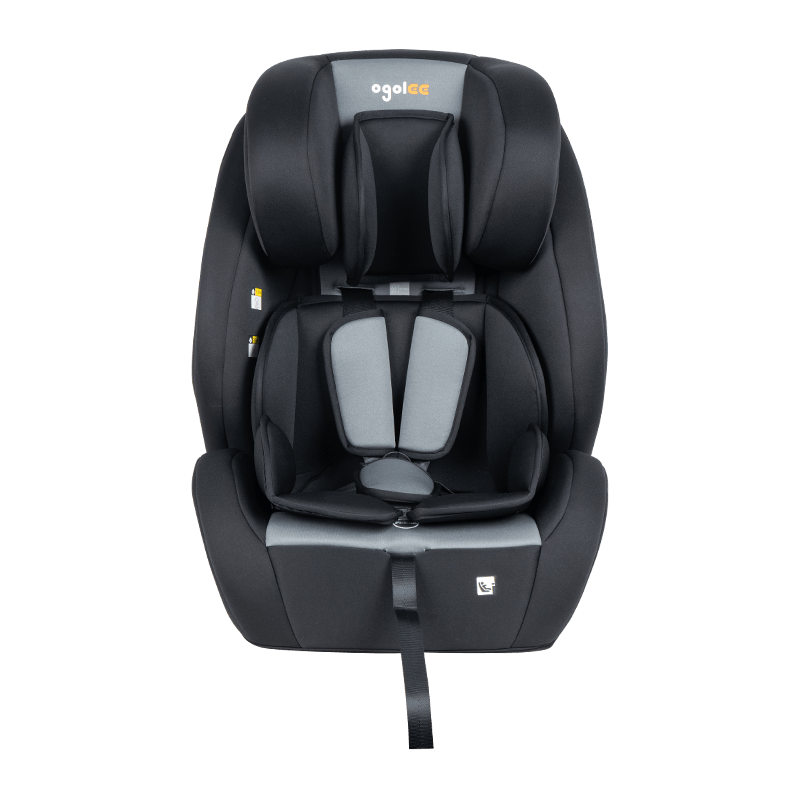
When it comes to ensuring the safety of infants and toddlers during car travel, the choice of a car seat is critical. While many parents are familiar with standard baby car seats, modern regulations have introduced advanced safety options like the R129 Baby Car Safety Seat, also known as i-Size seats. Understanding the differences between R129 seats and conventional models can help caregivers make informed decisions that provide additional protection for their little ones.
Content
Understanding the R129 Standard
The R129 Baby Car Safety Seat is part of a European regulation that updates the older ECE R44/04 standard. Unlike conventional seats, R129 focuses heavily on:
- Height-based classification: Seats are chosen based on the child’s height rather than weight, ensuring a better fit and optimal positioning of the harness.
- Side impact protection: R129 seats undergo rigorous side collision tests, providing extra shielding for the child’s head, neck, and spine.
- Rear-facing travel: Extended rear-facing travel is strongly encouraged up to at least 15 months, which reduces the risk of injury in frontal collisions.
- Improved harness systems: 5-point harnesses are standard, with precise adjustment mechanisms to maintain secure restraint during travel.
These features represent a significant evolution compared to traditional safety seats, which are often categorized by weight alone and may lack comprehensive side-impact testing.
Key Advantages of R129 Baby Car Safety Seats
Choosing an R129 Baby Car Safety Seat over a conventional car seat provides multiple layers of protection and practical benefits:
1. Superior Side Impact Protection
Standard car seats may offer minimal protection from side collisions, which are among the most dangerous types of accidents for children. R129 seats incorporate advanced side-impact protection systems such as energy-absorbing foam, deep padded wings, and adjustable headrests. These features distribute crash forces more effectively, reducing the likelihood of serious injury.
2. Extended Rear-Facing Capability
Conventional seats may encourage forward-facing as soon as the child reaches a certain weight, but research consistently shows that rear-facing travel provides better support for the spine and neck during collisions. R129 seats allow extended rear-facing travel, often until the child is 105 cm tall or around 4 years old, greatly enhancing safety in frontal impacts.
3. Height-Based Fit for Optimal Harness Position
By focusing on height rather than weight, R129 seats ensure the harness aligns correctly with the child’s shoulders. Improper harness positioning in standard seats can lead to greater risk of injury during an accident. With R129, the harness is easier to adjust as the child grows, maintaining safety without frequent seat replacement.
4. ISOFIX Compatibility
Most R129 seats are designed to be installed using ISOFIX connectors, providing a rigid attachment to the vehicle chassis. Compared to seatbelt-only installations commonly used with conventional seats, ISOFIX reduces seat movement during crashes and simplifies installation, lowering the risk of incorrect setup.
5. Enhanced Crash Testing Standards
R129 seats must pass more stringent crash tests, including frontal, side, and rear impacts, with stricter evaluation criteria. These higher standards ensure that R129 seats perform consistently under extreme conditions, giving parents greater confidence in their child’s protection.
Comparing R129 Baby Car Safety Seats to Conventional Car Seats
| Feature | R129 Baby Car Safety Seat | Conventional Car Seat (R44/04) |
|---|---|---|
| Classification | Height-based | Weight-based |
| Side Impact Protection | Required and tested | Optional or limited |
| Rear-Facing Travel | Extended up to 4 years | Often limited to 9-15 months |
| Installation | ISOFIX and seatbelt options | Primarily seatbelt-based |
| Harness System | Height-adjustable 5-point harness | Weight-adjustable harness |
| Crash Testing | Stringent frontal and side-impact | Less rigorous testing standards |
The table above demonstrates how R129 seats consistently provide enhanced protection, particularly in critical collision scenarios where standard seats may fall short.
Practical Tips for Parents Choosing R129 Seats
- Always measure your child’s height and check the manufacturer’s recommendations for the correct seat group.
- Ensure the car seat has ISOFIX installation if your vehicle supports it; this reduces human error during setup.
- Adjust the harness to match the child’s shoulder level after every growth milestone.
- Consider seats with removable and washable covers to maintain hygiene without compromising safety features.
Frequently Asked Questions (FAQ)
Q1: Can R129 seats be used in any car?
Most R129 seats are compatible with vehicles equipped with ISOFIX anchors. For cars without ISOFIX, some models allow seatbelt installation, but it’s important to verify compatibility before purchase.
Q2: How long can my child use a rear-facing R129 seat?
R129 standards recommend keeping children rear-facing until they are at least 15 months old, with many seats supporting rear-facing travel up to 105 cm in height (approximately 4 years old).
Q3: Are R129 seats more expensive than conventional seats?
R129 seats often have a higher initial cost due to enhanced safety features and stricter testing. However, the long-term safety benefits and extended use can justify the investment.
Q4: Do R129 seats fit newborns?
Yes, many R129 seats are designed to accommodate newborns with additional infant inserts, ensuring proper positioning and support for very small babies.
Q5: Is installation difficult for R129 seats?
ISOFIX-equipped R129 seats are generally easier to install securely compared to traditional seatbelt-only seats. Manufacturers provide detailed instructions and sometimes visual indicators to confirm correct installation.
Conclusion
Choosing an R129 Baby Car Safety Seat offers measurable advantages over conventional car seats, from superior side-impact protection and extended rear-facing travel to height-based harness adjustment and rigorous crash testing. While traditional seats may be adequate for basic use, R129 seats provide extra layers of safety that are critical for protecting infants and toddlers in real-world traffic conditions. For parents who prioritize their child’s well-being during every journey, investing in an R129 car seat is a proactive step toward enhanced safety and peace of mind.