 English
 Español
 Deutsch
 русский

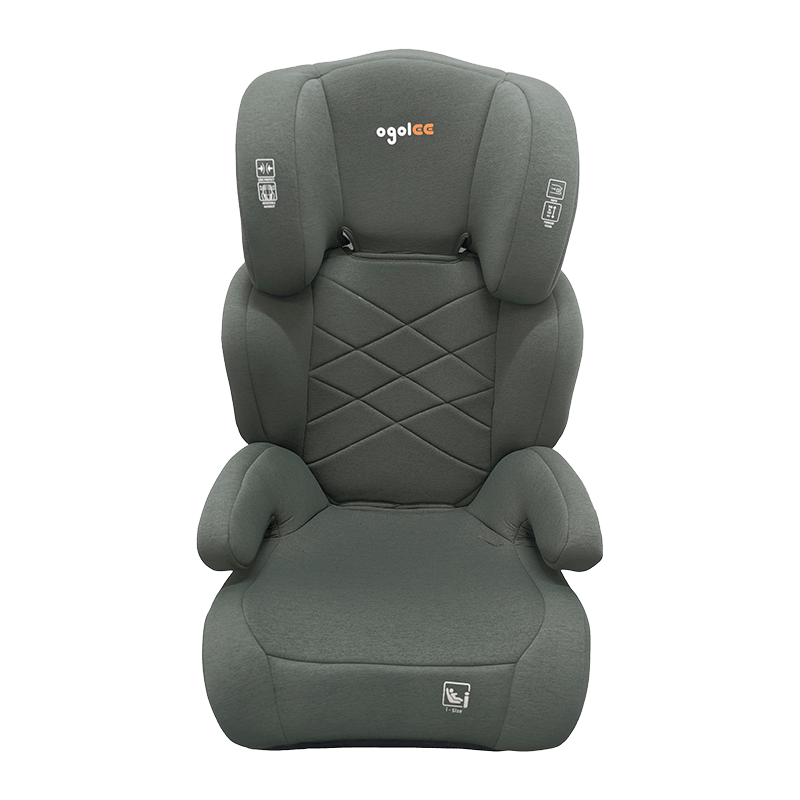
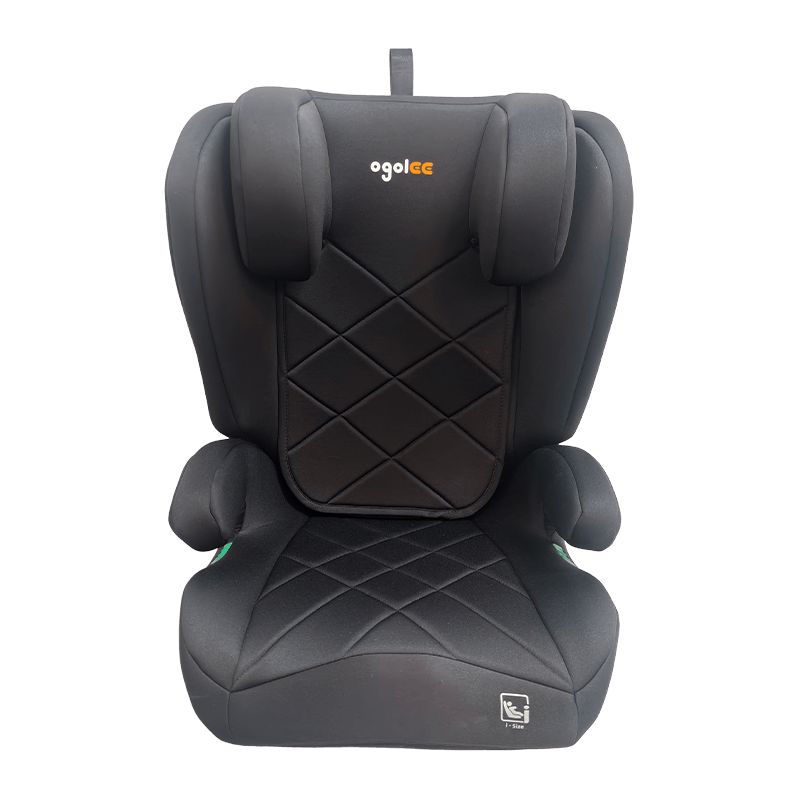
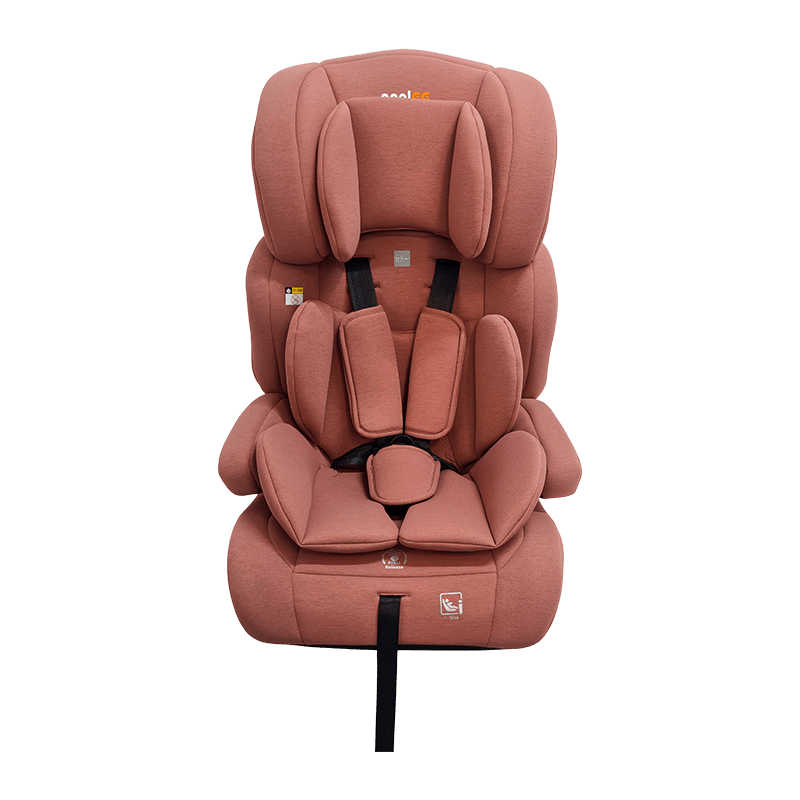
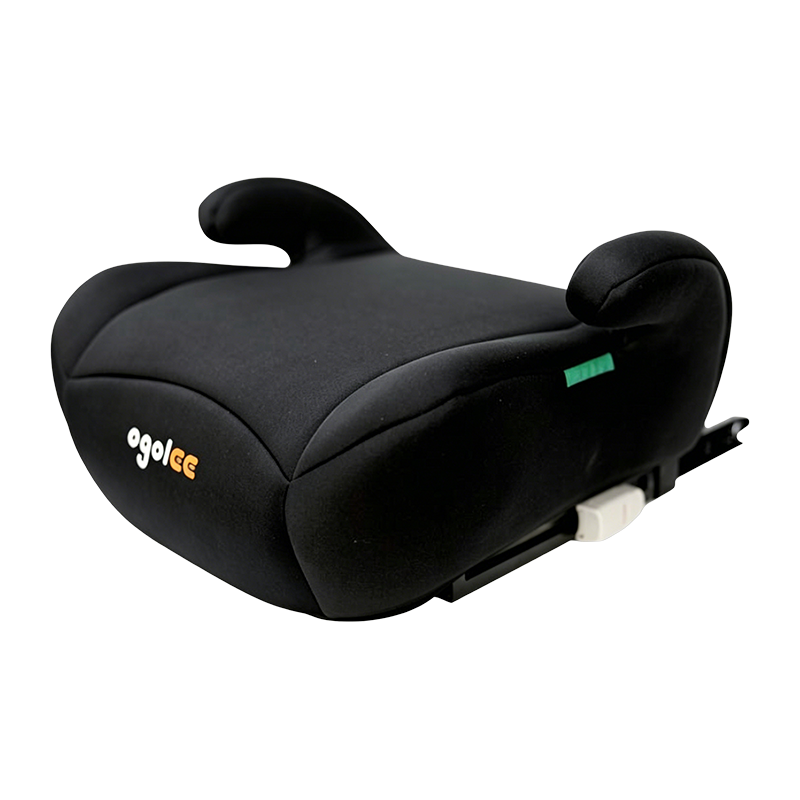
The R129 Baby Car Safety Seat, also known as i-Size, is designed to provide maximum safety for infants and toddlers during car travel. Proper installation is crucial to ensure that the seat performs effectively in the event of a collision. Incorrect installation can reduce safety and may even put a child at risk. Understanding the key steps for installing an R129 Baby Car Safety Seat can help parents and caregivers ensure the highest level of protection.
Content
- 1 Understanding the R129 Baby Car Safety Seat
- 2 Step 1: Choosing the Right Seat and Vehicle Position
- 3 Step 2: Understanding ISOFIX and Top Tether Systems
- 4 Step 3: Adjusting the Recline and Harness System
- 5 Step 4: Securing the Seat
- 6 Step 5: Daily Safety Checks
- 7 Comparison: R129 vs R44 Installation
- 8 Common Mistakes to Avoid
- 9 FAQs About Installing an R129 Baby Car Safety Seat
- 10 Conclusion
Understanding the R129 Baby Car Safety Seat
The R129 Baby Car Safety Seat follows the latest European safety standard for child car seats. Compared with the older R44 standard, R129 seats focus on side impact protection, better compatibility with modern vehicles, and the use of ISOFIX installation for a secure fit. Additionally, R129 seats often include features such as adjustable recline, removable infant inserts, and advanced harness systems.
Before installation, it is important to identify the type of R129 seat being used:
- Infant Seats (0–13 kg): Rear-facing only, typically used for babies up to 12–15 months.
- Convertible Seats (0–18 kg or 0–25 kg): Can be used rear-facing initially and forward-facing later.
- All-in-One Seats (0–36 kg): Adaptable from infant to toddler stages, offering longer use.
Step 1: Choosing the Right Seat and Vehicle Position
Selecting the correct R129 seat for your child's weight, height, and age is the first step. R129 seats must always be installed rear-facing for infants and toddlers up to at least 15 months. The middle of the rear seat is generally the safest location if the car allows proper ISOFIX attachment.
Comparison with older R44 seats:
- R44 seats could be installed forward-facing at younger ages, while R129 mandates rear-facing longer.
- R129 seats provide stricter side impact protection, making rear placement critical.
Step 2: Understanding ISOFIX and Top Tether Systems
Most R129 Baby Car Safety Seats are equipped with ISOFIX connectors, which attach directly to the vehicle’s chassis. This reduces movement during sudden braking or collision. Some seats also have a support leg or a top tether for additional stability.
- Ensure that the vehicle is ISOFIX-compatible before installation.
- Engage the connectors fully until an audible click confirms secure attachment.
- Use the support leg where available; it absorbs crash forces and prevents tilting.
Step 3: Adjusting the Recline and Harness System
R129 seats allow for multiple recline positions to accommodate infants who cannot sit upright. Proper recline ensures that the child’s head does not fall forward, which can obstruct breathing.
Harness adjustments are equally important:
- The harness should lie flat without twists and fit snugly across the child’s shoulders and chest.
- The chest clip should be positioned at armpit level for optimal restraint.
- Adjust harness length as the child grows to maintain correct positioning.
Step 4: Securing the Seat
After connecting the ISOFIX and adjusting recline, double-check the installation:
- Push and pull the seat to ensure minimal movement. Less than 2 cm of lateral movement at the belt path is recommended.
- Check all locking mechanisms and ensure that the support leg or footrest is stable.
- Confirm the seat angle indicator, if present, shows a safe installation angle.
Step 5: Daily Safety Checks
Even after perfect installation, daily checks are necessary:
- Verify that the harness is secure and tightened correctly.
- Check that the seat remains firmly attached to the ISOFIX points.
- Ensure no objects are under the seat that could interfere with stability.
Comparison: R129 vs R44 Installation
| Feature | R44 Seats | R129 Seats |
|---|---|---|
| Installation Method | Seatbelt or ISOFIX (less standardized) | Primarily ISOFIX, sometimes support leg |
| Recommended Orientation | Rear or forward-facing depending on weight | Rear-facing until at least 15 months |
| Side Impact Protection | Limited padding | Enhanced head and torso side protection |
| Compatibility | Varies by vehicle and model | Better compatibility with modern vehicles and safety standards |
Common Mistakes to Avoid
- Using the seat in a forward-facing position too early.
- Incorrect ISOFIX attachment or failing to engage connectors fully.
- Loose harness or incorrect chest clip positioning.
- Not checking seat stability after daily travel.
- Placing bulky items between the seat and the car seat base.
FAQs About Installing an R129 Baby Car Safety Seat
Q1: Can I install an R129 seat without ISOFIX?
Some R129 seats can be installed using a seatbelt, but ISOFIX is strongly recommended as it reduces human error and provides maximum stability.
Q2: How long should my child remain rear-facing?
The R129 standard requires rear-facing until at least 15 months, but many safety experts recommend continuing rear-facing until 2–4 years for better protection of the spine and head.
Q3: Is the middle rear seat always the safest?
Generally yes, as it is farthest from side impact zones. However, check if ISOFIX anchors or seat shape allow proper installation.
Q4: How do I know if the seat is properly reclined?
Most R129 seats have angle indicators or level markers. The baby’s head should not slump forward when lying back. Follow manufacturer instructions carefully.
Q5: Can I transfer the seat between different cars?
Yes, but always check that the target vehicle has compatible ISOFIX anchors and sufficient rear space. Re-check installation each time.
Conclusion
Correctly installing an R129 Baby Car Safety Seat is essential for child safety. By selecting the right seat type, ensuring proper ISOFIX connection, adjusting the recline and harness, and performing daily safety checks, parents can significantly reduce the risk of injury in a collision. Compared with older R44 seats, R129 provides enhanced side impact protection, better vehicle compatibility, and longer rear-facing use. Following these key steps ensures that the R129 Baby Car Safety Seat delivers maximum safety for every journey.