 English
 Español
 Deutsch
 русский

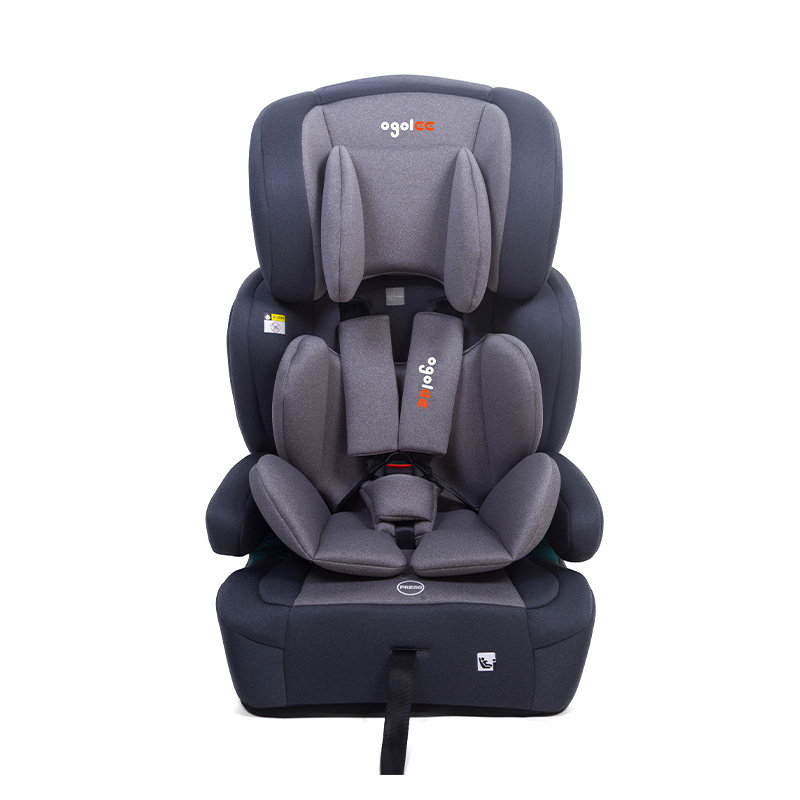
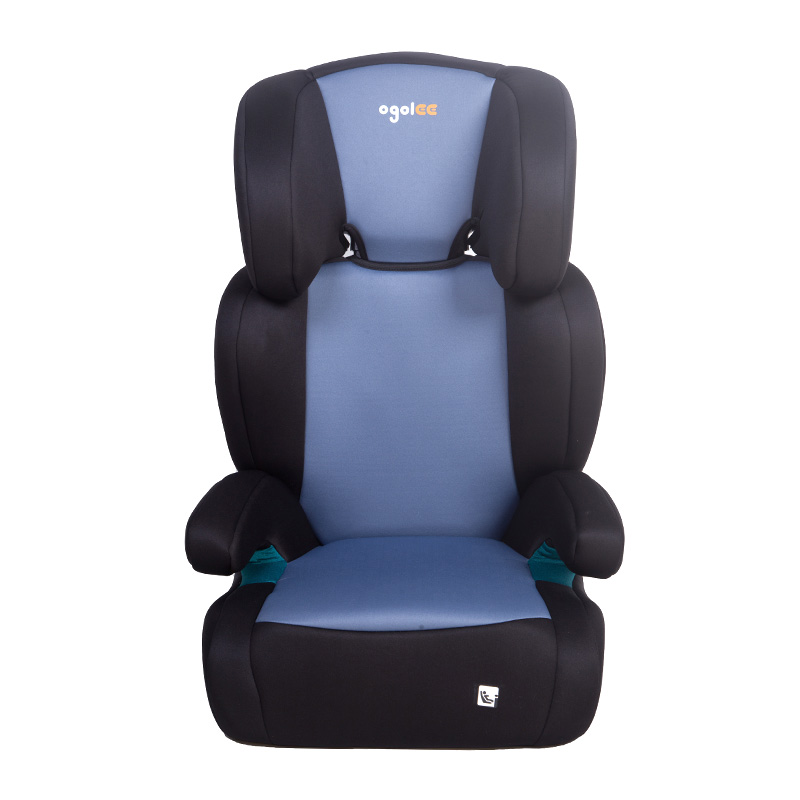
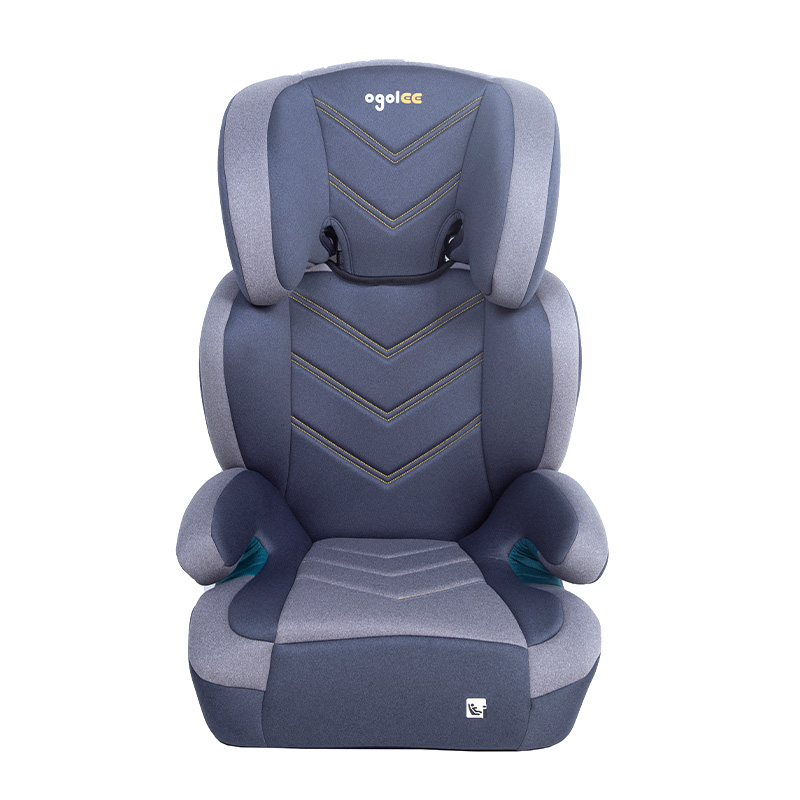
The R129 Baby Car Safety Seat, also known as the i-Size standard, has become increasingly popular among parents and caregivers due to its enhanced safety features, especially in terms of side impact protection. Unlike older safety standards such as R44/04, the R129 standard is specifically designed to provide superior protection for infants and toddlers in modern vehicles. Understanding how it differs and why it excels in side impact safety is crucial for parents looking to make informed decisions.
Content
- 1 Overview of R129 Baby Car Safety Seat Standard
- 2 Side Impact Protection Features of R129 Baby Car Safety Seats
- 3 Comparison Table: R129 vs R44 Side Impact Protection
- 4 Real-World Benefits of Enhanced Side Impact Protection
- 5 Installation Tips for Maximum Side Impact Safety
- 6 FAQs About R129 Baby Car Safety Seat Side Protection
- 7 Conclusion: Why R129 Stands Out in Side Impact Protection
Overview of R129 Baby Car Safety Seat Standard
The R129 Baby Car Safety Seat standard was introduced by the United Nations Economic Commission for Europe (UNECE) to improve child passenger safety. It focuses on several key improvements over the previous R44 standard:
- Height-based classification: Seats are now chosen based on the child’s height rather than weight, ensuring a better fit for growth stages.
- ISOFASTEN system: Mandatory ISOFIX attachment points increase stability and minimize incorrect installation.
- Side Impact Protection: Advanced designs protect children from lateral collisions.
- Improved crash testing: New dummies and sensors allow more accurate simulation of real-world impacts.
Side Impact Protection Features of R129 Baby Car Safety Seats
Side collisions are among the most dangerous types of accidents for child passengers, as the head, neck, and torso are highly vulnerable. The R129 Baby Car Safety Seat addresses these risks through multiple engineering innovations:
1. Energy-absorbing materials
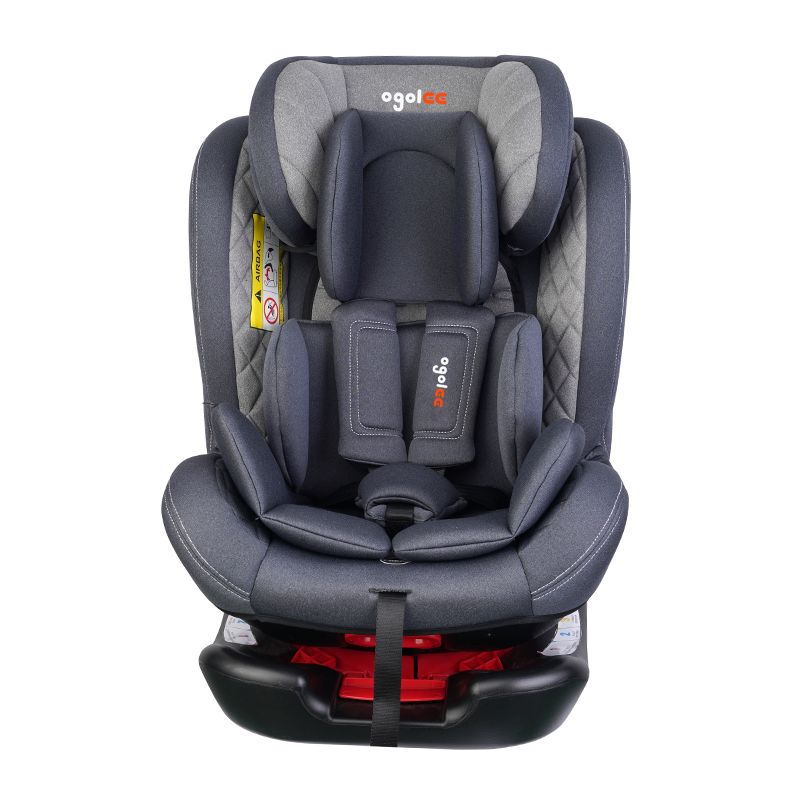
The seat incorporates advanced energy-absorbing foam in the side wings, which reduces the impact forces transferred to the child’s head and body. Compared to older R44 seats, which often rely on thin padding, the R129 standard mandates thicker and denser materials that can deform upon impact, dissipating energy more effectively.
2. Deep side wings
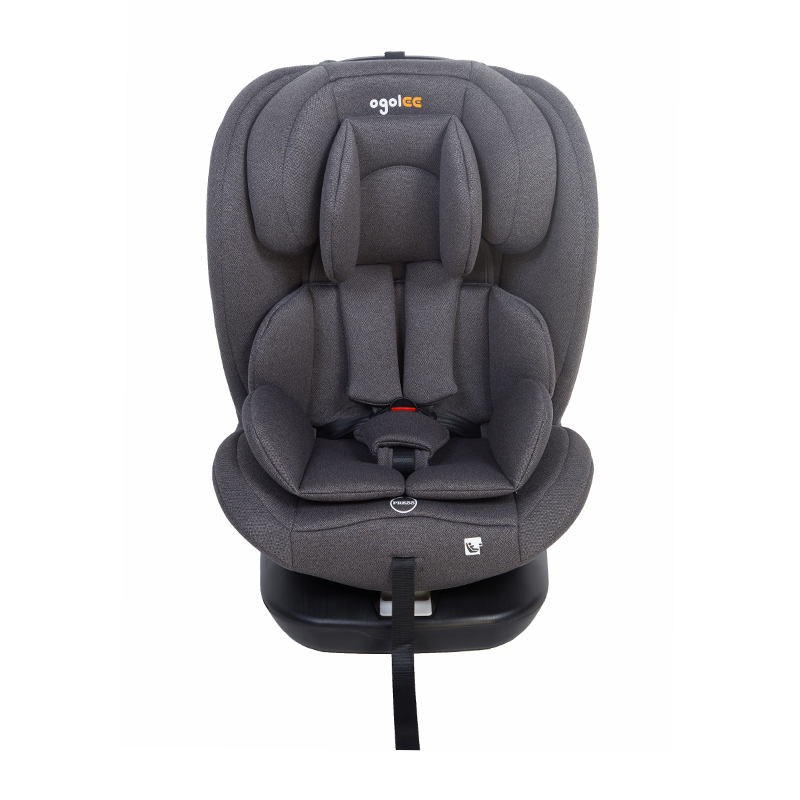
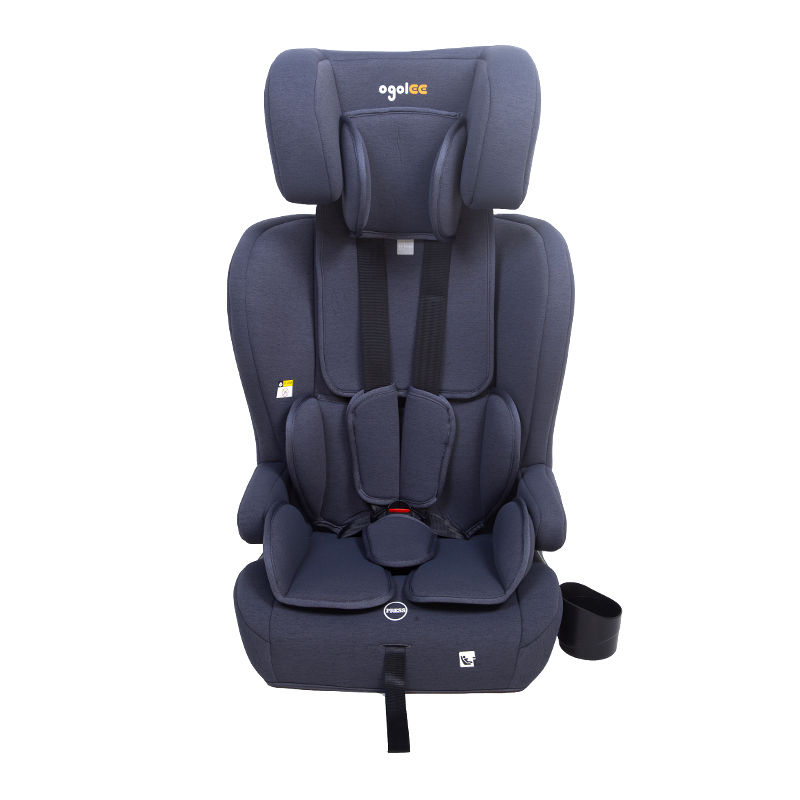
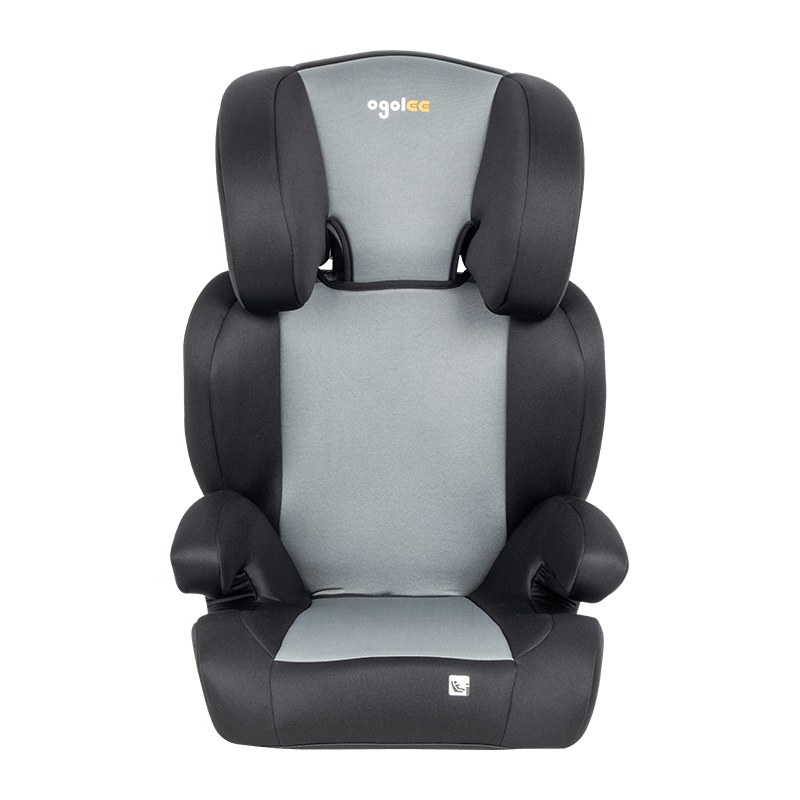
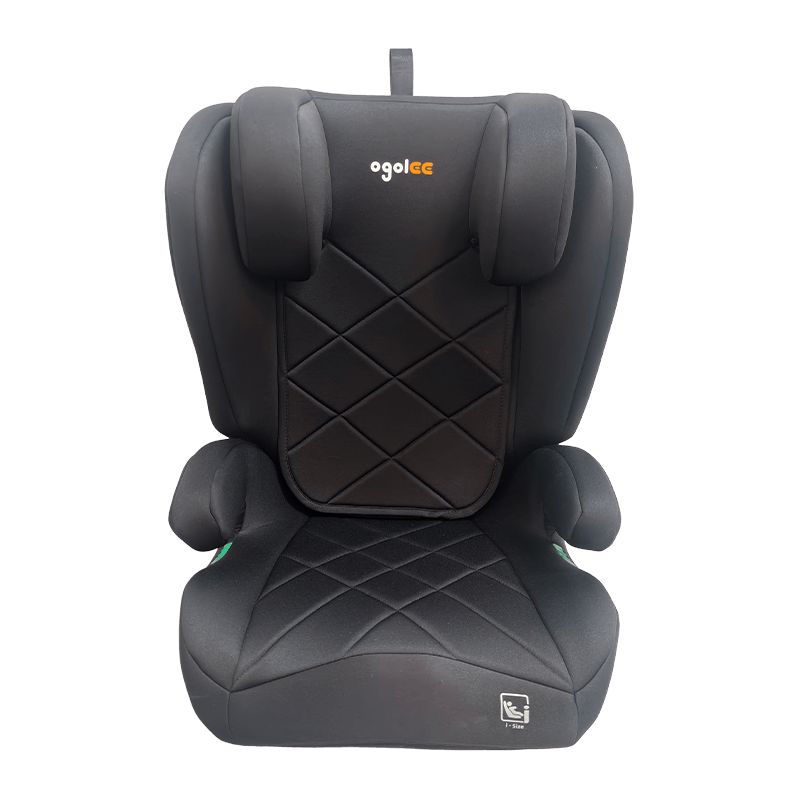
Another hallmark feature is the deep, contoured side wings around the head and torso. These wings create a protective shell that cradles the child during side impacts, preventing excessive lateral movement. Many R44 seats only provide minimal side padding, which offers less protection in real-world crash scenarios.
3. Adjustable headrest and harness system
The R129 Baby Car Safety Seat includes height-adjustable headrests integrated with the harness system. This ensures that the child’s head remains well-supported at all times. The headrest and harness move together to maintain optimal positioning, which is critical during side impacts where the head may otherwise strike the vehicle interior.
4. Energy-absorbing ISOFIX base
R129 seats are commonly installed on ISOFIX bases that incorporate energy-absorbing technology. In a side collision, the base itself can deform slightly, absorbing part of the impact before it reaches the child. This feature is not commonly found in R44-based seats, which are often installed with seat belts alone.
Comparison Table: R129 vs R44 Side Impact Protection
| Feature | R129 Baby Car Safety Seat | R44 Baby Car Safety Seat |
|---|---|---|
| Side Impact Testing | Mandatory, with modern crash dummies and sensors | Optional or minimal testing, older dummies used |
| Side Wing Design | Deep, contoured, energy-absorbing | Shallow or minimal padding |
| Head and Neck Protection | Height-adjustable headrest integrated with harness | Separate headrest, limited adjustability |
| Installation System | ISOFIX base with energy absorption | Seat belt installation, less stability |
| Energy Absorption Materials | Advanced foams, multi-layer protection | Standard foam, thinner padding |
Real-World Benefits of Enhanced Side Impact Protection
Parents who choose an R129 Baby Car Safety Seat enjoy tangible benefits, especially during side collisions, which statistically account for a significant portion of severe accidents:
- Reduced head injury risk: The deep side wings and energy-absorbing materials help prevent the child’s head from striking the car door or window.
- Minimized torso and shoulder trauma: Contoured wings stabilize the upper body, reducing lateral rotation and preventing rib or clavicle injuries.
- Better posture support: Integrated headrest and harness adjustments ensure the child maintains a safe, ergonomic seating position during travel.
Installation Tips for Maximum Side Impact Safety
Even the most advanced R129 Baby Car Safety Seat cannot perform optimally without proper installation. Consider these tips:
- Use ISOFIX bases whenever possible: This ensures a rigid attachment to the vehicle frame, reducing seat movement during impact.
- Adjust headrest and harness to child’s height: Proper alignment is essential for side impact protection.
- Position away from car doors if possible: While side wings provide protection, placing the seat in the center of the back seat adds an extra safety buffer.
- Check installation regularly: Seats can loosen over time, compromising their ability to absorb impact energy effectively.
FAQs About R129 Baby Car Safety Seat Side Protection
Q1: Can an R129 seat be used in all cars?
Most modern cars are equipped with ISOFIX points compatible with R129 seats. However, always check the vehicle manual and the seat’s car list to confirm compatibility.
Q2: How long can a child use an R129 Baby Car Safety Seat?
R129 seats are height-based rather than weight-based. Typically, rear-facing seats are used up to 105 cm in height (around 4 years old), while forward-facing seats can be used for taller children within the approved height range.
Q3: Are R44 seats unsafe?
R44 seats still meet legal safety requirements but generally offer less side impact protection. R129 seats incorporate modern crash test data and engineering, providing higher protection levels.
Q4: What is the cost difference between R129 and R44 seats?
R129 seats are usually more expensive due to advanced materials, ISOFIX bases, and enhanced safety features. However, the investment is often justified by the increased protection offered.
Q5: Is installation more difficult for R129 seats?
With the ISOFIX system, installation is often easier and less prone to error compared to seat-belt-only R44 seats. Many R129 seats also include clear indicators to confirm correct installation.
Conclusion: Why R129 Stands Out in Side Impact Protection
The R129 Baby Car Safety Seat represents a significant evolution in child passenger safety. Its focus on side impact protection, energy-absorbing materials, deep side wings, and height-based adjustment systems ensures that children are better protected in the event of a lateral collision. Compared to R44 and other older standards, R129 seats provide improved head, neck, and torso protection, offering parents peace of mind. By combining advanced engineering with ISOFIX technology, these seats exemplify how innovation in car safety can directly reduce injury risks for the youngest passengers.